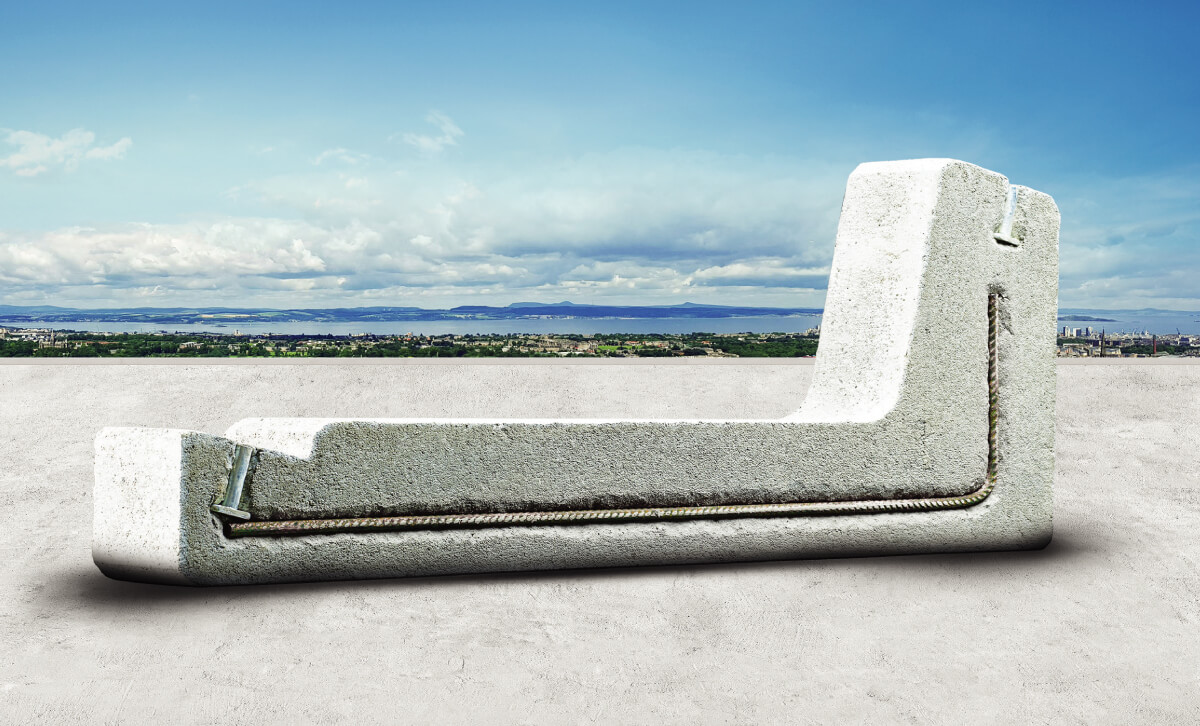
Why a Wind-Resistant Solar Racking System
Matters on Italian Flat Roofs
In Italy, flat roofs on warehouses, factories, and commercial
buildings offer huge potential for photovoltaic growth—but wind is often the hidden challenge. A
wind-resistant solar racking system is not just a “nice to have”: it’s the foundation for
predictable performance, safer roofs, and fewer surprises during commissioning. Installers need
a solution that goes down fast, uses fewer components, and avoids complex roof works. Designers
and engineers need reliable data for wind load calculations, ballast sizing, and compliance.
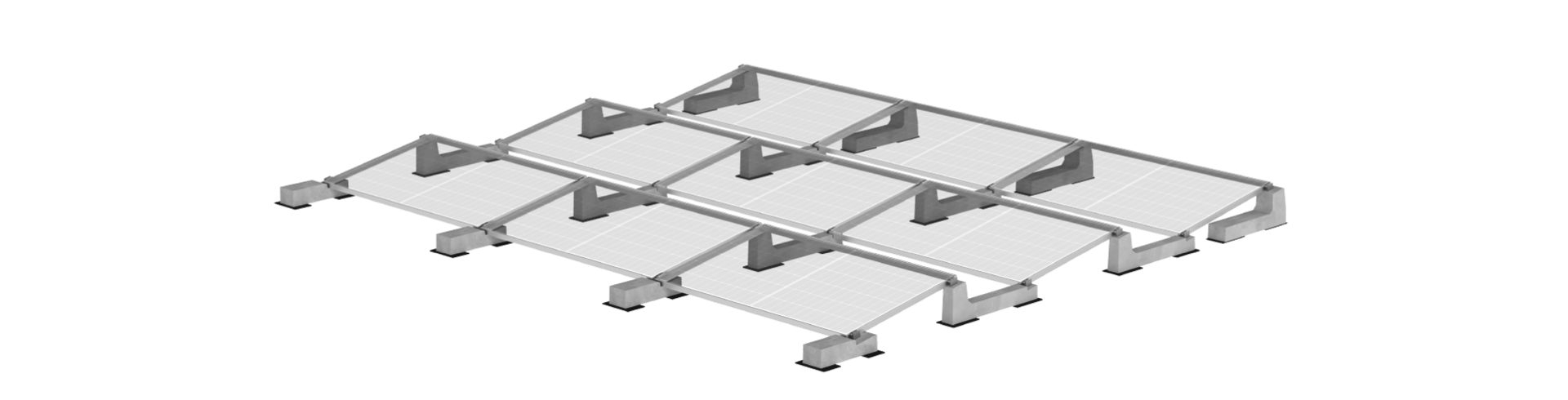
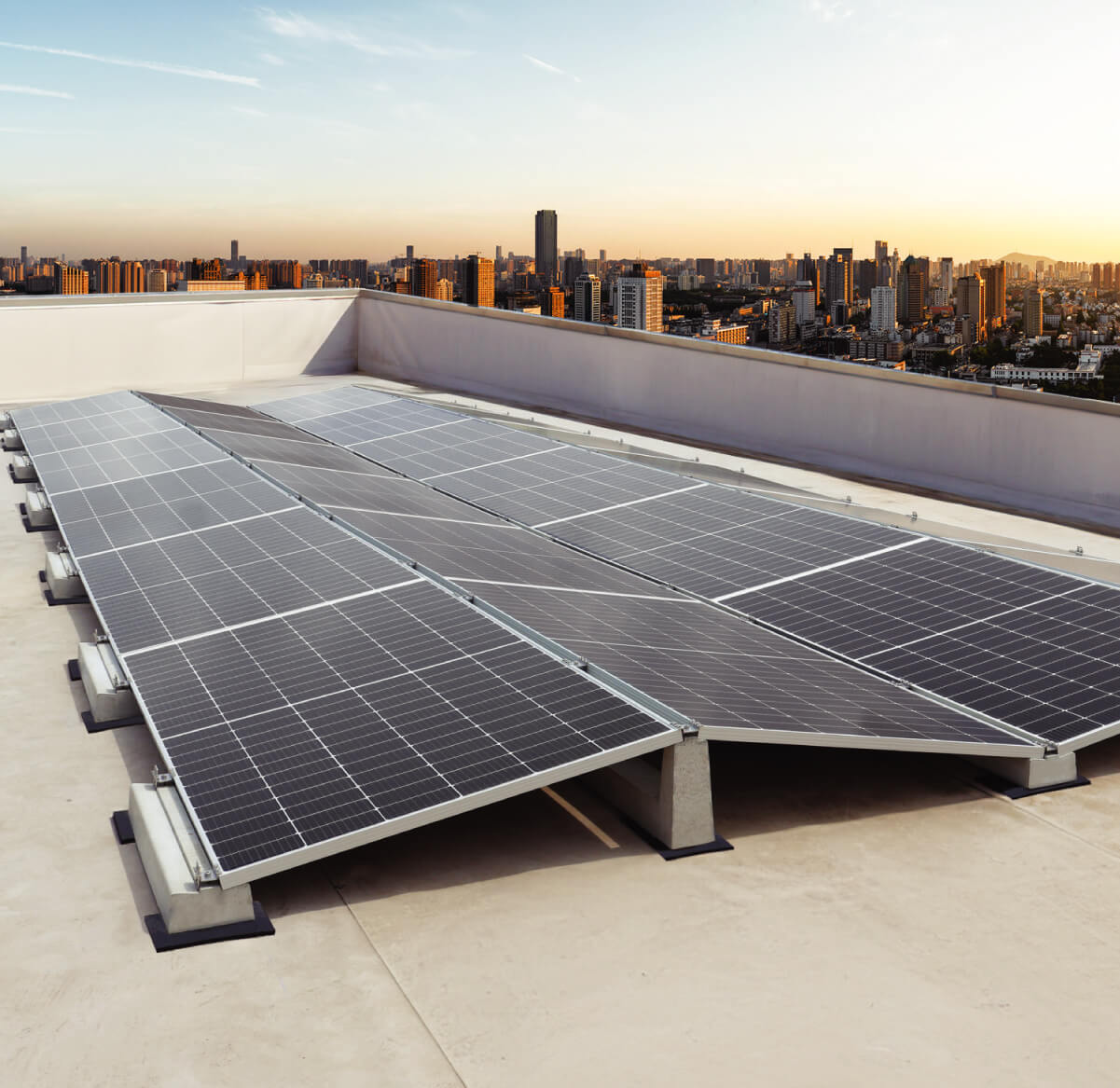
That’s where non-penetrating PV mounting becomes a game-changer. By using concrete ballast to
secure modules, you can often avoid drilling the waterproof membrane, reducing leak risk and
simplifying site logistics. The result is a cleaner workflow: fewer rooftop operations, fewer
potential failure points, and a structure designed to stay stable even in demanding wind zones.
Beyond safety, wind stability protects yield: when modules remain correctly positioned and
aligned, the system maintains optimal orientation and avoids micro-damage from vibration over
time. If your projects involve flat-roof solar arrays, choosing a wind-resistant solar racking
system built for speed, reliability, and proven performance can be the difference between an
easy handover and weeks of callbacks.
Faster Installation with Non-Penetrating
Concrete Ballast Racking
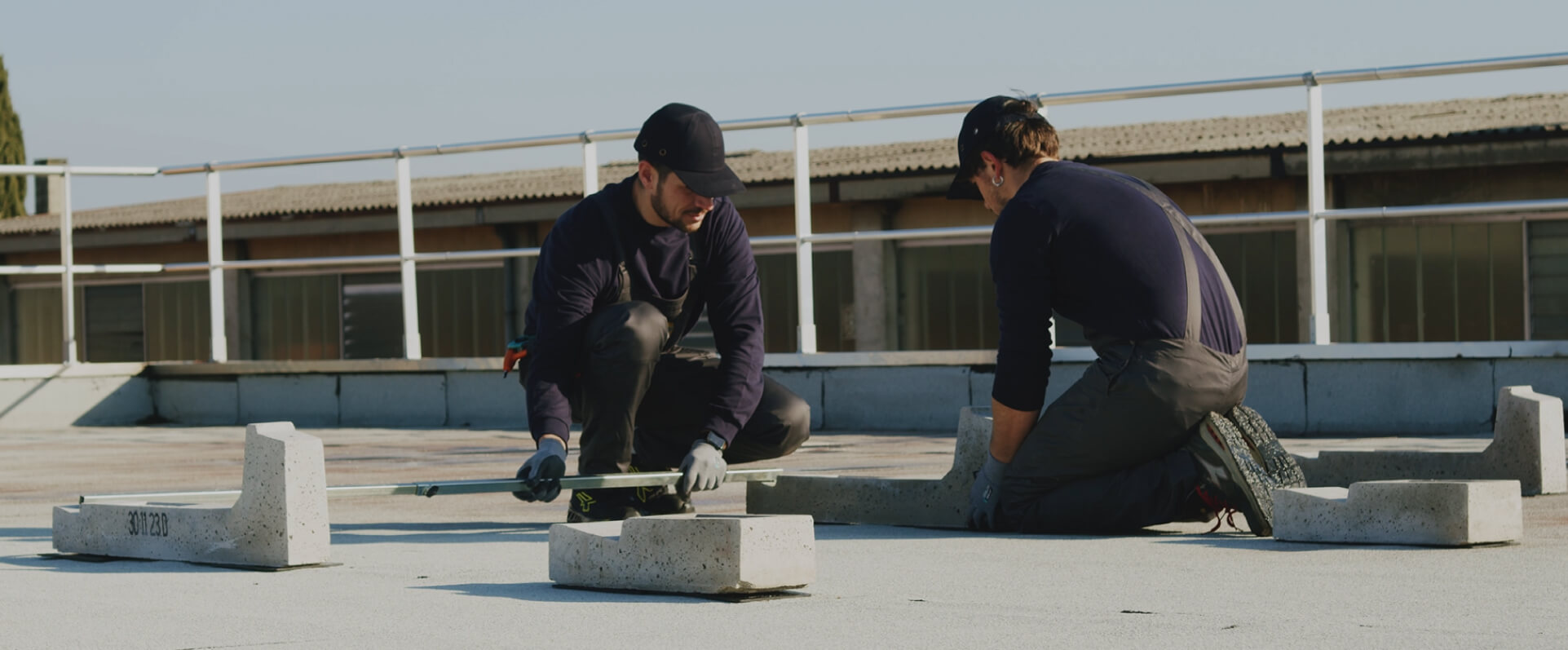
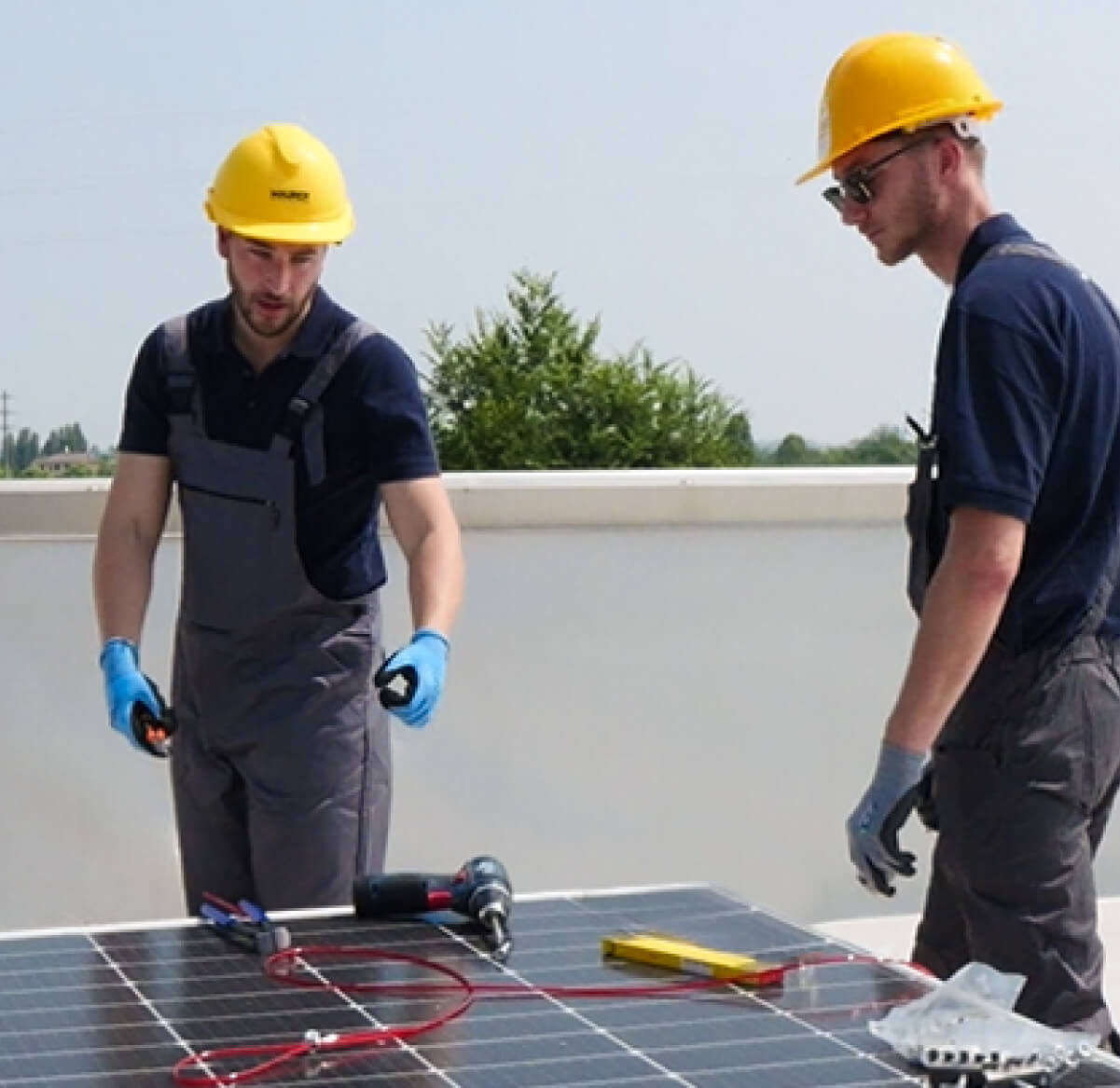
Time on the roof is money. A wind-resistant solar racking system
designed around concrete ballast can streamline installation because it minimizes hardware,
reduces measuring and drilling steps, and helps teams keep a steady pace. For many flat-roof PV
projects, non-penetrating solar mounting means no anchors through the roof covering—so you avoid
dust, noise, and the coordination headaches that come with waterproofing repairs. Practical
benefits show up immediately: easier material handling, intuitive placement, and faster module
fixing. For installers, that translates into more completed kilowatts per day and fewer
installation errors. For distributors, it’s a product that’s easier to explain and easier to
move: a recognizable flat-roof solution with consistent demand across industrial rooftops. For
end clients, it means less disruption and a roof that stays protected. When wind is part of the
design brief—as it should be—ballasted photovoltaic racking provides a stable base while keeping
the workflow simple. The best systems are engineered to balance loads effectively, supporting
both landscape and portrait layouts, and allowing optimized tilt angles without turning the roof
into a construction site.
Technical Support and Proven Data for Wind
Load Design
Engineering confidence is essential, especially where
responsibility for wind calculations and structural checks sits with the project team. A truly
wind-resistant solar racking system should come with more than components—it should come with
solid technical backing. That includes support during design, reliable documentation, and
practical guidance for array configuration, spacing, and ballast distribution. With tested
flat-roof PV support solutions, engineers can reduce uncertainty and accelerate approvals, while
installers can avoid last-minute changes in the field. Look for a partner-style approach: help
with system sizing, assistance from early layout to execution, and solutions developed
specifically for flat roofs in the Italian market. When technical support is built into the
process, you reduce risk, protect margins, and deliver a cleaner project for everyone involved.
Ultimately, the right wind-resistant solar racking system combines three things: stability
against wind uplift, non-penetrating installation to protect the roof, and a straightforward
method that crews can trust. If your goal is to install faster, minimize roof risk, and deliver
dependable PV performance, choosing a wind-focused, ballasted flat-roof racking solution is a
smart move for your next project.