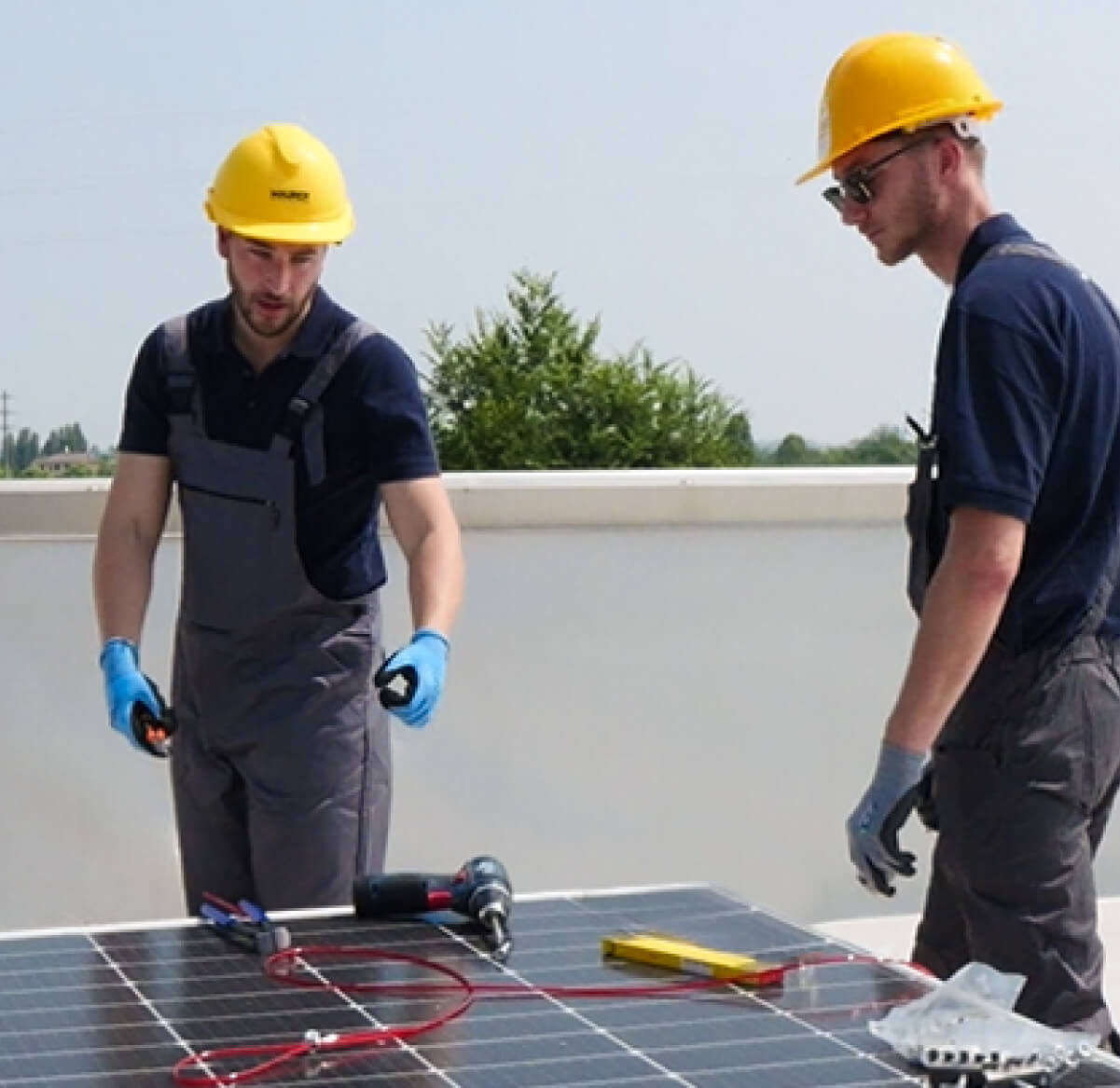
Why a Quick Installation Solar Racking System
Matters on Italian Flat Roofs
On flat roofs across Italy, speed is everything: tight schedules,
unpredictable weather windows, and multiple trades sharing the same site. A Quick installation
solar racking system helps installers reduce labor hours without sacrificing safety or
performance. The biggest advantage is simplicity—fewer parts to handle, fewer tools, and a
workflow that stays consistent from small commercial rooftops to large industrial sheds. For
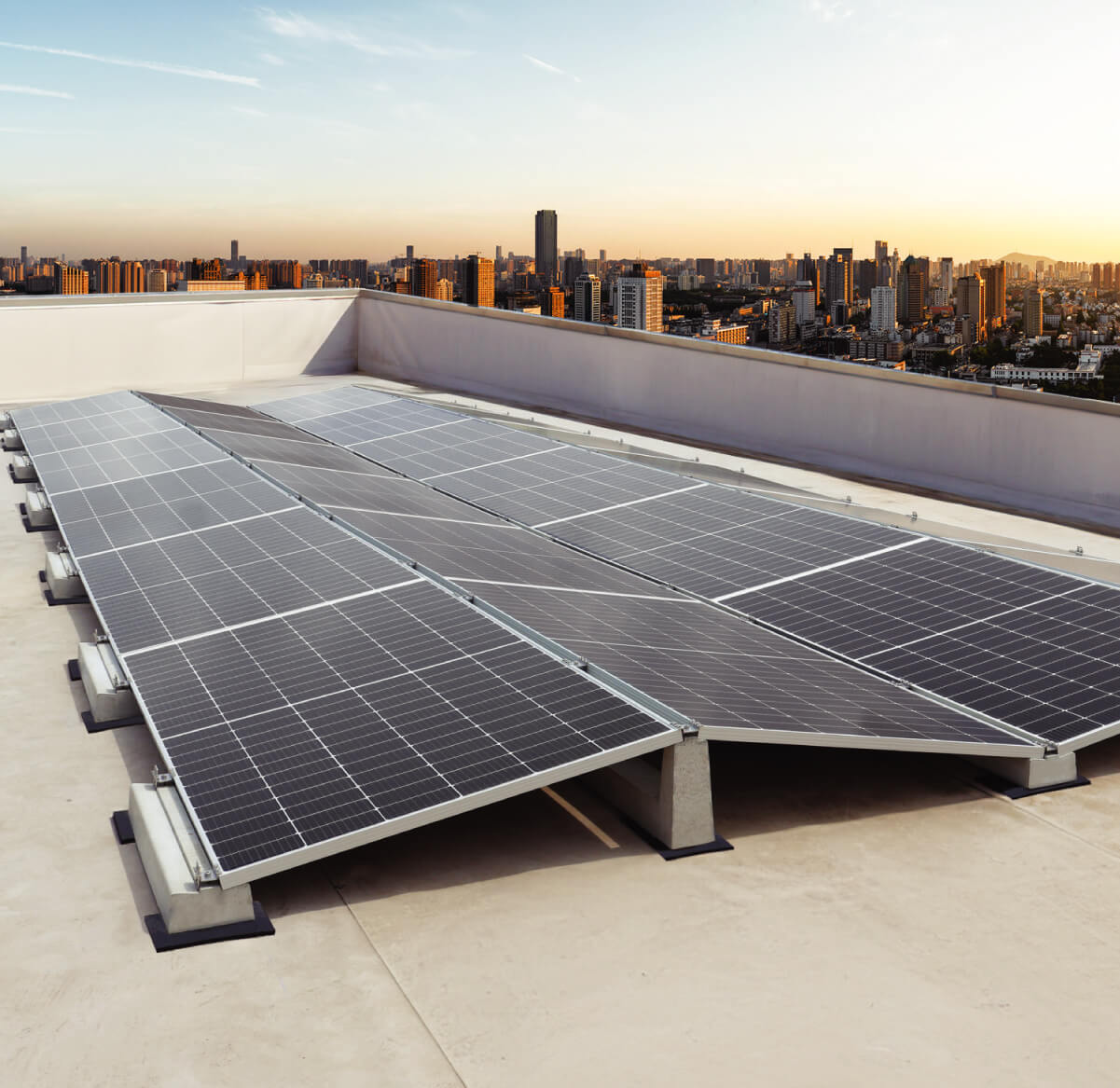
many projects, avoiding roof penetrations is just as important as saving time. A ballast-based
PV mounting solution can eliminate drilling, lowering the risk of leaks and cutting down on
paperwork and coordination with waterproofing contractors. The result is a cleaner install and
fewer call-backs. Designers and engineers also benefit when the system comes with reliable load
data and a structured approach for wind uplift and roof load distribution, supporting faster
permitting and clearer documentation. For distributors, an easy-to-explain racking platform with
a strong track record is easier to move and easier to support. If your daily goal is to install
more kilowatts with fewer headaches, choosing a quick installation approach on flat roofs is one
of the most practical upgrades you can make to your PV workflow.
Key Features Installers Look For: No Drilling,
Fewer Components, Faster Assembly
A Quick installation solar racking system should feel intuitive
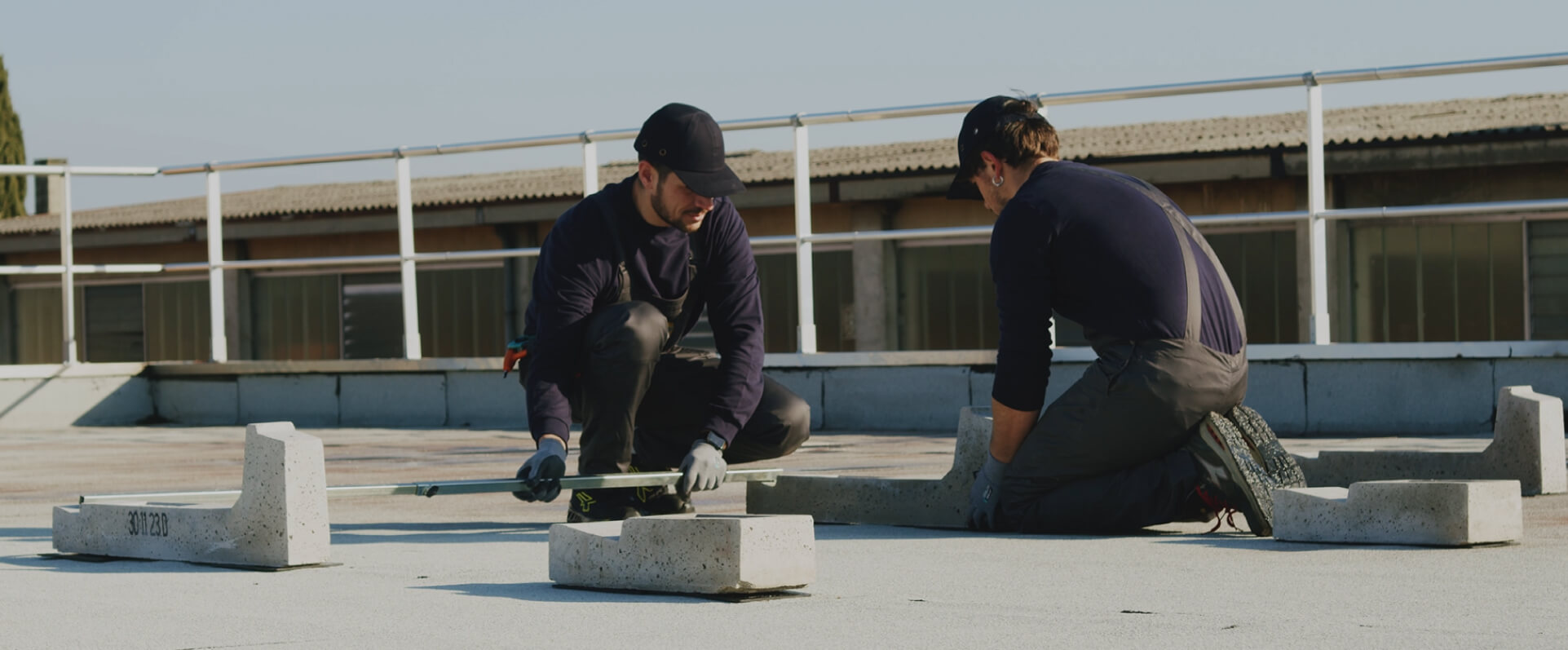
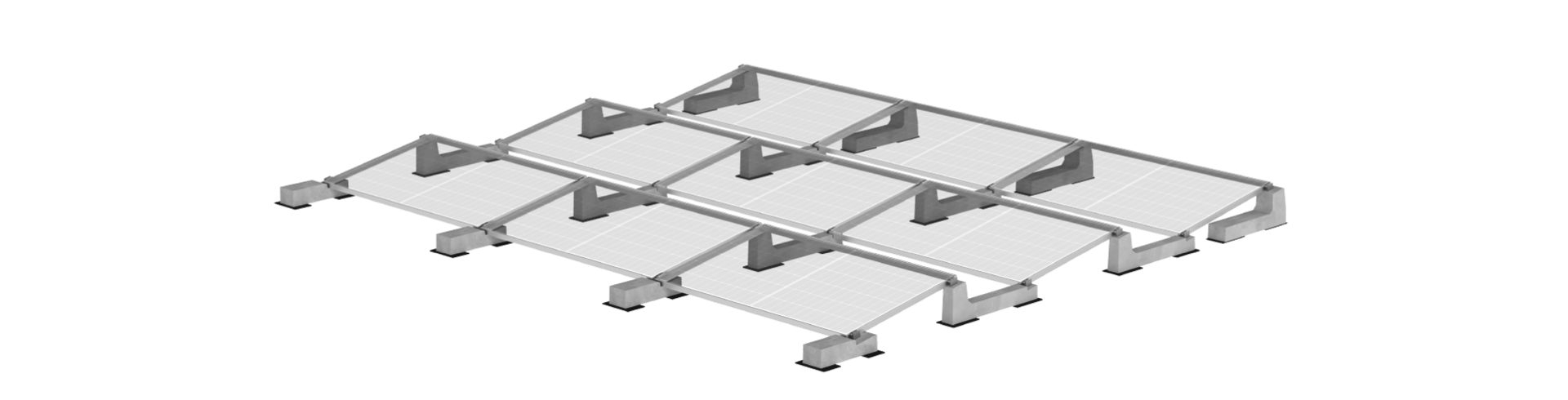
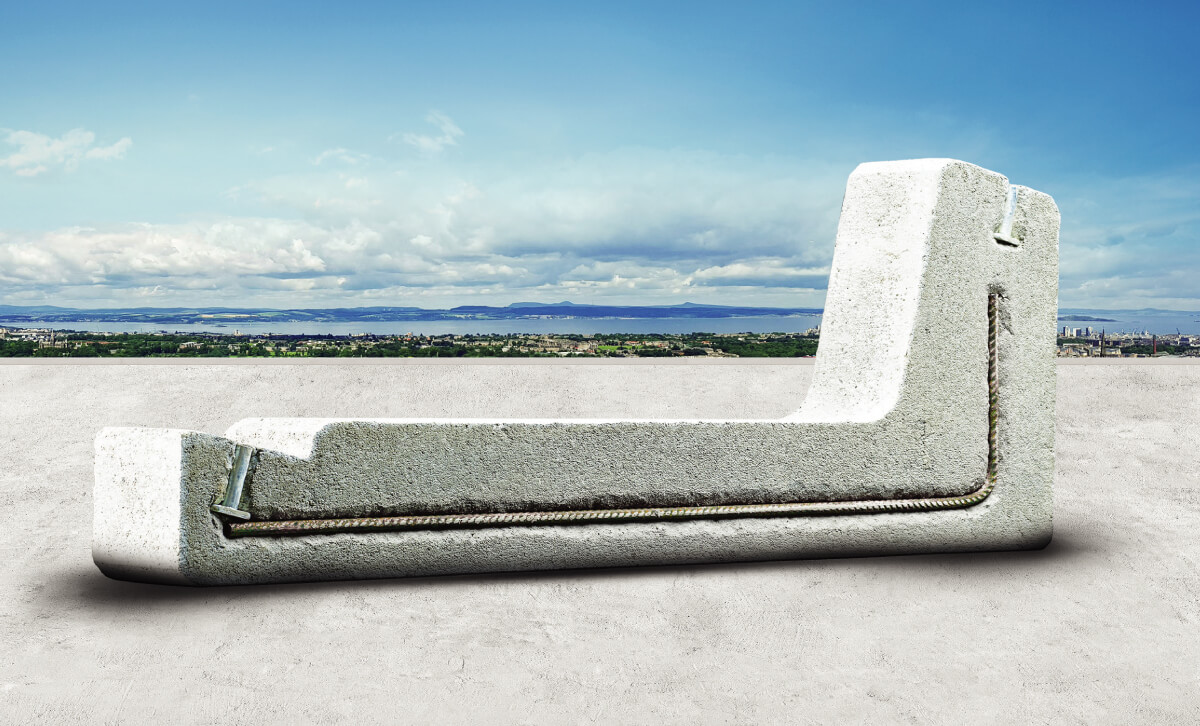
from the first pallet opened. On-site, that means pre-engineered concrete ballasts that act as
stable supports, reducing the need for complex substructures. With fewer components, crews spend
less time sorting hardware and more time setting modules. Because the roof membrane isn’t
punctured, you also reduce the risk of water ingress—an issue that can quickly turn a profitable
job into an expensive problem. Look for solutions designed specifically for flat roofs, with
options for different tilt angles, orientations, and row spacing to balance energy yield,
shading management, and roof constraints. Another practical advantage is predictable logistics:
stable, robust elements that simplify staging and positioning on the roof. For technical teams,
the right system is backed by tested performance, clear installation manuals, and dependable
figures for structural checks. In short: fast mounting, straightforward layout, and a lower
chance of unexpected site delays.
A Complete B2B Support Model: From Design
Assistance to Execution
Speed on the roof is only part of the story. The best Quick
installation solar racking system is supported by a B2B partner that helps you from the early
design phase through final execution. That includes technical assistance for system sizing,
guidance on wind and load considerations, and project development support that makes decisions
easier for installers and engineers. When questions arise—about roof constraints, array
configuration, or component selection—having responsive technical and commercial support keeps
the project moving and reduces risk. This approach is especially valuable in Italy’s varied
building stock, where flat roofs can differ widely in surface type, parapets, and load limits.
By combining a no-penetration ballast solution with expert-backed planning, you can deliver
faster installations, cleaner handovers, and more satisfied clients—while protecting margins
through reduced labor and fewer surprises. For professionals who want reliability, simplicity,
and ongoing innovation in flat-roof PV, a quick-install racking strategy is a competitive
advantage you can use on every job.