Solar PV Mounting That Makes Flat-Roof Jobs
Faster and Safer
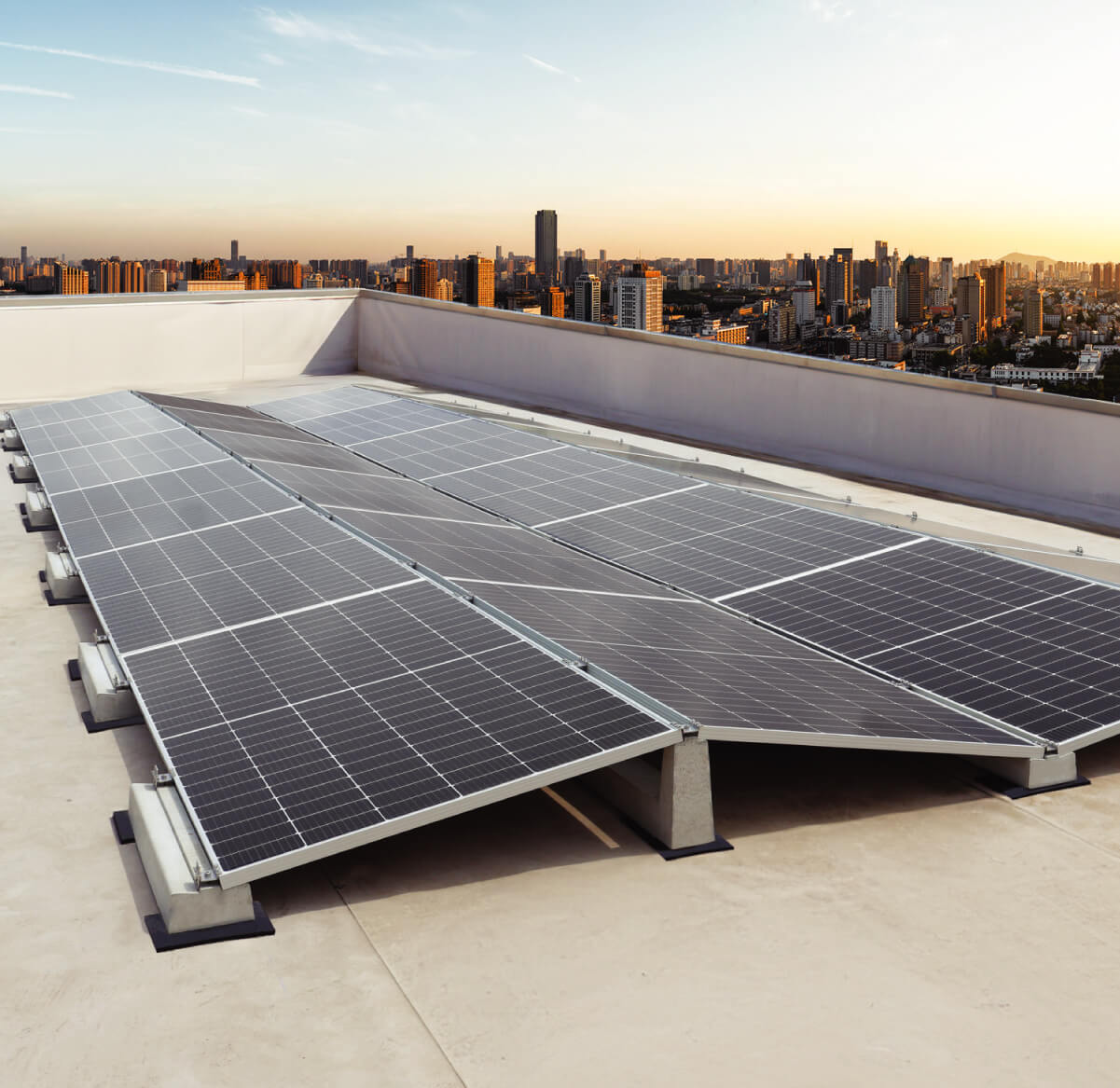
In Italy, flat roofs are everywhere—from industrial warehouses to
commercial buildings—and they’re ideal for photovoltaics, but only if the solar pv mounting
system is truly designed for them. Installers and designers know the typical pain points: too
many parts, slow assembly, and the constant concern of roof penetrations that can lead to leaks
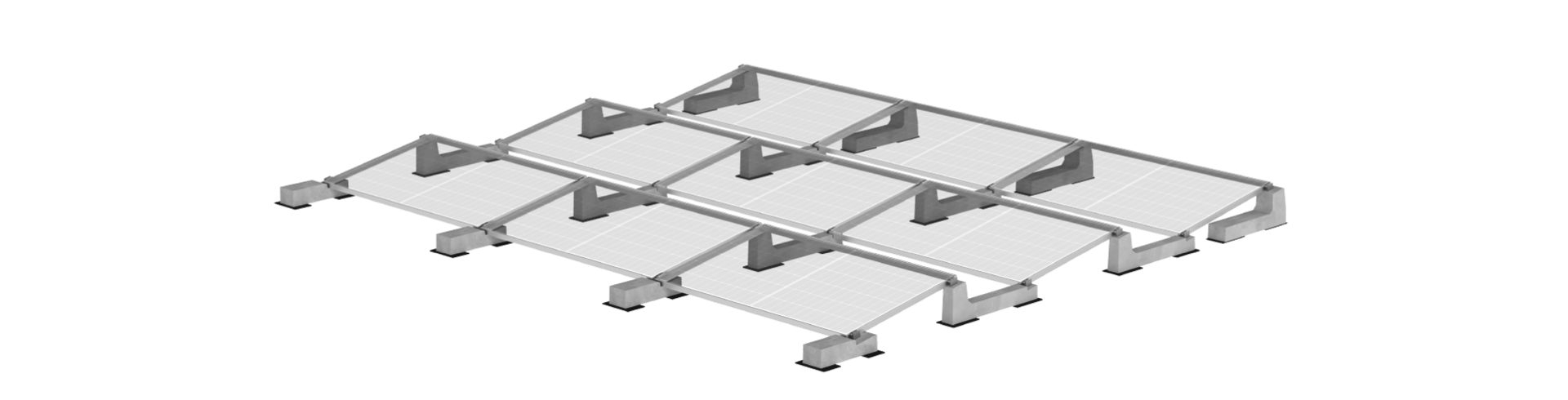
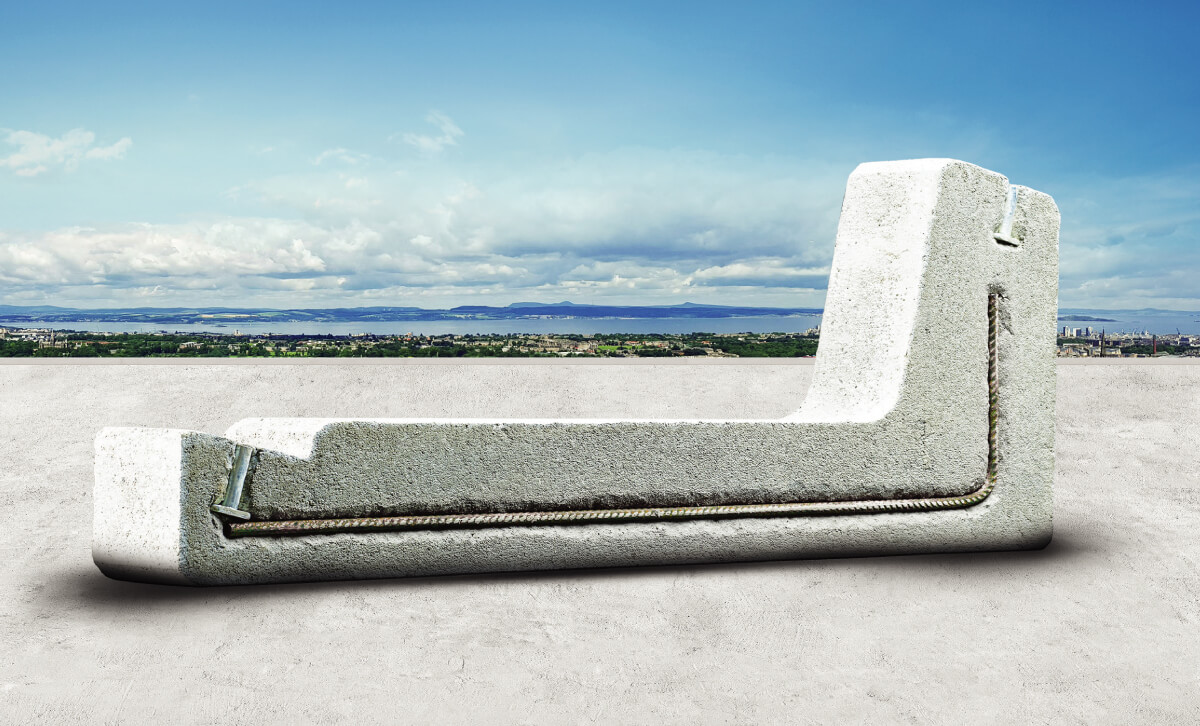
and callbacks. A ballast-based approach changes the game. By using pre-engineered concrete
weights to secure the modules, you can install PV arrays without drilling into the membrane,
reducing risk and keeping the roof warranty conversation simpler. The result is a cleaner
jobsite workflow: fewer components to manage, quicker layout, and less time spent on complex
substructures. For professionals working under tight schedules, this translates into higher
daily productivity and more predictable commissioning. For engineering teams, it means a
mounting method that aligns with structural constraints and supports accurate load planning. And
for distributors, it’s a product category that’s easy to explain and consistently requested in
the market. If you’re looking for solar pv mounting on flat roofs that balances speed, safety,
and reliability, ballast-supported systems are a practical, proven option for the Italian
climate and construction landscape.
Why Ballasted Solar PV Mounting Reduces
Complexity On Site
A well-designed ballasted solar pv mounting solution simplifies
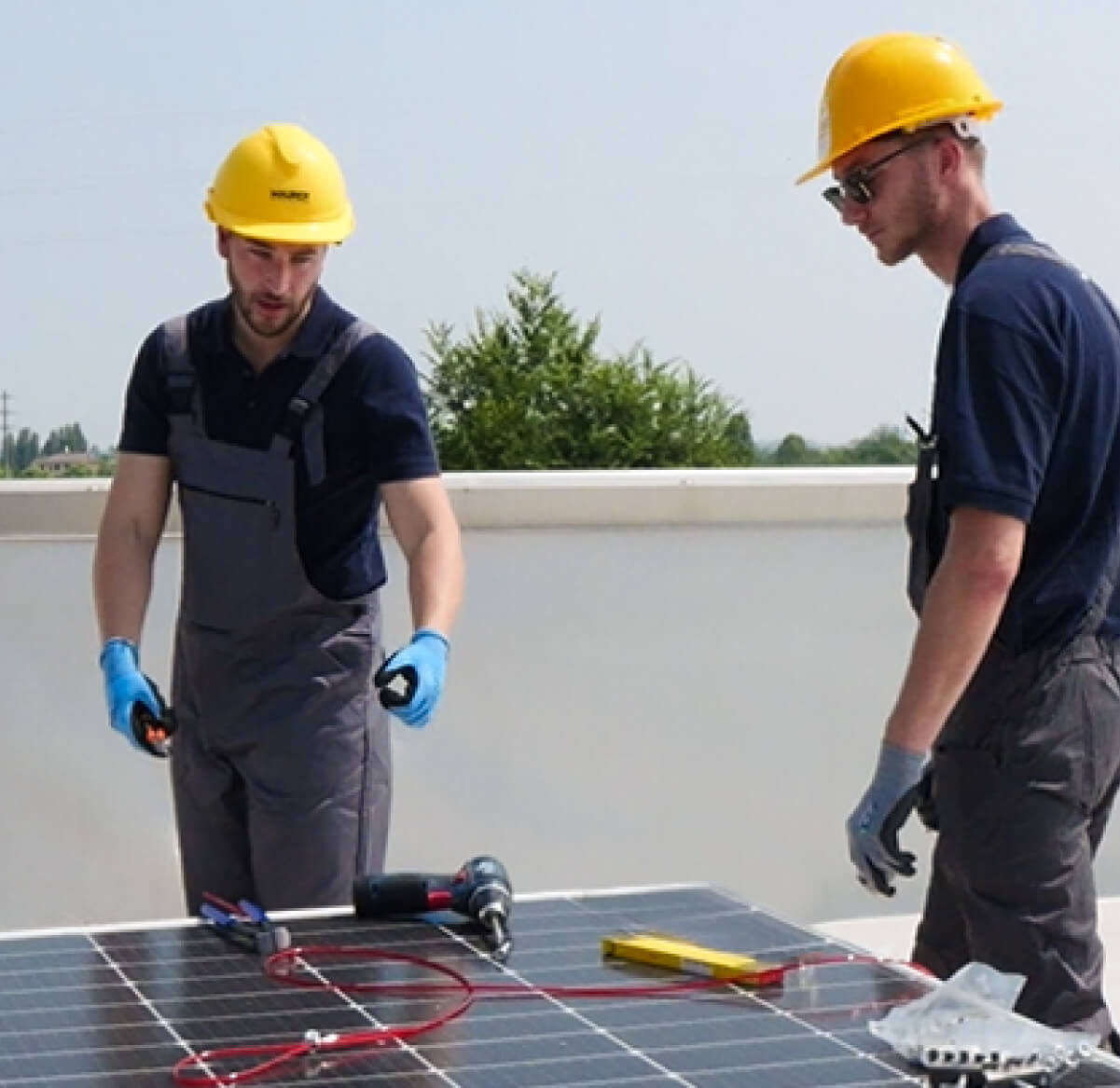
installation because it removes the most delicate step: fastening into the roof. With no
penetrations, crews avoid flashing details and the coordination issues that come with
waterproofing. Concrete ballast blocks are built to be robust, durable, and stable, helping the
array resist wind uplift while keeping the structure straightforward. This “less is more”
philosophy is especially valuable on large flat roofs where repetition and speed matter.
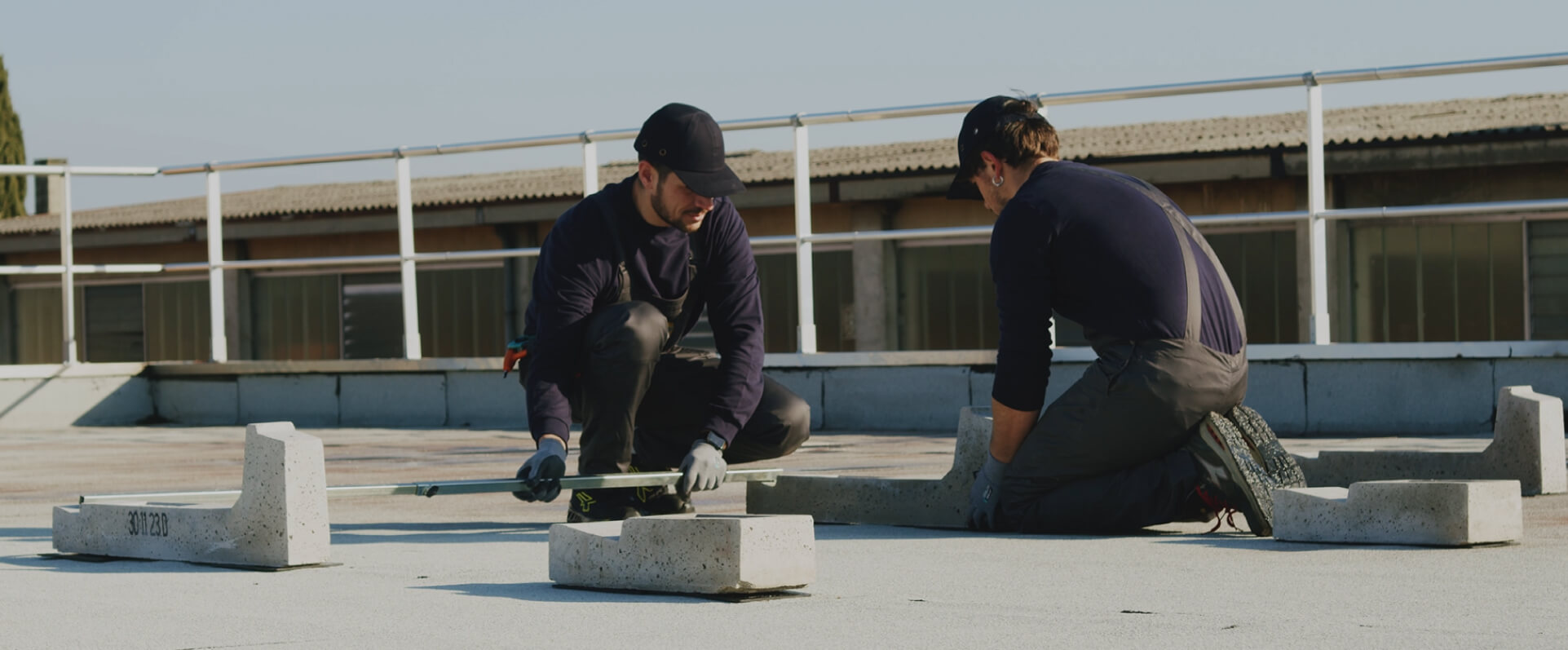
Installers can standardize their process—position, align, clamp—without juggling a long bill of
materials. Designers benefit too: tested configurations and reliable technical data make it
easier to address wind loads, roof load limits, and array layout choices such as tilt angle and
row spacing. When technical support is available during design and sizing, the overall project
risk drops and decision-making becomes faster. In practice, the right mounting partner doesn’t
just ship hardware; they help you move from concept to execution with fewer surprises.
Choosing the Right Solar PV Mounting Partner
for B2B Projects in Italy
For B2B professionals in Italy, selecting a solar pv mounting
system is about more than price—it’s about certainty. You need a solution that’s engineered for
flat roofs, backed by dependable documentation, and practical to install under real site
conditions. Look for solid, long-lasting components, a system that minimizes parts, and options
tailored to different roof types and project goals. Equally important is the support around the
product: help with preliminary design, system sizing, and project development all the way to
execution. That kind of partnership saves time for installers, reduces calculation burden for
engineers, and improves confidence for distributors recommending the solution. If your priority
is fast installation, fewer on-site complications, and a no-drill approach that protects the
roof, a concrete-ballasted mounting strategy is a smart path. To evaluate configurations and get
technical guidance for your next flat-roof PV project, explore the resources and solutions
available on www.sunballast.com.