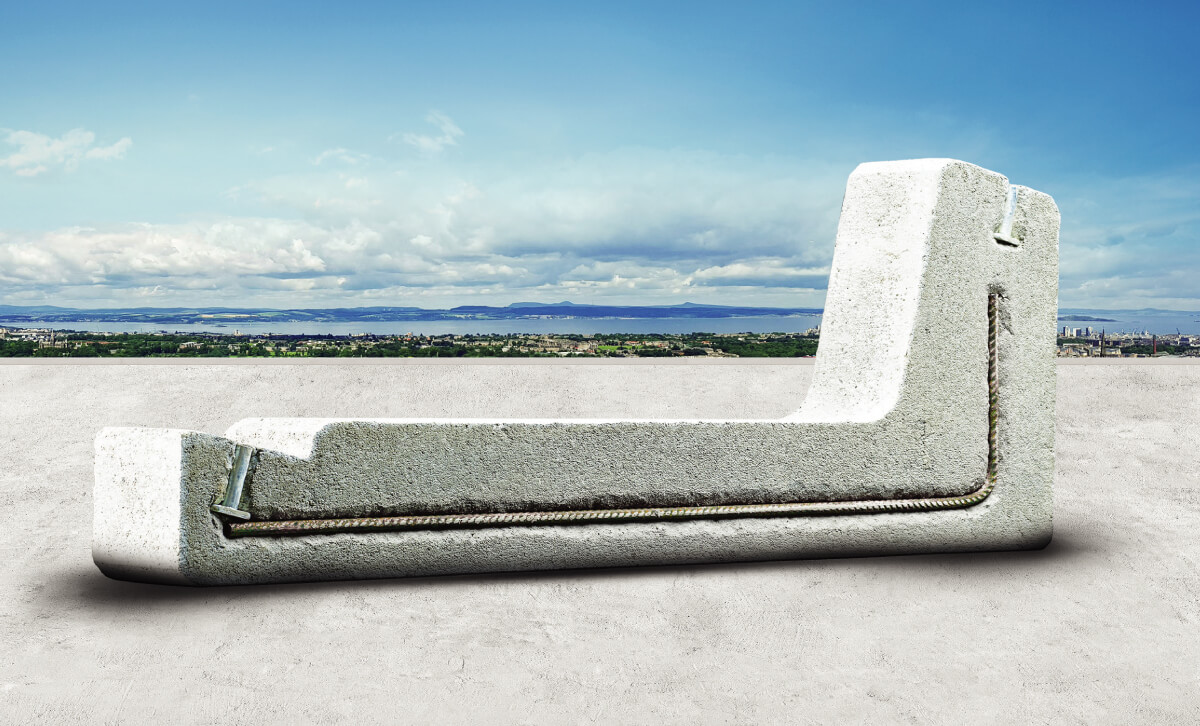
A smarter solar PV mounting structure for flat
roofs
On flat roofs, every decision affects speed, safety, and long-term
performance. A well-designed solar pv mounting structure can simplify the whole job, especially
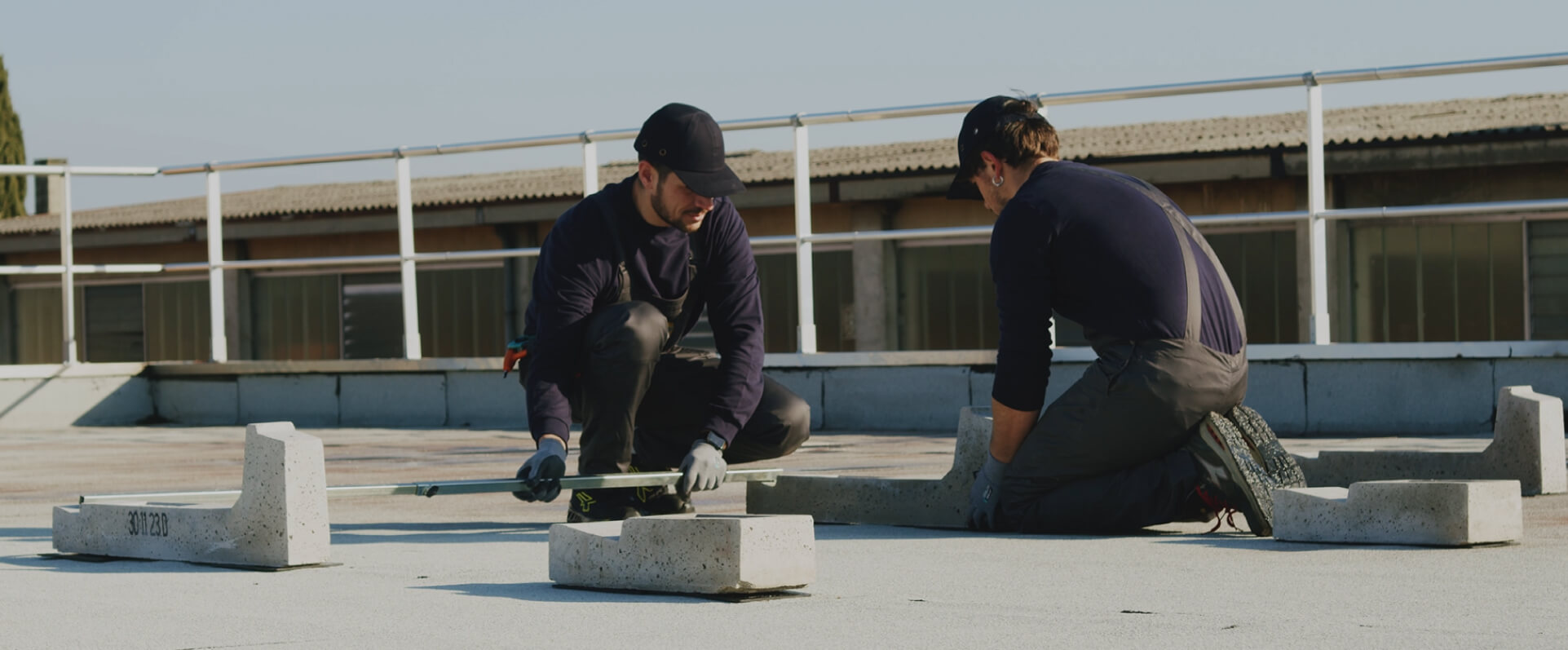
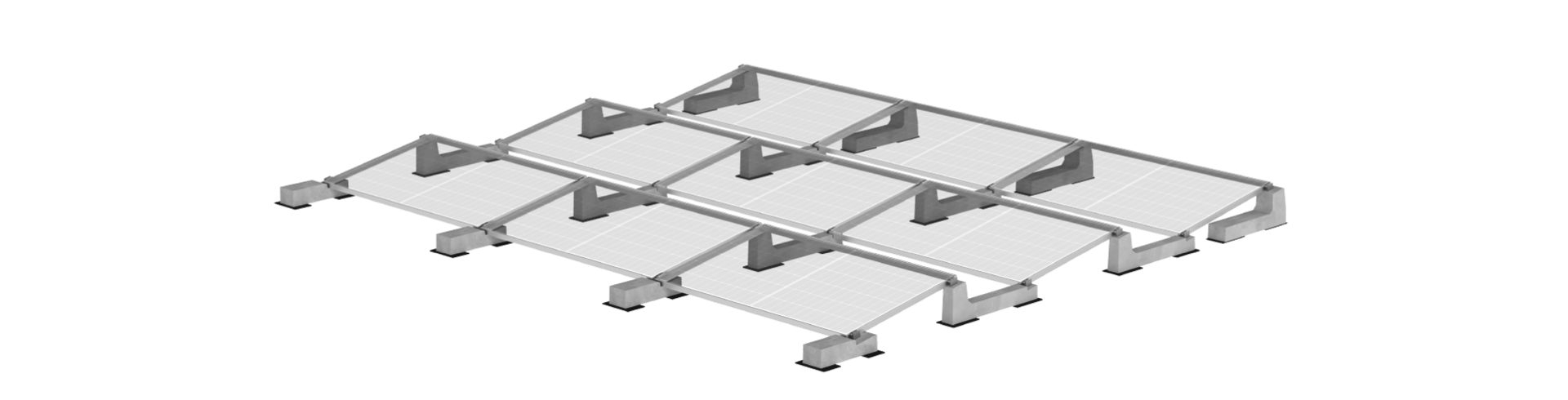
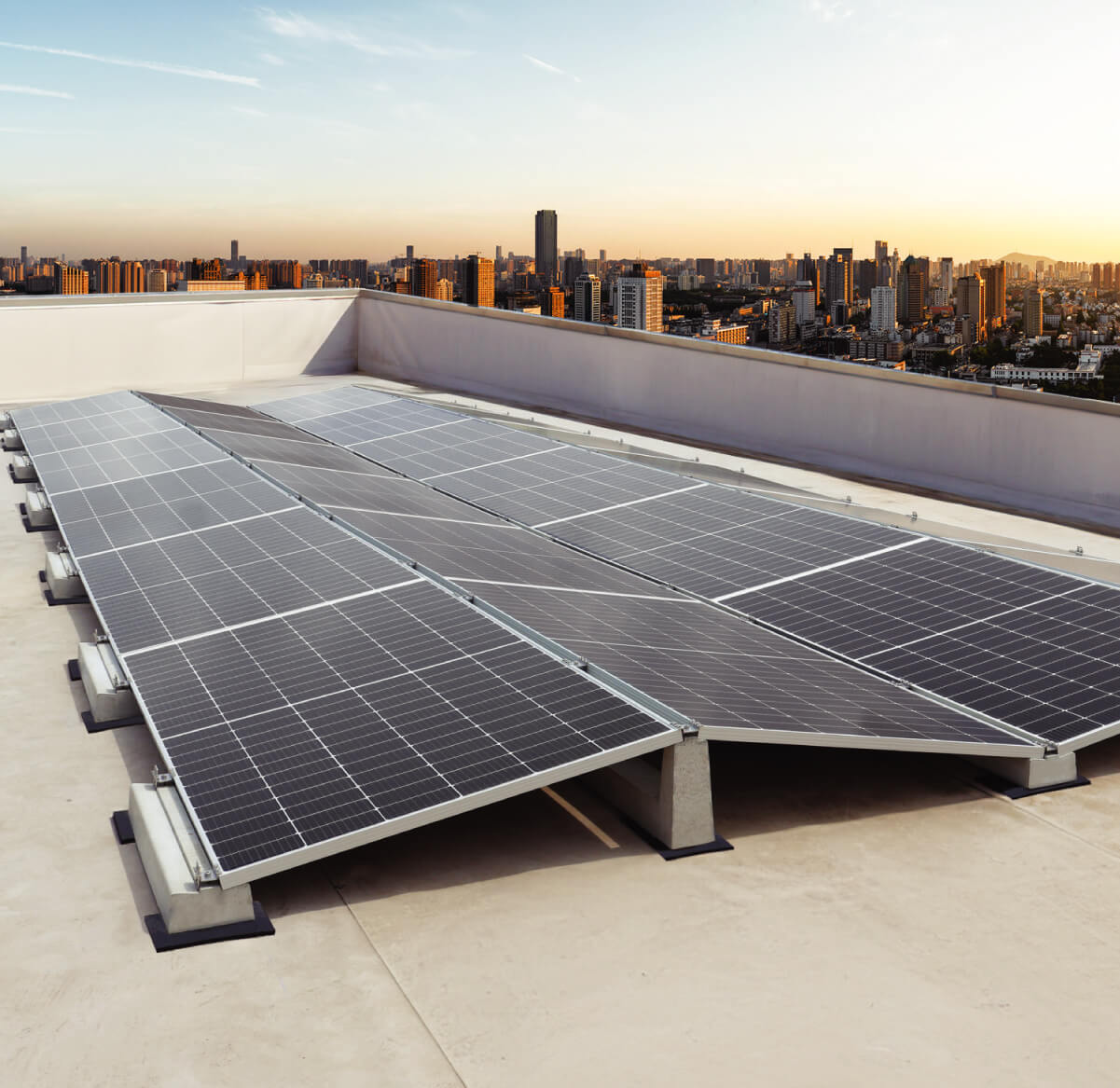
when you want to avoid roof penetrations. Ballasted mounting solutions use concrete weights to
keep PV modules stable without drilling the membrane, reducing the risk of leaks and cutting
time on site. For installers, that means fewer steps, fewer components to manage, and smoother
logistics from delivery to commissioning. For designers and engineers, it means a system built
around predictable roof loads, wind considerations, and repeatable installation details. In the
Italian market, where many commercial and industrial buildings have flat rooftops, a
non-penetrating PV racking approach helps you deliver clean, professional results while
protecting the roof warranty. The right mounting structure is not just metal and concrete—it’s a
complete method for positioning panels, selecting tilt angles, organizing rows, and planning
cable routes so crews can work faster and safer. If your goal is to install more projects per
month, reduce call-backs, and keep the roof intact, it starts with choosing a mounting system
engineered specifically for flat-roof photovoltaics.
Why installers and designers prefer ballasted
PV racking
A ballasted solar pv mounting structure is built for real-world
site pressures: limited roof access, strict timelines, and the need to keep everything
watertight. By eliminating drilling, you remove one of the biggest sources of installation risk.
Crews can place supports, align modules, and secure the array with a straightforward
workflow—ideal for retrofit jobs and large rooftops. Technical teams also benefit: reliable
documentation, tested configurations, and support during system sizing help manage wind uplift,
distributed loads, and layout constraints. Related solutions such as flat roof PV mounting,
concrete ballast supports, non-penetrating solar racking, and modular mounting components make
it easier to adapt the plant design to different roof geometries and parapet heights. The result
is a more predictable project: easier planning, fewer surprises, and better control over labor
hours.
A complete approach: from sizing to execution
(without naming a brand)
In B2B photovoltaics, professionals don’t just need hardware—they
need a partner-like workflow. The best solar pv mounting structure programs include pre-design
assistance, project development support, and practical guidance right through execution. That
means help choosing tilt, optimizing spacing to reduce shading, verifying roof load limits, and
selecting configurations that meet performance and safety targets. For distributors, a proven
flat-roof mounting solution is easier to explain, easier to stock, and easier to support after
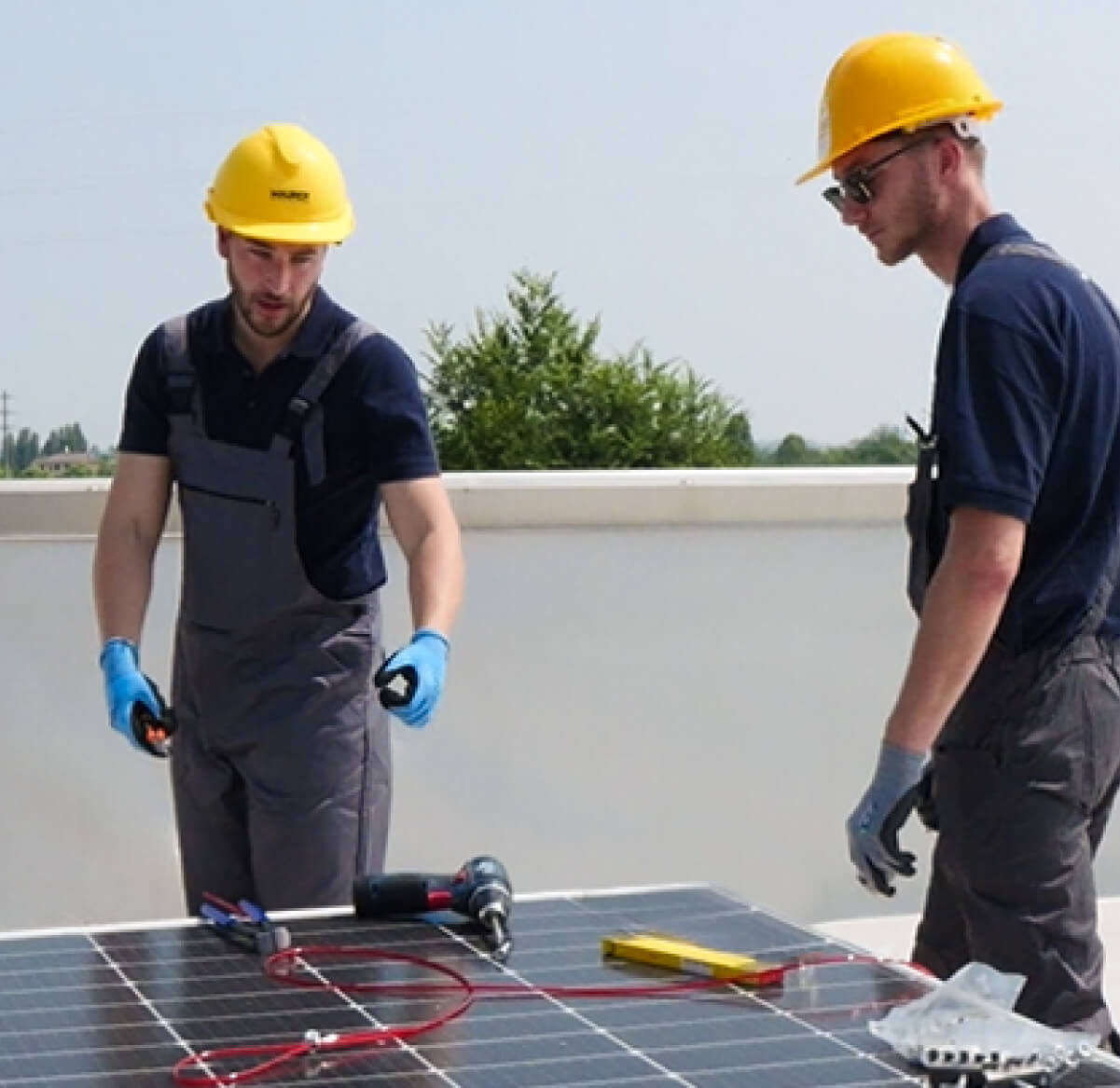
the sale. For installers, it’s about speed and confidence: fewer parts, intuitive assembly, and
a system engineered to stay stable over time. If you’re working on flat roofs in Italy and want
to reduce complexity while delivering dependable arrays, choose a ballasted mounting structure
designed to make installation faster, safer, and more repeatable—project after project.