Why a Flat-Roof Mounting System Matters in
Italy
Choosing the right solar pv mounting structure for solar panel
installations on flat roofs in Italy is not just a hardware decision—it directly impacts safety,
timelines, and long-term performance. Installers know the real challenge: achieving a secure PV
array without turning the roof into a risk zone. Penetrating membranes can lead to leaks,
call-backs, and costly disputes, especially on industrial sheds and commercial buildings where
downtime is unacceptable. That’s why non-penetrating ballast solutions have become a preferred
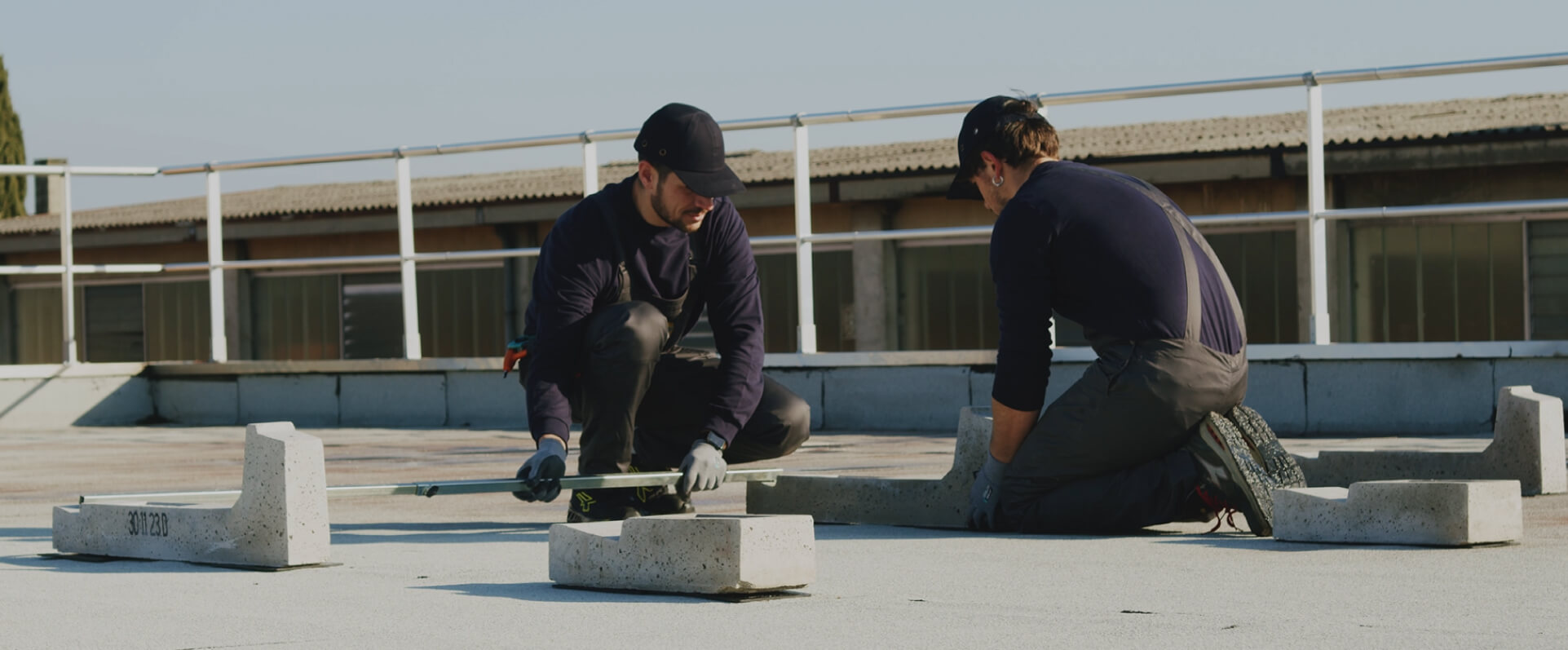
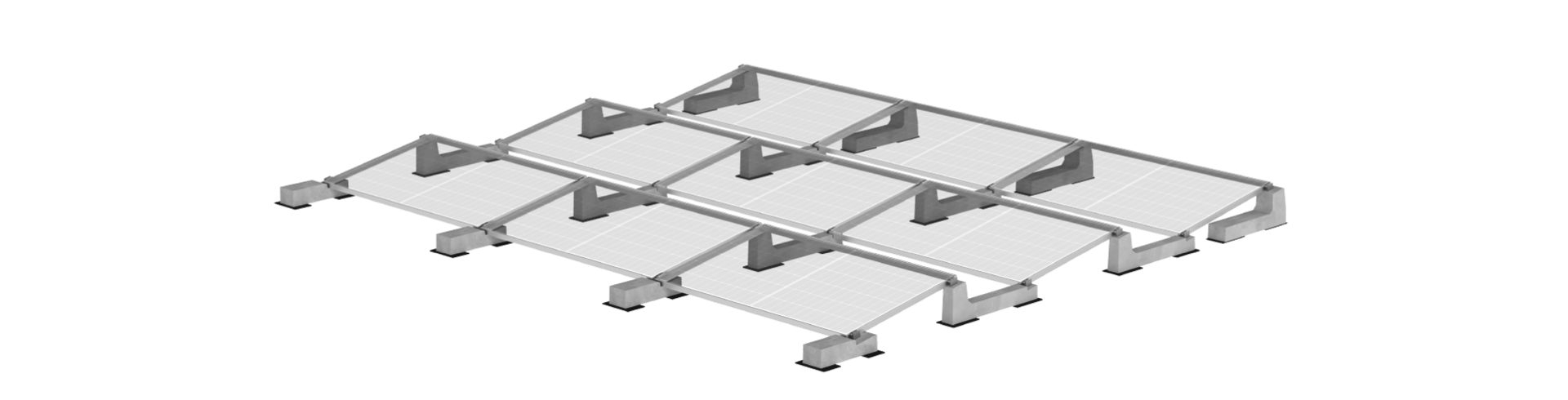
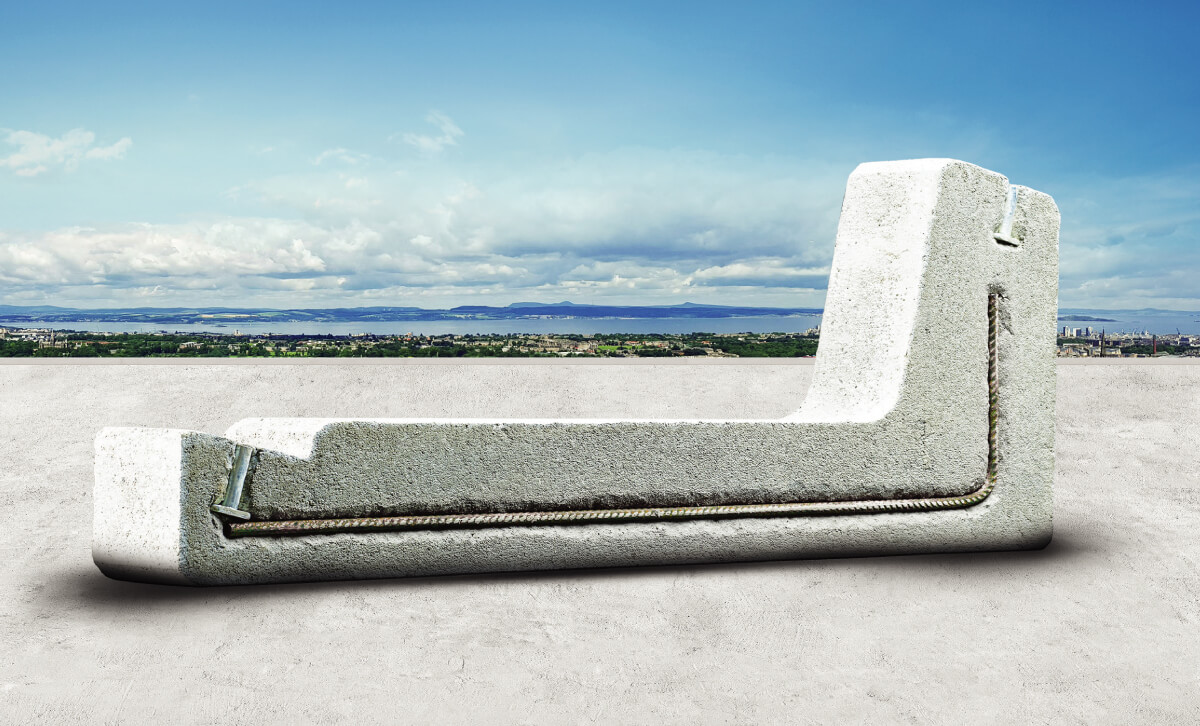
approach for many flat-roof projects. By using engineered concrete weights to hold the modules
in place, you can reduce roof stress, simplify logistics, and speed up on-site work. Fewer
parts, fewer tools, and a more predictable workflow mean crews can complete more jobs per
month—without sacrificing quality. For designers and engineers, a well-designed mounting
solution also means clearer load paths, more reliable wind uplift behavior, and documentation
that supports responsible sizing. In short, the right mounting structure turns a complex rooftop
PV project into a repeatable, controllable process. If your goal is to install faster, reduce
installation errors, and keep the roof intact, starting from the correct flat-roof PV mounting
strategy is the smartest move.
Key Features Professionals Look For
A solar pv mounting structure for solar panel systems should be
evaluated like any other engineered component: performance, reliability, and ease of execution.
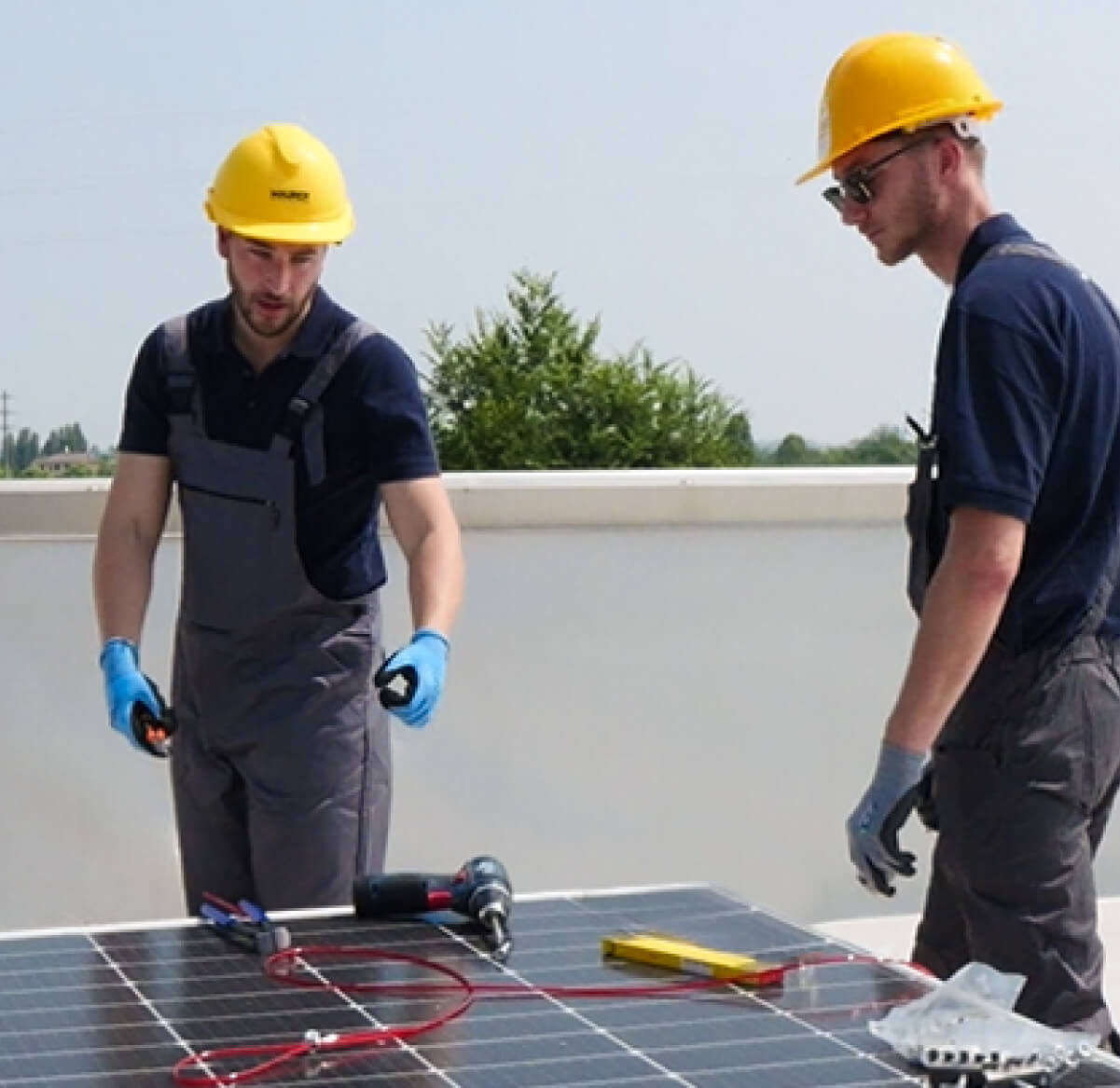
For installers, the biggest win is speed—systems designed with fewer components and intuitive
assembly reduce labor hours and help avoid bottlenecks on the roof. For technical teams, the
priorities shift to structural loads, wind calculations, and compliance-ready technical data. In
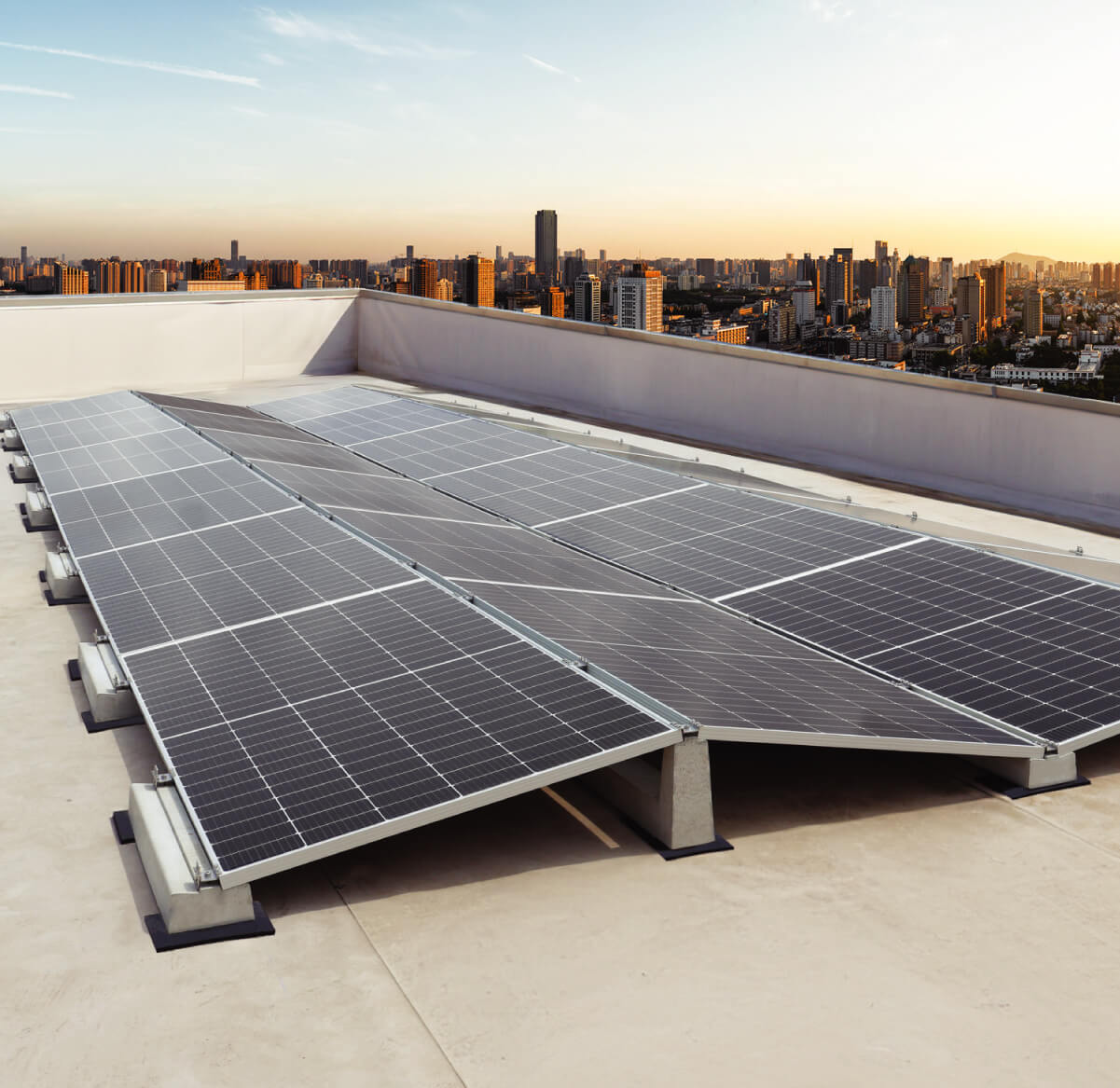
flat-roof applications, ballast-based PV racking can offer a strong advantage: it can secure the
array without mechanical fixings, helping preserve waterproofing layers and reducing the risks
tied to penetrations. Look for solutions that are tested, durable, and suitable for different
module orientations and tilt angles, so you can optimize energy yield while respecting roof
constraints. Equally important is getting real support during design: accurate sizing for wind
and dead loads, layout guidance, and project assistance from concept to execution. When
technical support is part of the process, responsibility is clearer, decisions are faster, and
projects run smoother. Ultimately, the best mounting structures are the ones that let teams work
with confidence—on the drawings, on the roof, and after commissioning.
A Faster, Safer Path from Design to
Installation
In the Italian B2B PV market, professionals don’t need “just a
product”—they need a solution that reduces complexity from day one. A solar pv mounting
structure for solar panel arrays on flat roofs should help you standardize installations,
minimize surprises, and keep quality high across multiple sites. Ballasted concrete supports are
designed to streamline field operations: no drilling into the roof, no waiting on curing times,
and no complicated substructures that slow down crews. That translates into fewer installation
steps, a cleaner worksite, and a lower probability of errors that cause rework. For engineers
and project managers, having access to dependable technical data and project support helps
reduce design risk and accelerates approvals. For distributors, solutions that are recognizable,
in steady demand, and backed by competent assistance are easier to stock and sell. If you’re
planning your next flat-roof photovoltaic project, prioritize mounting structures that are
proven, quick to install, and supported by real technical know-how. The result is simple: safer
roofs, faster timelines, and a PV system that performs as expected—season after season.