A Faster, Safer Solar PV Mounting System for
Flat Roof Projects
On Italy’s flat roofs, speed and simplicity are everything. A
well-designed solar pv mounting system can mean the difference between a smooth installation day
and a jobsite full of delays, extra parts, and waterproofing worries. For many installers and
designers, the main challenge is clear: how to secure photovoltaic panels without drilling into
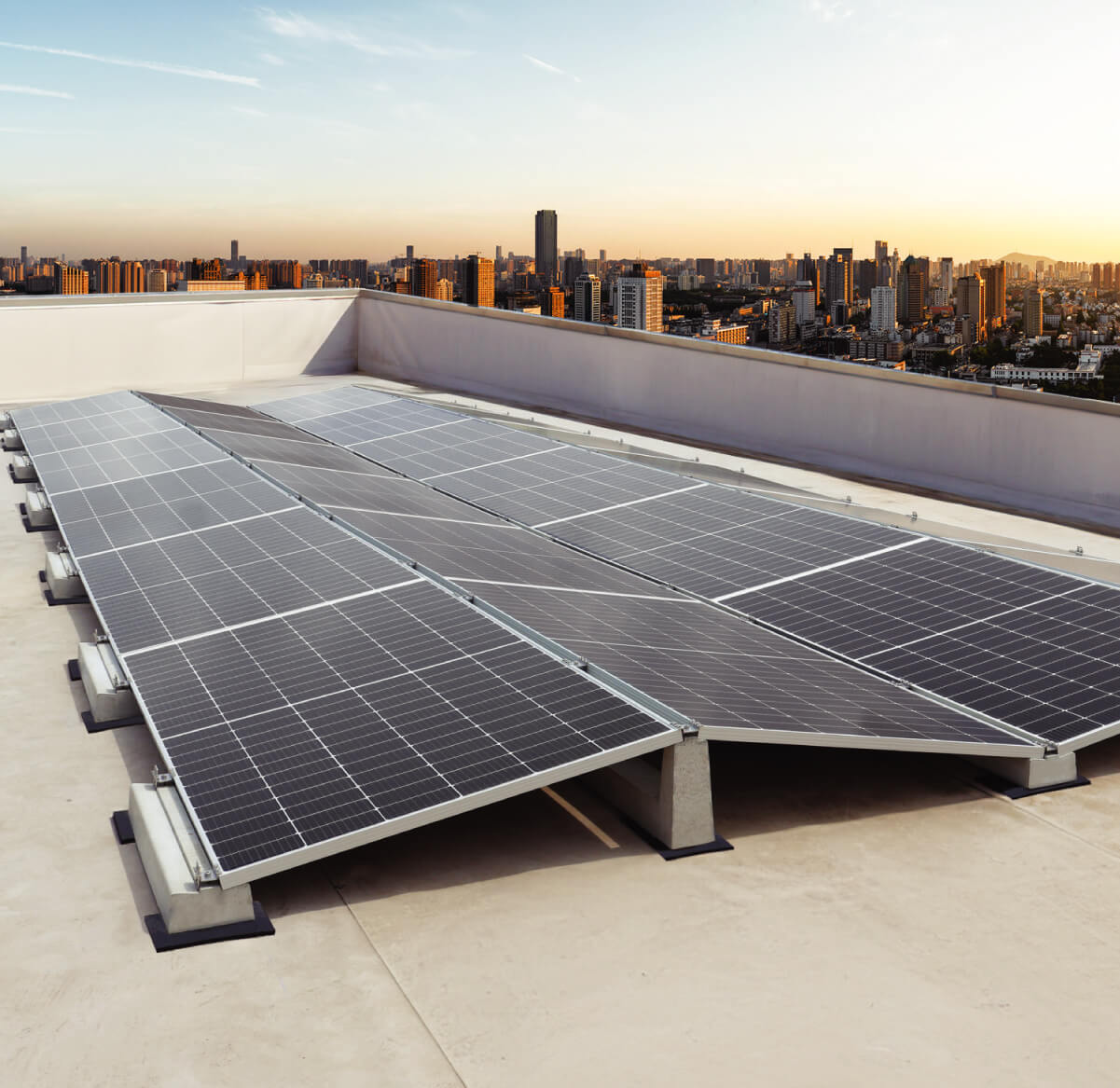
the roof membrane. That’s where non-penetrating, ballasted mounting solutions make a real
impact. Concrete ballast supports help keep the PV array stable while reducing the risk of
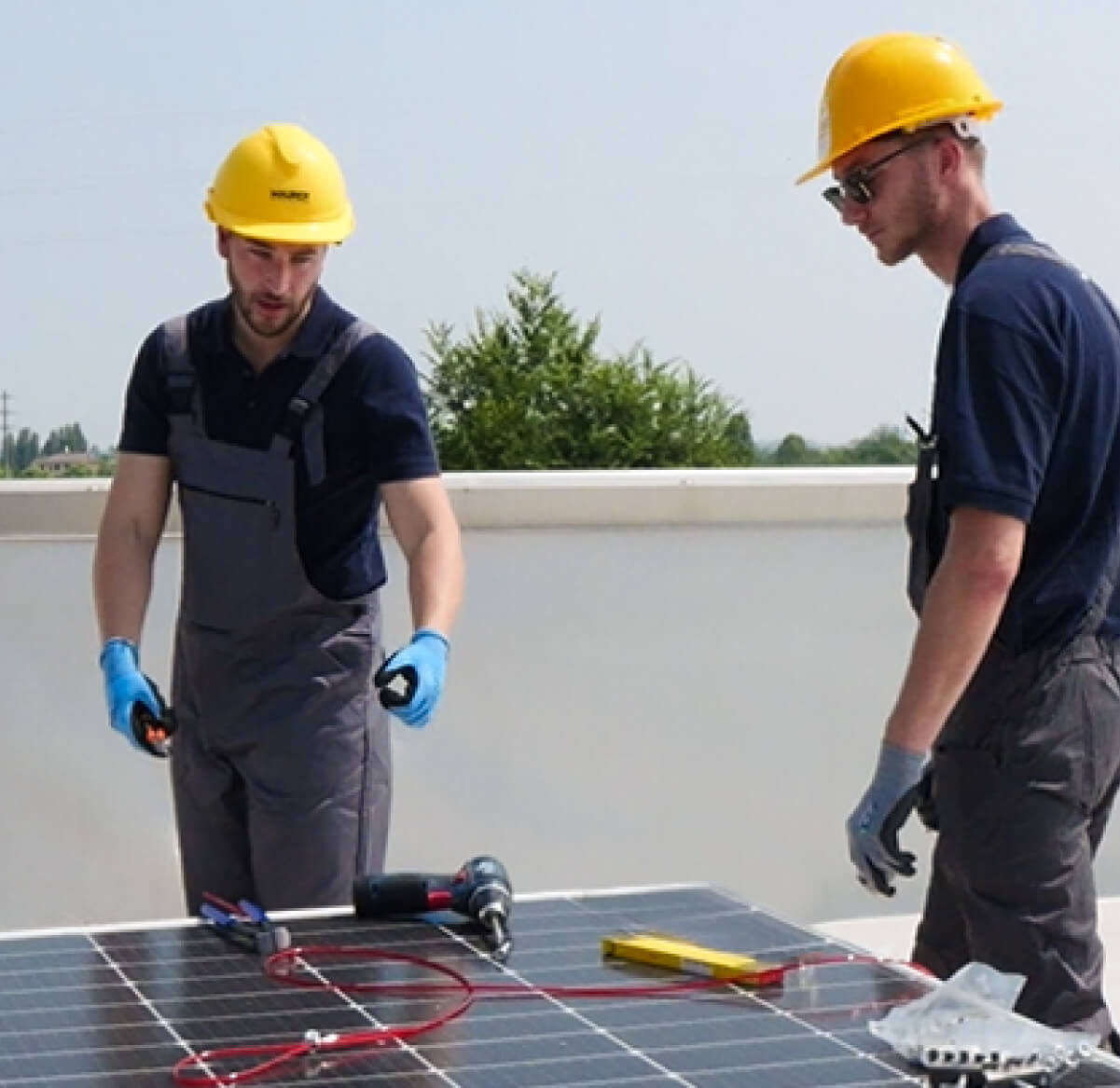
leaks, callbacks, and costly repairs. With fewer components and an intuitive layout, teams can
place, align, and connect modules faster—especially on commercial buildings, warehouses, and
industrial sheds where flat roof space is abundant. Beyond installation speed, you also need
predictable performance. A reliable solar pv mounting system is engineered to manage wind
uplift, distribute loads correctly, and maintain the right tilt angle for energy yield. When the
structure is already tested and designed for real rooftop conditions, the whole project becomes
easier to plan and faster to deliver. The result is a practical approach to rooftop solar in
Italy: less complexity on site, fewer risks for the roof, and a mounting structure that feels
like a complete solution—not just a list of parts.
Non-Penetrating Concrete Ballasts: Fewer
Risks, Fewer Components
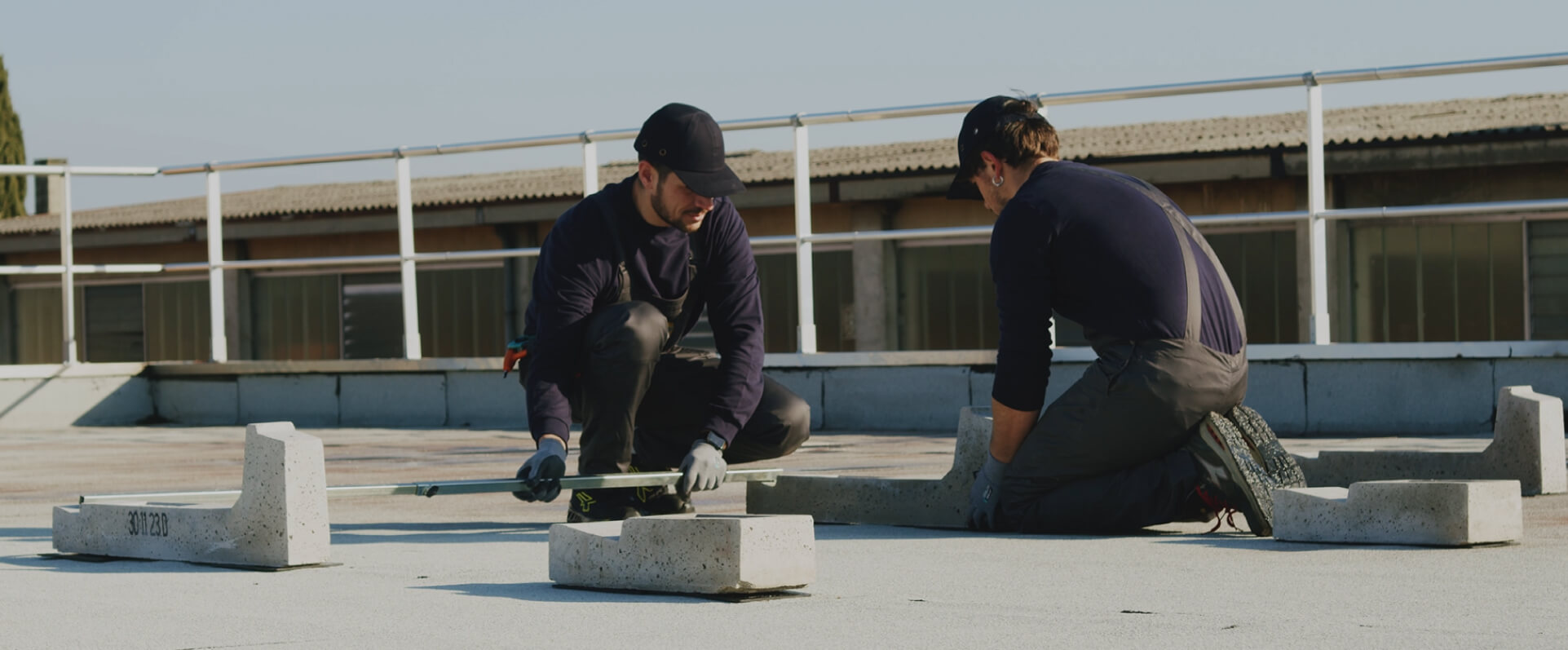
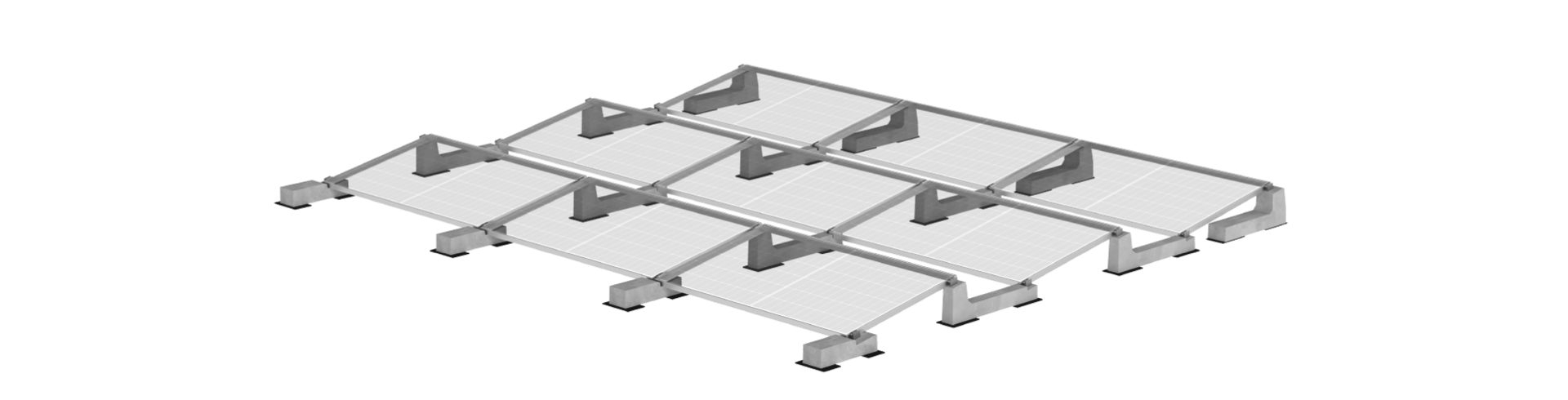
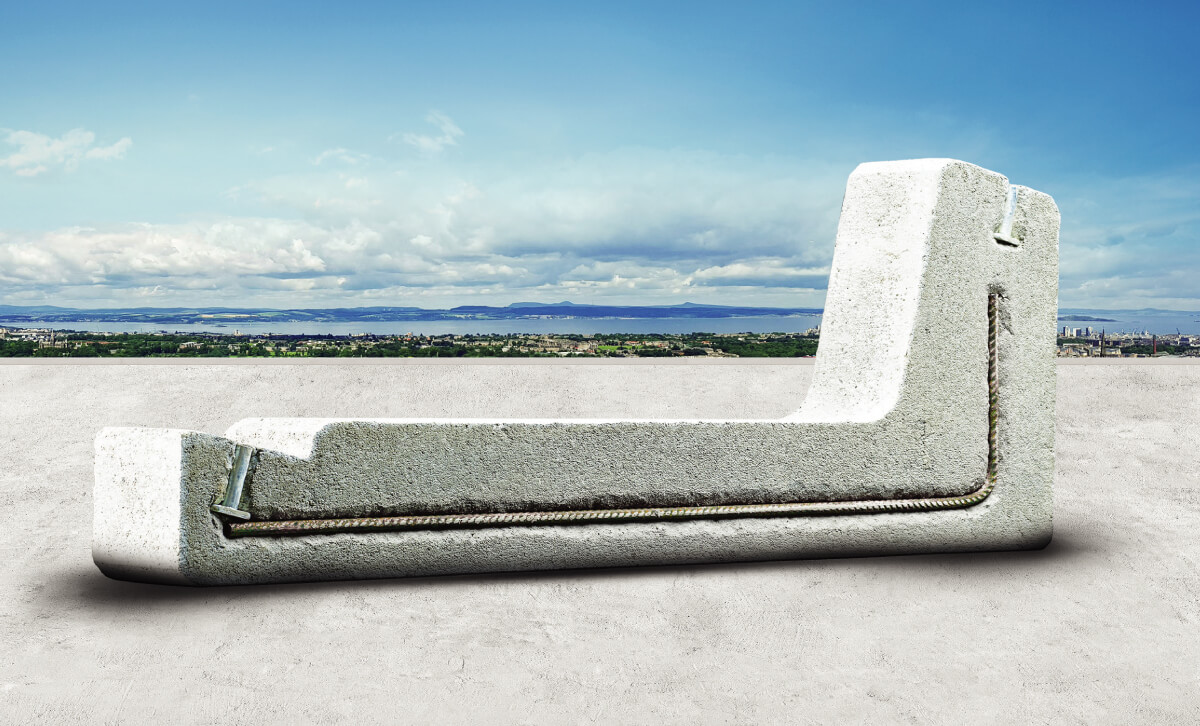
A ballasted photovoltaic mounting structure uses weight—rather
than roof penetrations—to keep the system in place. This approach is ideal when you want to
protect waterproofing layers and avoid creating thermal bridges or weak points. In practice,
concrete ballasts act as both support and stabilizer, simplifying the bill of materials and
reducing installation steps. For installers, that means fewer brackets, fewer fixings, and less
time spent measuring and drilling. For project managers, it means fewer unknowns and more
predictable timelines. A modern solar pv mounting system for flat roofs can also support
different panel orientations, tilt options, and layout strategies to match shading constraints
and roof geometry. When wind calculations and load distribution are backed by solid technical
data, engineers can specify solutions with greater confidence. The right system is not only
strong and durable—it’s designed to be straightforward on site, helping crews stay productive
even under tight schedules.
Technical Support That Helps You Design and
Deliver with Confidence
For B2B professionals in Italy—installers, engineers, and
distributors—choosing a solar pv mounting system is also about support. Reliable partners
provide technical guidance during design, accurate sizing for wind and loads, and clear
documentation that helps reduce responsibility risk. That support can continue through the
commercial phase and into execution, so the project doesn’t stall when questions arise. From
early layout decisions to final rooftop configuration, having access to tested solutions and
practical know-how saves time and prevents costly rework. If your priority is to install faster,
avoid roof penetrations, and deliver a clean, secure flat-roof PV array, a ballasted approach
with concrete supports is a compelling choice. It combines installation efficiency with rooftop
safety, while keeping the system durable and jobsite-friendly—exactly what professionals need to
scale photovoltaic projects without adding complexity.