Why Flat-Roof Solar Needs the Right Mounting
System
Choosing the right solar pv panel mounting systems is the
difference between a smooth flat-roof installation and a job full of delays, extra parts, and
unnecessary risk. In Italy, where commercial buildings and industrial sheds often have large
flat roofs, installers and designers need solutions that protect the waterproofing layer while
keeping projects on schedule. That’s why ballasted mounting is increasingly preferred: it avoids
roof penetrations, reduces the chance of leaks, and speeds up on-site operations. A
well-engineered ballast structure also helps manage wind loads and roof loads with predictable
performance, using tested components and clear documentation. For installers, that means fewer
tools, fewer fixing points, and a layout that’s easy to repeat across the roof. For engineers
and technical offices, it means dependable data for calculations and a safer design path. And
for distributors, it’s a product category that’s easier to explain and easier to stock, because
it solves a universal pain point: mounting PV modules on flat roofs without complicated
metalwork. When the system is designed as a complete solution—support, sizing guidance, and
project assistance—it becomes more than hardware: it becomes a practical way to reduce labor
time, simplify logistics, and deliver consistent results on every rooftop.
Ballasted Supports: Faster Installs, Fewer
Risks
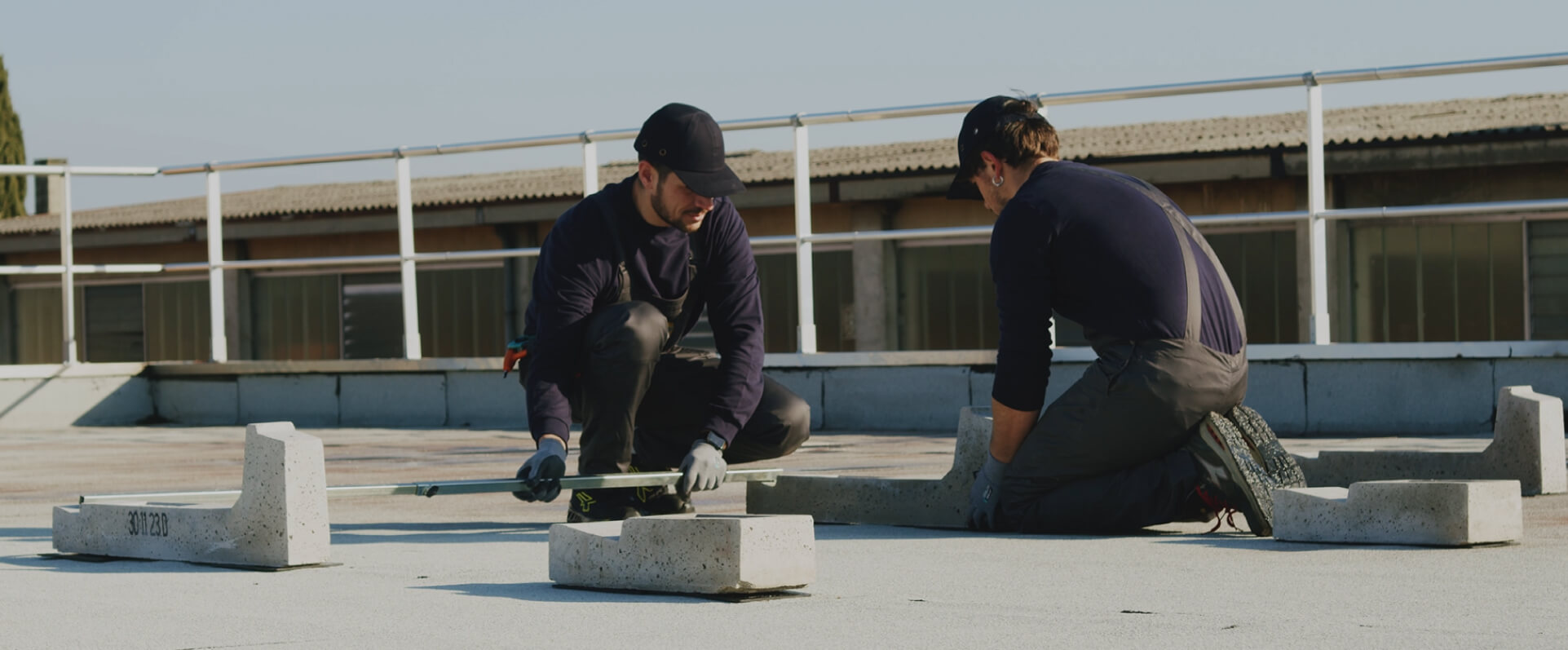
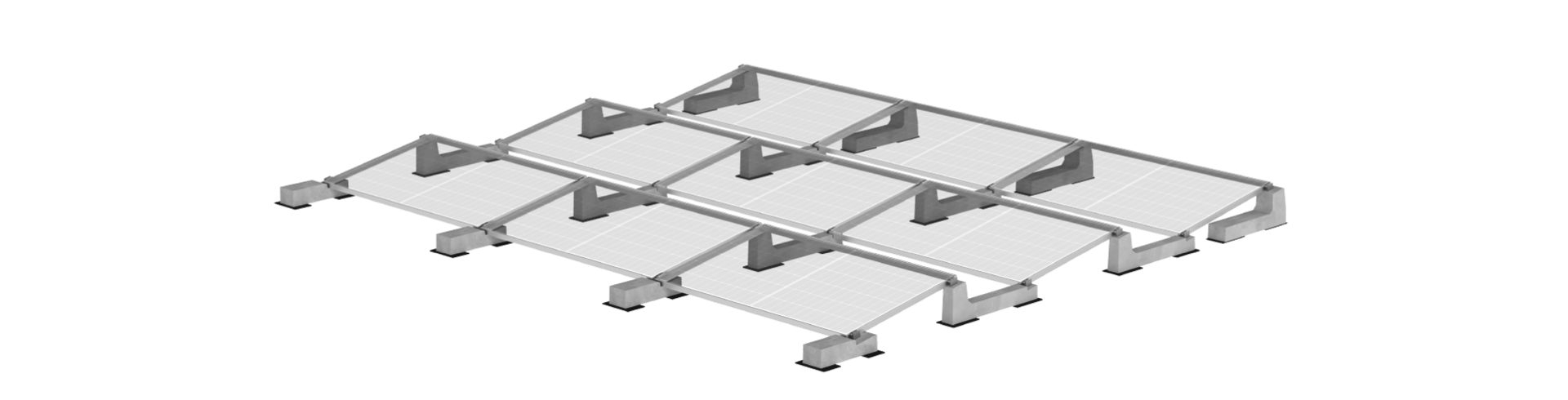
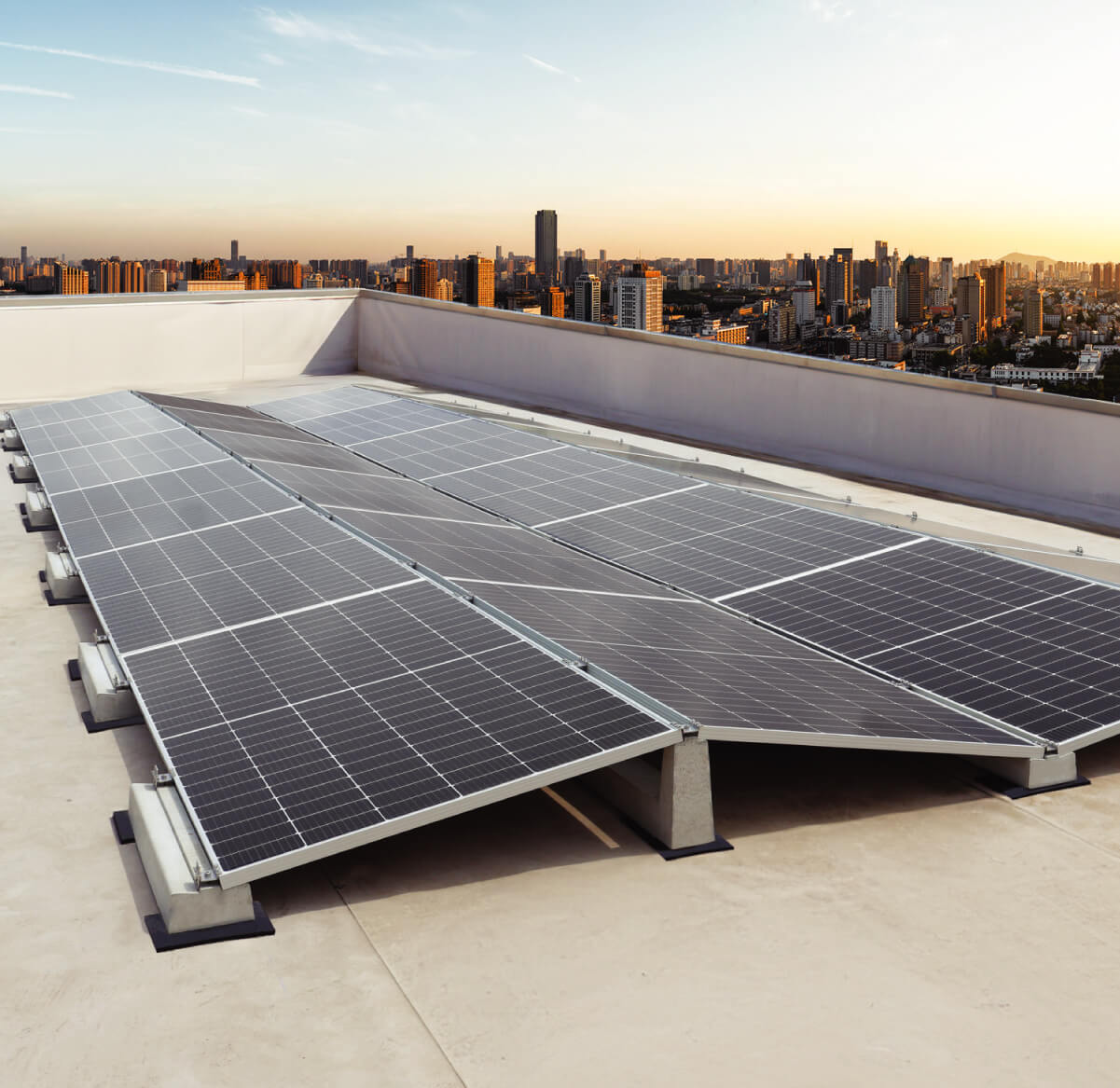
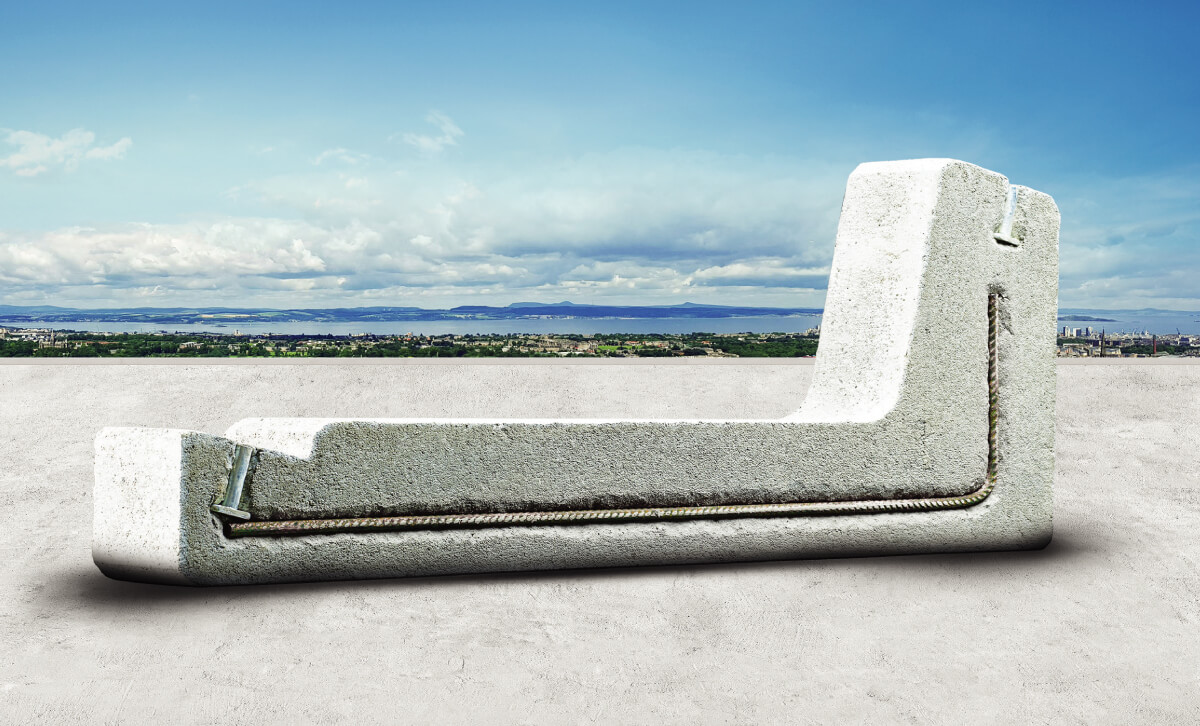
Modern solar pv panel mounting systems for flat roofs often rely
on precast concrete ballast supports that hold PV panels in place through weight and smart
geometry, rather than mechanical anchoring. The advantage is immediate: no drilling through the
membrane, no time lost on sealing, and fewer variables that can create call-backs later.
Installers appreciate the reduced component count and the intuitive assembly—especially on large
rooftops where every minute matters. At the same time, the structure must be designed to handle
wind uplift and to distribute loads correctly across the roof surface. That’s where certified
tests, technical datasheets, and reliable configuration options become essential. Whether you’re
working with south-facing tilt, east-west layouts, or mixed orientations to maximize yield, a
robust ballasted solution can adapt while keeping the installation process simple. The result is
a cleaner site, fewer installation errors, and a system that supports long-term durability. For
professionals working in the Italian market, these benefits translate into real competitive
advantage: quicker commissioning, easier project planning, and fewer complications during
inspections and handover.
A Technical Partner Approach for B2B
Professionals
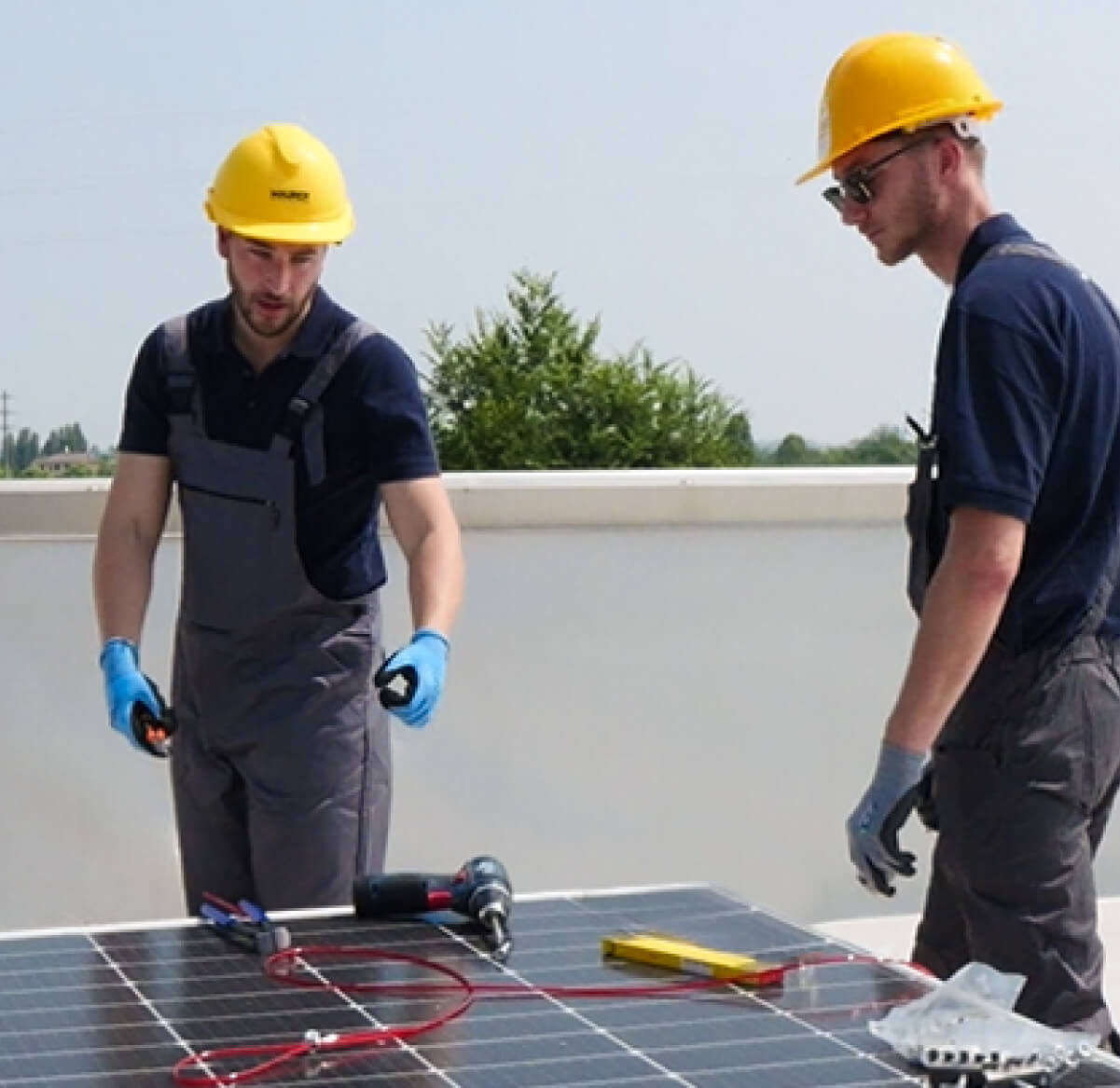
The best solar pv panel mounting systems are backed by more than
product availability—they come with practical technical support that helps installers,
designers, and distributors work with confidence. When you can access help during the design
phase, get guidance on system sizing, and develop the project through to execution, you reduce
uncertainty and speed up decision-making. That matters in B2B photovoltaic projects, where
responsibilities are shared and timelines are tight. For engineering teams, having dependable
inputs for wind and load assessments reduces risk. For installers, having a proven,
field-friendly solution means fewer surprises on the roof. And for wholesalers, consistent
demand is easier to serve when the system is recognizable, reliable, and supported with clear
documentation. If your goal is to make flat-roof PV simpler, safer, and more efficient, focus on
a solution that combines solid, durable ballast components with real-world installation
simplicity and ongoing innovation. Explore the options and technical resources available on
www.sunballast.com to plan your next flat-roof project with confidence—without compromising the
roof.