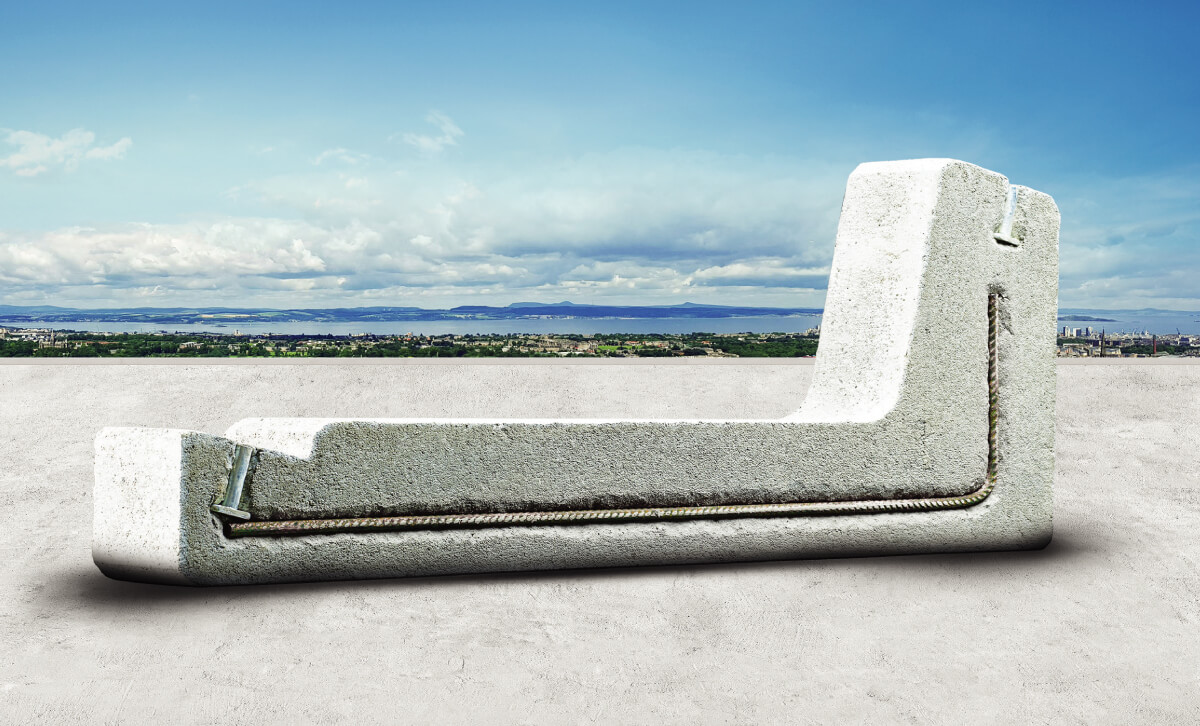
Solar PV Flat Roof: Why No-Penetration Matters
on Italian Buildings
Choosing the right solar PV flat roof solution is often the
difference between a smooth job and days of on-site troubleshooting. On many Italian commercial
and industrial roofs, the biggest concern is protecting the waterproof membrane while keeping
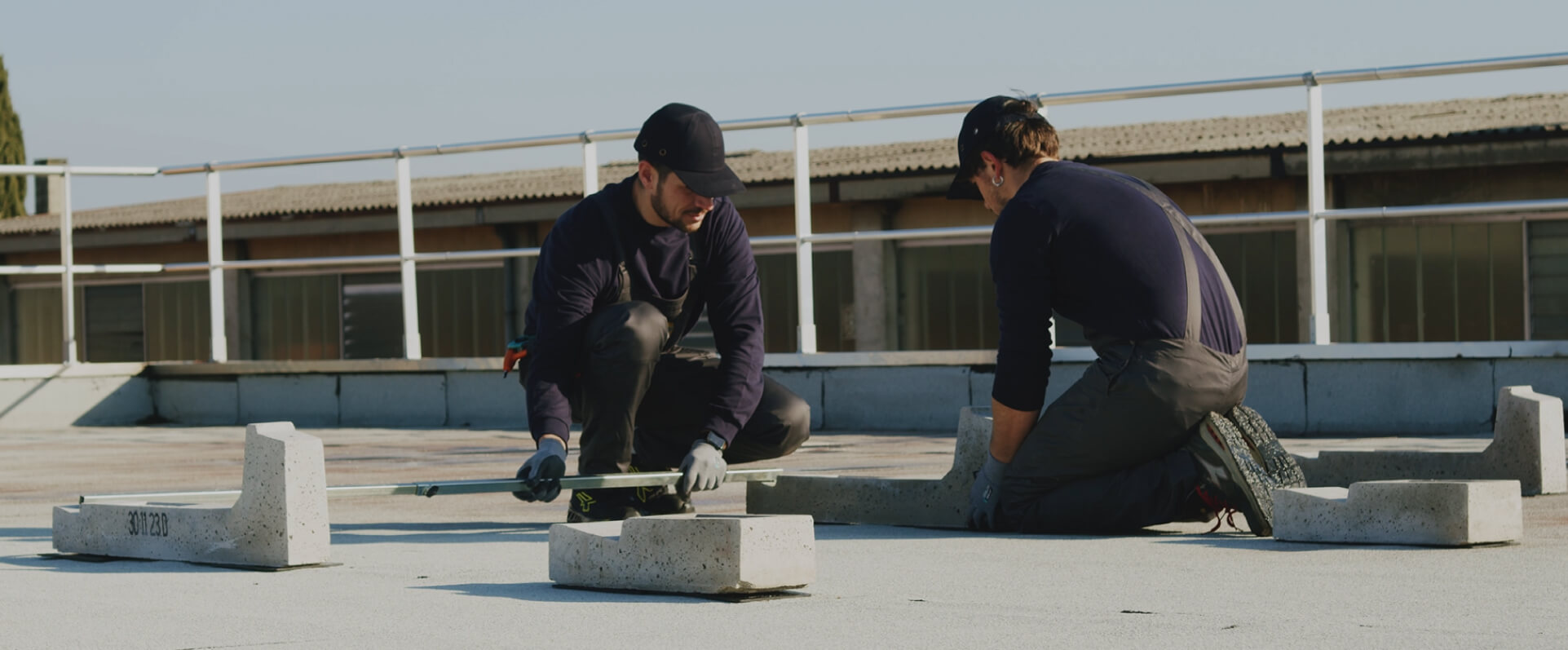
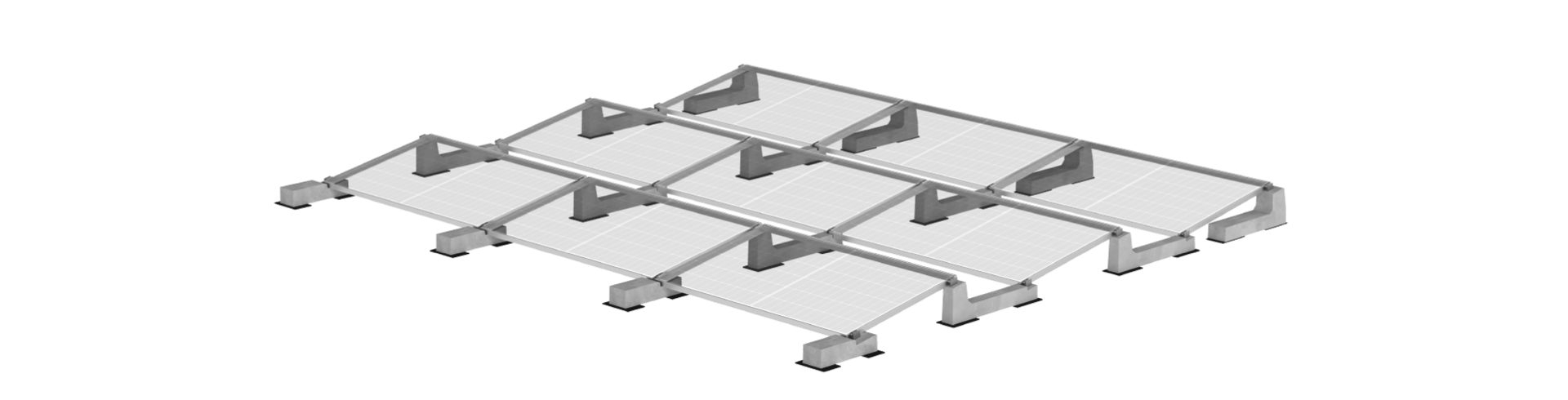
installation time under control. A ballasted mounting approach—using engineered concrete weights
instead of roof penetrations—helps reduce leakage risk, avoids invasive anchors, and simplifies
logistics for installers. Fewer components on the roof means fewer mistakes, quicker alignment,
and a cleaner workflow from delivery to commissioning. For designers and engineers, the benefit
is just as clear: proven configurations and reliable data support safer decisions for wind
uplift, load distribution, and roof constraints. For distributors, a no-penetration system is
easier to position because it responds to a widespread market need: fast, predictable flat-roof
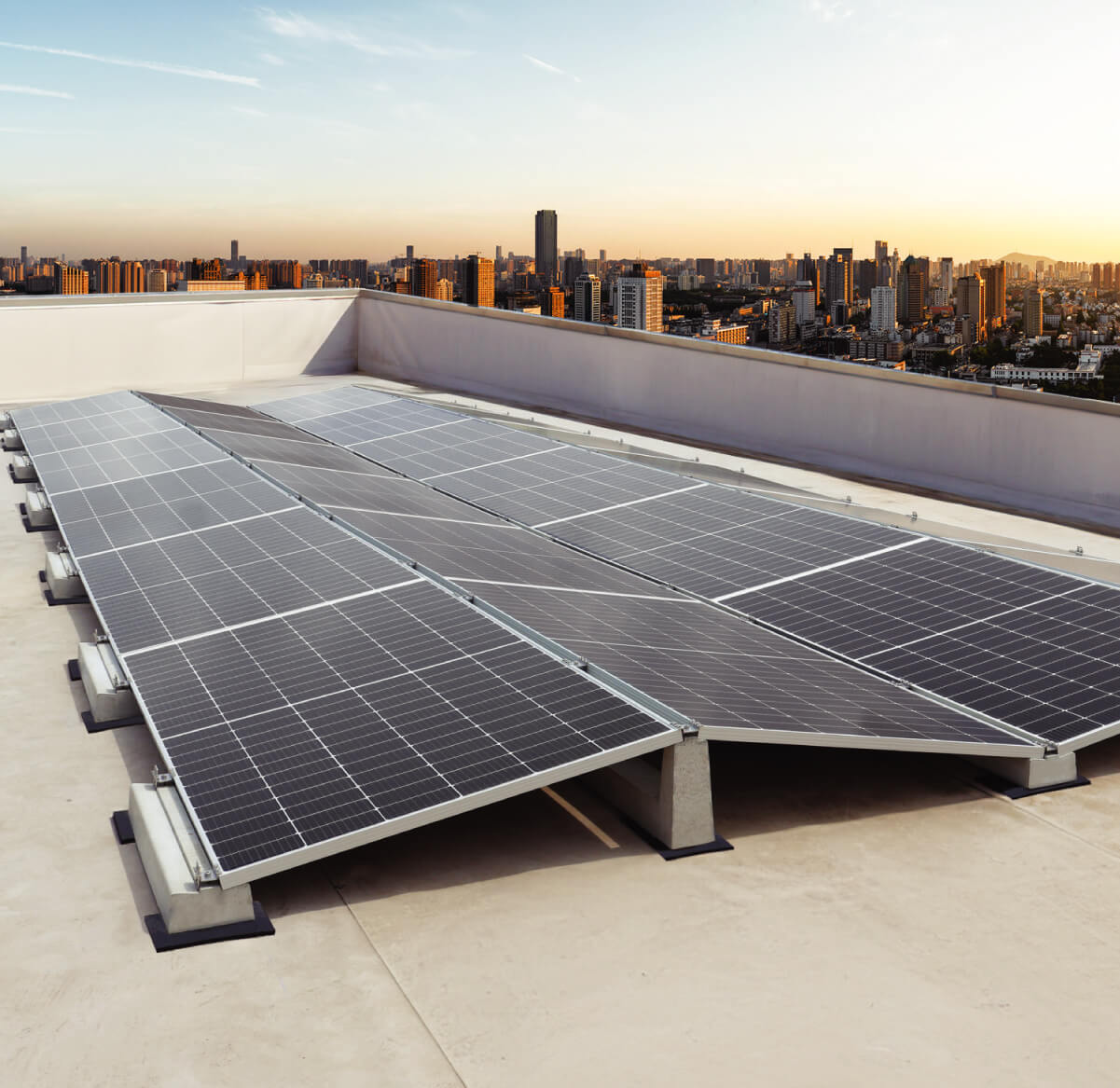
PV installations with durable materials. In short, when you’re planning a solar PV flat roof
project, think beyond the panel and inverter choice. The mounting structure determines speed,
safety, and long-term performance, especially when the goal is to install without damaging the
roof covering and without turning every rooftop into a custom engineering puzzle.
Speed, Simplicity, and Reliability for
Installers and EPC Teams
Installers want one thing above all: to complete more projects
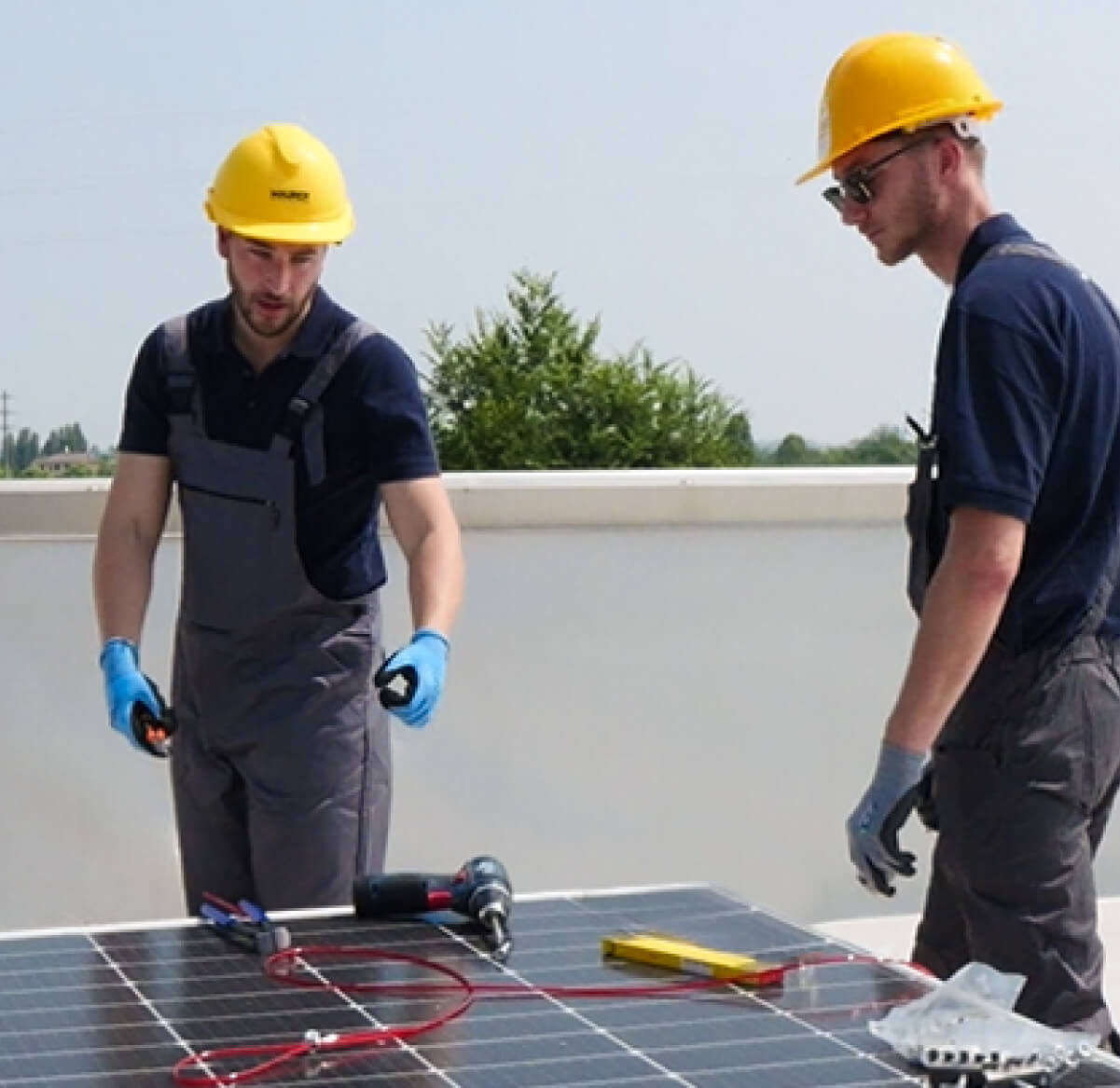
with fewer headaches. A well-designed solar PV flat roof ballast system supports that goal by
reducing the number of loose parts, limiting roof handling, and enabling quick placement and
panel fixing. The result is shorter installation cycles and fewer unexpected delays caused by
drilling, sealing, or complex substructures. On site, simplicity translates into real savings:
fewer tools, fewer steps, and fewer points that can fail. Reliability also matters—especially in
Italy’s varied climate, from coastal wind exposure to inland heat. Concrete ballast supports are
built to be solid, stable, and long-lasting, helping the array maintain its geometry over time.
When a mounting solution is intuitive, teams can train faster, work safer, and maintain
consistent quality across multiple rooftops. That consistency is what turns a one-off
installation into a repeatable process—exactly what growing PV contractors and EPCs need when
flat-roof demand keeps rising.
Technical Support and Project Sizing for
Confident Solar PV Flat Roof Design
A high-performing solar PV flat roof layout isn’t only about
modules facing the right direction—it’s also about correct sizing and a mounting design that
respects wind zones, roof load limits, and spacing requirements. That’s where a
technical-partner approach becomes crucial. Instead of just supplying hardware, the right
solution includes design assistance, system dimensioning, and guidance that carries the project
from concept to execution. Engineers and technical studios benefit from tested options and clear
documentation that reduces calculation uncertainty and helps manage responsibility. Installers
benefit from having a verified configuration before materials arrive on site, avoiding rework
and last-minute changes. Distributors benefit because a supported product is easier to recommend
and results in fewer after-sales issues. If you’re looking to deliver safer, faster flat-roof PV
in Italy, choose a mounting approach that combines no-penetration concrete ballast, streamlined
installation, and real technical backing—so every solar PV flat roof project is efficient from
first drawing to final inspection.