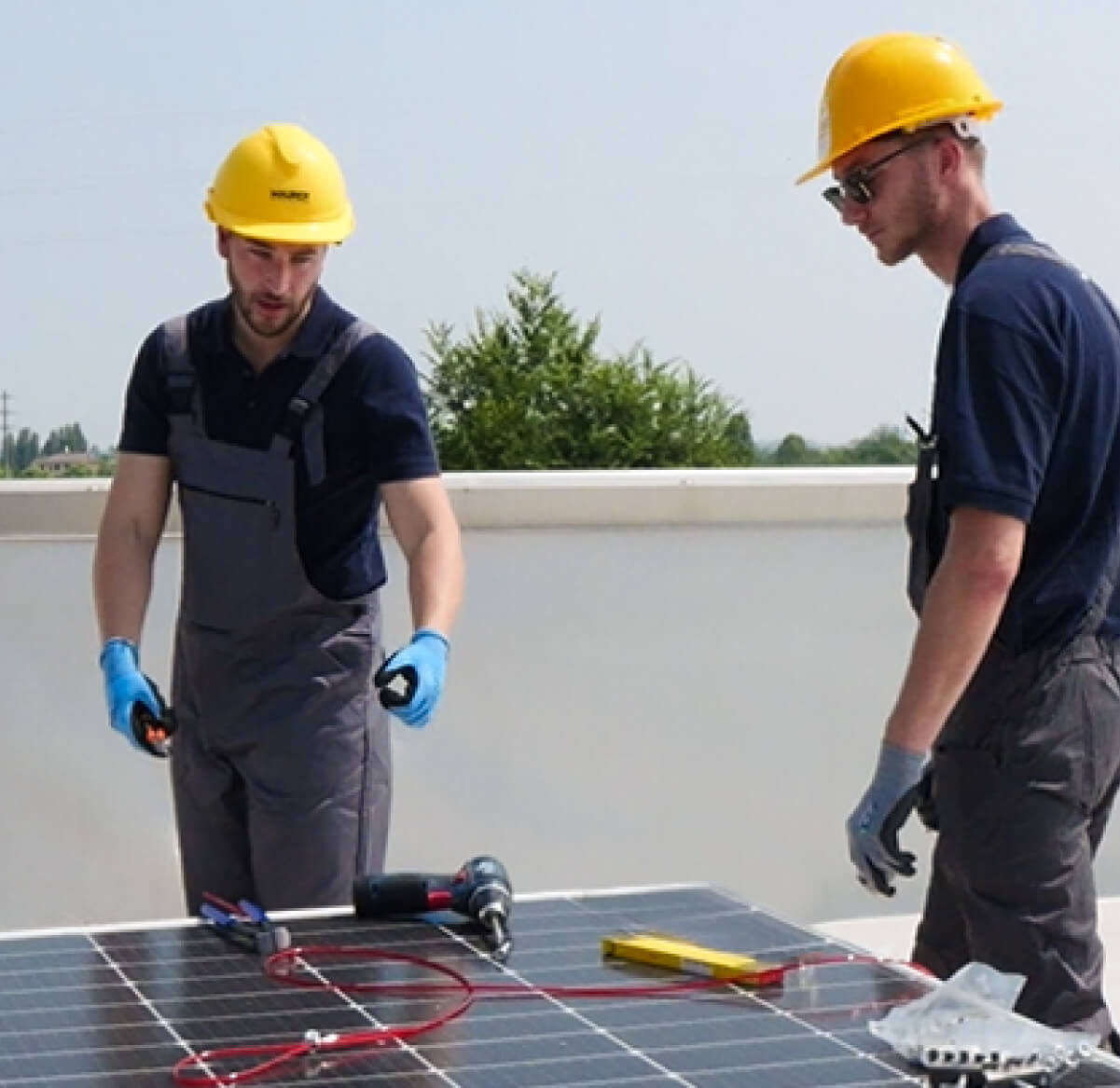
Why Solar PV Flat Roof Mounting Systems Matter
in Italy
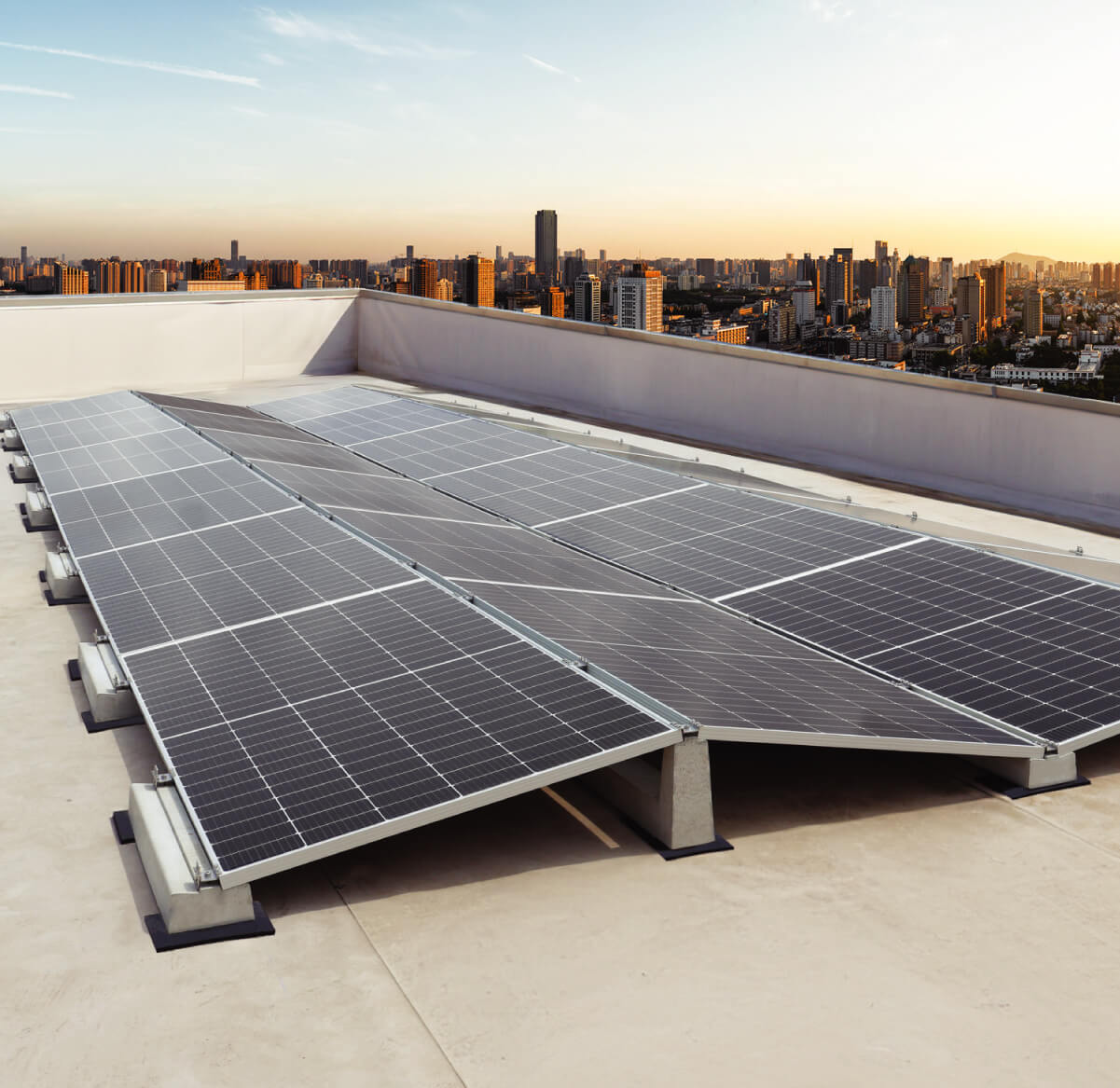
In Italy, flat roofs on industrial buildings, warehouses, and
commercial sites are a prime opportunity for PV growth—but they also bring very specific
installation challenges. Choosing the right solar pv flat roof mounting systems can be the
difference between a smooth project and weeks of delays. Installers want speed and
predictability; designers need reliable data for wind uplift and load distribution; distributors
look for solutions that are easy to explain and consistently requested. Flat roof PV mounting is
often complicated by waterproof membranes, limited roof access, and strict safety rules. That’s
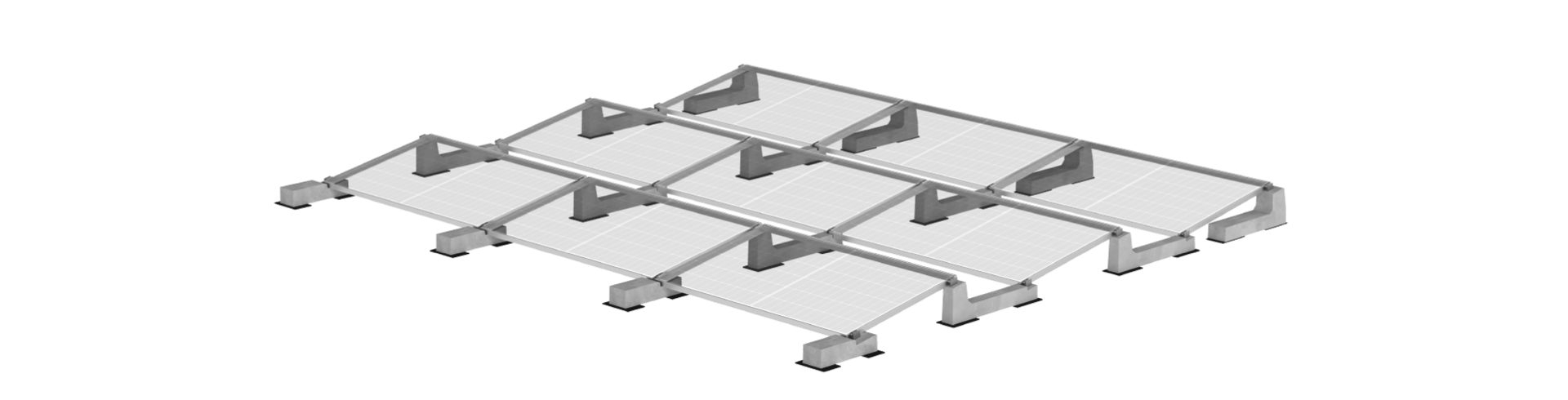
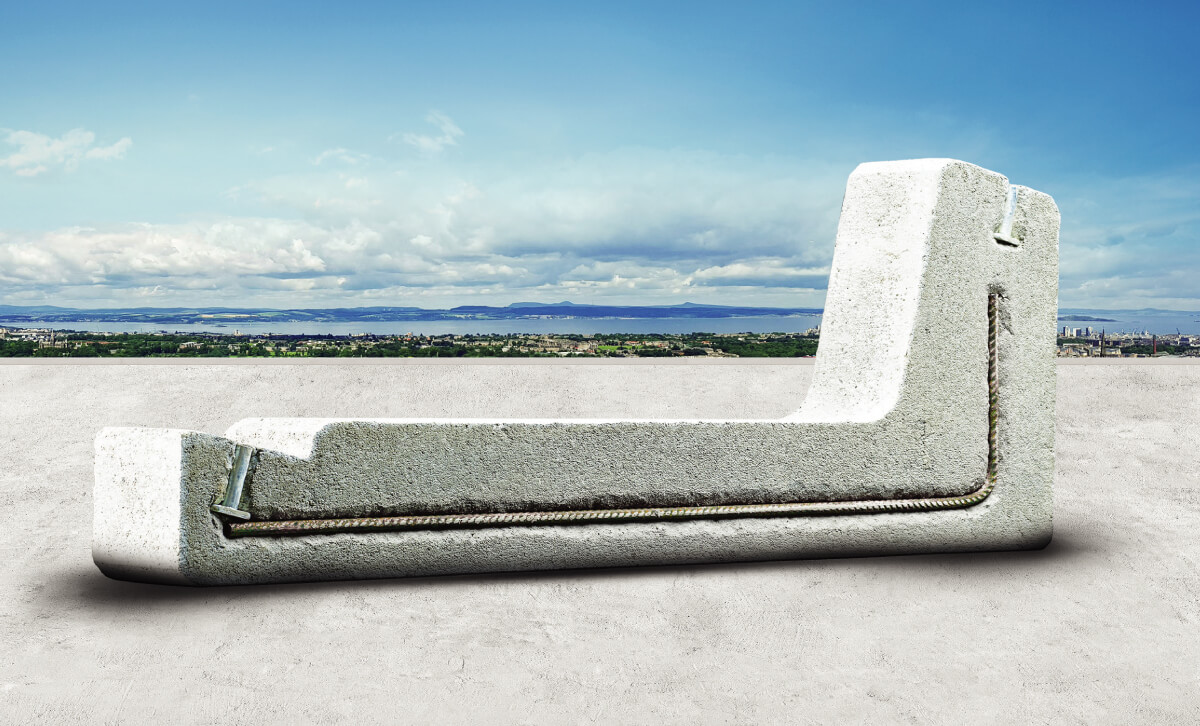
why non-penetrating solutions, built around concrete ballast, are increasingly preferred: they
help avoid drilling into the roof covering, reduce the risk of leaks, and keep the workflow
simple on site. A well-engineered ballasted structure can also streamline logistics by cutting
the number of small components and minimizing assembly steps. When the mounting layout is
designed to match common module sizes and tilt angles, crews can work faster and more
consistently—especially on large rooftops where repetition matters. Ultimately, solar pv flat
roof mounting systems should not just “hold panels”: they should protect the roof, respect
structural constraints, and help teams deliver on schedule while maintaining long-term
reliability in Italy’s varied wind and weather conditions.
Key Benefits: No Penetration, Fewer
Components, Faster Installation
For photovoltaic installers, the biggest advantage of modern
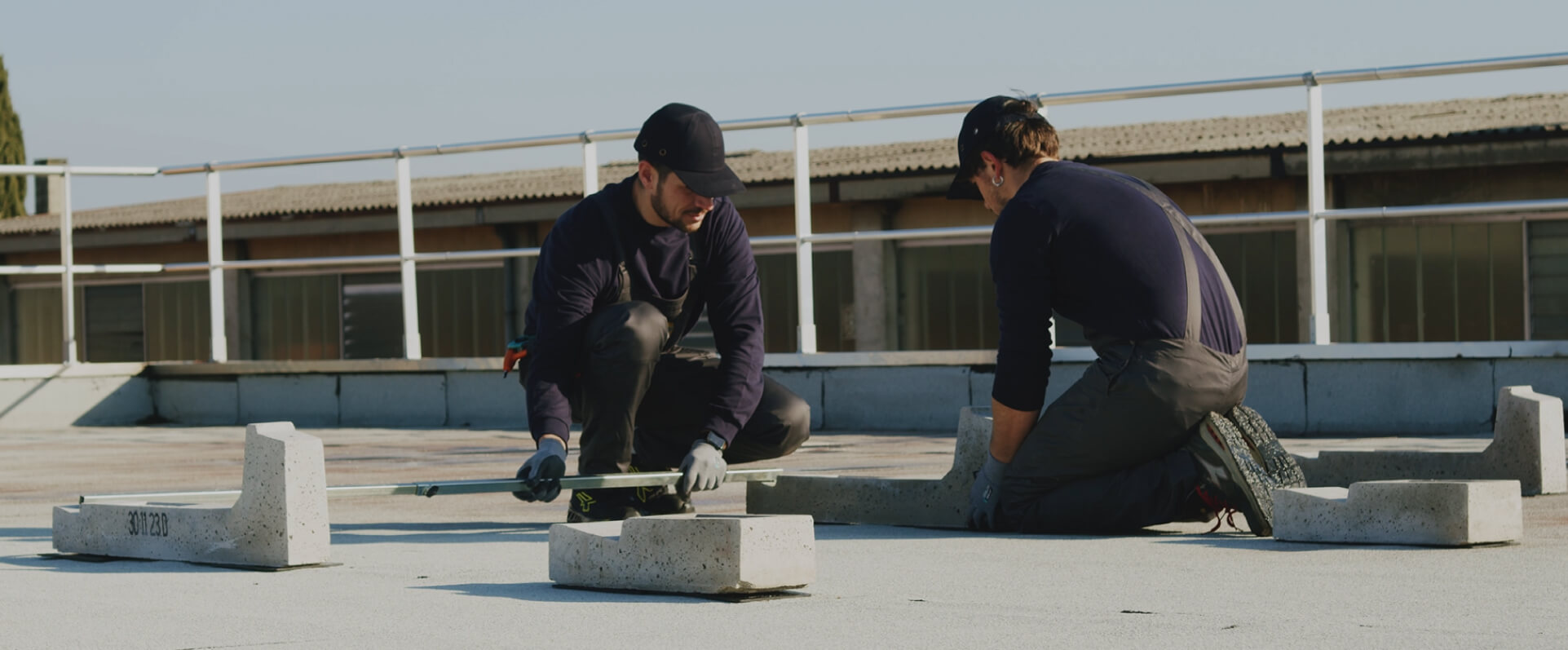
ballasted solar pv flat roof mounting systems is speed without compromising safety. A
no-penetration approach means you can place the supports, align the modules, and complete the
array without invasive roof fixings—reducing risk for both the client and the crew. Fewer parts
also translate into fewer mistakes: less time counting hardware, fewer tools on the roof, and
simpler training for new teams. From a technical perspective, using pre-engineered ballast
elements helps manage wind loads and mechanical stability while distributing weight across the
roof surface. For engineers and design offices, having tested solutions and clear technical
support can ease the burden of sizing, verifying loads, and planning layout—especially when
dealing with parapets, skylights, HVAC units, and drainage paths. For distributors, these
systems are easier to stock and recommend because the value is immediate: faster installs, fewer
call-backs, and a product that professionals recognize. In short, the right system reduces
complexity at every step—design, delivery, installation, and long-term operation.
A Complete Partner Approach for Professionals
(Not Just a Product)
When selecting solar pv flat roof mounting systems for Italian
projects, professionals benefit most from a solution that comes with real technical partnership.
Beyond the hardware itself, experienced support during design can help you choose the right
tilt, row spacing, and configuration to balance energy yield, shading, and roof constraints.
Accurate system sizing and project assistance can also speed up approvals and reduce on-site
surprises, particularly on large commercial rooftops where small errors scale quickly. For
installers, that means fewer interruptions and a more predictable schedule. For designers, it
means dependable inputs and reduced responsibility risk thanks to proven, tested configurations.
For commercial teams and wholesalers, it means a solution that’s easier to position because it
answers the most common objections: “Will it damage the roof?”, “How long will it take to
install?”, and “Is it reliable over time?”. If your goal is to make flat roof PV simpler, safer,
and more efficient, choose solar pv flat roof mounting systems that combine sturdy concrete
ballast, intuitive assembly, and professional-grade project support—so every job is delivered
with confidence, from planning to execution.