A Solar Power Structure Built for Flat Roof
Speed and Safety
Choosing the right solar power structure can make or break a
flat-roof PV project—especially in Italy, where timelines are tight and rooftop performance must
stay consistent year after year. Installers and designers increasingly prefer ballast-based
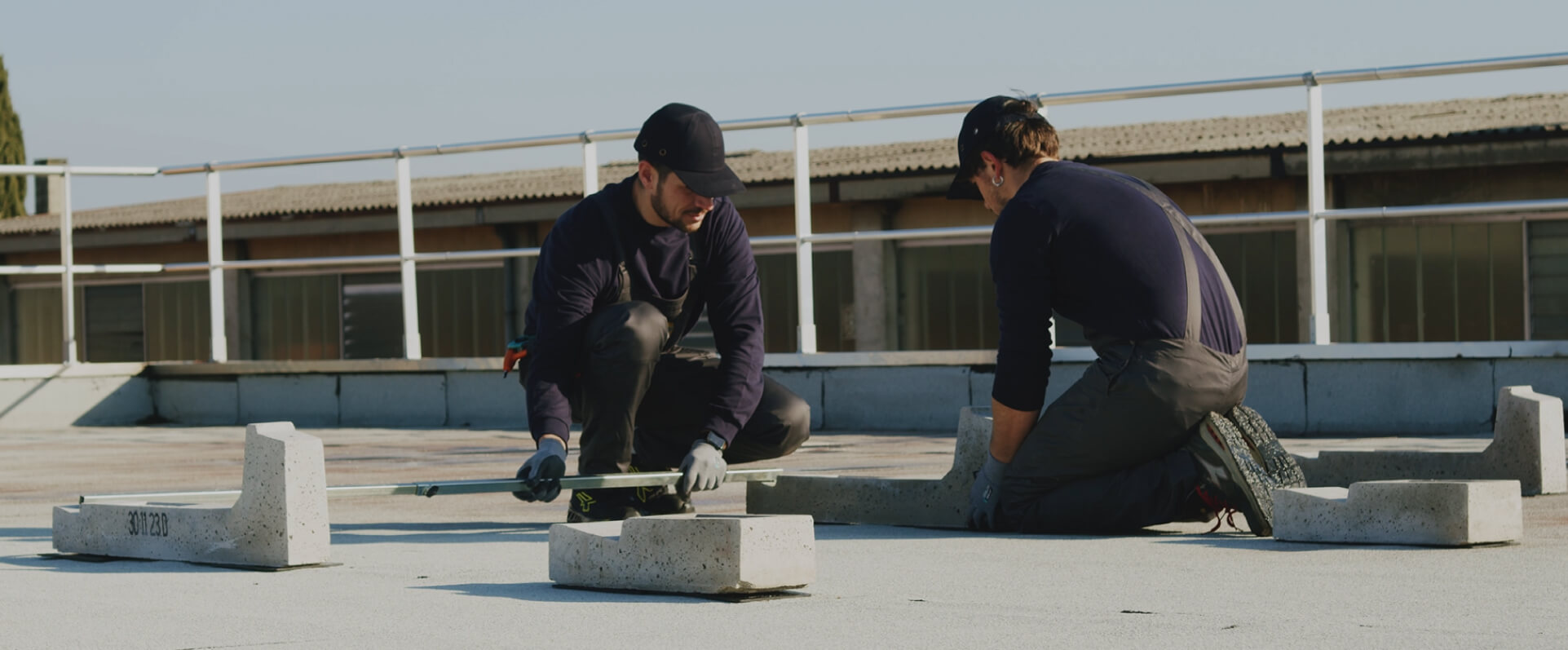
mounting systems because they simplify the job: no roof penetrations, fewer components, and a
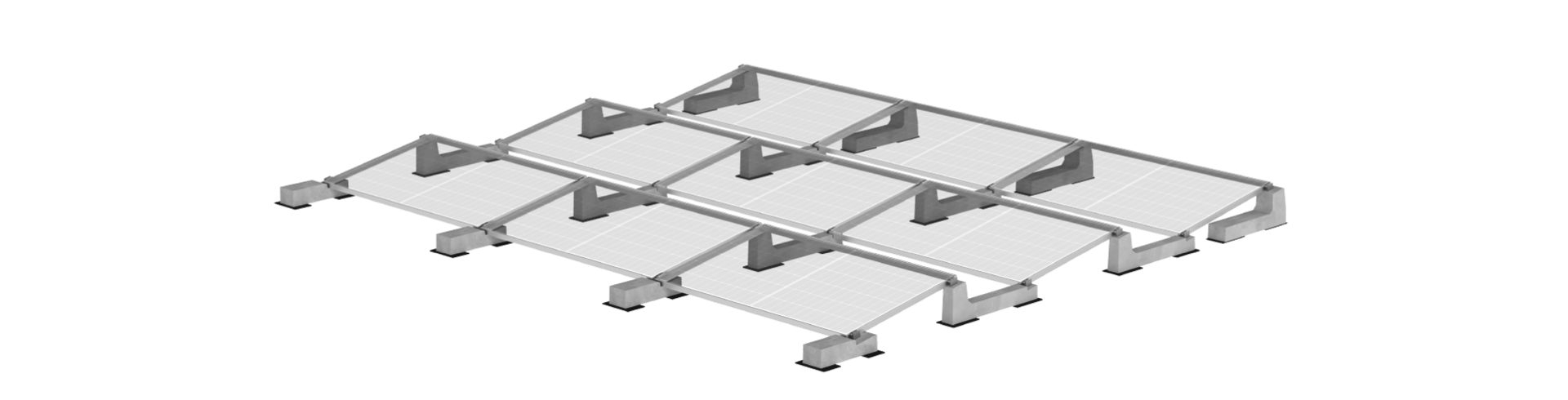
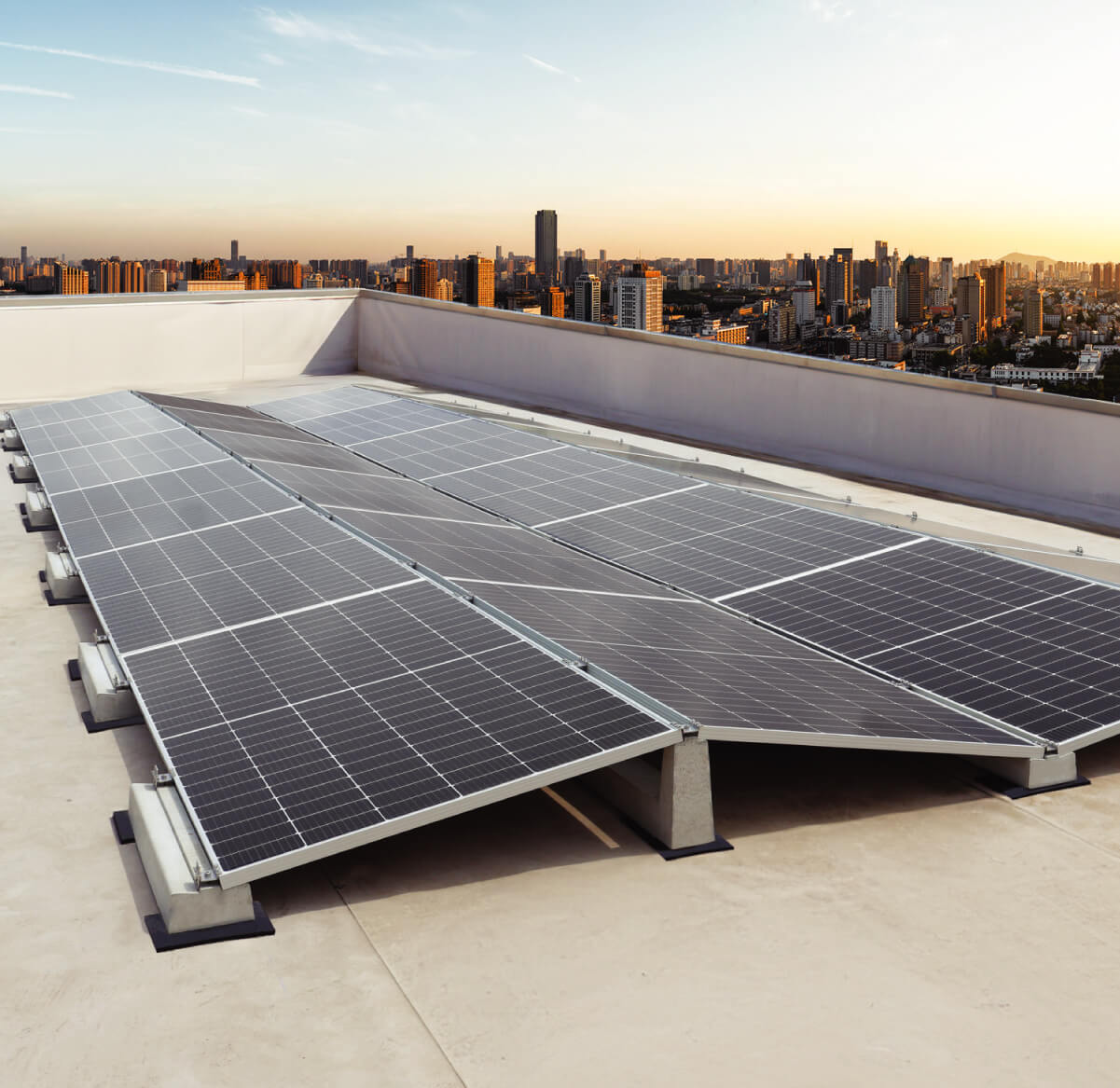
cleaner workflow from delivery to commissioning. With concrete ballast solutions, modules are
held securely in place through weight distribution rather than drilling, reducing the risk of
water infiltration and helping preserve the roof membrane. That means fewer call-backs and more
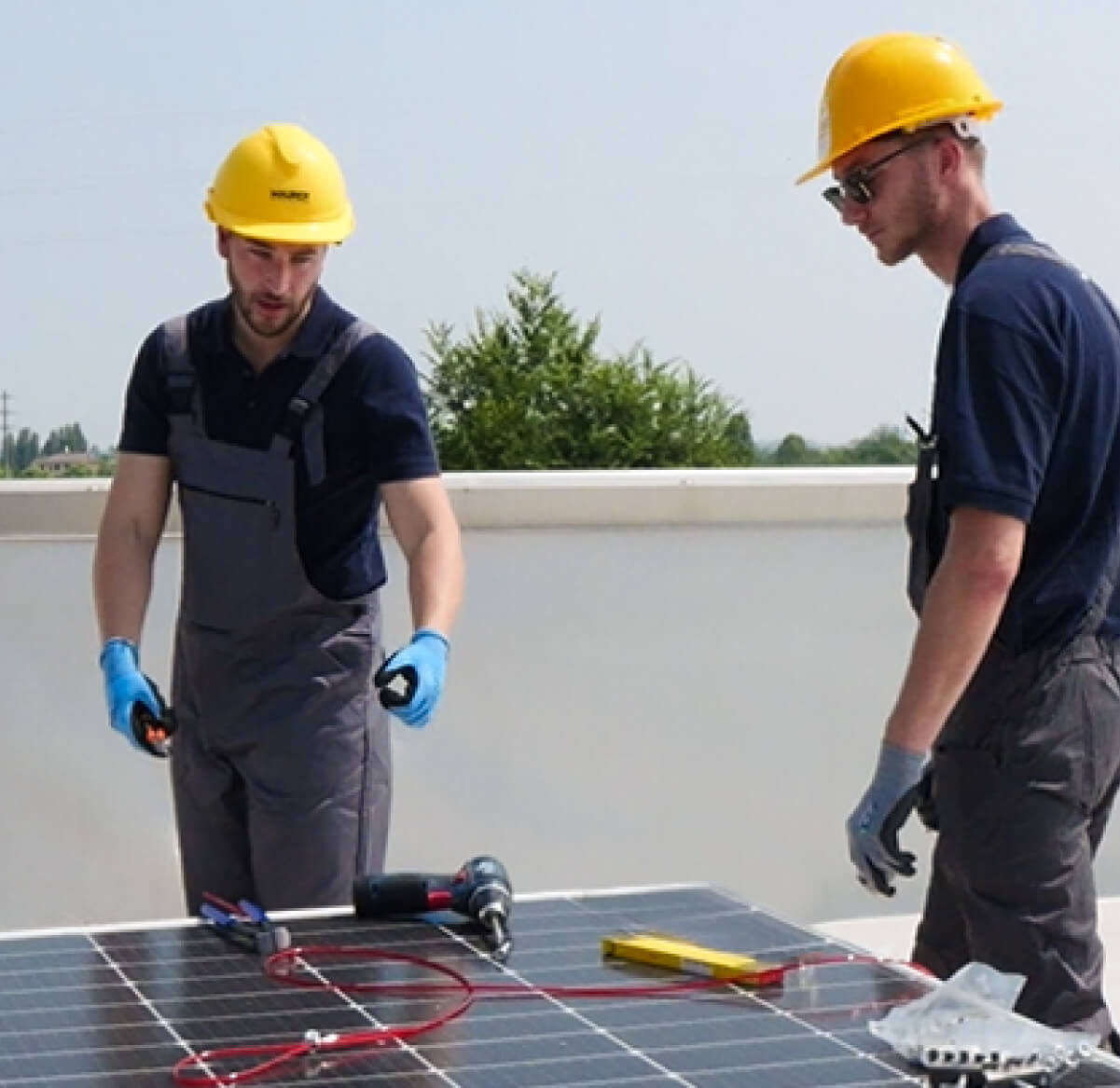
predictable outcomes on site. For installers, the real advantage is speed: pre-engineered
supports and intuitive assembly can cut installation time dramatically, allowing teams to
complete more rooftops with the same crew. For engineers and technical offices, a modern solar
power structure must also provide dependable technical data—wind loads, roof loads, and layout
options that support accurate system sizing. When these elements are packaged as a complete
solution, you gain not only mounting hardware but also a technical partner that can help move
the project from concept to execution with fewer uncertainties. In a market that rewards
efficiency, a well-designed ballast PV mounting system turns flat roofs into straightforward,
repeatable installations.
Why No-Drill Ballasted PV Mounting Reduces
Risk
A flat roof is valuable real estate, but it is also a sensitive
surface. Any unnecessary fixing points can increase liability over time. A ballast solar power
structure avoids that issue by keeping the waterproof layer intact, which is crucial for
long-term durability. This approach can also streamline permitting and site coordination because
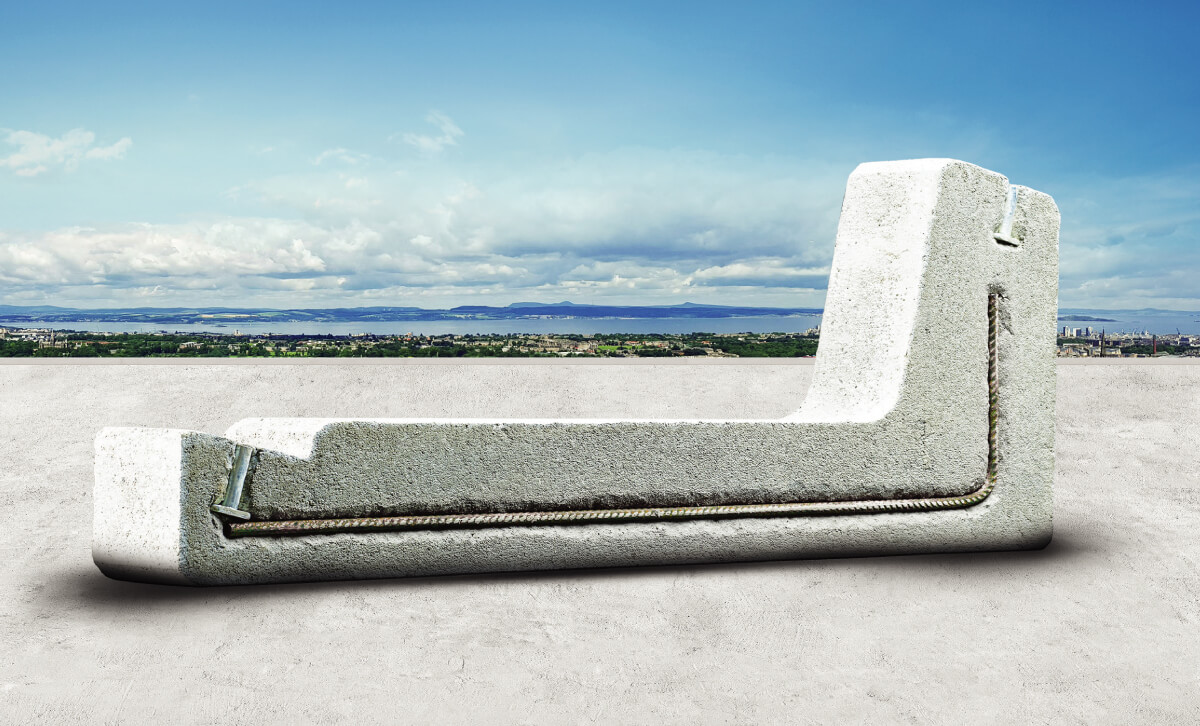
crews spend less time measuring, drilling, and sealing. Concrete ballast blocks are designed to
manage mechanical stress and improve stability, supporting PV modules even under demanding wind
conditions when properly engineered. The result is a roof-friendly photovoltaic mounting
solution that feels practical in the field: fewer tools, fewer steps, and fewer opportunities
for installation errors. Distributors also benefit from offering a recognizable, easy-to-explain
system with consistent demand—especially as commercial buildings and industrial sheds in Italy
look to adopt solar without disrupting operations.
A Complete Solar Power Structure Solution for
Professionals
The best solar power structure is more than a product—it is a
repeatable method for designing and installing PV on flat roofs. Professionals need clear
documentation, tested configurations, and responsive technical support to handle calculations
for wind, loads, and optimal tilt angles. When the supplier provides help with system sizing and
project development through execution, installers gain confidence and speed, while designers
reduce responsibility-related stress. Look for solutions built around reliability, simplicity,
and continuous innovation: durable concrete ballast, optimized layouts, and components designed
to work together. If your goal is to deliver safer flat-roof installations, reduce on-site
complexity, and keep projects moving, a ballasted photovoltaic mounting system is a persuasive
choice for the Italian market—efficient, roof-safe, and ready for real-world construction
schedules.