Why the Right Solar Power Plant Structure
Matters on Flat Roofs
Choosing the right solar power plant structure is the difference
between a smooth installation and days of delays on site—especially on flat roofs, where
waterproofing and load management are critical. For installers and designers working across
Italy, a modern PV mounting system must be fast to assemble, predictable in performance, and
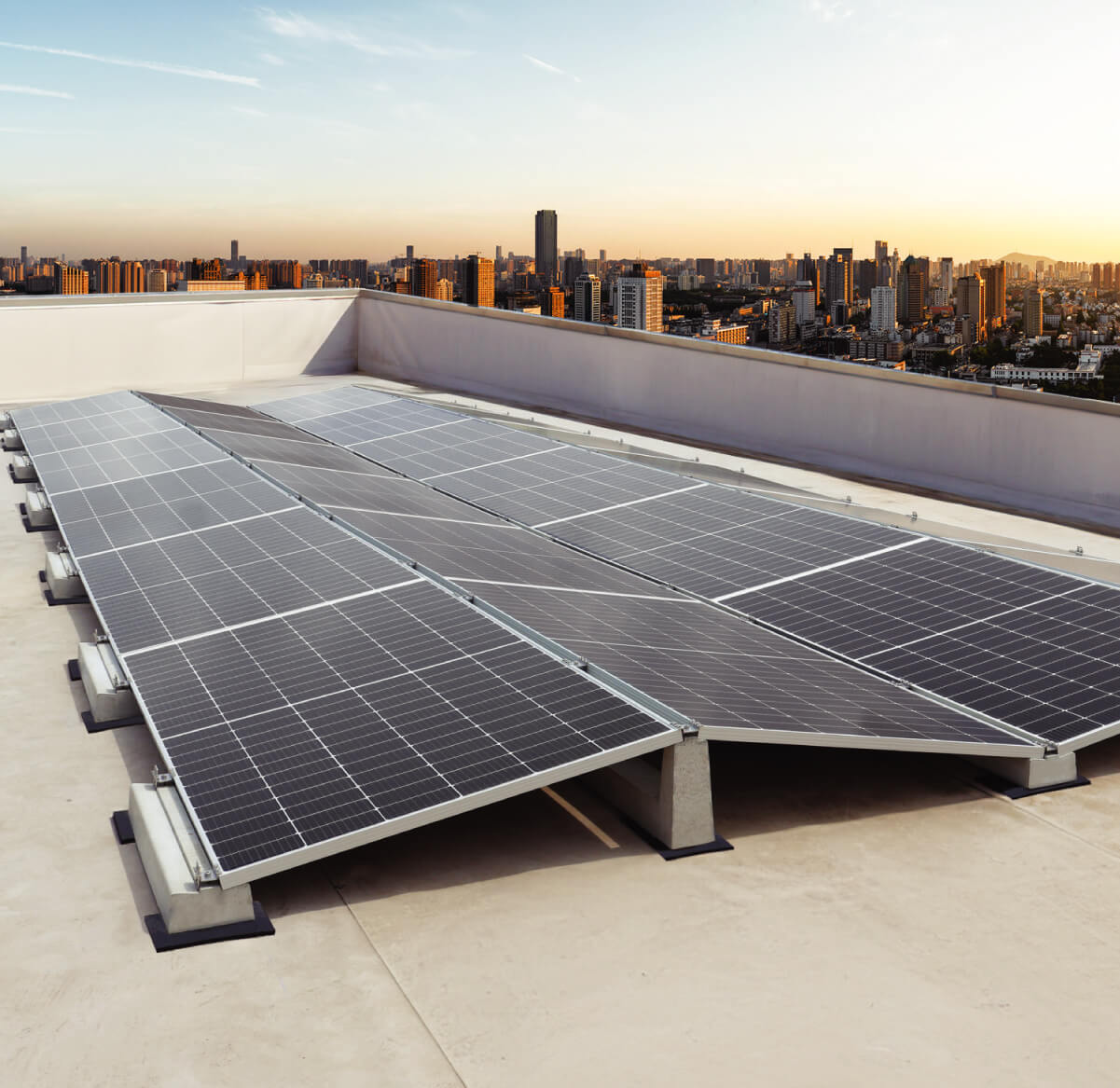
safe for the roof membrane. That’s why ballasted solar mounting solutions are gaining ground:
they secure photovoltaic panels without roof penetrations, reducing leak risks and eliminating
many of the steps associated with traditional anchoring. A well-engineered structure also helps
optimize panel layout, tilt angle, and row spacing, improving energy yield while keeping
maintenance access simple. Beyond speed, reliability is essential: wind loads, edge zones, and
building height all influence the required ballast and the overall stability of the array. When
the structure is designed with tested components and clear sizing data, the project becomes
easier to approve and easier to execute. The best setups also reduce the number of parts to
handle on the roof—less hardware, fewer errors, and quicker commissioning. For B2B
professionals, this means higher productivity per crew, fewer callbacks, and a cleaner handover.
If your goal is to build durable rooftop PV systems with less complexity, starting from the
right structural concept is the smartest move.
Concrete Ballast Mounting: Faster, Safer, and
More Predictable
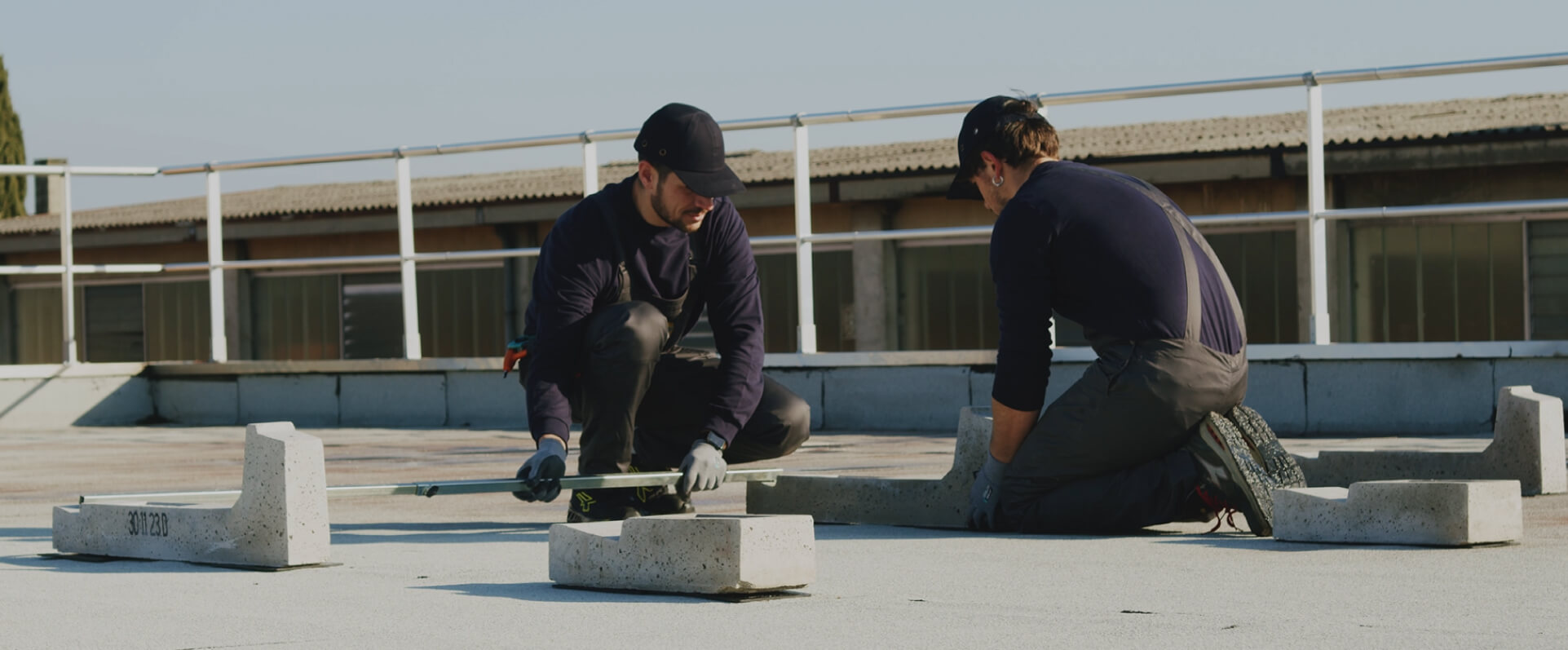
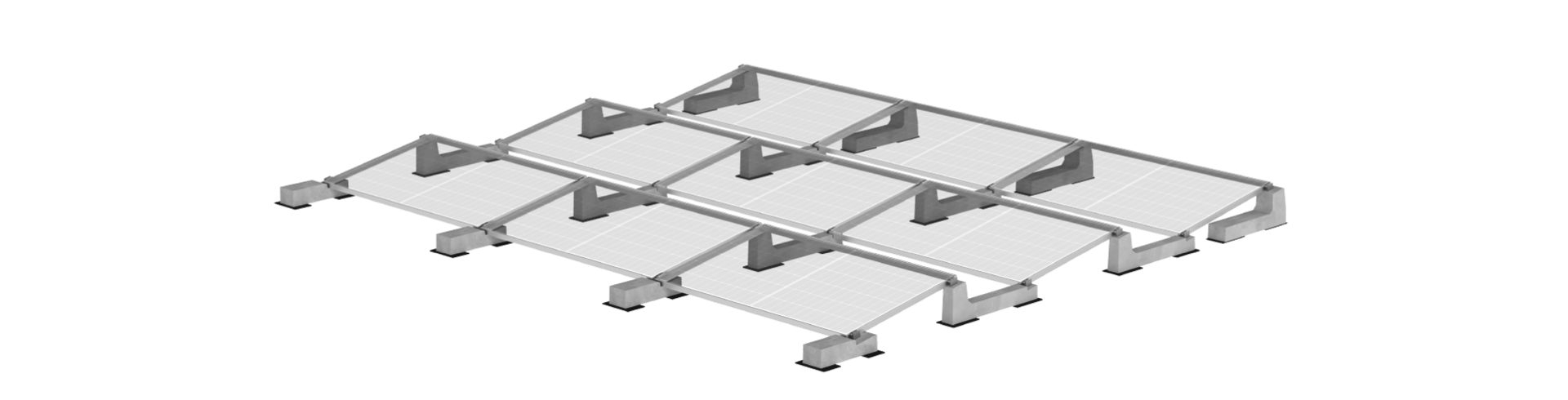
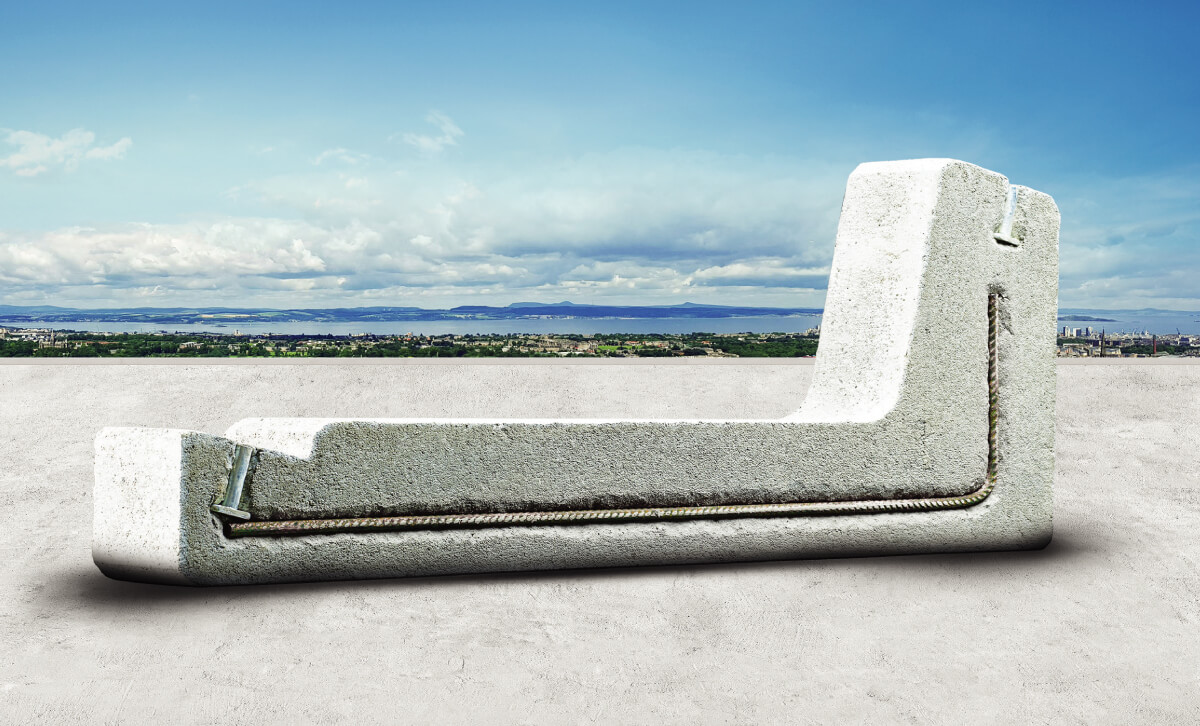
A ballasted solar power plant structure uses precast concrete
weights to keep the PV array stable, avoiding drilling into the roof. This approach is ideal for
flat-roof photovoltaic installations where preserving the waterproof layer is a priority. With
fewer mounting components and an intuitive assembly workflow, crews can install faster and
maintain consistent quality even on large commercial roofs. From a technical standpoint, the
system’s performance depends on accurate wind and load calculations, including suction forces
and perimeter zones. Reliable solutions provide validated data, tested configurations, and
technical assistance for sizing—so engineers can reduce design risk and installers can work with
confidence. The result is a streamlined rooftop PV mounting structure that balances safety,
speed, and long-term durability.
A Technical Partner Approach: From Design
Support to Execution
In Italy’s competitive solar market, professionals benefit most
from suppliers who act like technical partners. That means support during design, help with
system sizing, and guidance that carries through to installation. When the solar power plant
structure is supported by engineering know-how—layout optimization, tilt selection, and ballast
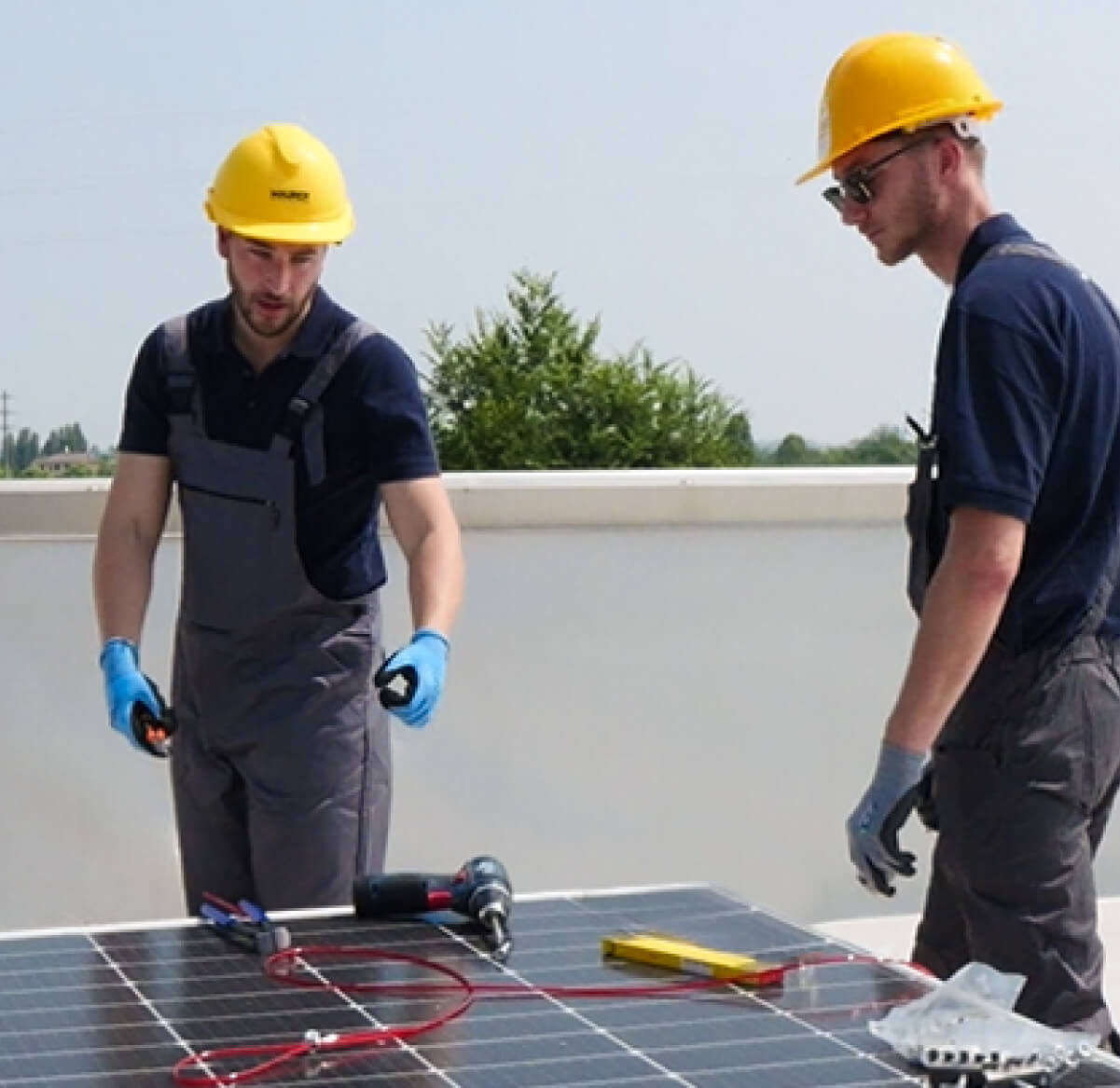
distribution—the project moves faster from proposal to commissioning. Installers gain practical
advantages: fewer on-roof decisions, reduced site surprises, and a system that is easy to
replicate across multiple buildings. Designers gain dependable documentation and proven
solutions that simplify approvals. Distributors gain a product that is straightforward to
explain and in steady demand. If you’re planning flat-roof PV projects, choose a structure built
for rapid installation, no roof penetrations, and tested reliability—so every job is easier,
safer, and more profitable.