Solar plate construction on flat roofs: build
faster, drill less
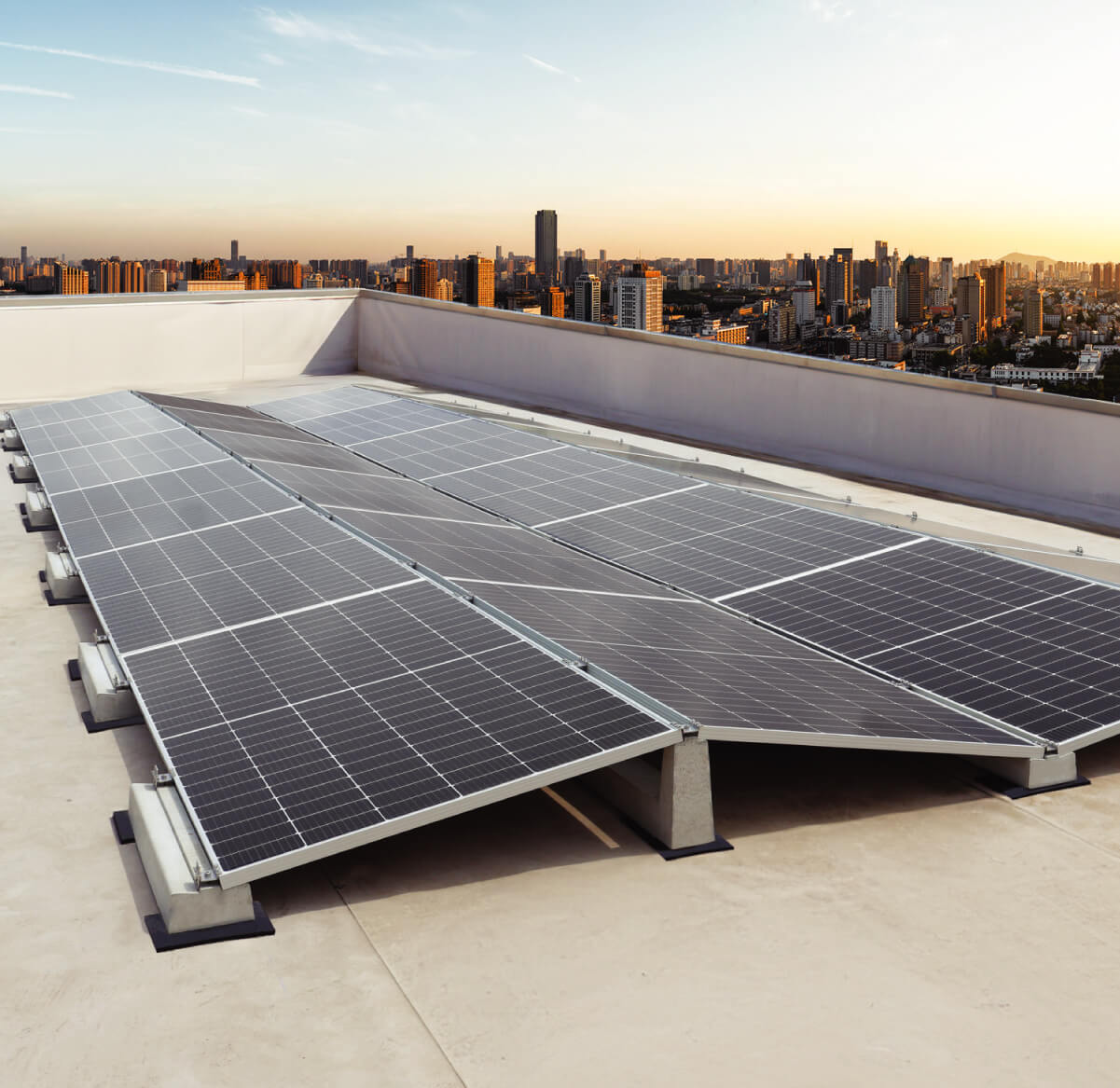
In Italy, flat roofs are one of the best places to add
photovoltaics—until the mounting phase slows everything down. That’s where smart solar plate
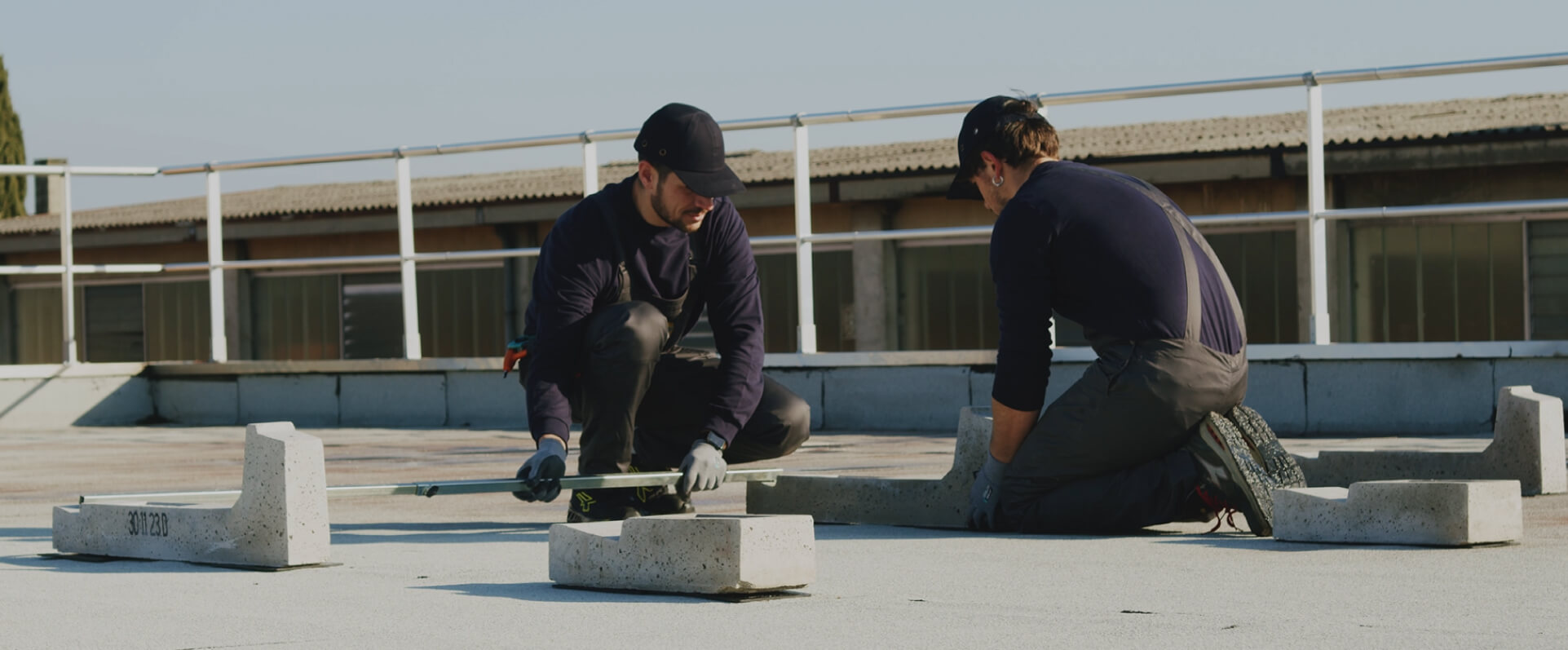
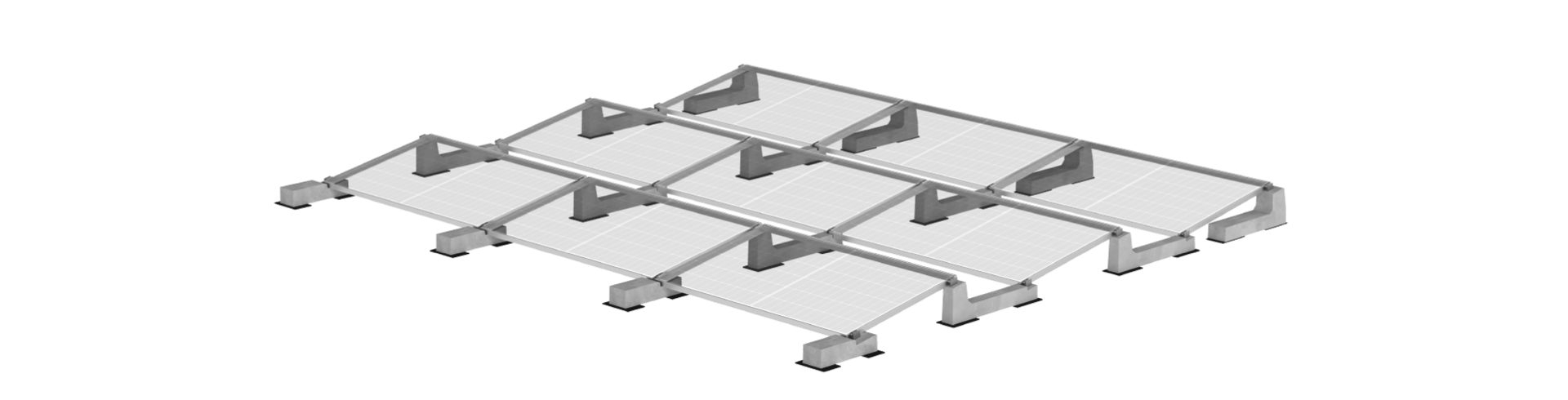
construction makes the difference. Instead of relying on roof penetrations, modern ballast-based
systems use precast concrete supports to hold PV modules in place through weight, geometry, and
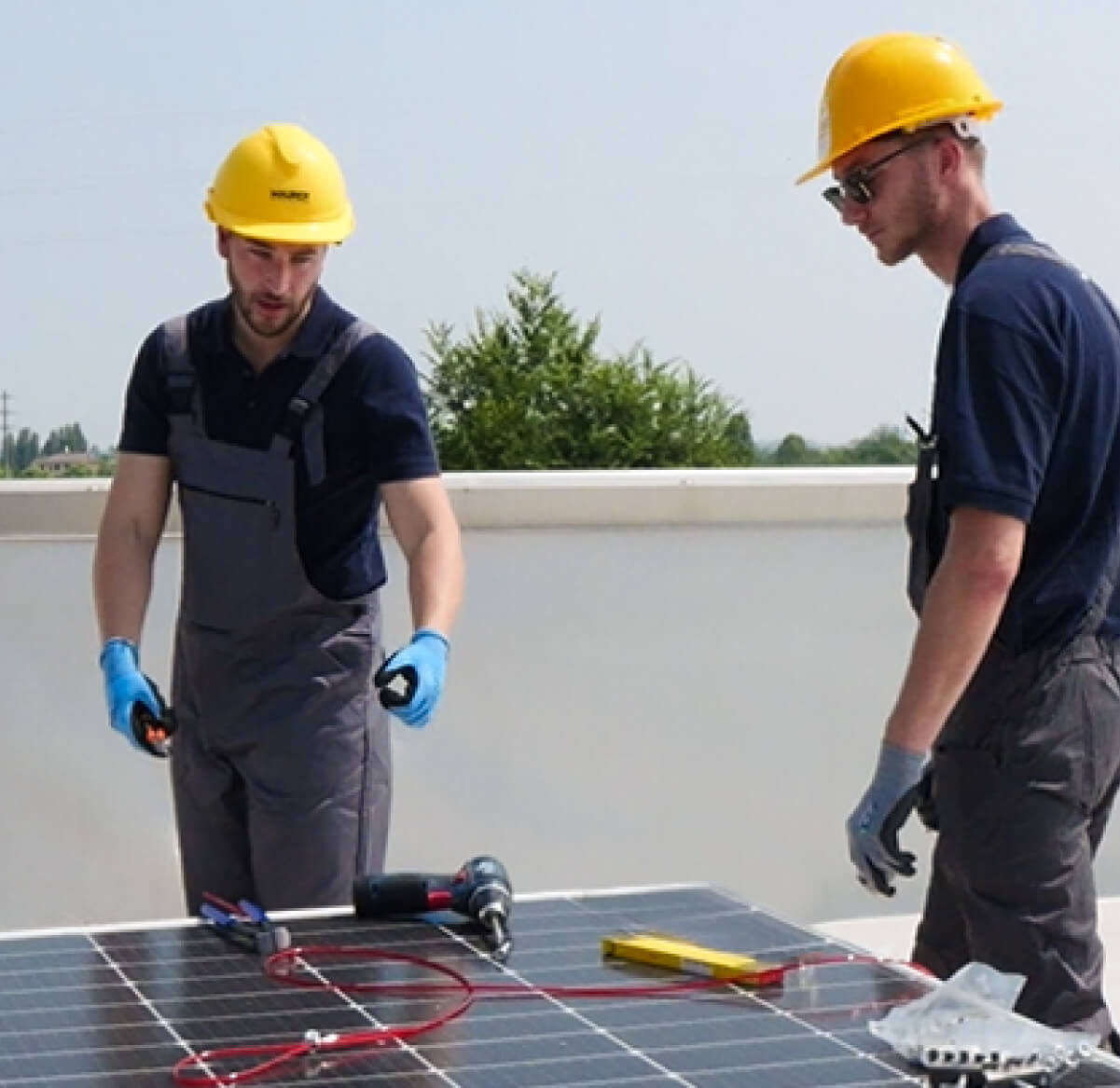
optimized load distribution. For installers, that means fewer parts to manage, fewer tools on
the roof, and a much cleaner workflow from first layout to final torque check. For designers and
engineers, it means a structure that can be sized with clear data for wind uplift, roof loads,
and module tilt, reducing uncertainty and helping you document decisions with confidence. On
site, avoiding drilling is more than convenience: it reduces the risk of waterproofing issues,
eliminates many common snag points during approvals, and keeps the roof membrane intact. The
result is a PV mounting approach that feels practical in the real world—especially when you’re
working against tight schedules, limited roof access, or multiple arrays across large industrial
buildings. If your goal is to deliver flat-roof PV projects with predictable timelines and fewer
surprises, solar plate construction with concrete ballasts is a proven route to a safer, faster,
and more efficient installation process.
Why concrete ballast systems improve PV
mounting performance
A high-quality ballast solution is engineered, not improvised.
Concrete PV ballasts are designed to simplify module mounting while improving stability under
wind and weather. Key benefits include quick alignment of rows, repeatable tilt angles, and
reduced dependency on complex metal frameworks. Because the mounting “plate” is essentially
integrated into the support body, crews spend less time assembling substructures and more time
completing the electrical works that actually move the project forward. For technical teams,
reliable solar plate construction also supports accurate project sizing: defined contact
surfaces help manage roof pressure, while tested configurations support safer decisions on
layout, spacing, and edge zones. This is especially valuable on Italian flat roofs, where
membranes, insulation layers, and load limits vary widely between sites. With the right
technical support during design—covering wind calculations, ballast selection, and array
configuration—projects become easier to standardize and simpler to replicate across your
pipeline.
A complete approach: from design support to
on-site simplicity
Solar plate construction works best when it’s treated as a
complete solution, not just a component list. Professional teams benefit from technical
assistance during design, practical guidance for plant sizing, and commercial support that keeps
procurement smooth—so you can focus on delivery. For installers, the real win is operational:
fewer components, intuitive positioning, and faster mounting without roof penetrations. For
engineers, it’s reduced project risk: tested solutions, dependable data, and a clearer path from
calculation to execution. Distributors also gain an advantage with a recognizable, in-demand
product that’s easy to explain and easy to stock. If you’re working on flat-roof PV in Italy and
want a mounting method that protects the roof, speeds up installation, and supports accurate
sizing, choose a solar plate construction strategy built around engineered concrete ballast
supports—designed to make every project simpler, safer, and more reliable.