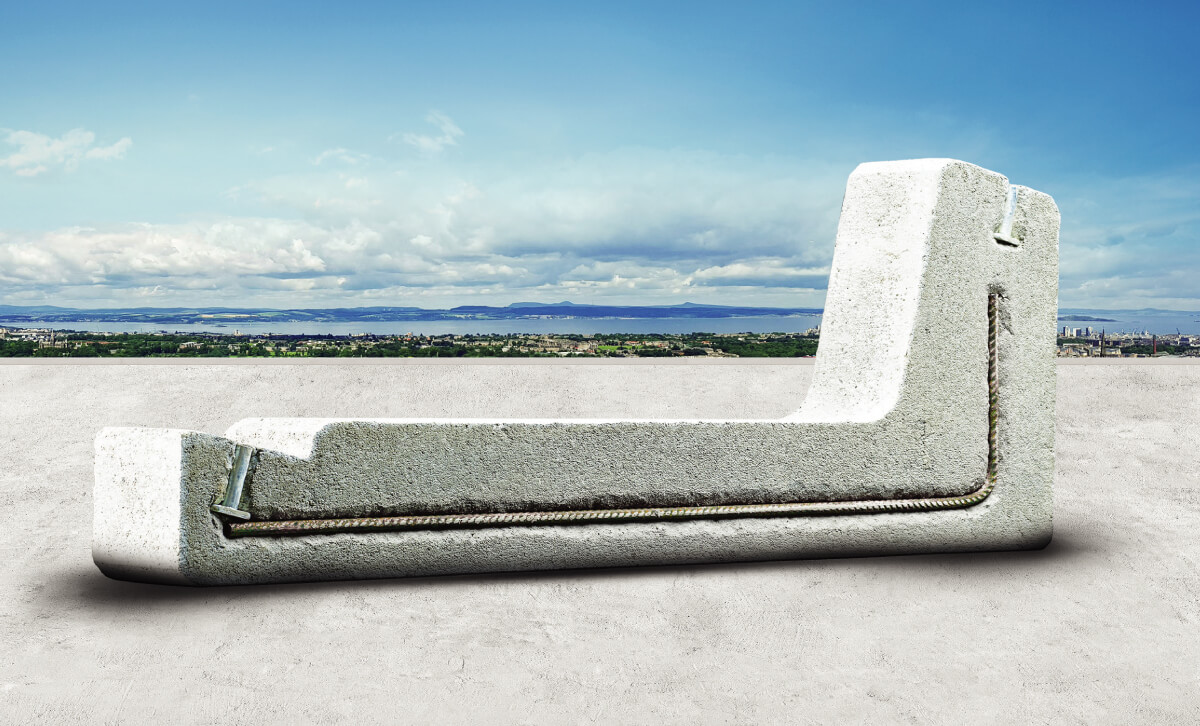
A solar plant structure that makes flat-roof
PV simpler
In the Italian PV market, time on site and roof safety can make or
break a project. Choosing the right solar plant structure is not just about holding modules in
place—it’s about reducing installation steps, avoiding unexpected waterproofing issues, and
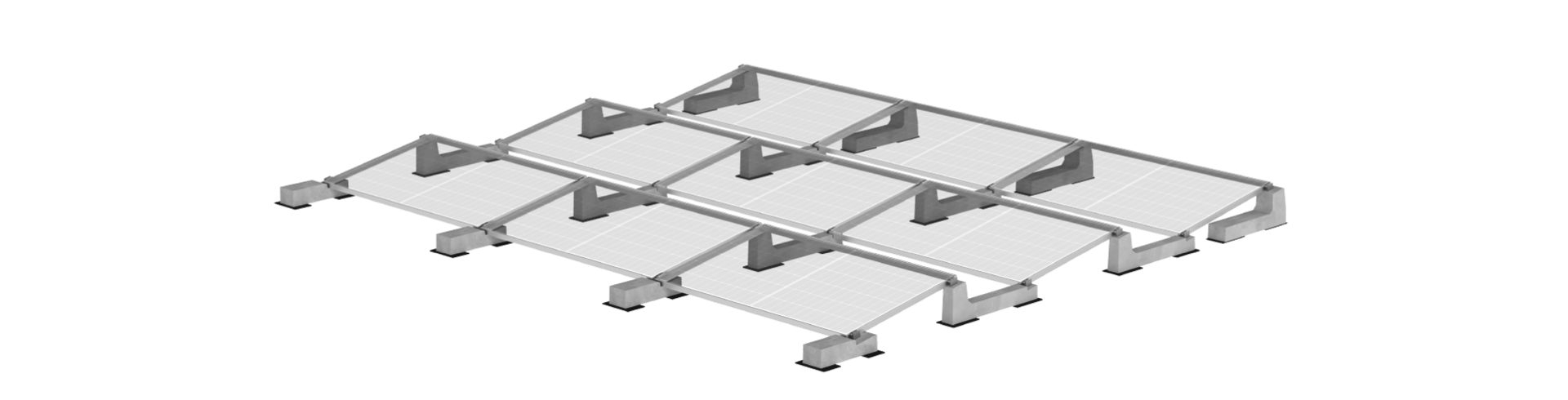
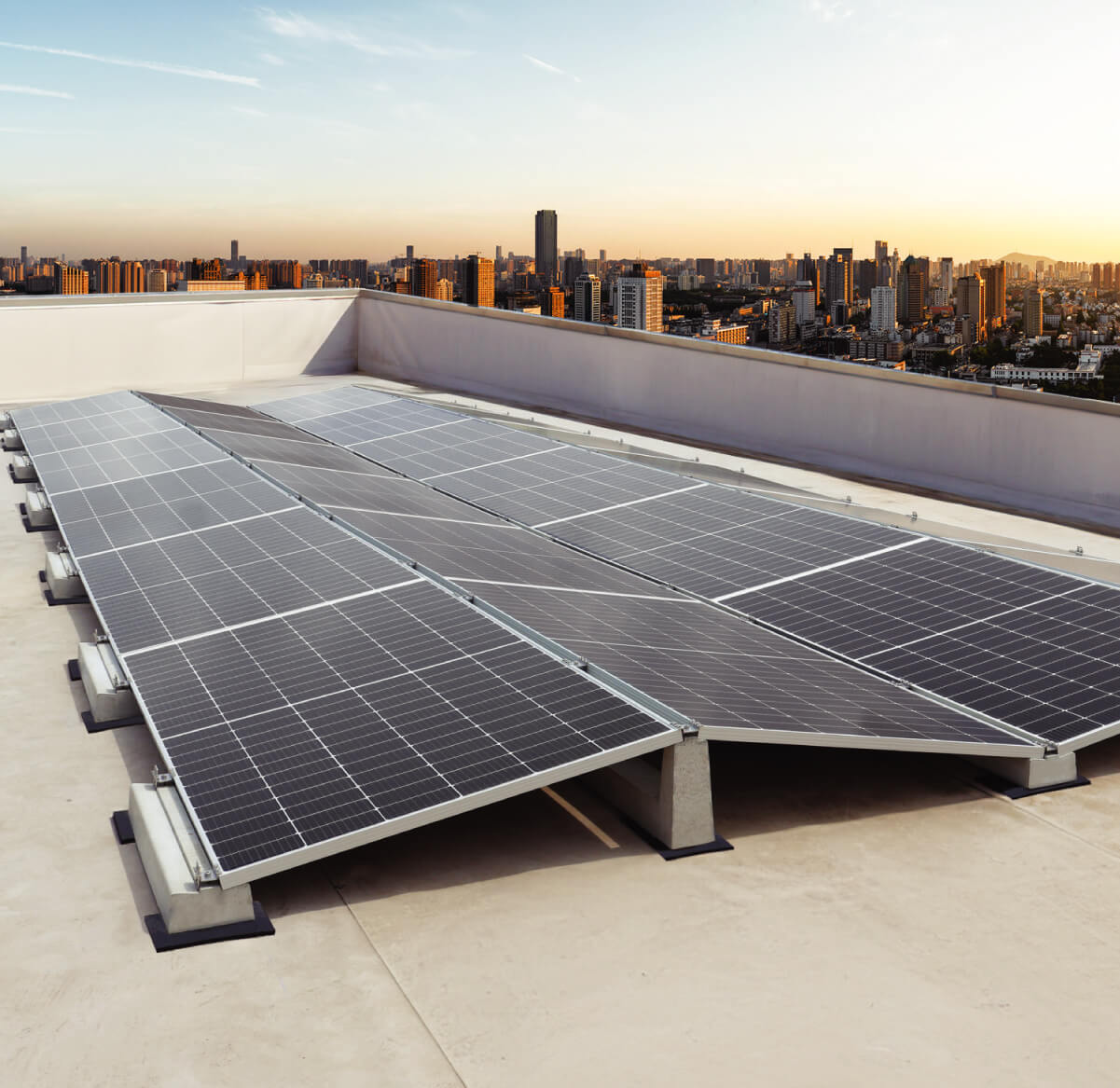
delivering predictable performance for decades. For flat roofs, a ballasted mounting system
built with concrete weights is often the smartest route: it can secure photovoltaic panels
without drilling the membrane, helping you protect the roof while speeding up work. With fewer
parts to manage and a layout designed for quick positioning, installers can move from planning
to commissioning with less friction. The result is a cleaner workflow, fewer call-backs, and a
solar array that looks professional from day one. If your priority is a reliable PV mounting
solution that supports fast deployment on commercial buildings, warehouses, and industrial
rooftops, a no-penetration approach deserves a close look.
Why installers prefer no-penetration concrete
ballast systems
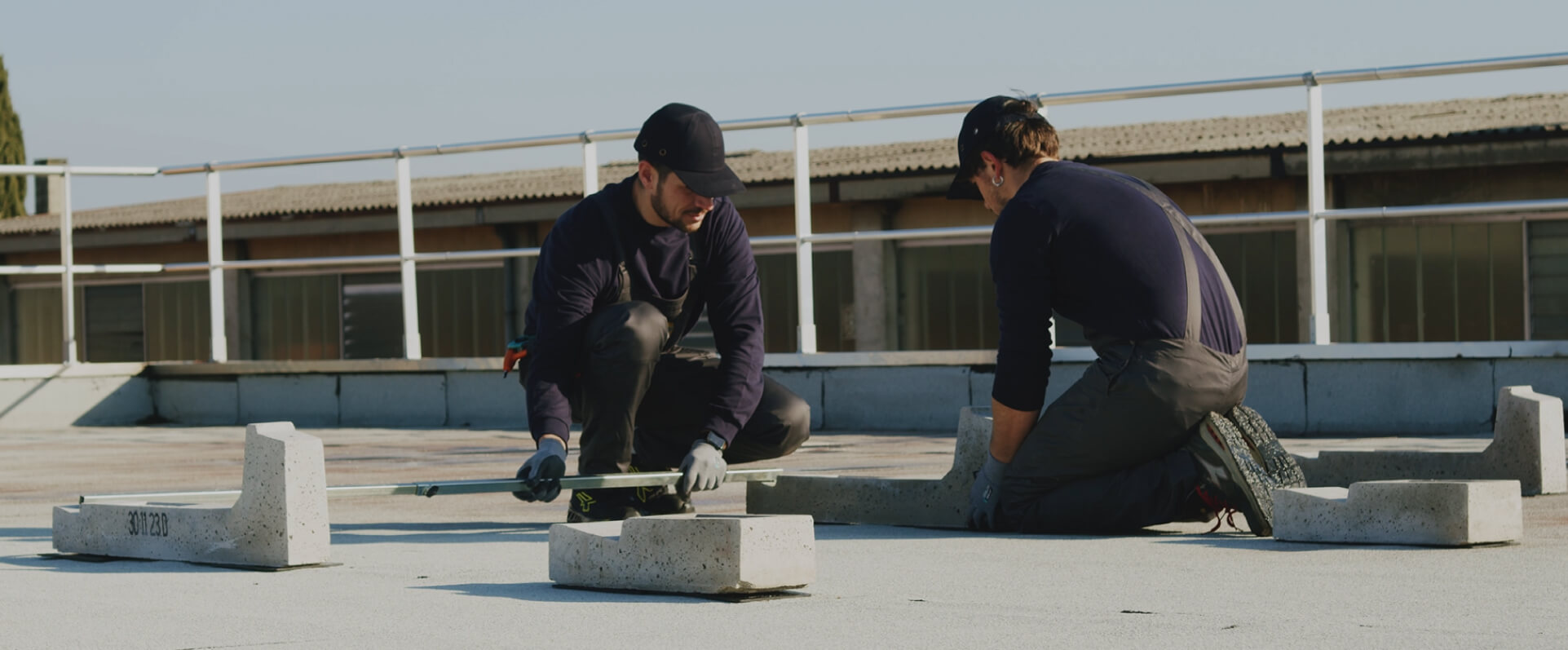
Installers in Italy face familiar challenges: tight schedules,
variable roof conditions, and the risk of leaks caused by mechanical fixings. A solar plant
structure using precast concrete ballast blocks helps remove those pain points. No roof
perforations means less coordination with waterproofing crews and fewer liabilities after
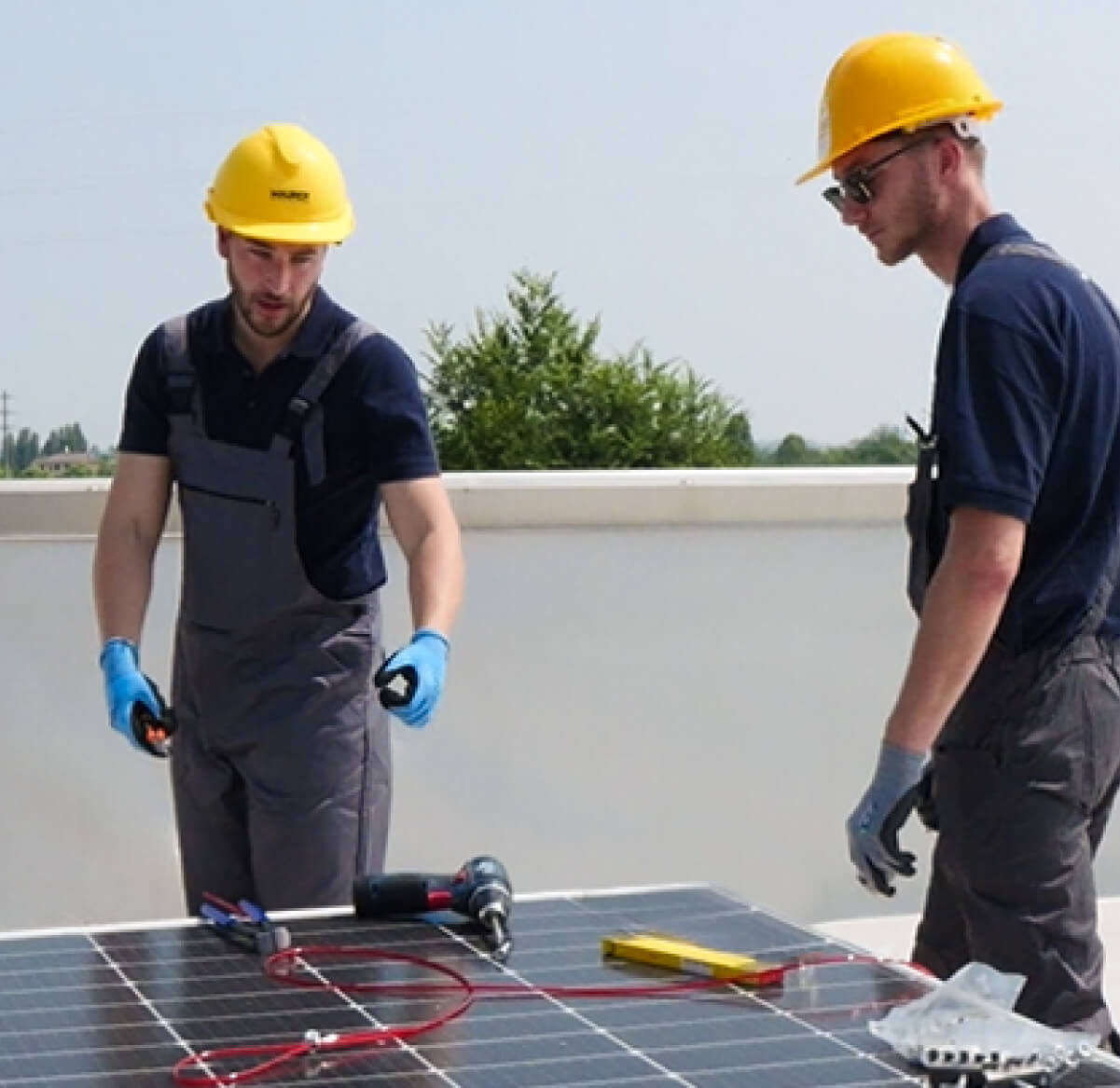
handover. The system can also reduce the number of components compared to traditional racking,
making logistics easier and minimizing assembly time. Practical advantages show up immediately
on site: intuitive positioning, stable support, and a streamlined path for cable management and
module alignment. For many projects, this translates into faster installation, more consistent
quality, and smoother approvals—especially when the mounting structure is engineered to handle
wind uplift and rooftop loads. When you can install faster without compromising safety, you
protect margins and reputation at the same time.
Technical support and sizing: reduce risk and
improve performance
For designers and engineers, a solar plant structure must come
with trustworthy data. Wind calculations, load distribution, tilt angles, and roof constraints
all affect the PV system’s yield and compliance. That’s why a complete solution matters:
technical support during design, help with system sizing, and guidance that carries the project
through execution. In practice, having tested, durable mounting options for flat roofs reduces
uncertainty and accelerates decision-making. It also supports better energy performance by
enabling optimized module orientation and stable spacing. Distributors benefit too, because an
easy-to-explain mounting concept—ballasted, no-drill, fast to install—creates steady demand and
fewer post-sale issues. If you want a solar plant structure that feels like a technical
partnership rather than a simple component, choose a solution focused on reliability,
simplicity, and continuous innovation—built for the realities of Italian rooftops.