Why Solar Panels Roof Mounting Systems Matter
on Flat Roofs
Choosing the right solar panels roof mounting systems is the
difference between a smooth installation and days of headaches on site—especially on flat roofs,
where waterproofing and wind exposure are constant concerns. Installers and designers in Italy
increasingly look for solutions that reduce roof risk, simplify logistics, and keep projects on
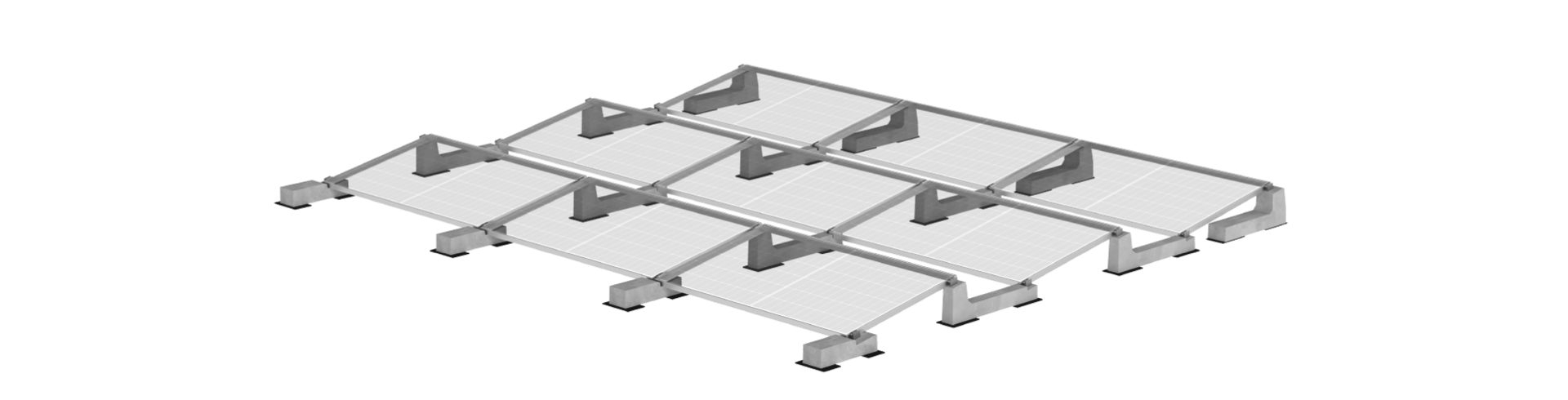
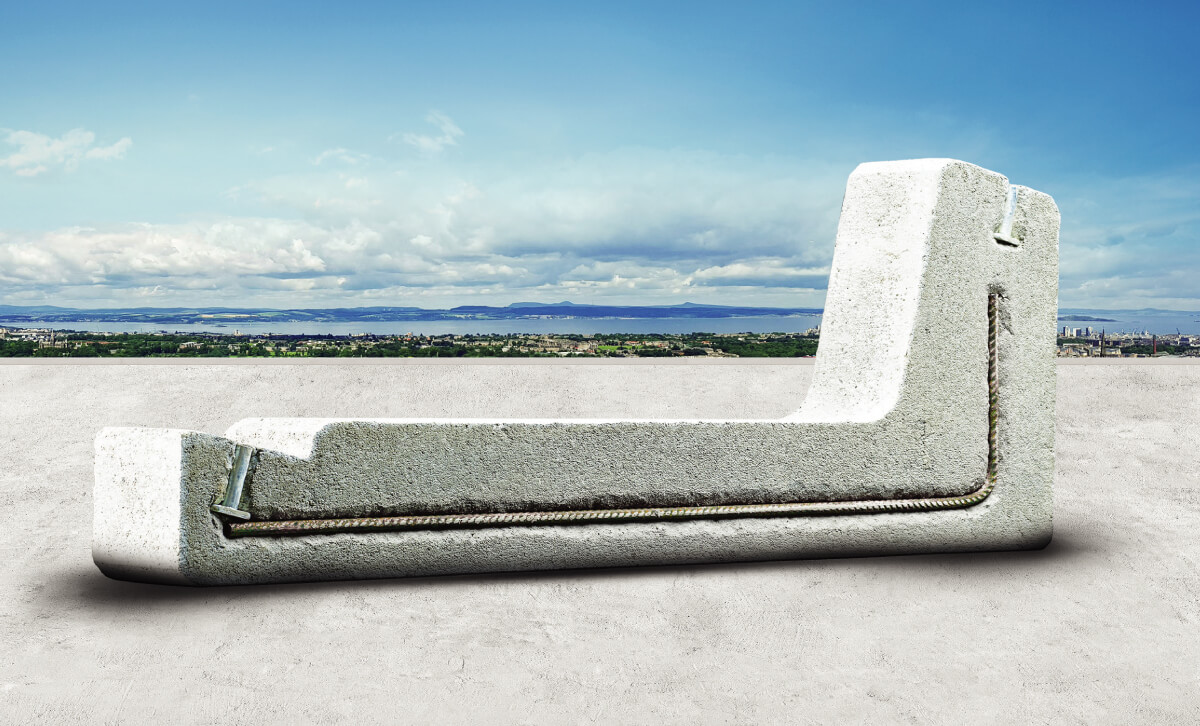
schedule. That is why ballast-based mounting systems are gaining momentum: instead of drilling
through the membrane, they use engineered concrete weights to secure PV modules while protecting
the roof covering. Fewer penetrations means fewer leaks, fewer call-backs, and more confidence
for everyone involved.
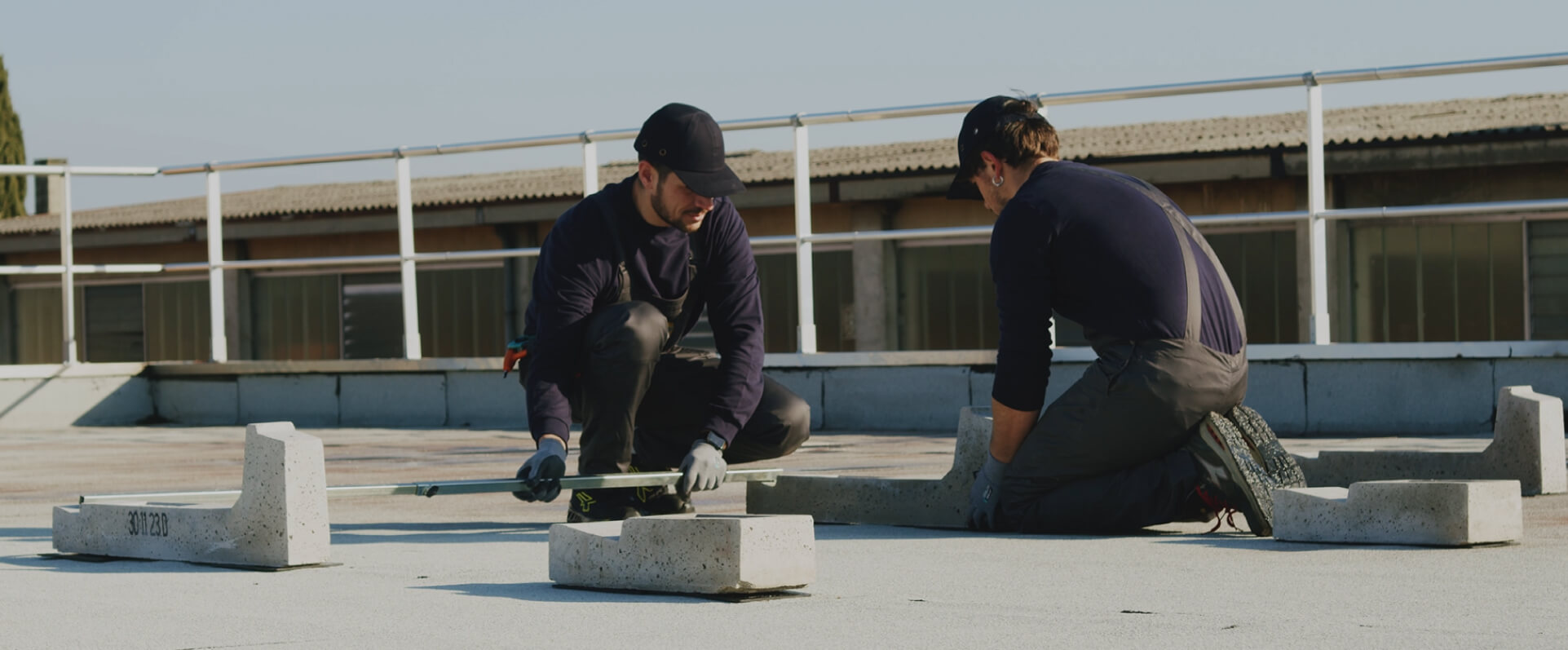
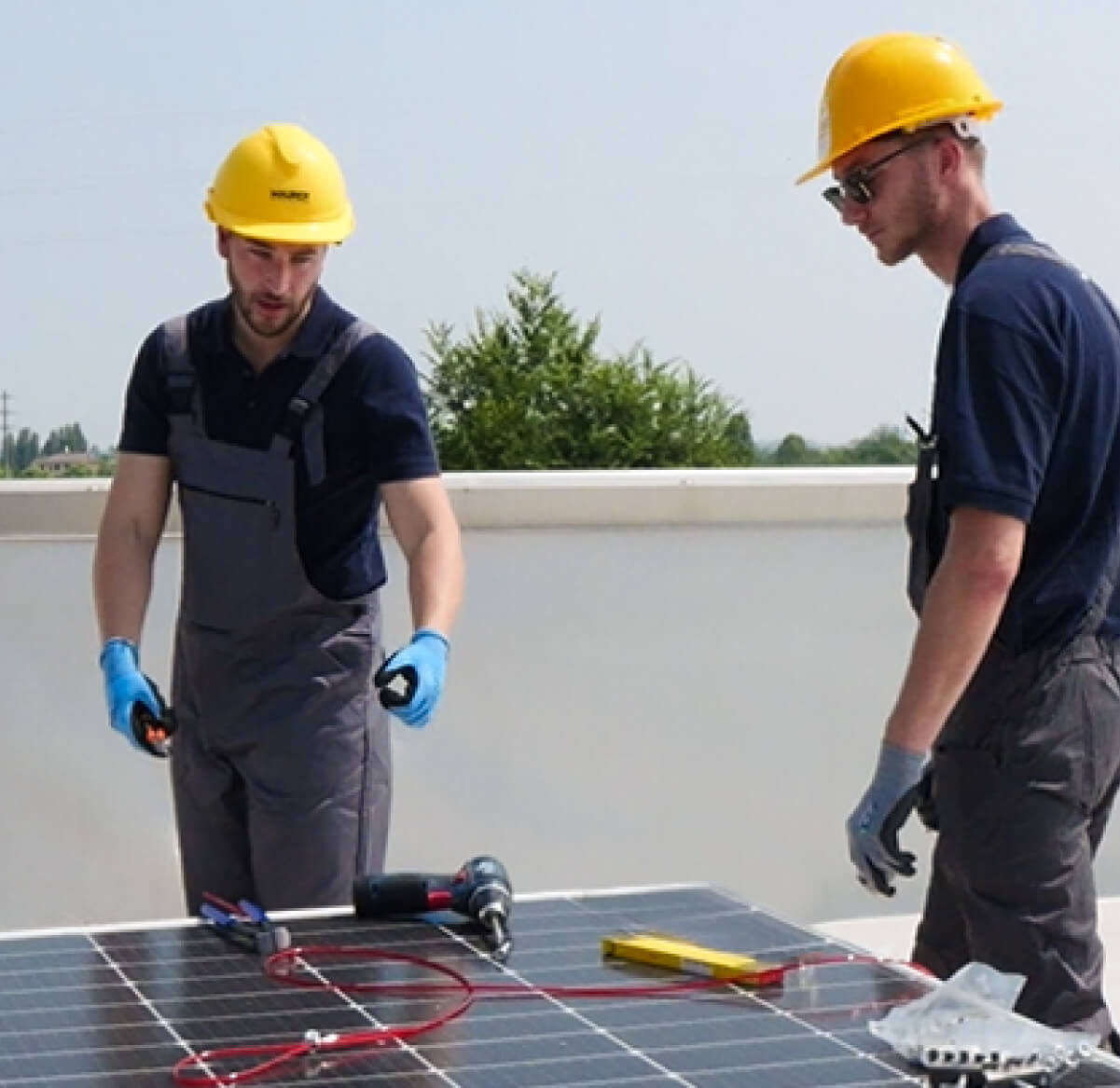
For installers, the biggest advantage is speed. A well-designed ballasted racking setup can cut
assembly time thanks to fewer components, intuitive positioning, and less time spent measuring
and fixing anchors. For engineers and technical offices, what matters is predictable
performance: verified load data, wind resistance, and reliable structural behaviour that
supports accurate PV system sizing. And for distributors, a recognisable, easy-to-explain
product is far easier to stock and sell.
In practice, modern flat-roof PV mounting is not just “hardware.” It is a complete approach that
includes project guidance, layout optimisation, and support from pre-design through execution.
When your solar panels roof mounting systems are built around reliability, simplicity, and
innovation, you can install more systems per month, reduce on-site complexity, and deliver
cleaner, safer results to your clients.
Key Benefits: No Roof Penetration, Faster
Installations, Lower Risk
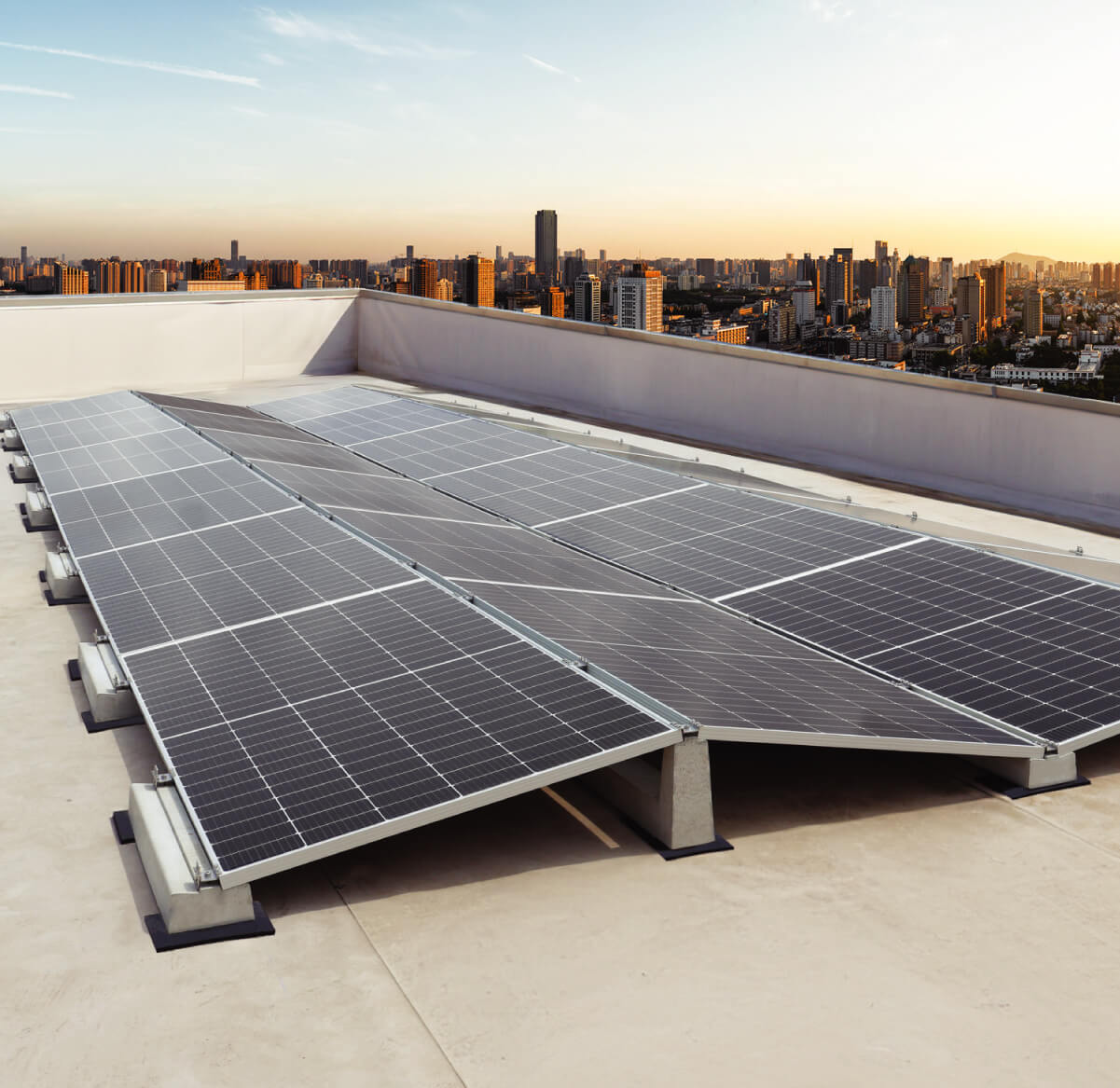
The most persuasive feature of ballasted solar panels roof
mounting systems is simple: no drilling into the roof. On many flat roofs—industrial buildings,
warehouses, commercial spaces—penetrations can compromise waterproof layers and create long-term
maintenance issues. A concrete ballast solution avoids that risk while still delivering stable,
wind-resistant support for PV modules.
From a crew leader’s point of view, fewer parts mean fewer mistakes. Quick alignment, repeatable
assembly steps, and reduced tooling can translate into faster installs and fewer surprises. For
project managers, that speed is money: fewer labour hours, smoother scheduling, and easier
coordination with other trades.
From a technical standpoint, the right system also supports the calculations you cannot ignore:
wind uplift, roof loads, module tilt, row spacing, and overall plant yield. Having tested,
field-proven configurations makes design work more straightforward and reduces
responsibility-related stress. When technical support is part of the package—help with sizing,
layout, and documentation—designers and installers can move from quote to commissioning with
greater certainty.
Ultimately, these solar panels roof mounting systems help teams in Italy deliver PV projects
that are cleaner, safer, and built to last—without turning the roof into a weak point.
How to Choose the Right Solution for Your Next
Flat-Roof PV Project
When evaluating solar panels roof mounting systems for a flat
roof, start with three questions: How quickly can it be installed? How safe is it for the roof?
And how solid is the technical backing behind the numbers?
Look for a system designed specifically for flat-roof photovoltaics, with concrete ballast
elements engineered for stability and long service life. Prioritise solutions that minimise
components and simplify on-site work—because every extra bracket, rail, or fastening step
increases install time and the chance of errors.
Next, verify technical reliability. You need clear data for wind zones, load distribution, and
project-specific layouts. A strong partner should help with PV sizing, arrangement optimisation,
and the documentation required by engineers and clients. That support is especially valuable
when deadlines are tight or the roof has constraints such as limited parapet height, sensitive
membranes, or access restrictions.
Finally, consider how easily the solution can be specified and repeated across multiple sites.
For installers, repeatability means higher productivity. For designers, it means fewer unknowns.
For distributors, it means a product that matches stable demand.
If your goal is to install faster, avoid roof penetrations, and reduce complexity without
compromising safety, a ballasted approach can be the smart, practical choice for your next
project in Italy—built around dependable solar panels roof mounting systems that work with you
from design to execution.