Why Solar Panels on Flat Roofs Are a Smart
Choice in Italy
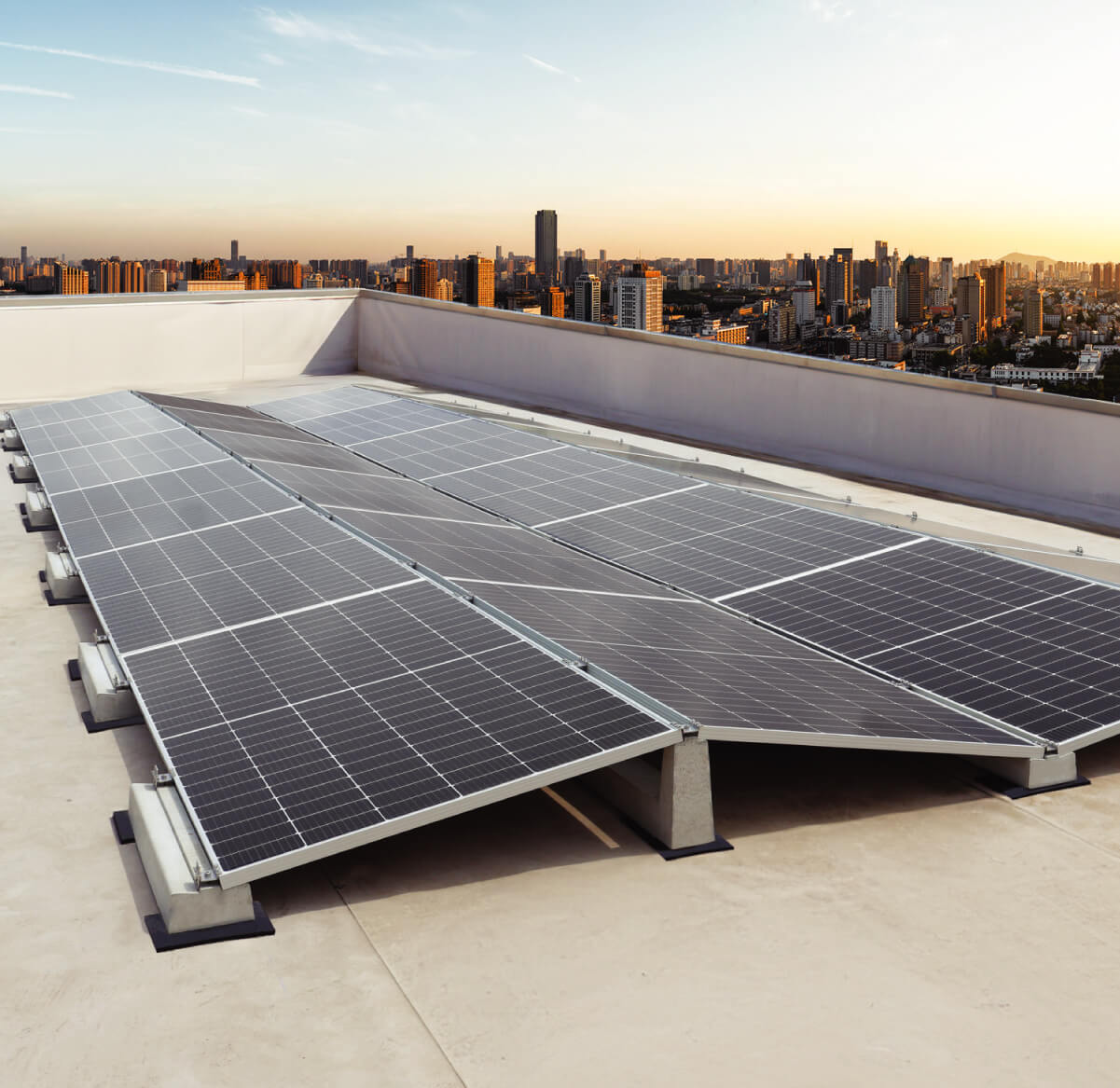
Installing solar panels on flat roofs is one of the most practical
ways to unlock unused surface on industrial buildings, warehouses, commercial sites, and modern
residential blocks across Italy. A flat roof offers flexible layout options, easier access for
installers, and simplified maintenance—provided the mounting approach is right. The main
challenge isn’t the PV modules themselves, but how to secure them without compromising the roof
membrane. Roof penetrations can mean waterproofing risks, longer installation times, and more
coordination on site. That’s why non-penetrating photovoltaic mounting is becoming the preferred
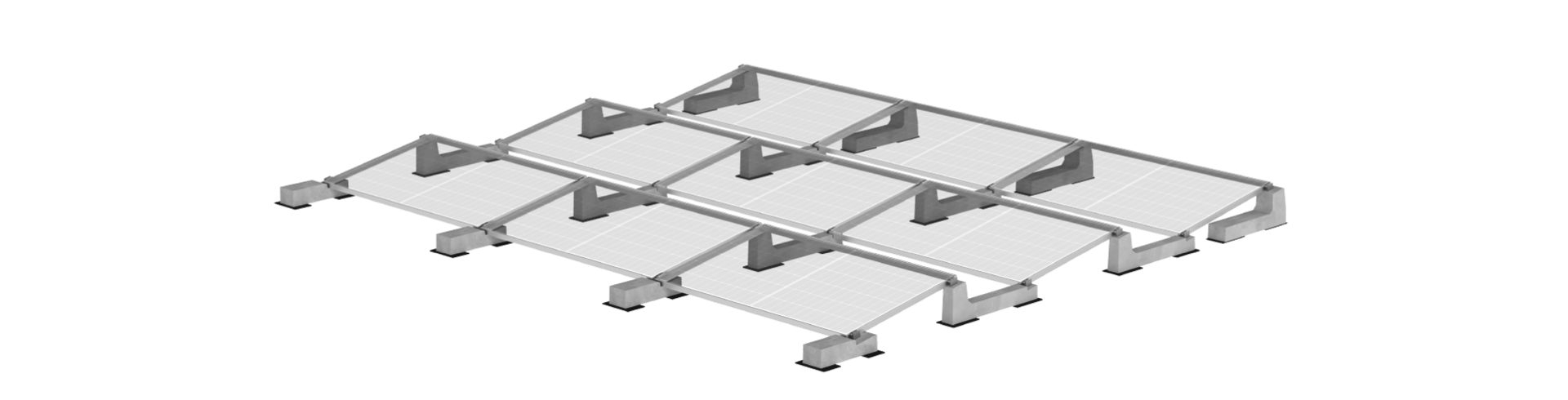
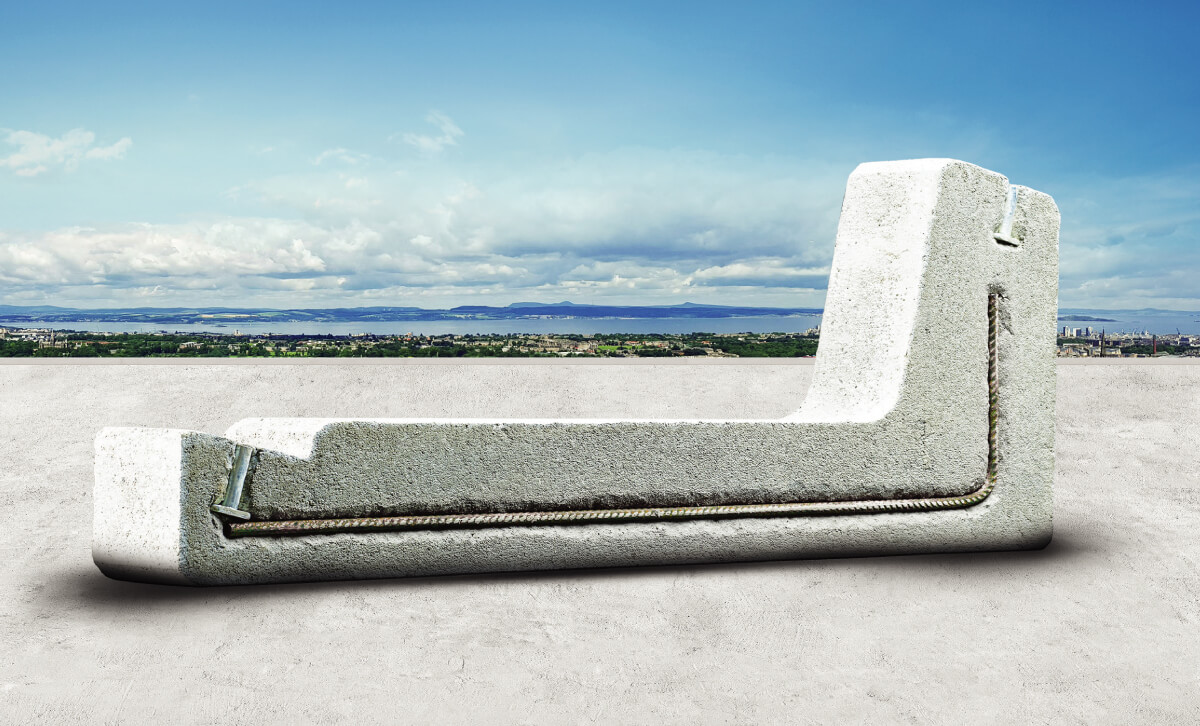
route for professionals who want predictable results. Ballasted solutions—using engineered
concrete weights—help keep the system stable while avoiding holes in the roof. For installers,
that translates into fewer components, faster assembly, and cleaner logistics. For designers and
engineers, it means clear load paths, reliable data for wind uplift checks, and a repeatable
method that reduces project uncertainty. When the goal is to deliver efficient flat roof PV
installations on schedule, choosing a mounting system designed specifically for flat roofs is
the difference between a smooth handover and a problem waiting to happen.
No-Drill Ballasted Mounting: Speed, Safety,
and Less Risk
On-site realities matter: tight timelines, multiple trades, and
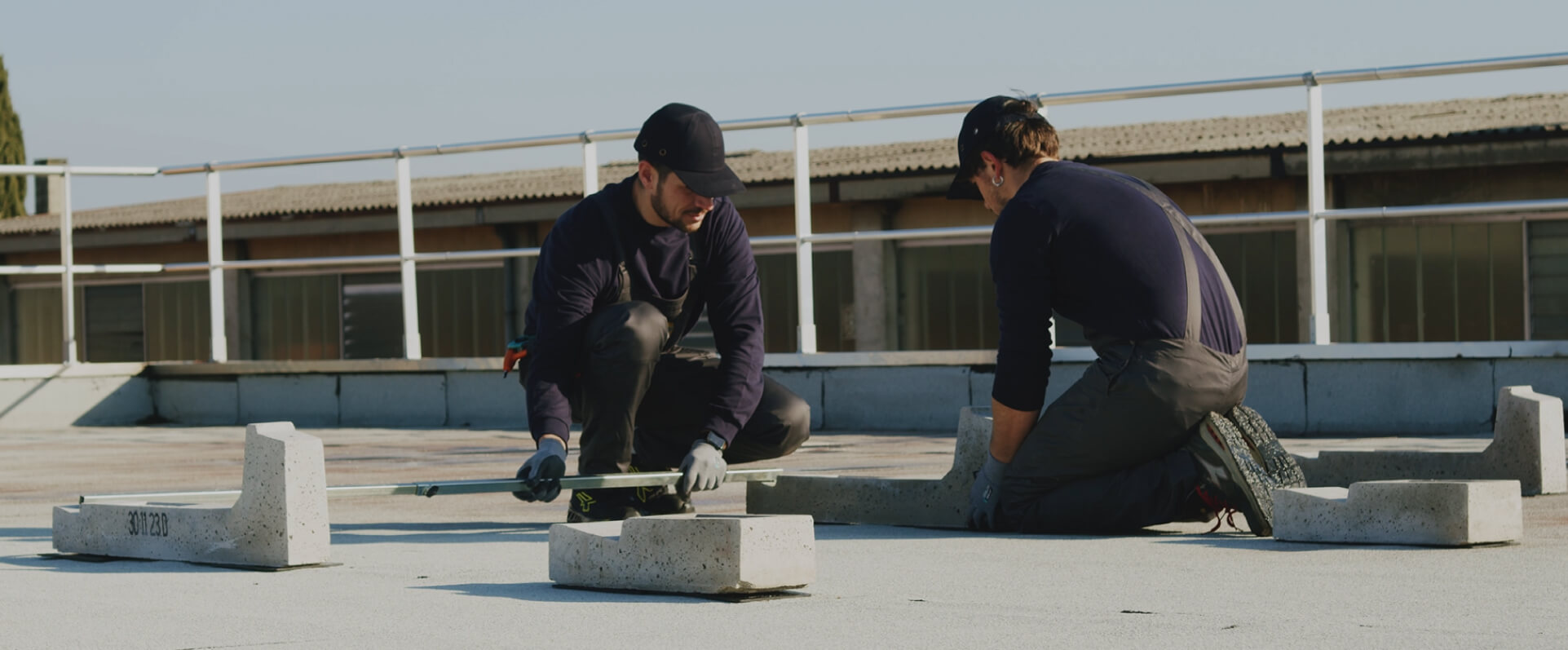
the constant pressure to avoid callbacks. A ballasted racking approach for solar panels on flat
roofs is built for that environment. By relying on concrete ballast rather than roof fixings,
the installation avoids perforating waterproof layers—reducing the chance of leaks and expensive
remediation. Many teams also appreciate the streamlined workflow: fewer tools, fewer roof
interventions, and fast positioning of supports. From an engineering perspective, the key topics
are wind loads, roof load capacity, and aerodynamic stability. A well-designed ballast system
supports proper module tilt, manages spacing, and helps control uplift forces. For Italy’s
varied wind zones and coastal conditions, having proven, tested configurations and technical
documentation is essential. This is where professional support adds real value: sizing guidance,
layout optimization, and assistance through the project phase up to execution. The result is a
safer, more efficient flat roof solar installation that balances performance and structural
constraints while keeping the roof intact.
What Professionals Should Look For in Flat
Roof PV Support Systems
If you’re specifying or installing solar panels on flat roofs,
focus on three pillars: reliability, simplicity, and innovation. Reliability means durable
supports, consistent manufacturing quality, and solutions that have been validated for
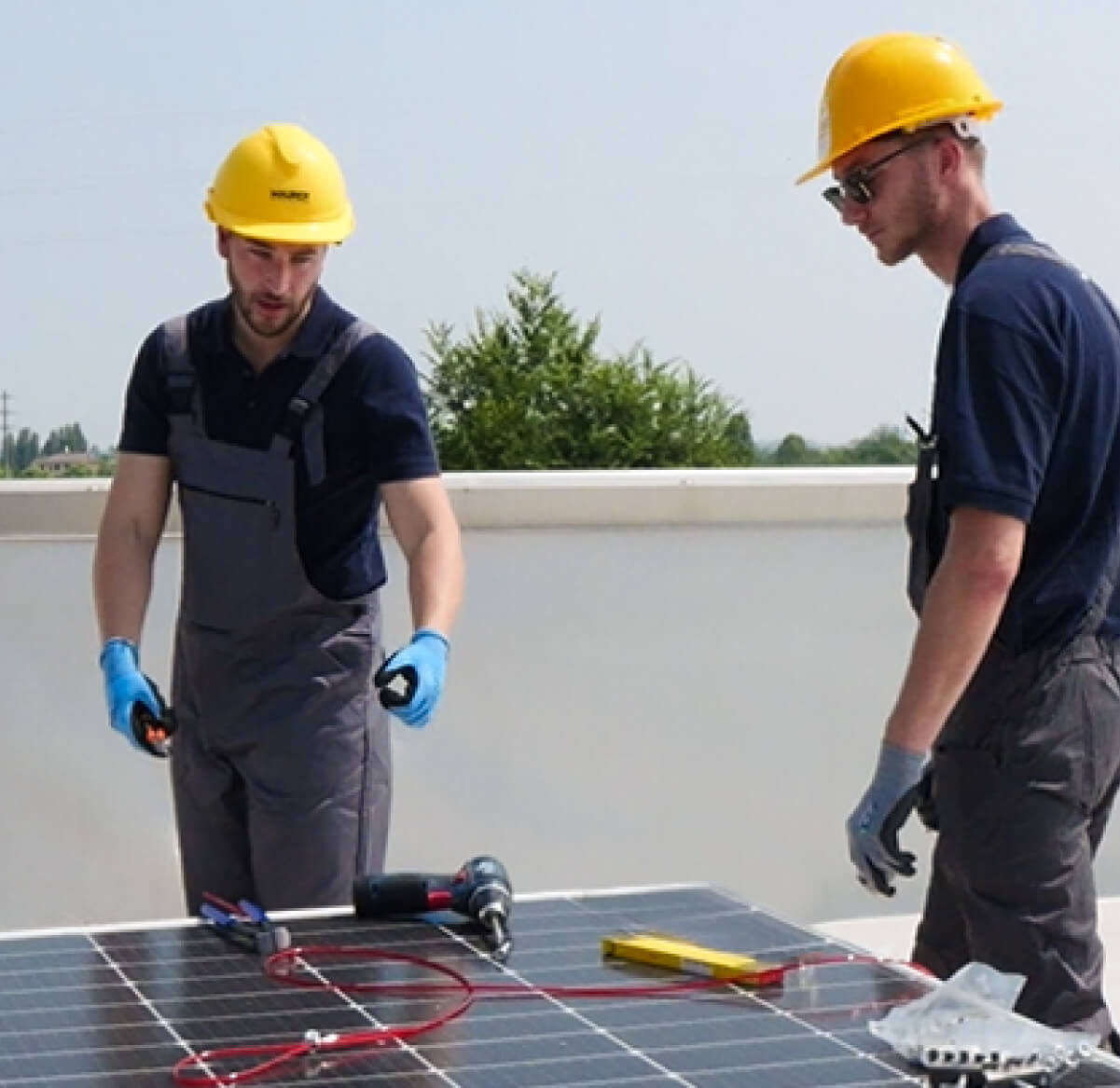
real-world conditions. Simplicity means quick, intuitive installation with minimal parts—so
crews can complete more arrays per day and reduce site complexity. Innovation means having
multiple configurations for different tilts, orientations, and roof types, allowing you to
tailor the PV system to energy goals and shading constraints. Also consider the “hidden”
benefits that make projects smoother: technical support during design, dependable data for
calculations, and commercial assistance that keeps procurement and delivery predictable. For
distributors, a recognizable, easy-to-explain solution with steady demand is easier to move. For
engineering teams, tested solutions reduce risk and responsibility pressure. For installers, the
biggest win is speed without sacrificing safety. When all these elements come together, flat
roof photovoltaic systems become easier to deliver—helping your clients cut energy costs while
you reduce operational headaches and protect the roof from unnecessary damage.