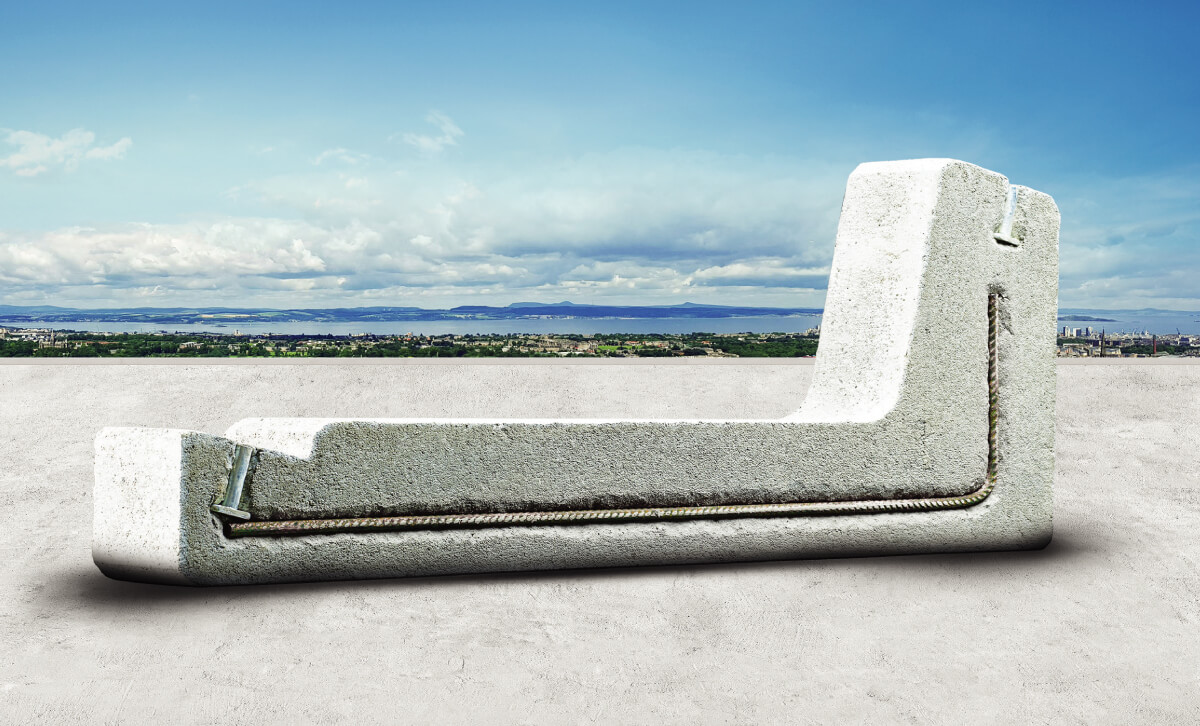
Flat-Roof Solar Done Right: Why Mounting
Systems Matter
In Italy, flat roofs on warehouses, commercial buildings, and
industrial sites are prime locations for PV—but only if the structure on top is engineered
properly. Choosing the right solar panels mounting systems is not just a hardware decision: it
affects safety, installation time, waterproofing, and long‑term performance. For installers, the
biggest headache is often the same—too many components, slow assembly, and uncertainty on site.
For designers and engineers, the challenge is proving reliability under wind loads, verifying
roof loads, and producing clear documentation. A ballast-based approach can remove many of these
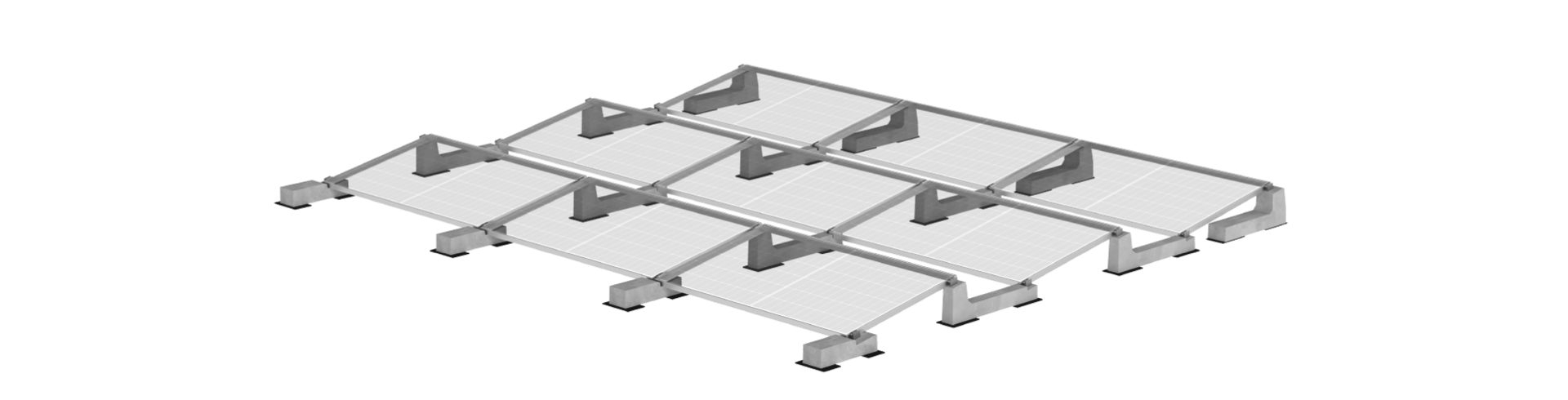
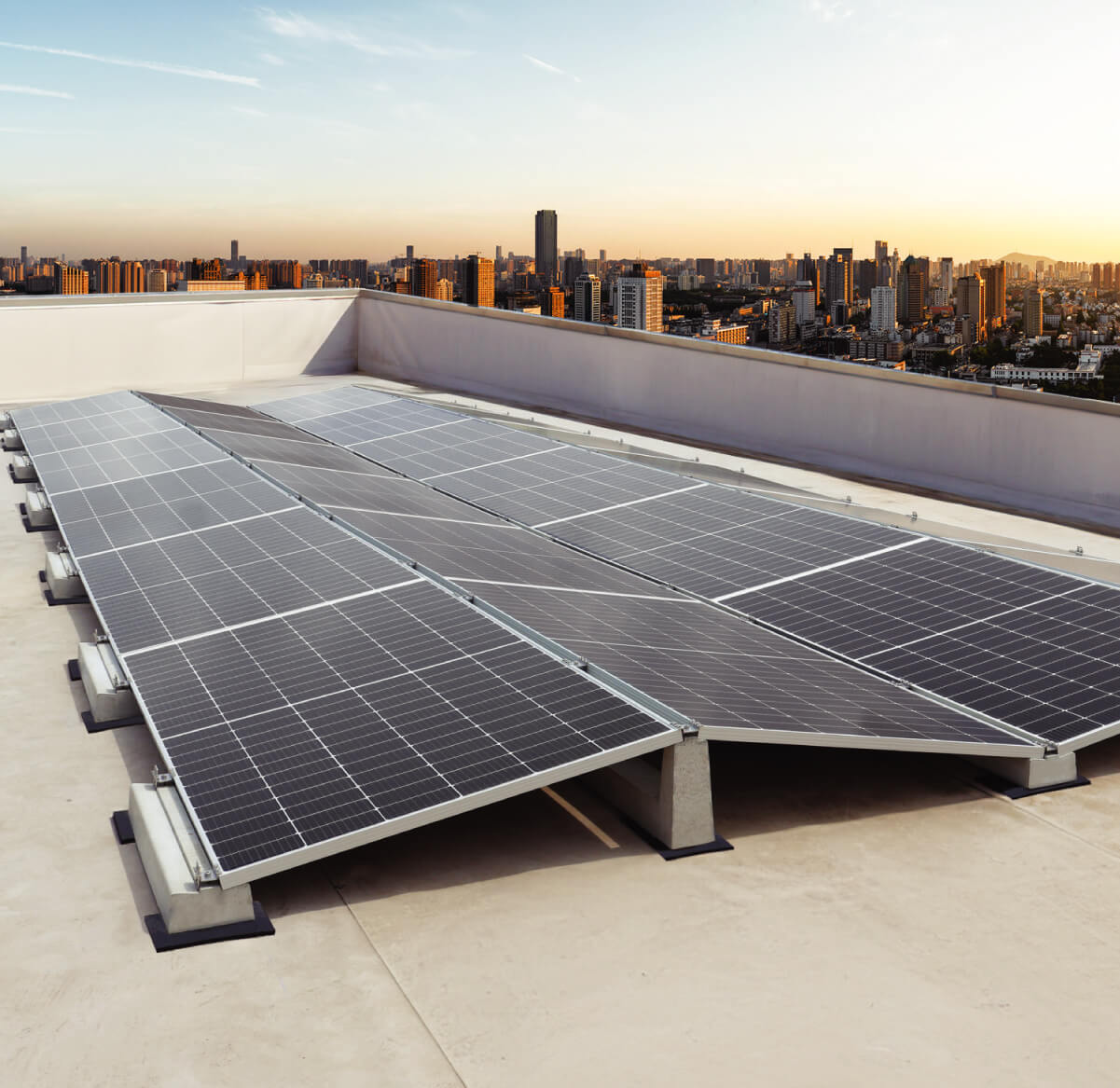
friction points. Instead of drilling through the membrane, concrete weights hold the PV arrays
in place, reducing the risk of leaks and avoiding complex roof anchoring. That means fewer
variables to manage, cleaner workflows, and quicker commissioning. The result is a mounting
solution that fits the realities of Italian construction: varied roof stratigraphy, strict
safety expectations, and the need to finish projects on schedule. When a mounting system is
simple, tested, and repeatable, it becomes easier to standardize installations across multiple
sites—while keeping quality high and call-backs low.
Concrete Ballast Solutions: Faster
Installation, Less Risk
Ballasted solar panels mounting systems are built for speed and
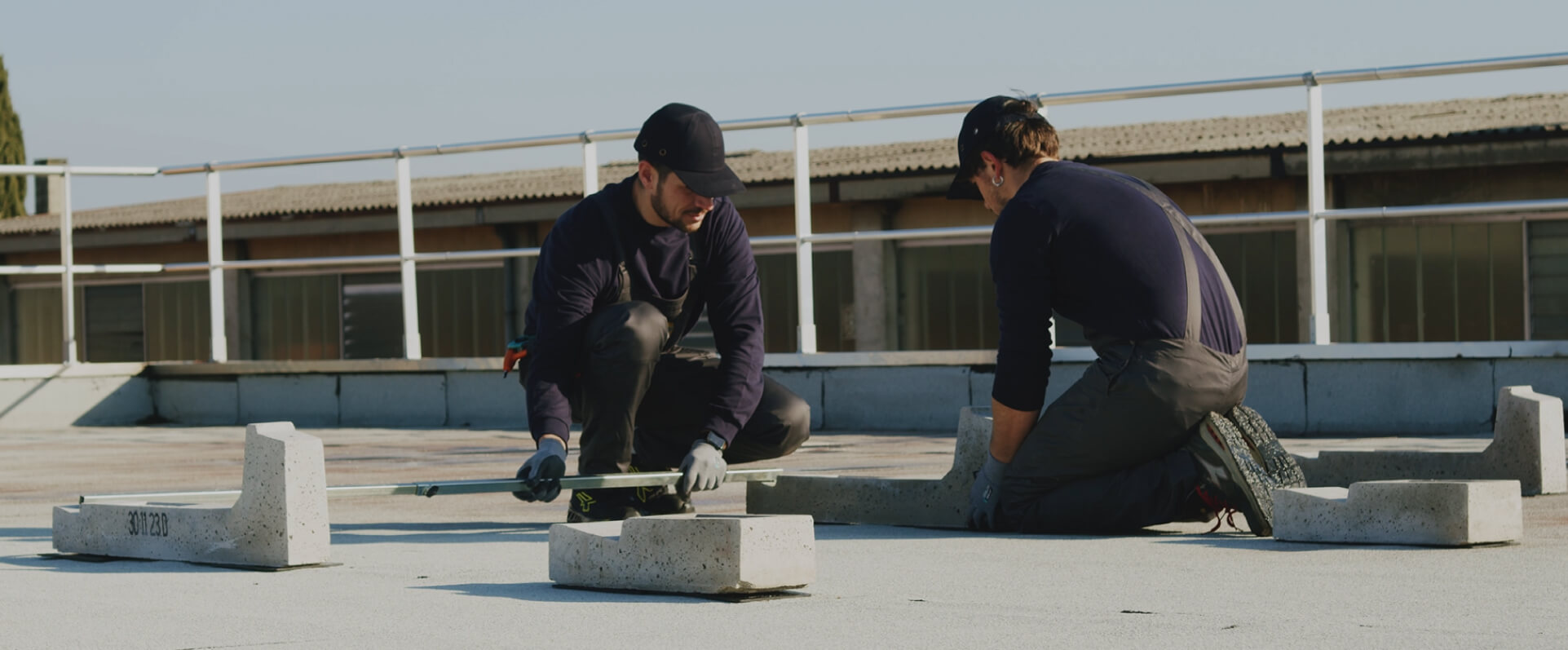
practicality. With pre-engineered concrete supports, crews can position modules quickly, align
rows with consistent geometry, and minimize the number of loose parts handled on the roof. The
biggest advantage is straightforward: no roof penetrations. For flat roofs, that can translate
into fewer waterproofing concerns, less coordination with roofing contractors, and a smoother
handover to the client. These systems are also well-suited for retrofits, where preserving the
existing roof is a top priority. From an operational point of view, a reduced bill of materials
helps distributors and installers alike—stocking is simpler, training is faster, and site errors
drop. For technical offices, having a solution that is already tested and designed around real
installation constraints makes dimensioning easier, especially when evaluating wind uplift,
ballast distribution, and structural loads. When combined with professional support during the
design phase, a ballast system becomes more than a product: it becomes a repeatable method for
delivering flat-roof PV projects with confidence across Italy.
A Technical Partner for Installers, Designers,
and Distributors
What professionals in the PV sector value most is predictability:
clear design inputs, reliable performance, and responsive help when deadlines are tight. The
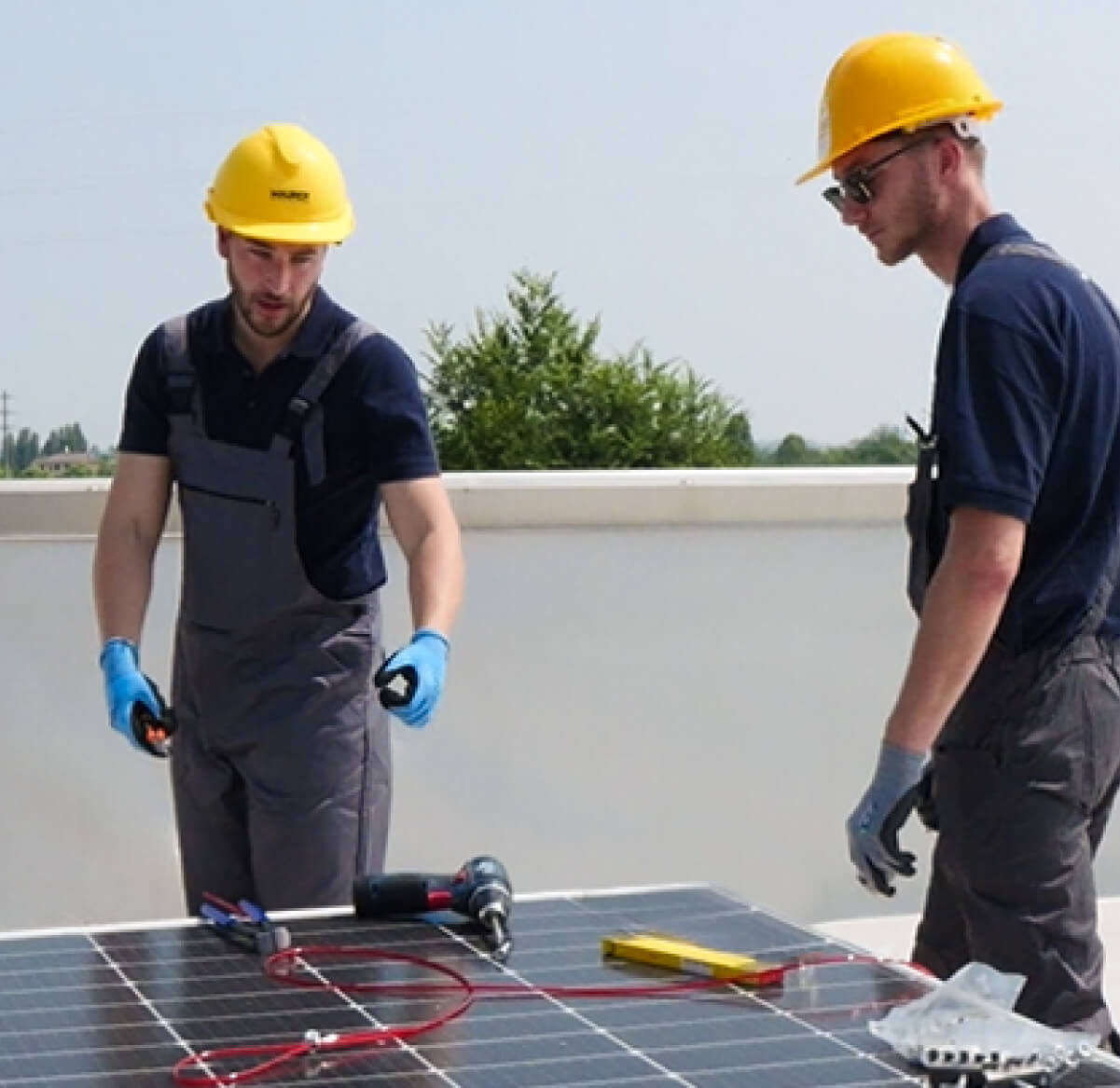
best solar panels mounting systems are backed by practical engineering support—from preliminary
layout to system sizing—so installers can arrive on site with a plan that works. Designers
benefit from dependable data for calculations and documentation, reducing project risk and
decision fatigue. Distributors gain a solution that is easy to explain and consistently
requested in the market. If you work on flat-roof photovoltaic installations in Italy, choosing
a ballasted mounting approach can simplify the entire chain: fewer on-roof complications, faster
assembly, and solid results that stand up over time. For teams looking to scale installations
without scaling problems, a concrete ballast system is a smart, field-ready choice.