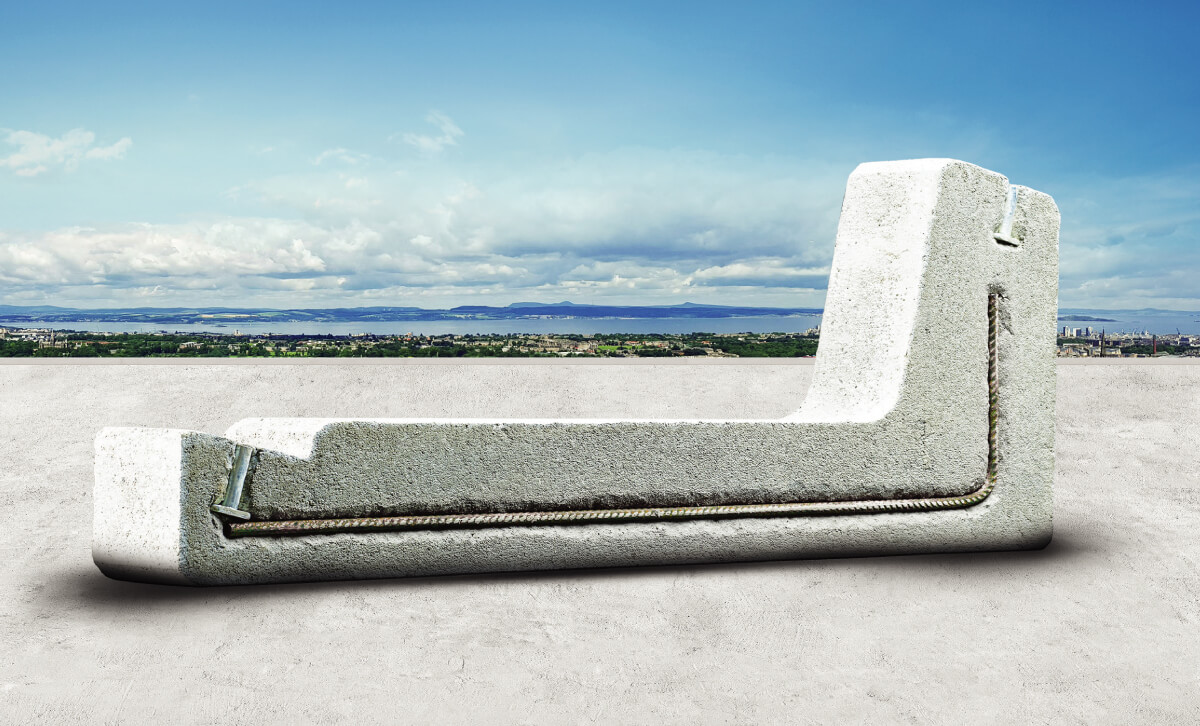
A smarter solar panels mounting structure for
flat roofs
Choosing the right solar panels mounting structure is what turns a
flat-roof PV project into a smooth installation—especially in Italy, where time on site and
waterproofing risks can make or break margins. For installers and EPC teams, the biggest
headache is often the same: too many parts, too many fixings, and too many unknowns once you’re
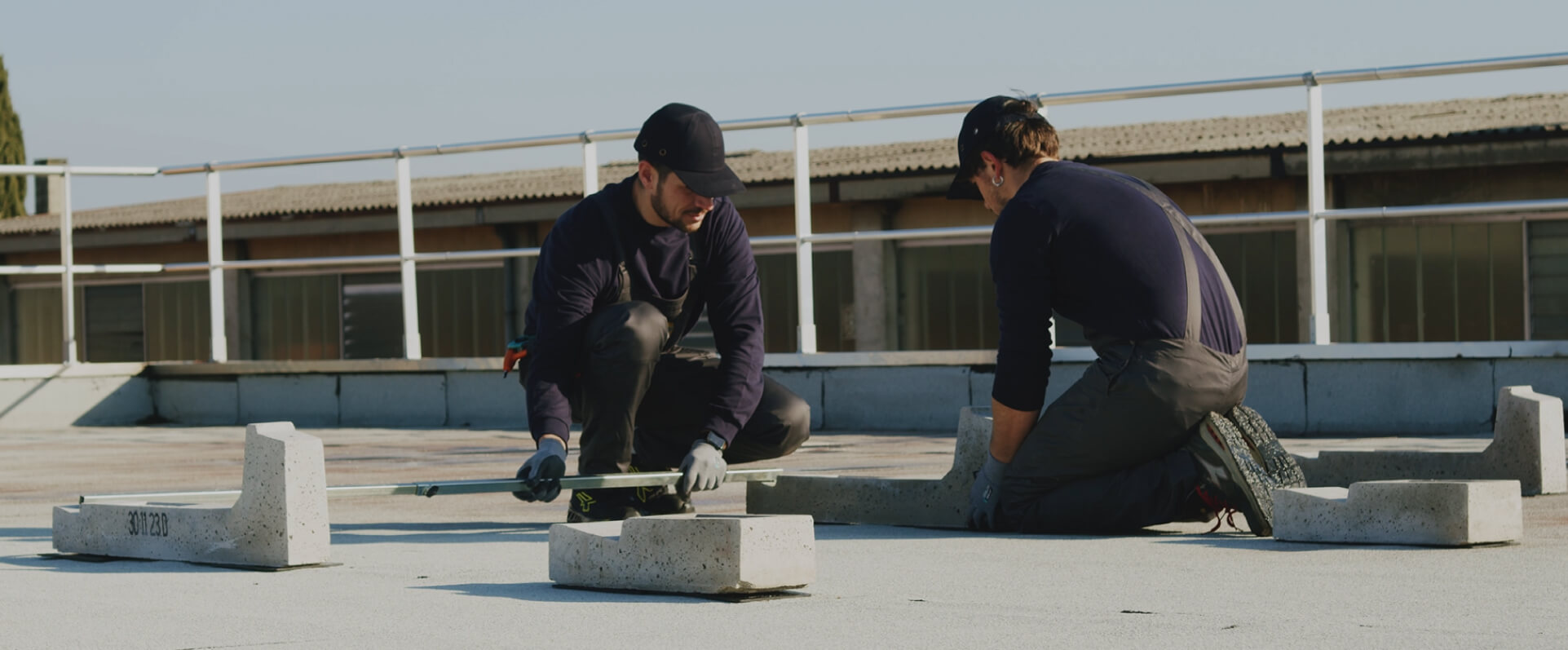
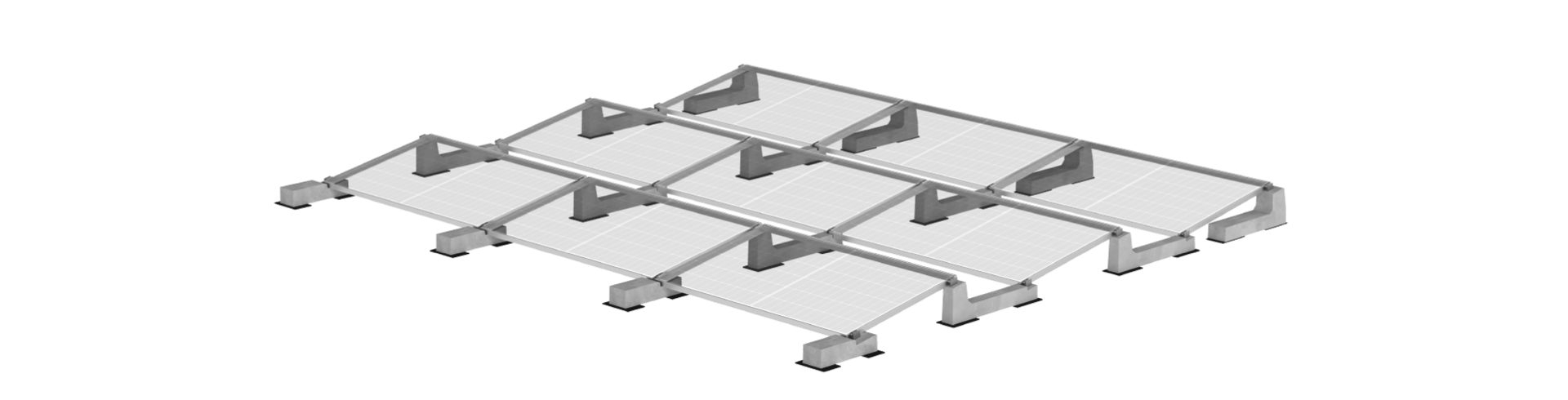
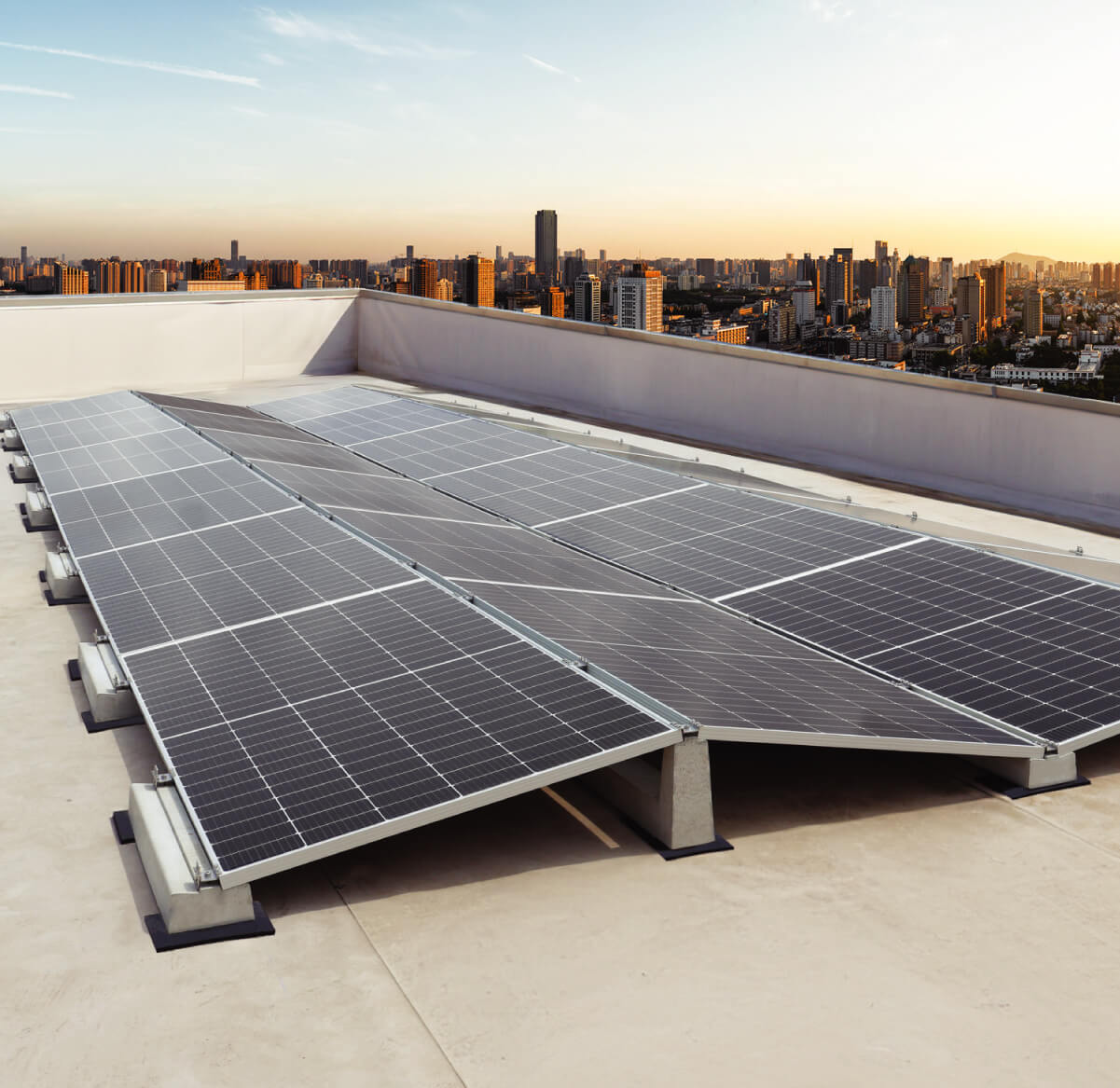
on the roof. A ballast-based mounting solution changes the game. Instead of drilling through the
membrane, concrete counterweights hold the photovoltaic modules in place, reducing the risk of
leaks and avoiding invasive roof penetrations. The result is a cleaner workflow: fewer
components to manage, faster assembly, and a system that feels intuitive even on complex
rooftops. Beyond speed, reliability matters. A well-engineered PV mounting system must handle
wind uplift, roof loads, and panel inclination while keeping the array stable over time. With
pre-designed configurations for flat roofs, you can standardize your approach across multiple
sites, reduce installation variability, and deliver consistent quality. If you work with
planners, engineers, or distributors, having a recognized solar racking approach that is easy to
explain and repeatable helps everyone—because the value isn’t just the structure, it’s the
predictability it brings to every job.
Fast installation, fewer risks, less
complexity on site
On flat roofs, every extra drilling step adds time and potential
liability. A solar panels mounting structure that relies on concrete ballasts helps you minimize
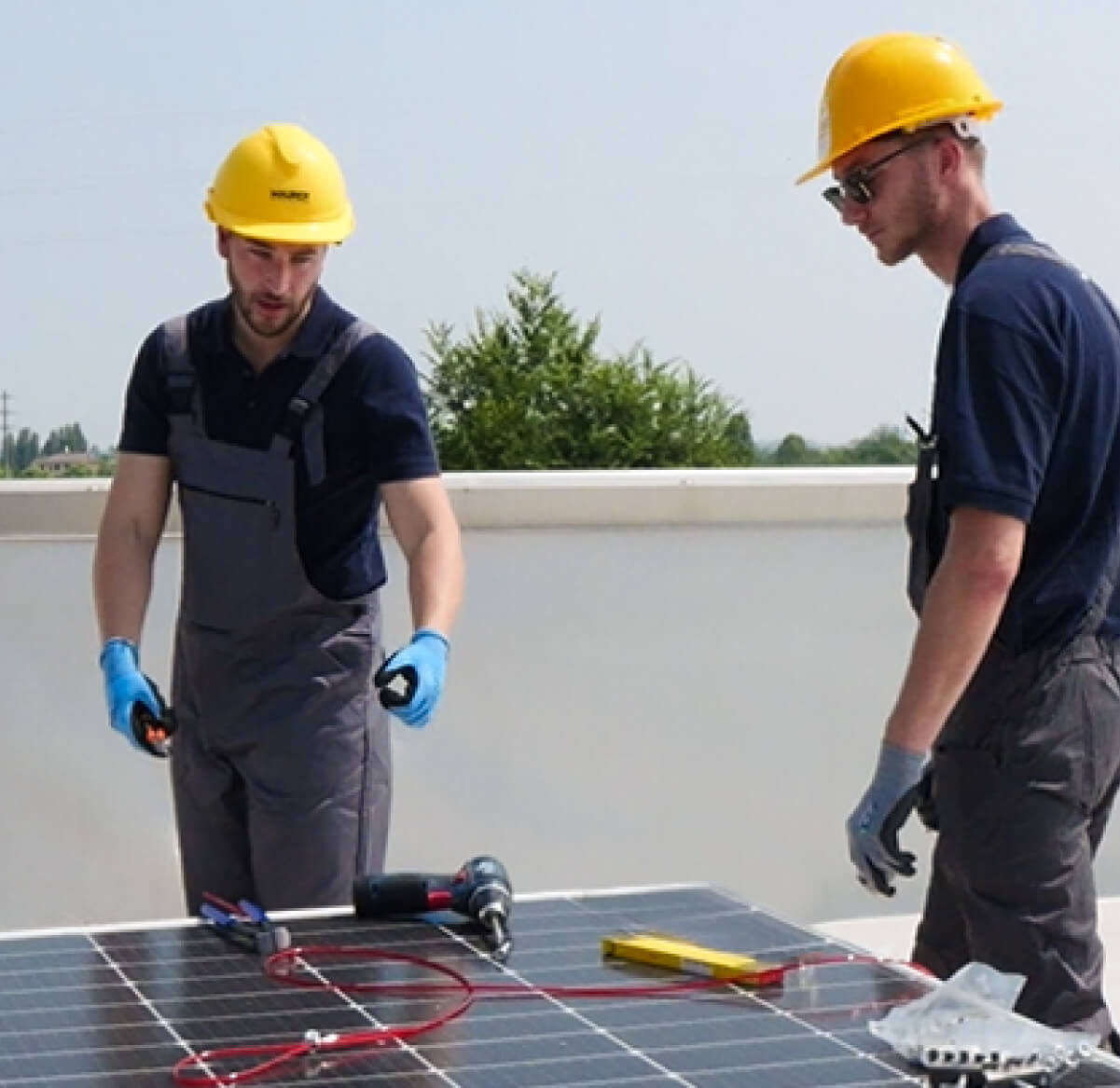
those risks while speeding up the build. With fewer fasteners and simplified layout, crews can
position the supports, place modules, and complete electrical work without waiting on
specialized roof works. That means shorter site time, easier logistics, and fewer surprises when
weather changes.
For installers, the practical benefits are immediate: reduced installation time, cleaner
material handling, and a straightforward mounting method that scales from small commercial roofs
to large industrial buildings. For distributors, it’s a product category that’s easier to sell
because the value proposition is clear—no penetrations, fast deployment, and robust
construction. And for the end client (through the professional chain), it translates into a PV
system installed with less disruption and a lower chance of future roof issues.
Technical support and proven design for
confident PV projects
A solar panels mounting structure shouldn’t leave you alone with
calculations. Designers and engineers need dependable inputs for wind exposure, load
distribution, and rooftop constraints—and they need them quickly. That’s why integrated
technical support, system sizing, and project development assistance matter as much as the
hardware itself. When the mounting solution is already tested, durable, and engineered for
flat-roof performance, you reduce design uncertainty and protect your professional
responsibility.
If you want a mounting structure that feels like a technical partner rather than “just another
supplier,” look for a complete approach: clear documentation, sizing support, and solutions
built around reliability, simplicity, and ongoing innovation. For the Italian market, where flat
roofs are common and timelines are tight, that combination is often the difference between a
stressful install and a repeatable process you can standardize across projects.