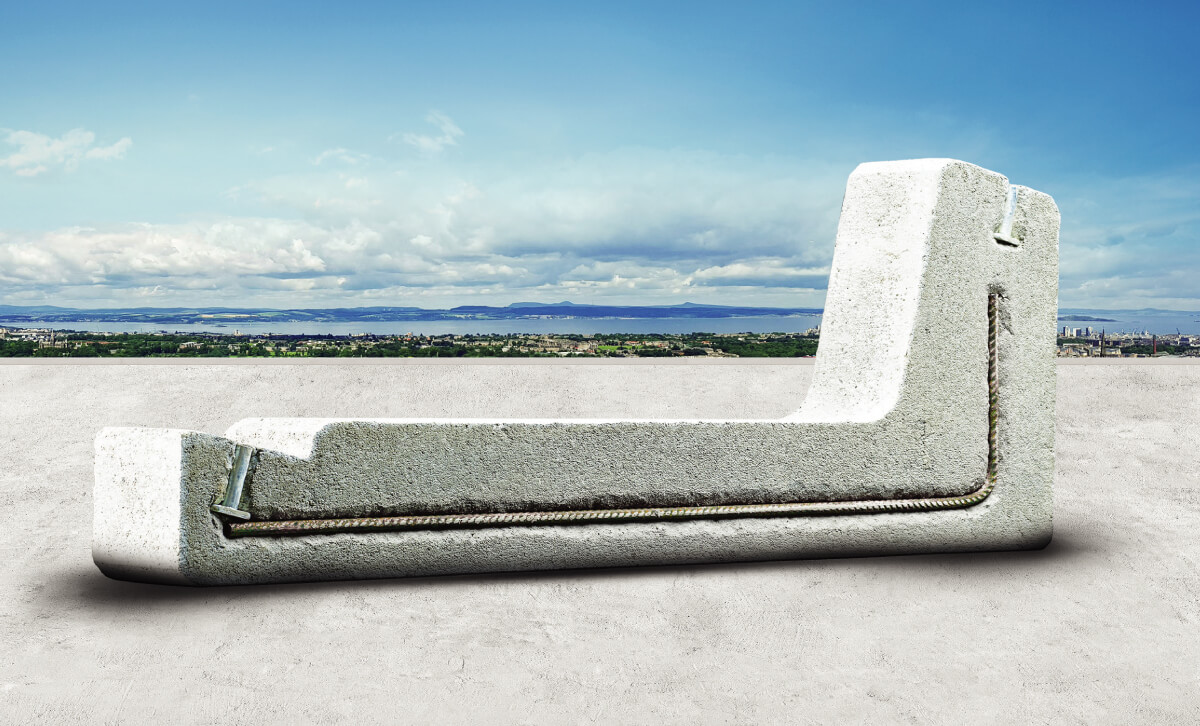
Why a Solar Panels Ballast Mount Is the Smart
Choice for Flat Roof PV
In Italy, flat-roof photovoltaics keeps growing—but installers and
designers still face the same jobsite headaches: waterproofing concerns, long installation
times, and complex structures that slow everything down. A solar panels ballast mount changes
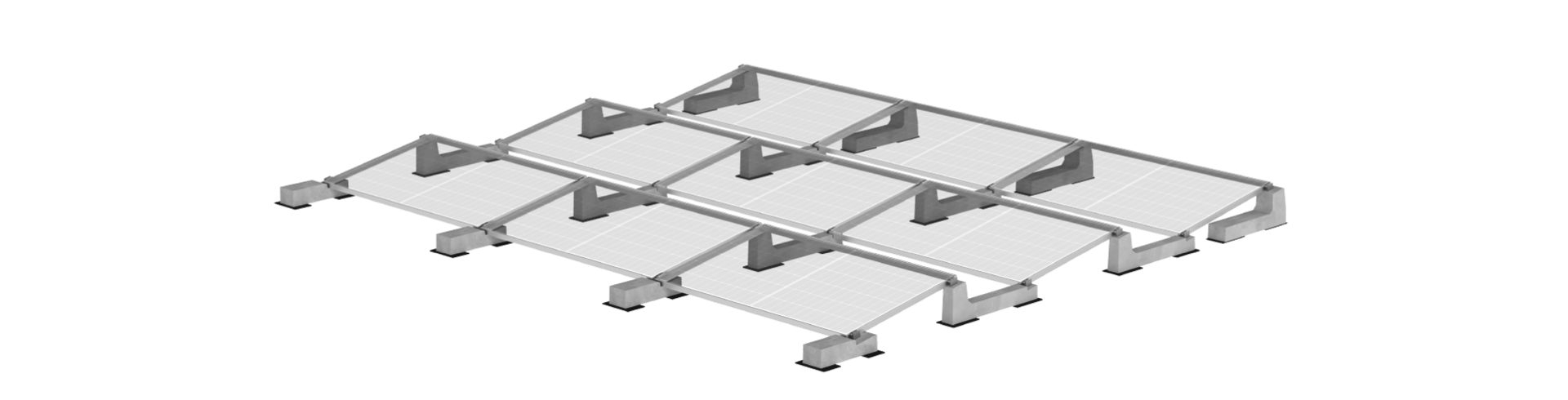
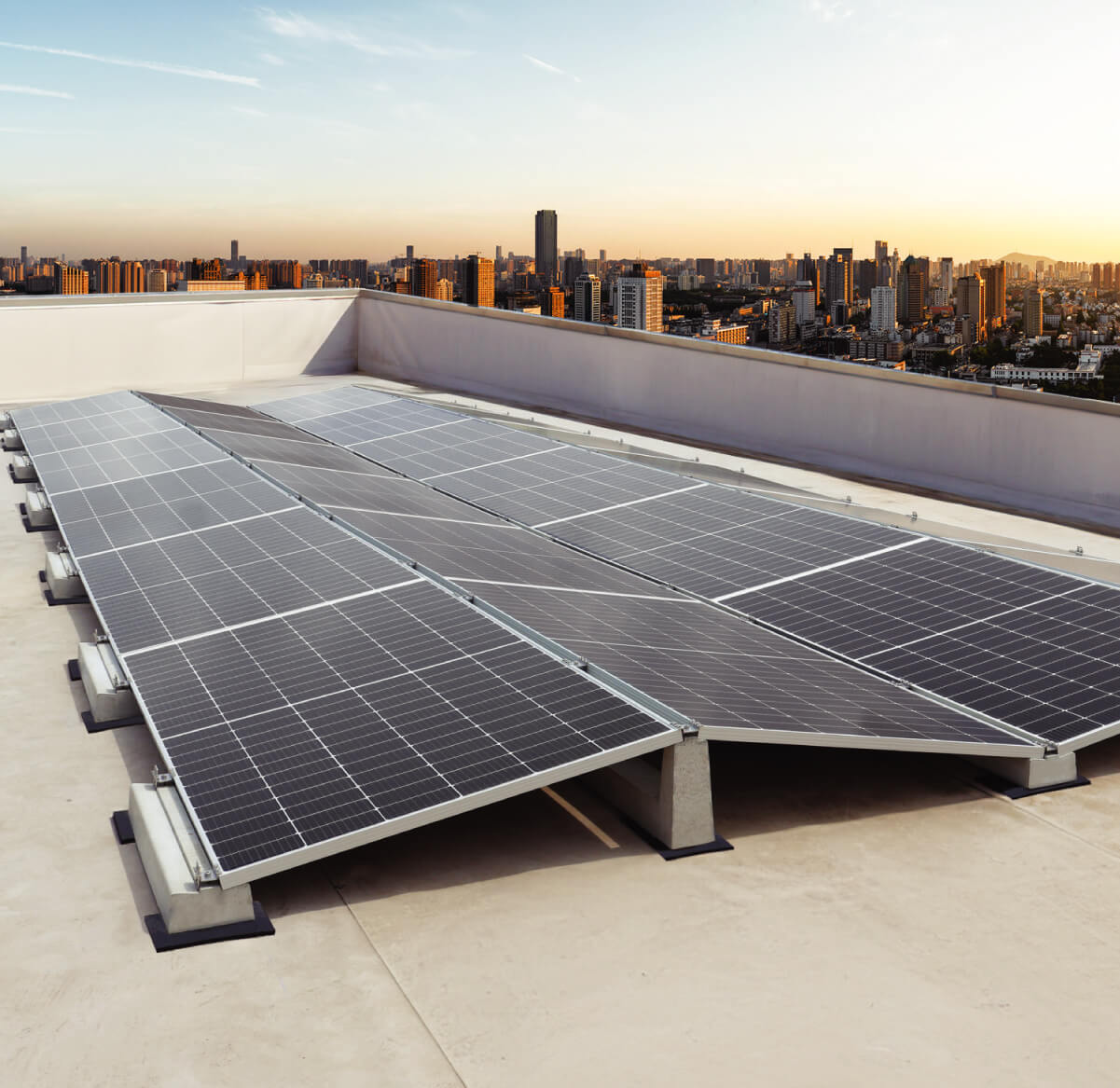
the game by securing PV modules with weight-based support, so you can avoid roof penetrations
and reduce risk on the membrane. Instead of drilling, sealing, and hoping nothing fails over
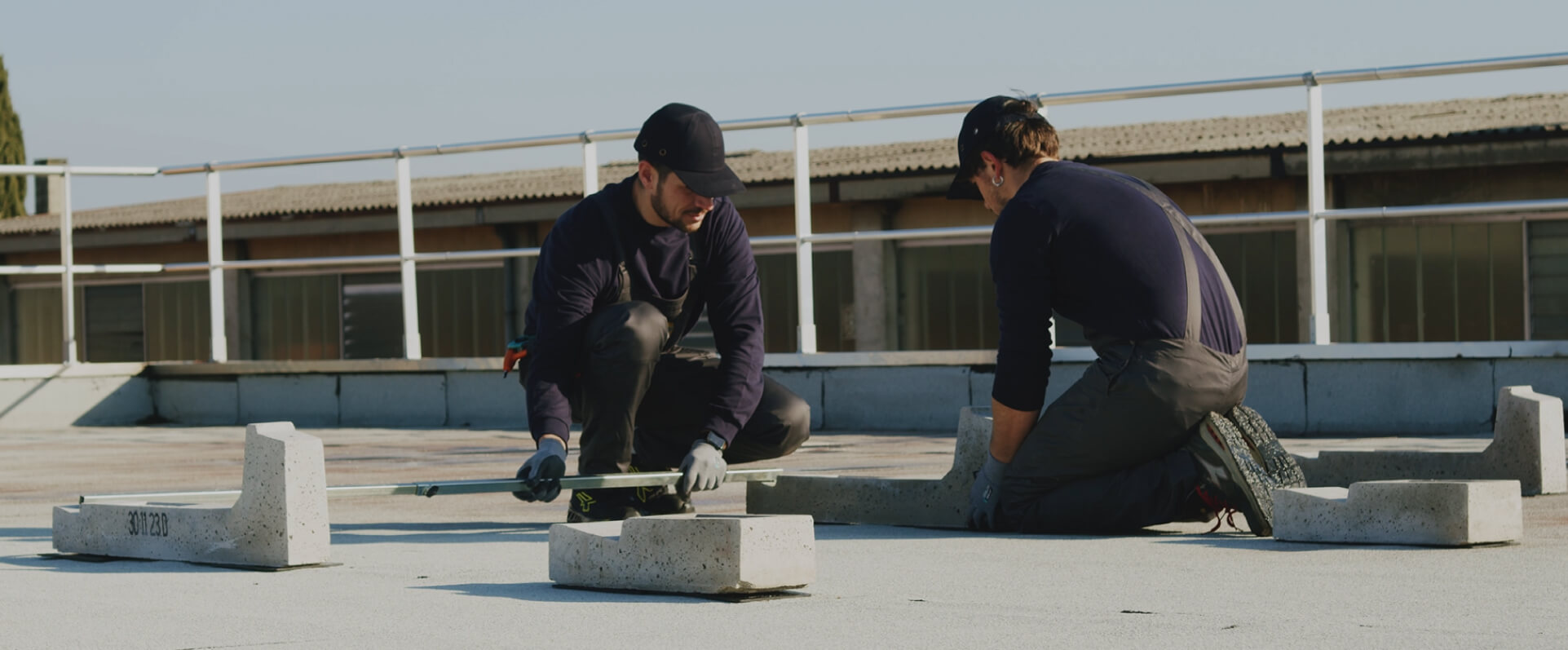
time, you place pre-engineered concrete ballast blocks that hold the system in position. The
result is a cleaner workflow, fewer components to manage, and a faster crew pace from first
pallet to final string. For installers, that means predictable timelines and less rework. For
engineers and technical offices, it means a solution built around verified load
behavior—especially important for wind uplift, roof load distribution, and code compliance. For
distributors, it’s a product category that is easy to explain and consistently requested. If
your goal is to deliver a safe, efficient PV array on a flat roof—without turning every anchor
point into a potential leak—a ballast mounting system is one of the most practical options
available today. It also supports neat cable management and consistent module alignment,
improving the finished look and simplifying maintenance inspections. In short: less hassle, more
control, and a roof that stays intact.
Designed for Speed: Fewer Parts, Faster
Installation, Less Site Risk
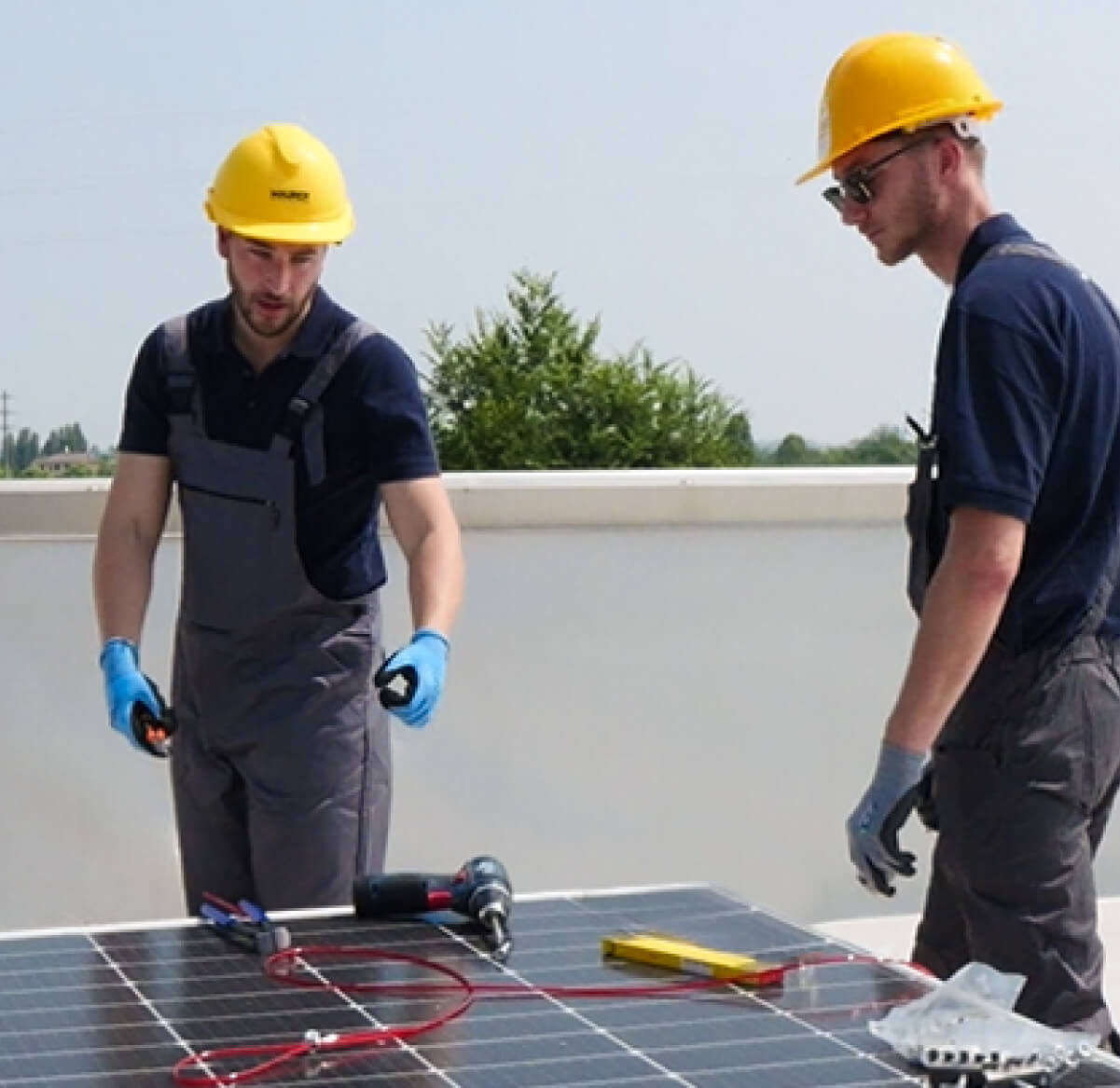
Time is money on every rooftop. With a solar panels ballast mount,
the installation process is intentionally simplified: place the ballast supports, set the module
angle, clamp, and connect—without the delays caused by drilling, chemical anchors, or
waterproofing repairs. That simplicity also reduces jobsite errors. Fewer parts means fewer
missing items, fewer wrong assemblies, and fewer surprises when the weather turns. On Italian
flat roofs—often large industrial sheds or commercial buildings—speed matters not only for labor
costs, but for safety and logistics. Moving quickly reduces time spent working at height and
helps you keep cranes, lifts, and crews scheduled efficiently. A well-designed ballast solution
also supports common PV layouts, helps maintain clear walkways, and allows repeatable
positioning row after row. For technical stakeholders, the benefit is just as tangible: load
paths are straightforward, roof pressure is distributed, and documentation is easier to manage
during planning. The outcome is a more “industrialized” PV installation method—repeatable,
scalable, and easier to train new teams on—without sacrificing robustness. When the system is
intuitive, crews stay focused on quality electrical work rather than fighting the structure.
A Complete Partner Approach: Engineering
Support from Design to Execution
Choosing a solar panels ballast mount shouldn’t mean choosing
hardware only. The best results come when the mounting system is backed by real technical
support—especially for wind calculations, ballast sizing, and layout optimization tailored to
the specific roof. In the Italian market, professionals need reliable data for project sign-off
and confidence that the solution has been tested for durability. That’s why a partner-style
approach matters: assistance during design, accurate system sizing, commercial guidance, and
support that continues until execution. This reduces the engineering burden on your team and
helps prevent late-stage changes that can disrupt procurement and installation. It also protects
your reputation with end clients by lowering the chance of callbacks related to movement,
membrane issues, or poor alignment. When you combine a no-penetration ballast solution with
dependable documentation and project support, you get a flat-roof PV strategy that is faster to
install, easier to specify, and safer over the system’s lifetime. For installers, it’s a
practical way to complete more rooftops per month. For designers, it’s a way to reduce
responsibility risk with proven solutions. For distributors, it’s a reliable product line with a
clear value proposition. All without ever compromising the roof.