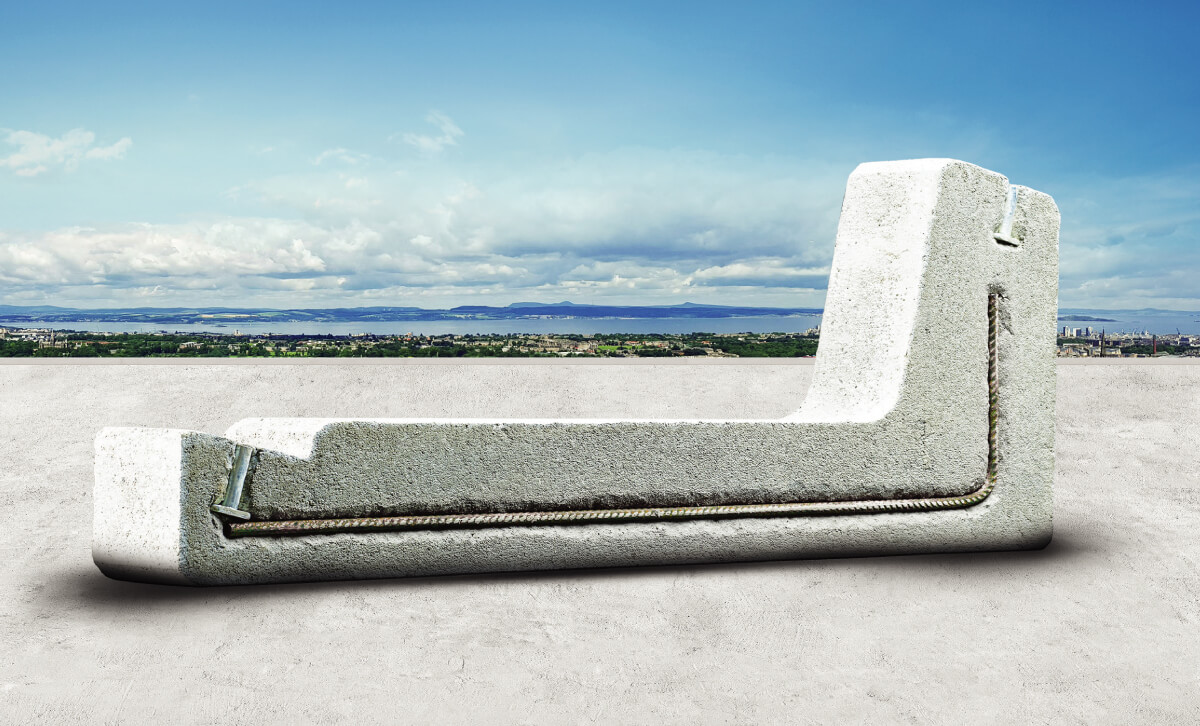
A solar panel supporting structure made for
Italian flat roofs
Choosing the right solar panel supporting structure is one of the
fastest ways to make a flat-roof PV project in Italy simpler, safer, and more predictable.
Installers and designers know the usual pain points: too many components, time-consuming
assembly, and the constant worry that roof penetrations could lead to leaks or future
maintenance claims. A concrete ballast-based solution changes the game by allowing photovoltaic
modules to be installed without drilling the waterproof membrane. That means fewer risks on
site, cleaner workflows, and quicker handover. For technical teams, it also means having a
system engineered around real-world constraints: roof load distribution, wind uplift, and
reliable mechanical stability. For distributors, it’s a product that is easy to explain and
consistently requested because it solves a very concrete problem. If you work with commercial
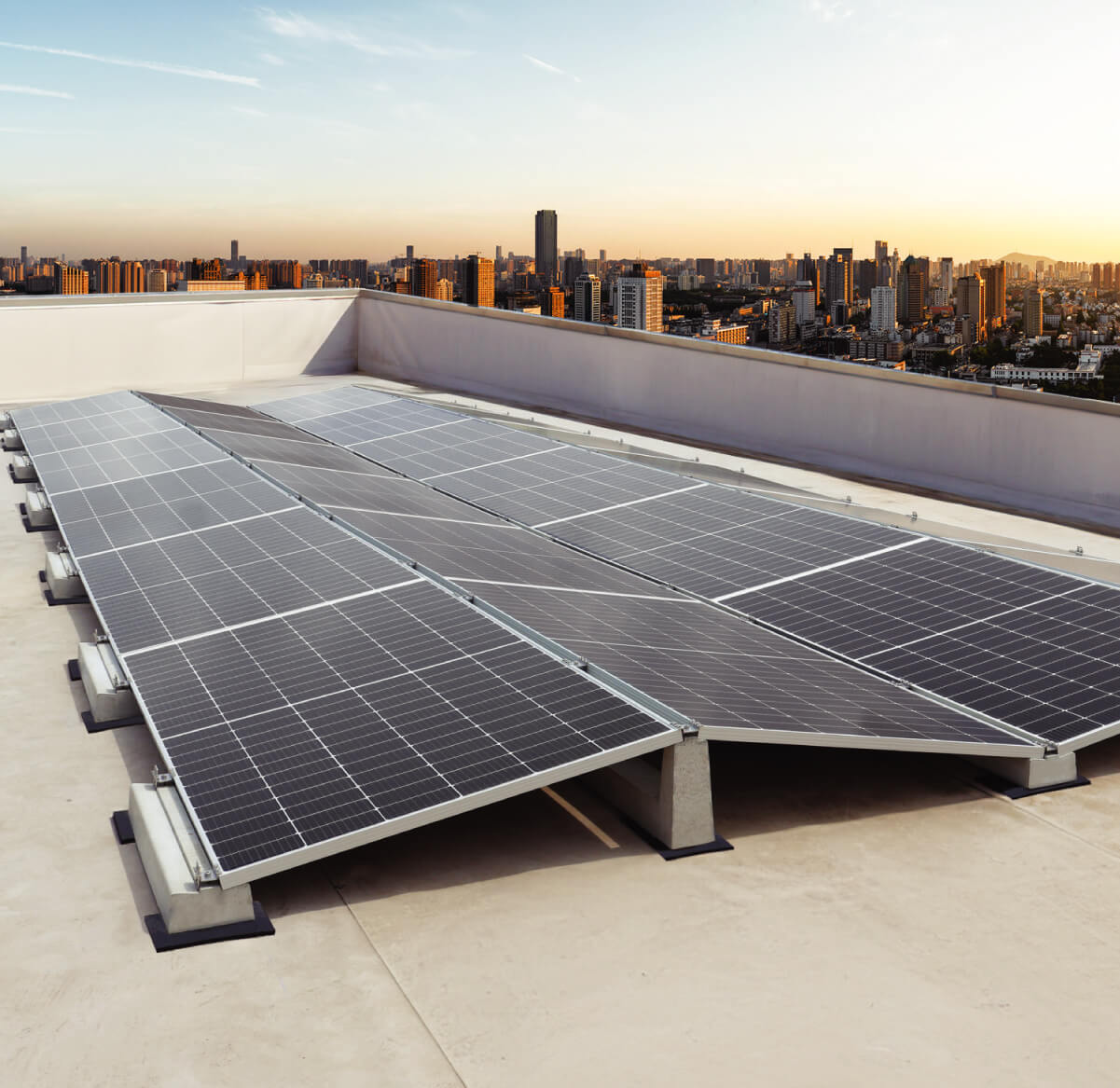
buildings, logistics hubs, or industrial sheds, a well-designed solar panel supporting structure
can reduce complexity from day one—without compromising performance. The result is a flat-roof
mounting approach that feels practical on the roof and defensible on paper, helping you deliver
installations that look tidy, stay secure, and meet expectations over time.
Faster installations with fewer components and
no roof penetrations
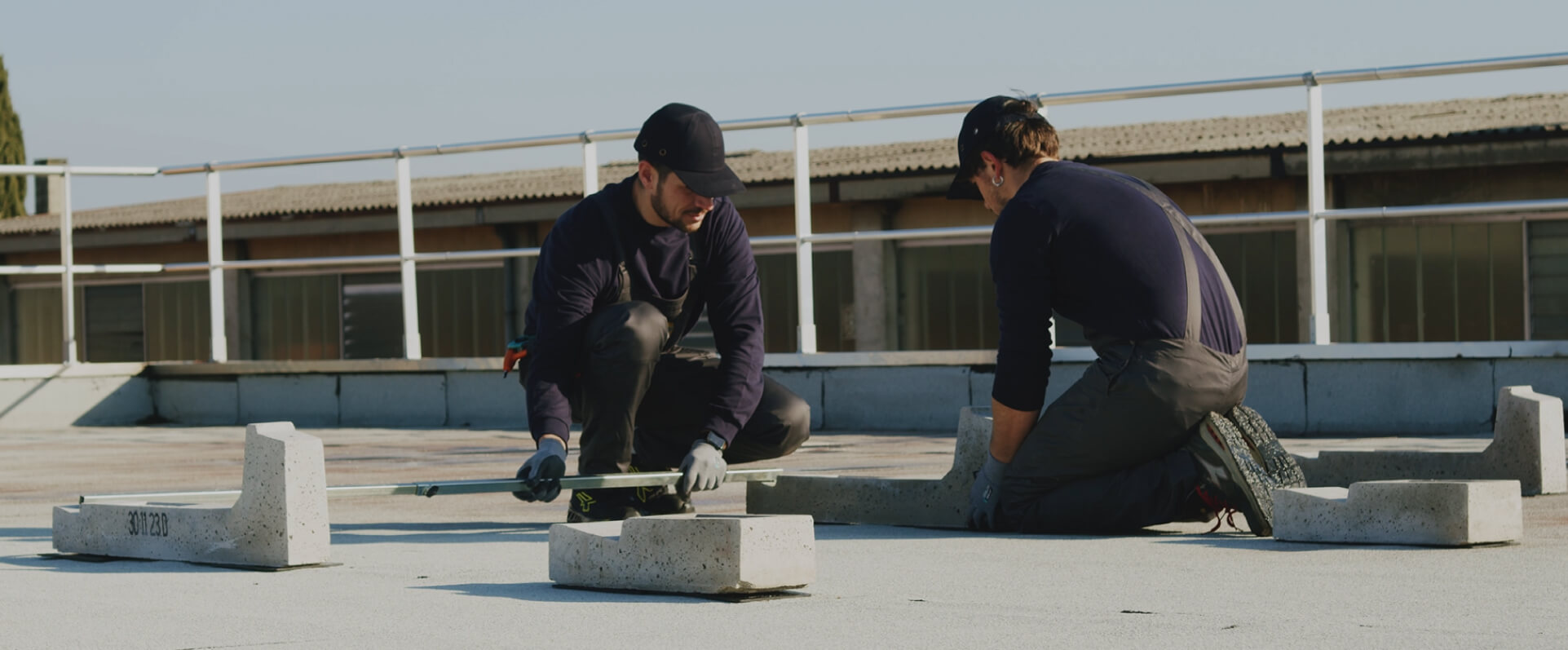
Speed on site is not just a convenience—it’s margin. A ballast
solar panel supporting structure is built to streamline installation by minimizing parts and
avoiding mechanical fastening into the roof. No drilling means no time lost on sealing details,
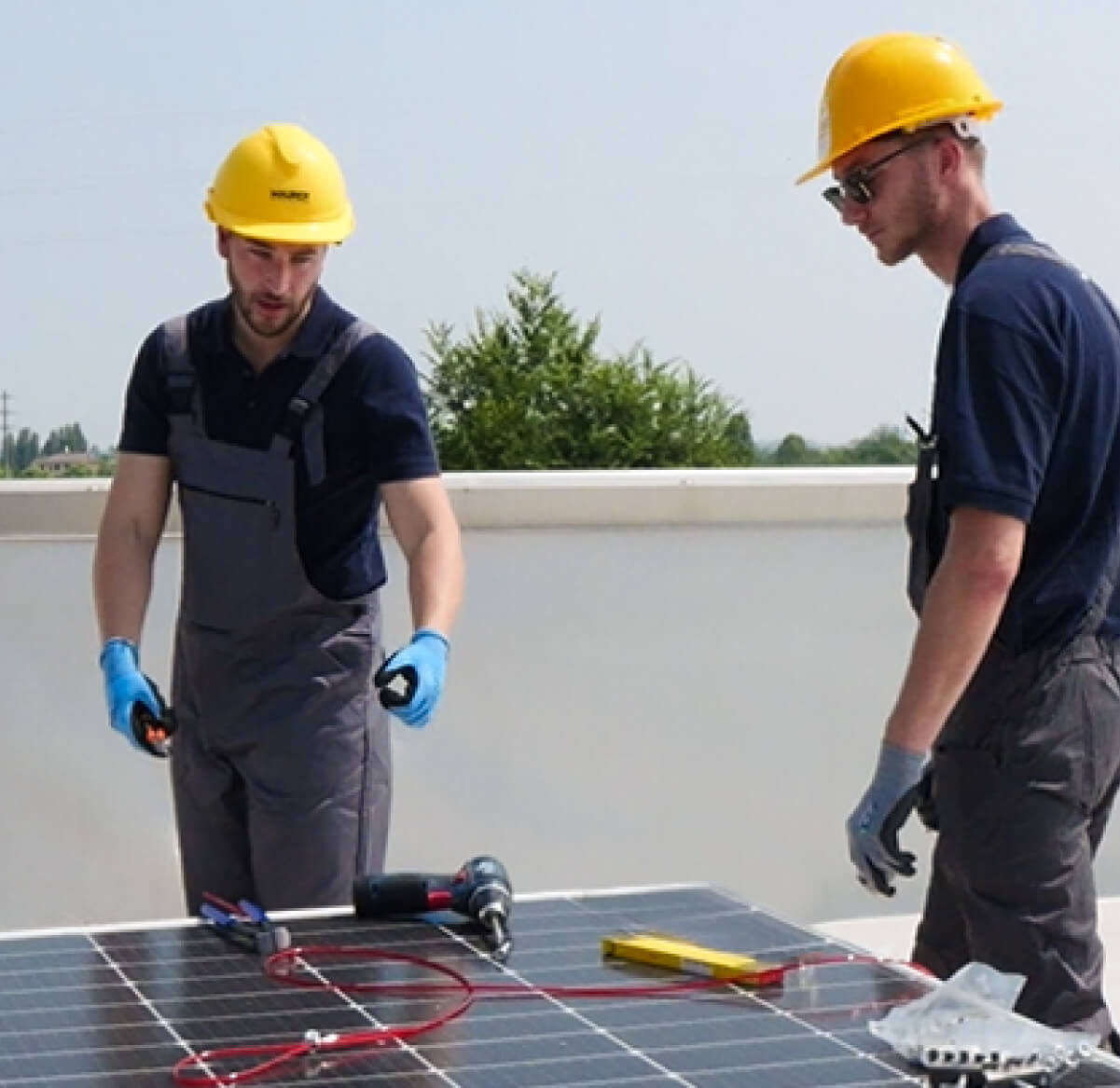
no uncertainty about membrane compatibility, and far less risk of water ingress. Crews can focus
on layout, alignment, cable management, and commissioning, rather than complex substructures.
This approach is especially valuable on large flat roofs where repeating the same steps hundreds
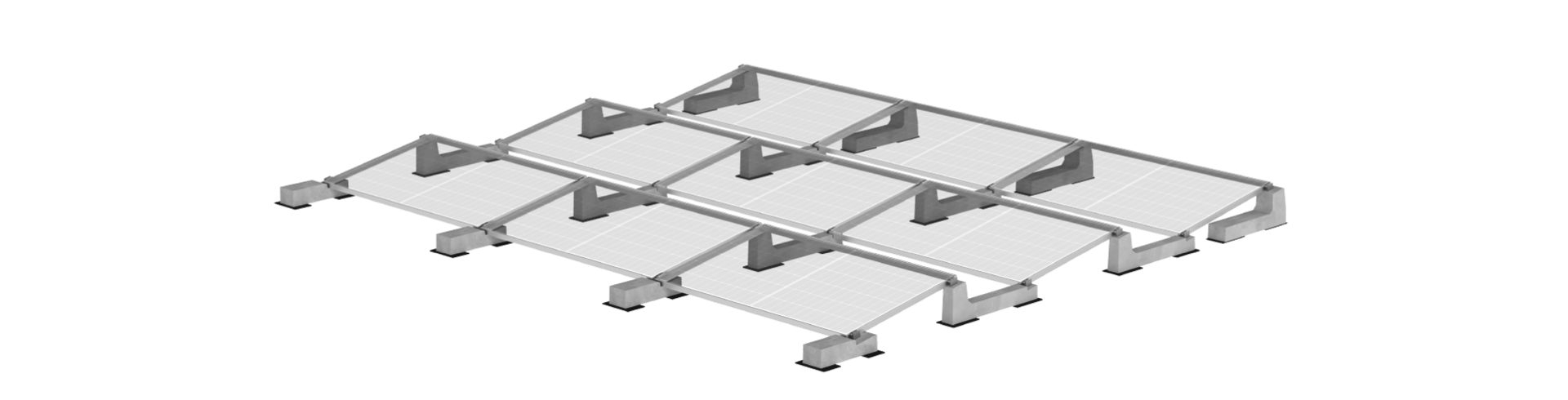
of times can make or break a schedule. In addition, pre-engineered concrete supports create
stable, repeatable module positioning, supporting consistent tilt angles and cleaner arrays. The
benefits extend beyond installers: project managers get more reliable timelines, building owners
see less disruption, and maintenance teams inherit a roof that remains intact. When the solar
panel supporting structure is designed as a complete system—rather than a collection of
parts—the whole process becomes easier to plan, easier to train, and easier to execute.
Technical confidence: sizing support,
wind-load logic, and project-ready data
Engineering confidence matters, especially when wind exposure,
parapets, and roof height vary from site to site across Italy. A professional solar panel
supporting structure should come with dependable technical documentation, tested performance,
and support during the design phase—so you’re not left alone with complex calculations and
liability. Having access to sizing guidance for ballast, load checks, and layout optimization
helps designers and installers make decisions quickly and responsibly. It also reduces change
orders later, because the system is defined early and stays coherent through procurement and
execution. From an operational perspective, a robust concrete ballast solution supports
durability and long-term stability, while keeping the roof membrane untouched. If your goal is
to deliver flat-roof PV installations that are efficient, repeatable, and low-risk, choosing a
solar panel supporting structure backed by real technical assistance is a practical
advantage—one that helps you win bids, protect your reputation, and complete projects with
confidence.