Why Solar Panel Support Systems Matter on
Italian Flat Roofs
Choosing the right solar panel support systems is one of the most
important decisions when designing PV on flat roofs in Italy. Installers and engineers face real
constraints: tight timelines, demanding safety standards, wind exposure, roof load limits, and
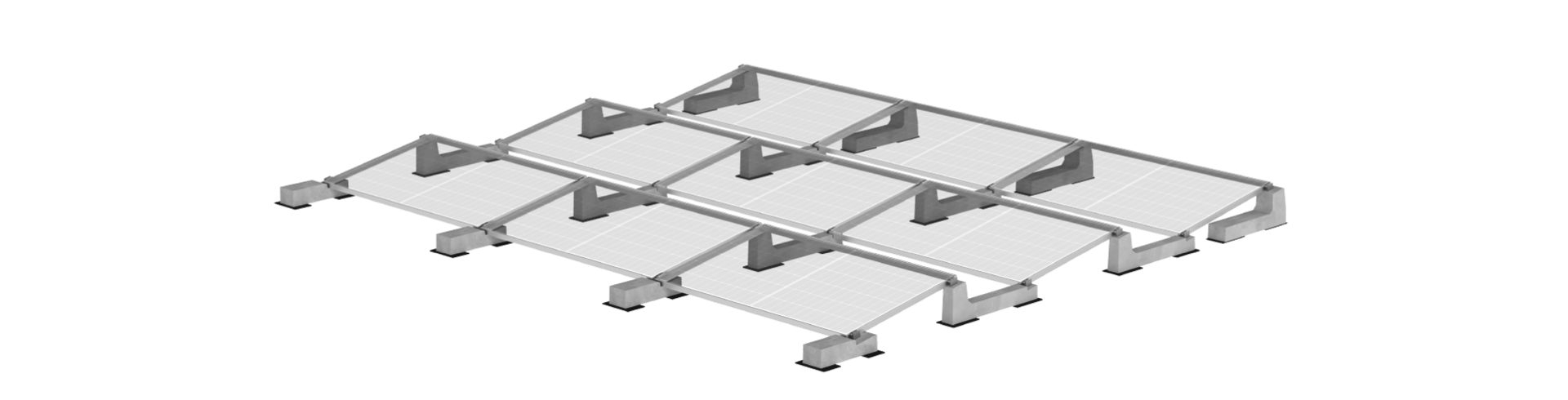
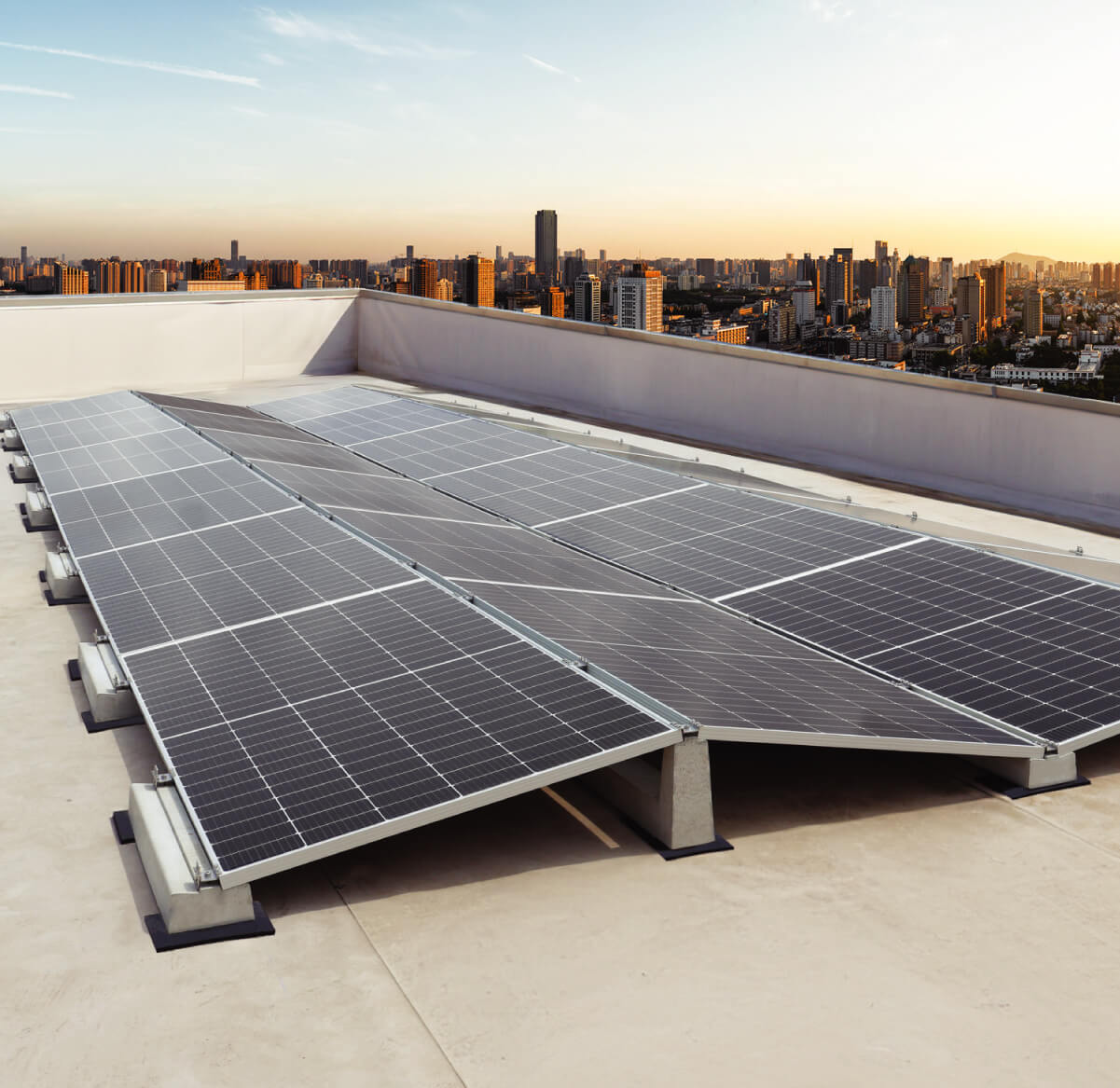
the constant pressure to avoid leaks and call-backs. That’s why ballasted mounting structures
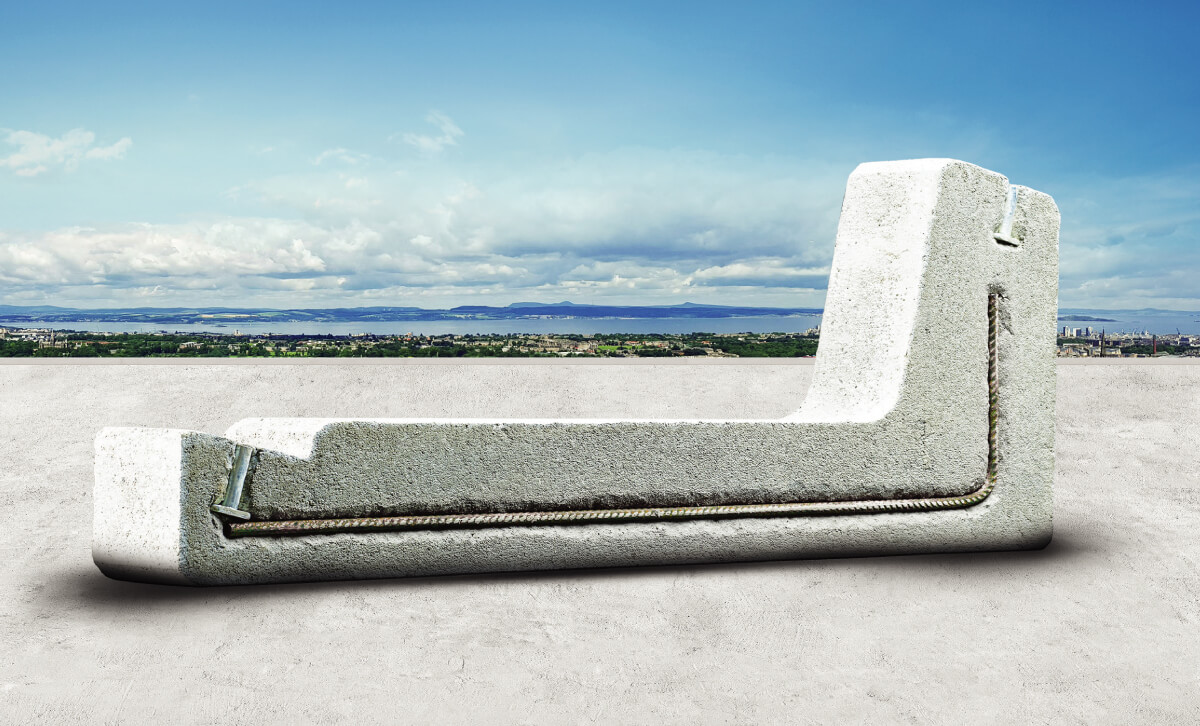
are becoming the go-to approach for many commercial and industrial rooftops. By using concrete
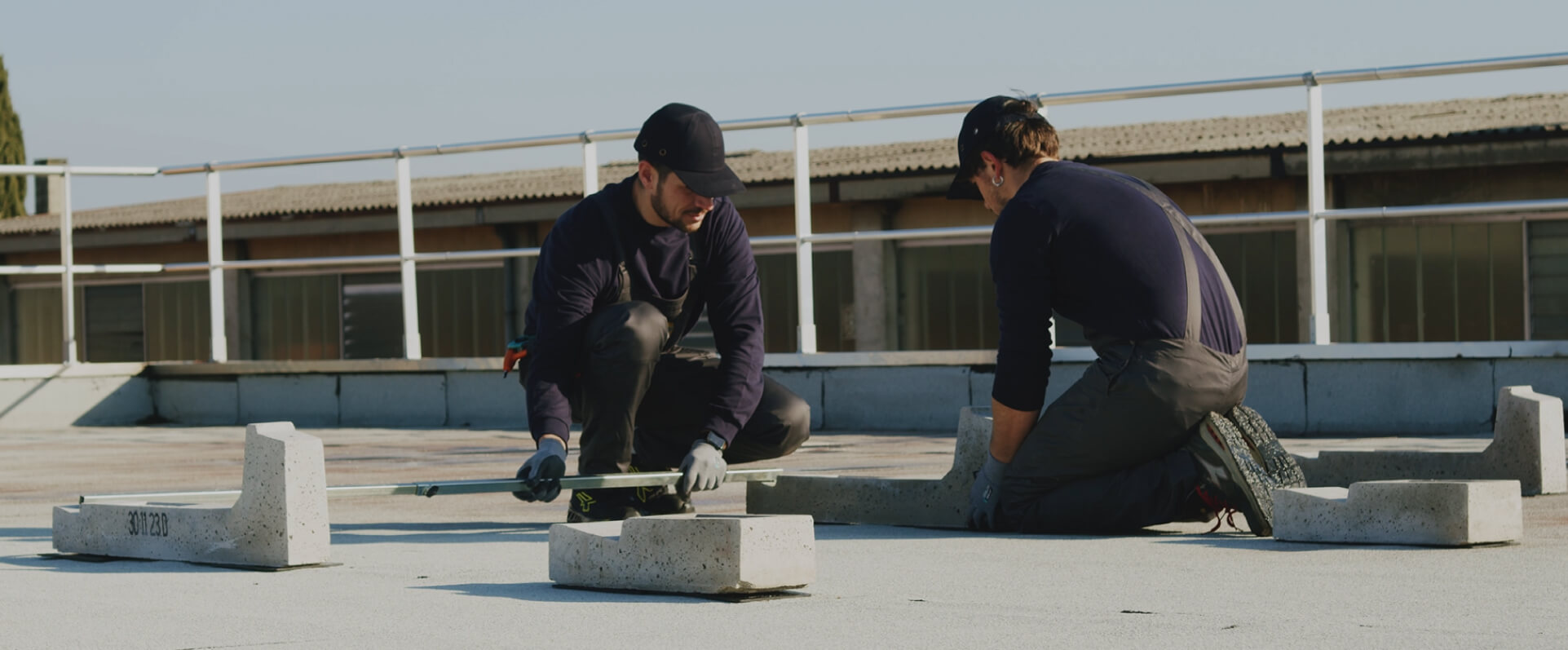
ballast blocks, panels can be secured without drilling the waterproof membrane—reducing the risk
of infiltration and protecting the roof’s integrity. Fewer components and a clear, repeatable
installation process also mean faster work on site and less room for mistakes. For design teams,
the benefit is just as tangible: tested configurations, reliable technical data, and support
with system sizing help streamline calculations for wind uplift and load distribution. From
warehouses to office buildings, a dependable flat-roof PV mounting solution can turn a complex
project into a predictable one—helping you deliver quality, speed, and long-term performance
with confidence.
Faster Installation, Fewer Risks: The
Advantage of No-Penetration Mounting
Traditional rooftop structures often require roof penetrations,
multiple rails, and time-consuming alignment—each step adding potential delays and quality
risks. Modern solar panel support systems built around ballasted technology are designed to
simplify the workflow: place, connect, and finish with minimal tools and fewer parts to manage.
The “no holes” approach is especially valuable on flat roofs where waterproofing is critical and
downtime can be costly for building owners. Concrete ballast mounting can also improve site
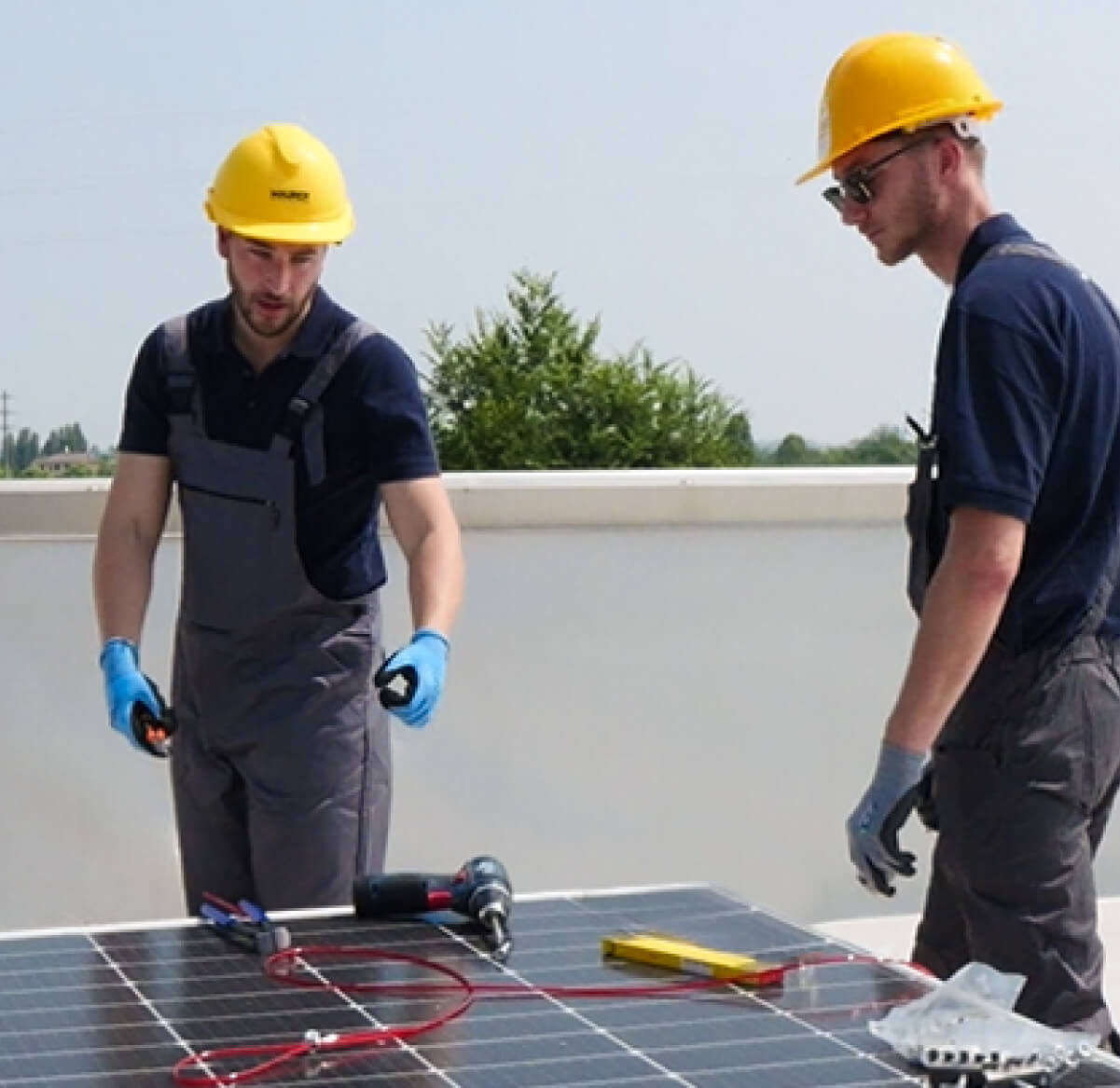
safety by reducing drilling operations and limiting rooftop debris. For installers, this
translates into shorter installation times, more predictable labor costs, and easier training
for crews. For distributors and wholesalers, it’s a product category that’s straightforward to
explain, easy to stock, and supported by strong market demand as Italy’s PV sector continues to
grow. In short, simpler mounting isn’t just convenience—it’s a competitive advantage.
A Technical Partner Approach: Support from
Design to Execution
The most effective solar panel support systems don’t stop at
hardware—they come with the engineering mindset needed to make projects run smoothly. A
partner-led approach means getting help during the planning phase, guidance on PV layout, and
support with sizing based on site conditions. This is crucial for professionals responsible for
compliance and performance: accurate data, proven assemblies, and documentation can reduce
uncertainty and speed up approvals. Whether you’re an installer aiming to finish more projects
per month or a designer managing wind and structural constraints, having a complete solution
reduces operational complexity. Look for flat-roof PV mounting options that are solid, tested,
and built to last—while staying intuitive on site. The result is a safer rooftop, a cleaner
installation, and a system that performs reliably over time—exactly what today’s Italian solar
professionals need.