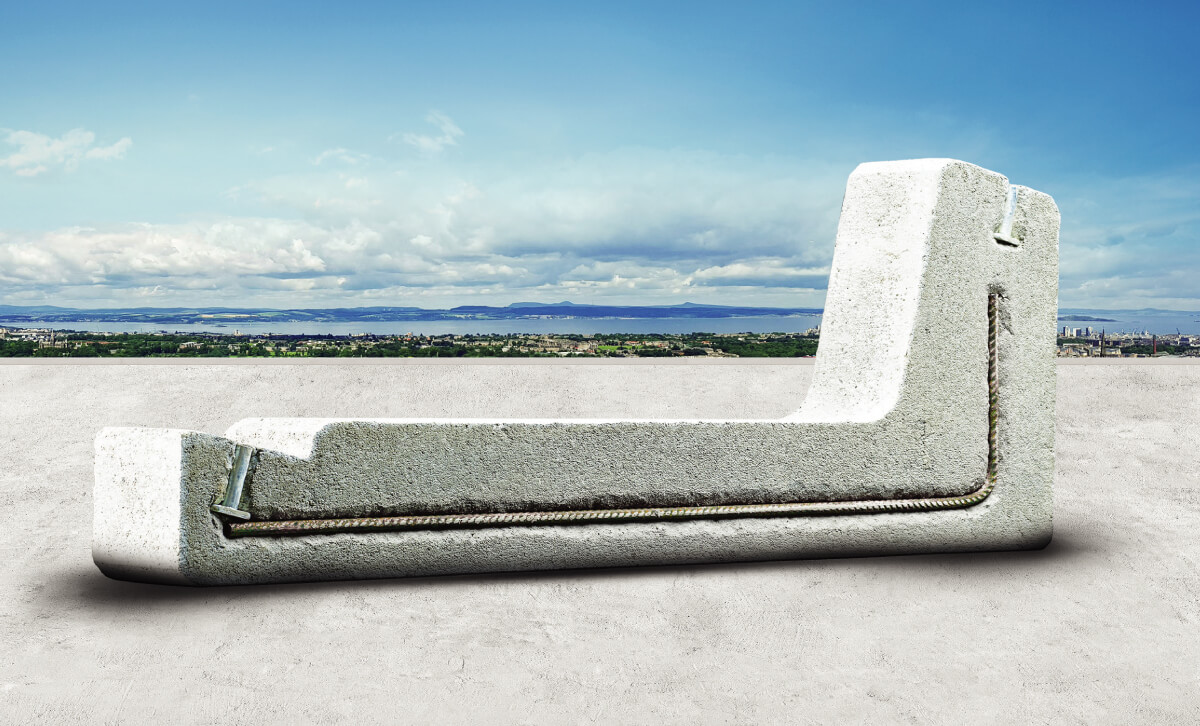
A smarter way to mount PV on flat roofs
In Italy, flat-roof photovoltaics keeps growing, but the biggest
headache often isn’t the module—it’s the mounting. Choosing the right solar panel support
structures can make the difference between a smooth installation and days of delays, extra
labor, and roof-related risks. For installers and designers, the priority is clear: speed,
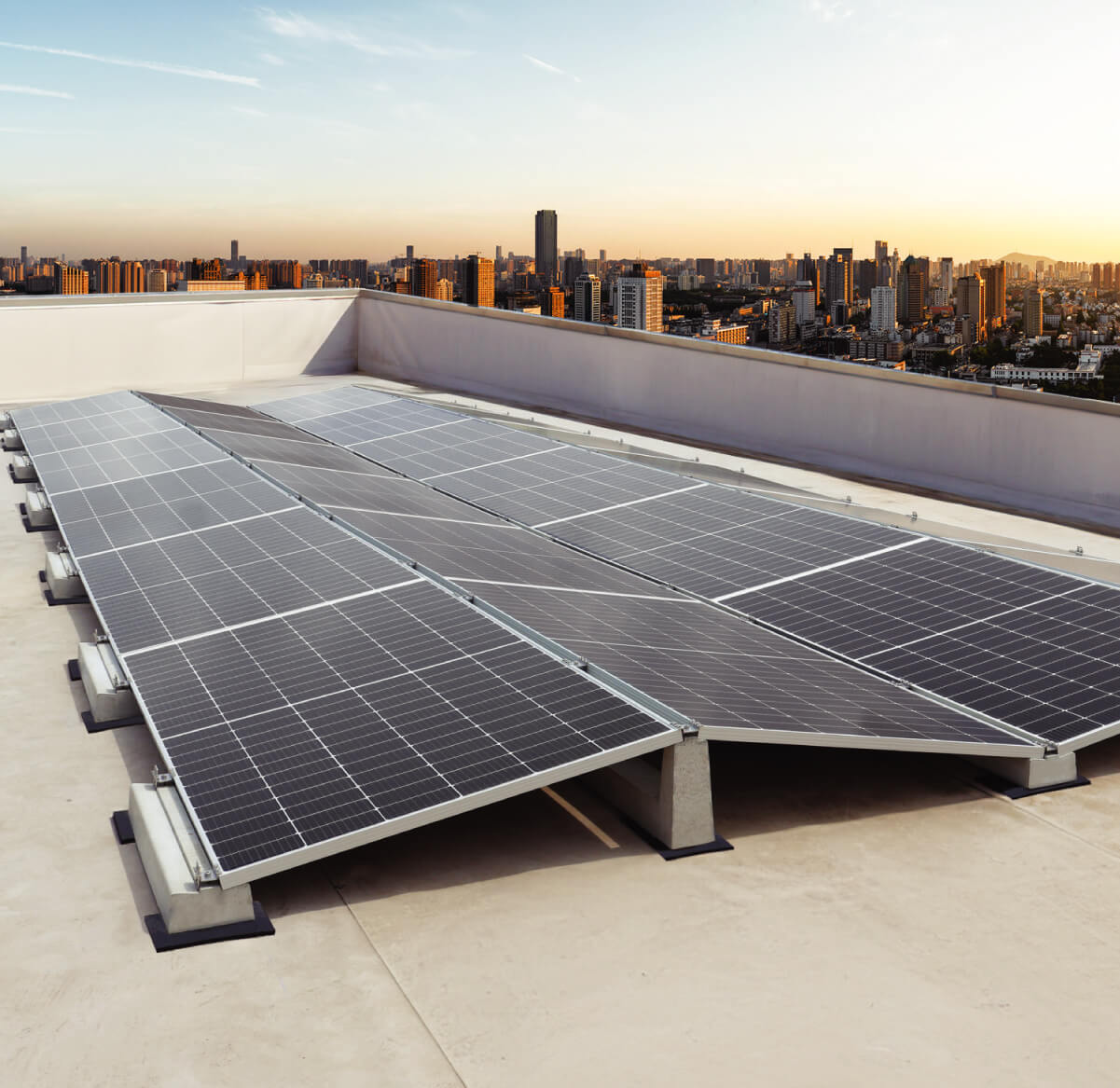
safety, and predictable results. That’s why ballasted solutions are becoming the go-to approach
for many commercial and industrial rooftops. By using concrete ballast to hold the array in
place, the system can avoid roof penetrations, helping reduce waterproofing concerns and
simplifying site management. Fewer components, cleaner logistics, and an intuitive assembly flow
translate into faster on-site work and fewer surprises. From a design perspective, modern
support systems are built around verified performance: wind resistance, load distribution, tilt
options, and compatibility with common PV modules. This means engineers can work with dependable
data when evaluating roof loads, wind exposure, and layout constraints. For distributors,
easy-to-spec products that solve a real installation problem tend to move quickly—especially
when paired with clear documentation and responsive technical support. If your goal is to
deliver flat-roof PV projects that are efficient from planning to commissioning, start by
treating the mounting as a core engineering choice, not an accessory. The right structure
protects timelines, protects the roof, and supports long-term system durability.
Why non-penetrating, ballasted structures
reduce risk and time
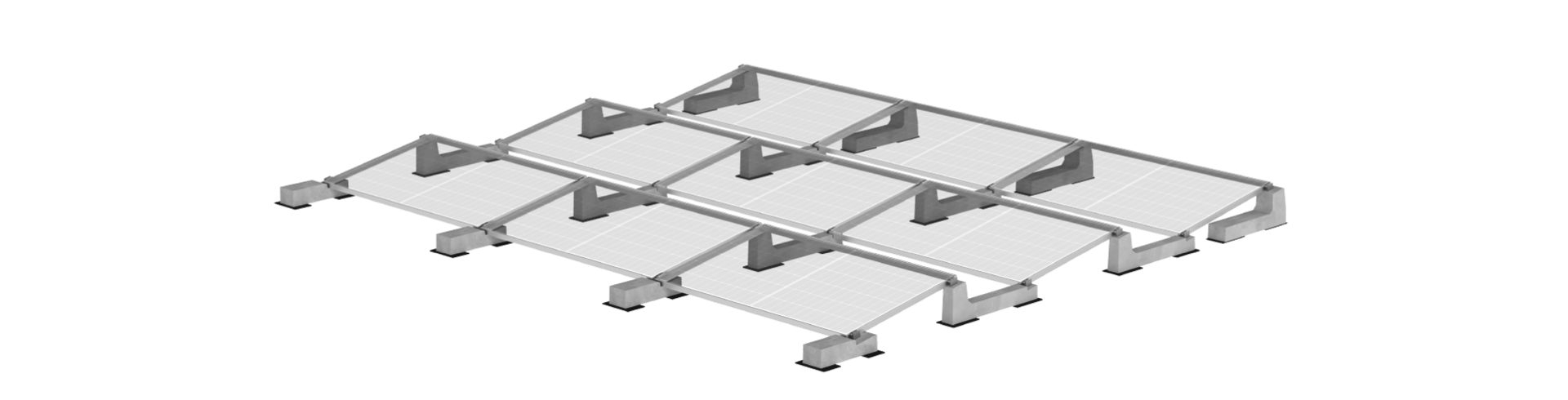
Non-penetrating solar panel support structures are designed to
keep the roof intact while still meeting demanding performance requirements. Instead of drilling
and anchoring into the membrane, a concrete ballast base provides stability, helping avoid
common issues like water ingress, complex sealing details, and coordination delays with roofing
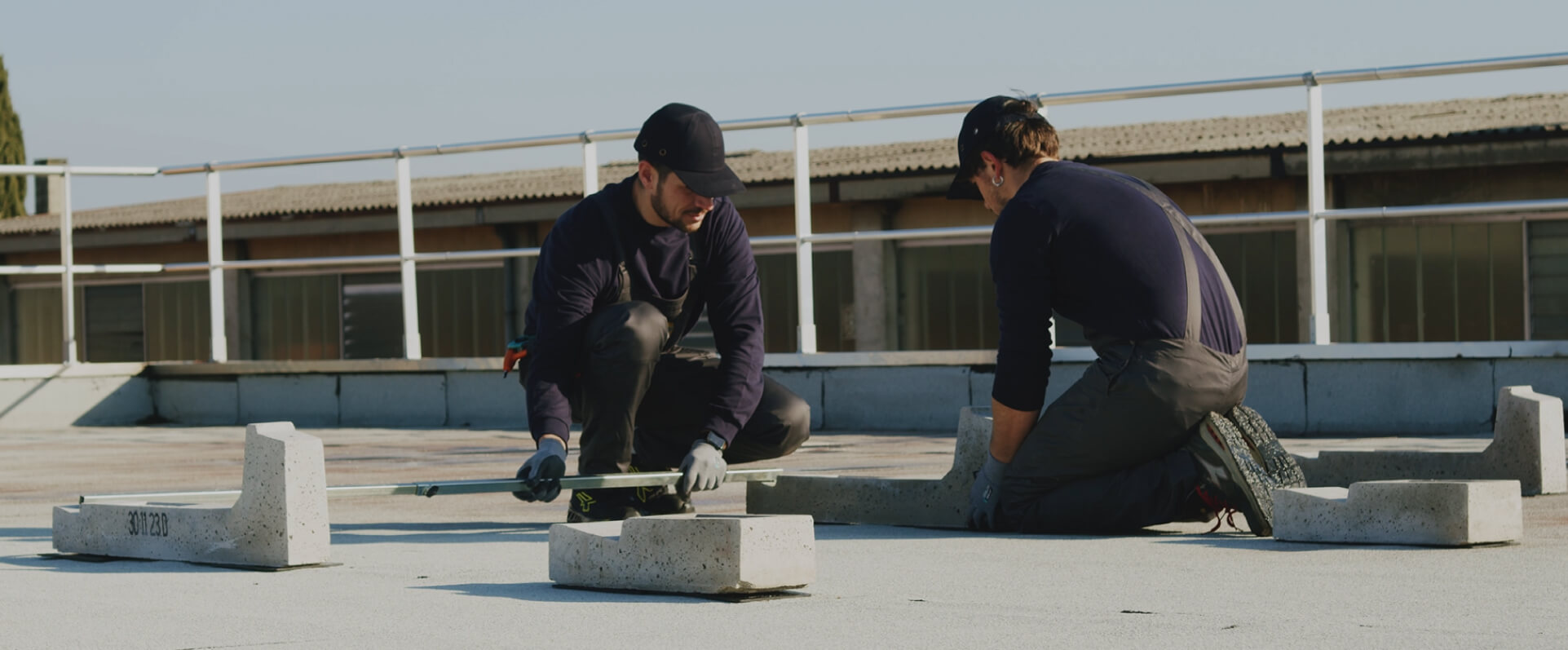
contractors. On-site, the advantage is immediate: fewer steps, fewer tools, and fewer variables.
Installers can position supports, place modules, and complete the array with a faster
rhythm—ideal for tight schedules and large flat-roof surfaces. These systems also help simplify
maintenance planning, because access paths and module rows can be laid out with clarity from the
beginning. For technical teams, it’s about confidence: tested configurations, clear load paths,
and practical options for different tilts and orientations. That supports better energy yield
planning while keeping structural considerations under control. In short, ballasted mounting can
turn a potentially delicate roof interface into a straightforward mechanical solution, making
projects more repeatable and scalable across Italy’s diverse building stock.
A complete technical partner for PV
professionals
For B2B solar projects, products matter—but partnership matters
more. The strongest solar panel support structures come with the kind of technical backing that
helps professionals move faster and reduce responsibility stress. That includes support during
the design phase, reliable sizing inputs, and assistance that follows the project all the way to
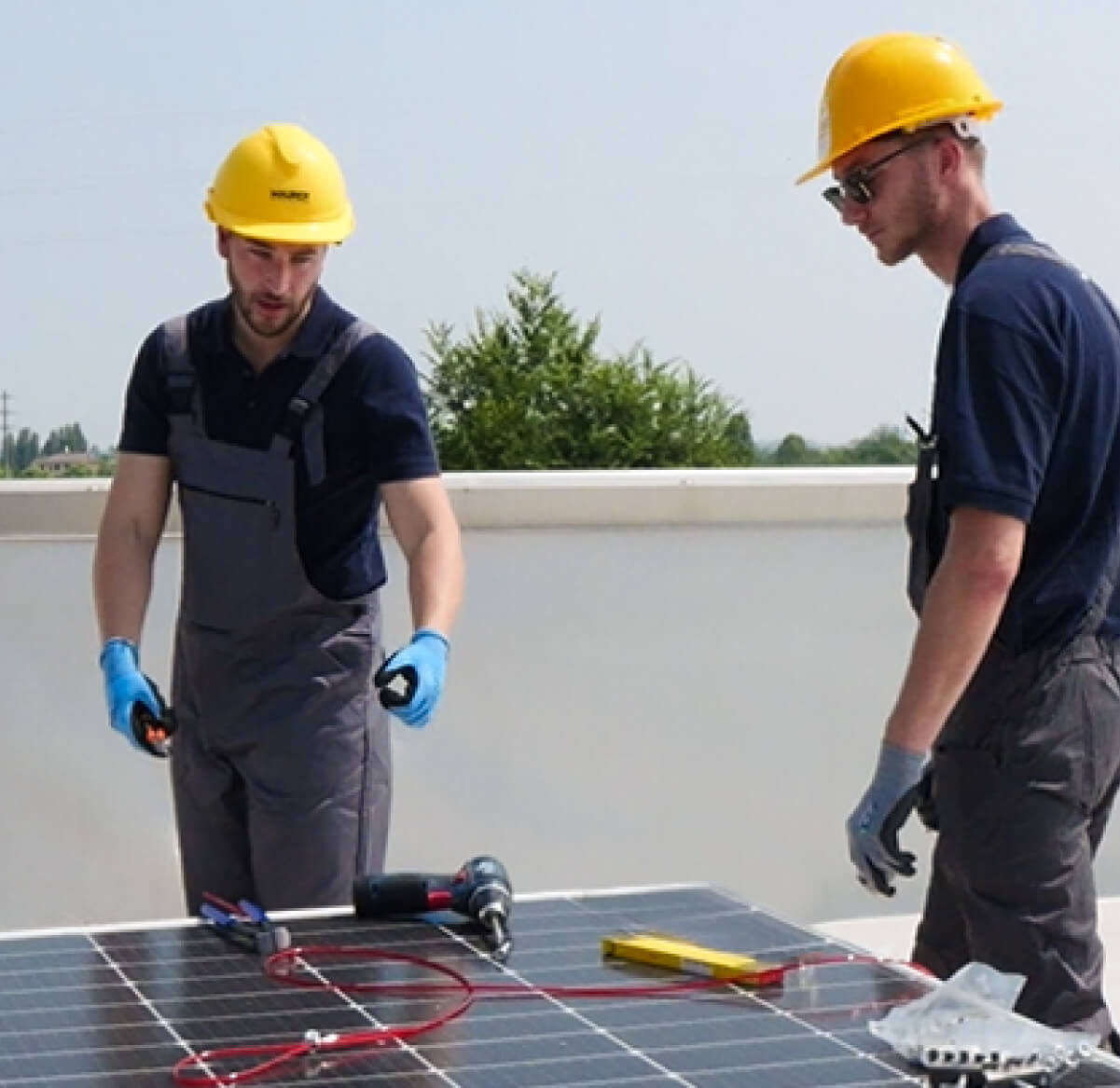
execution. Installers benefit from systems engineered for simplicity: fewer parts to manage,
intuitive assembly, and rapid installation that cuts labor hours. Designers and engineers
benefit from documented performance and proven solutions that help streamline wind and load
evaluations. Distributors benefit from a recognizable, in-demand solution that’s easier to
specify and easier to sell. If you’re working on flat-roof PV in Italy and you want a mounting
approach that is solid, quick to deploy, and built around real jobsite needs, focus on ballasted
rooftop mounting with concrete bases, verified configurations, and responsive technical support.
The outcome is straightforward: less complexity, fewer roof risks, and a smoother path from
proposal to commissioning—exactly what professionals need to deliver profitable photovoltaic
installations.