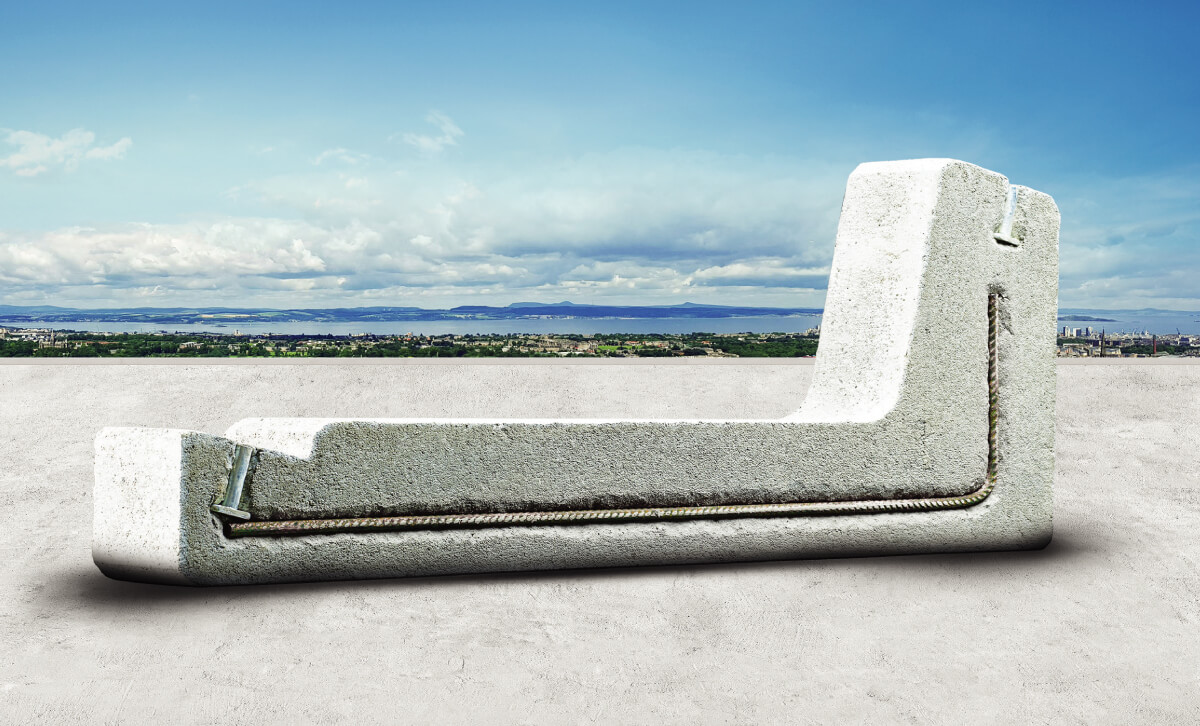
A smarter solar panel support structure for
flat roofs
Choosing the right solar panel support structure is what turns a
flat-roof PV project from “complicated” into “repeatable”. On many Italian industrial roofs, the
real challenge isn’t the module—it’s how to fix it without creating leaks, delays, or endless
on-site adjustments. That’s why non-penetrating, ballasted mounting solutions are gaining
momentum: they keep the waterproof membrane intact, reduce installation steps, and make
logistics far easier for crews.
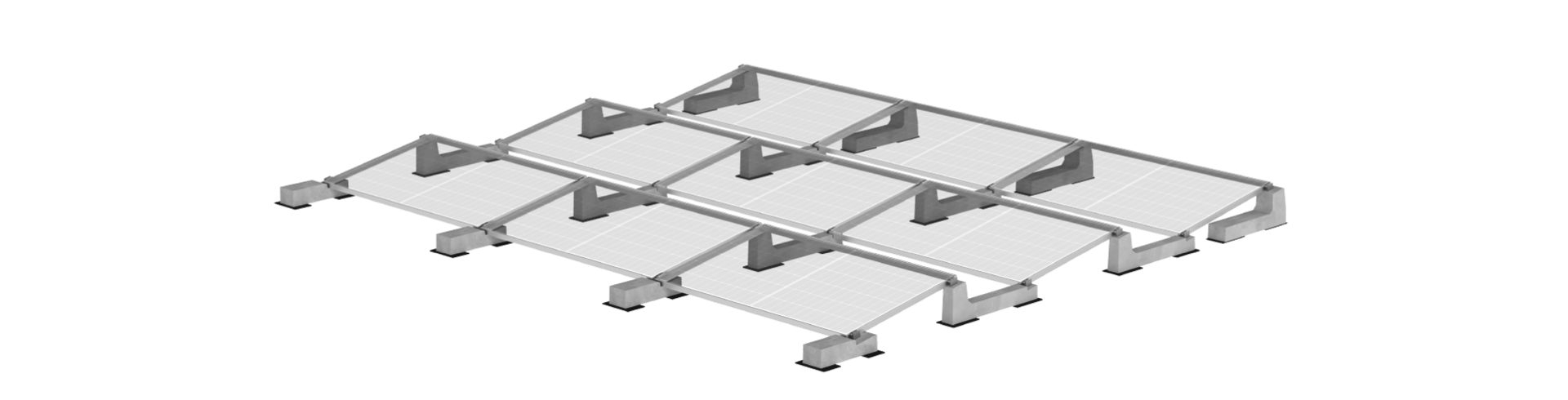
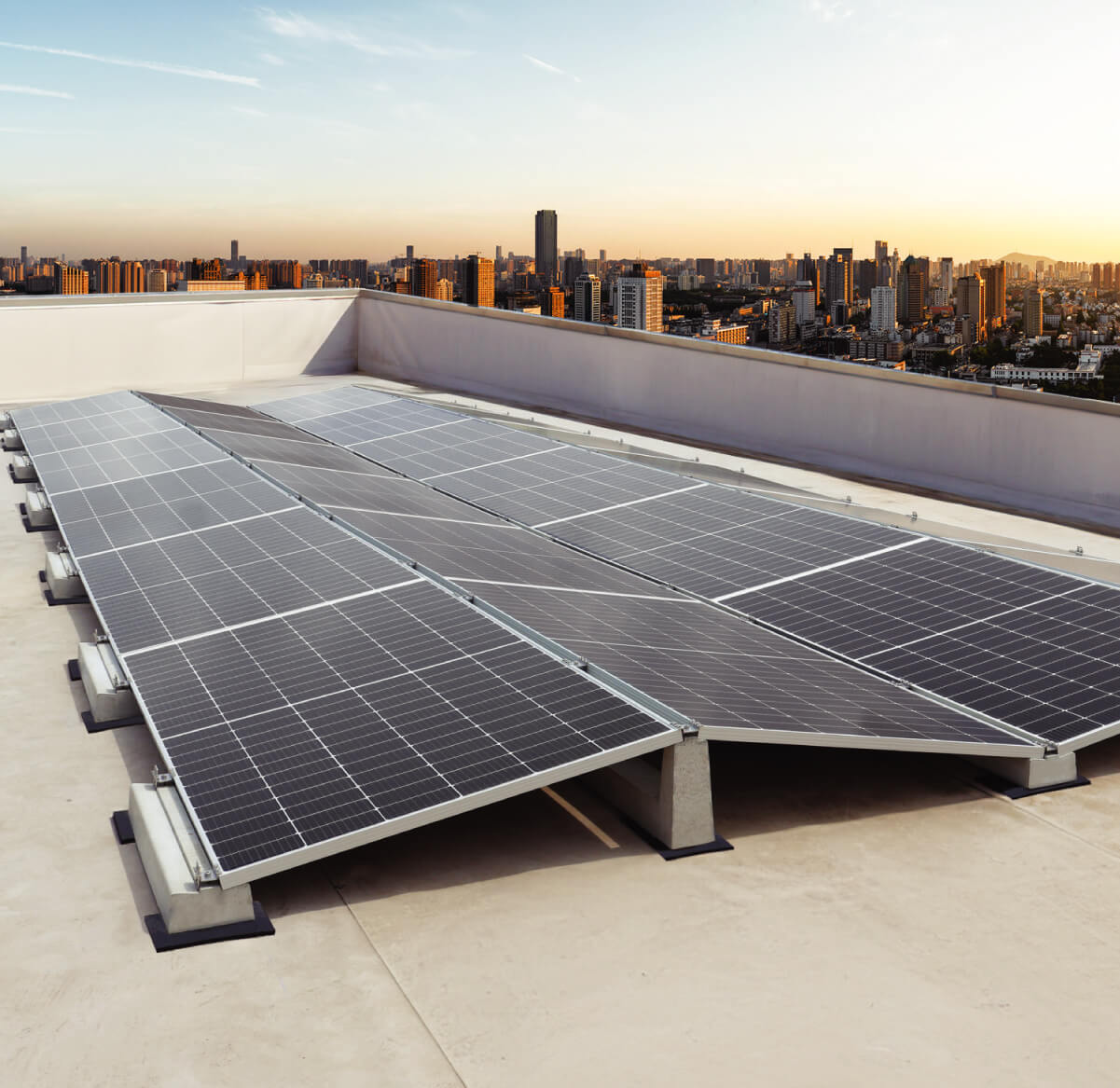
A concrete ballast system works by using weight and geometry instead of roof penetrations. Fewer
components, fewer tools, and fewer surprises in the field translate into quicker installs and
cleaner handovers. For installers, this means tighter schedules and less rework. For designers
and engineers, it means predictable loads, tested configurations, and documentation that
supports wind and structural checks.
If you operate in the Italian B2B solar market—installers, technical studios, distributors—a
flat-roof solution that’s robust, certified, and simple to assemble becomes a competitive
advantage. When the mounting structure is engineered as a complete system, you’re not just
buying hardware: you’re choosing an approach that reduces risk and helps you deliver projects
with confidence.
Why installers prefer no-drill, ballasted
mounting
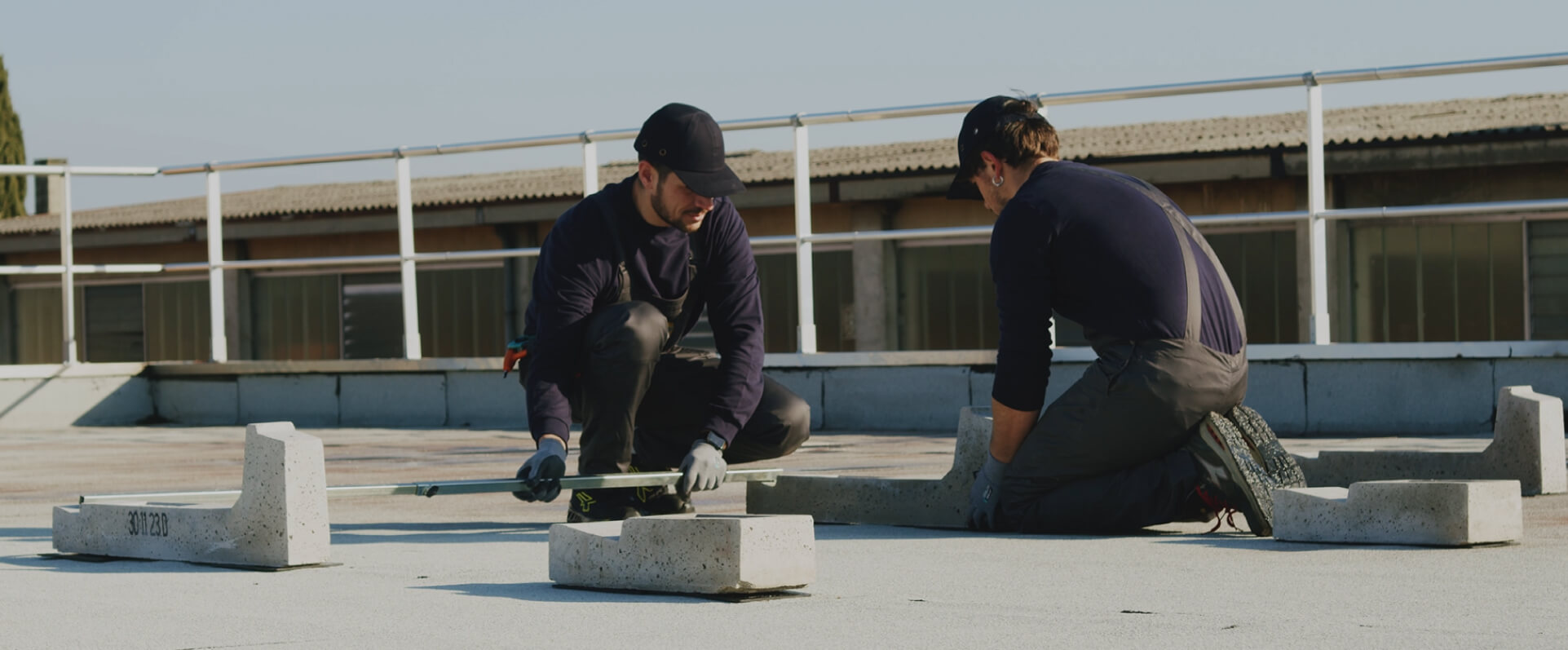
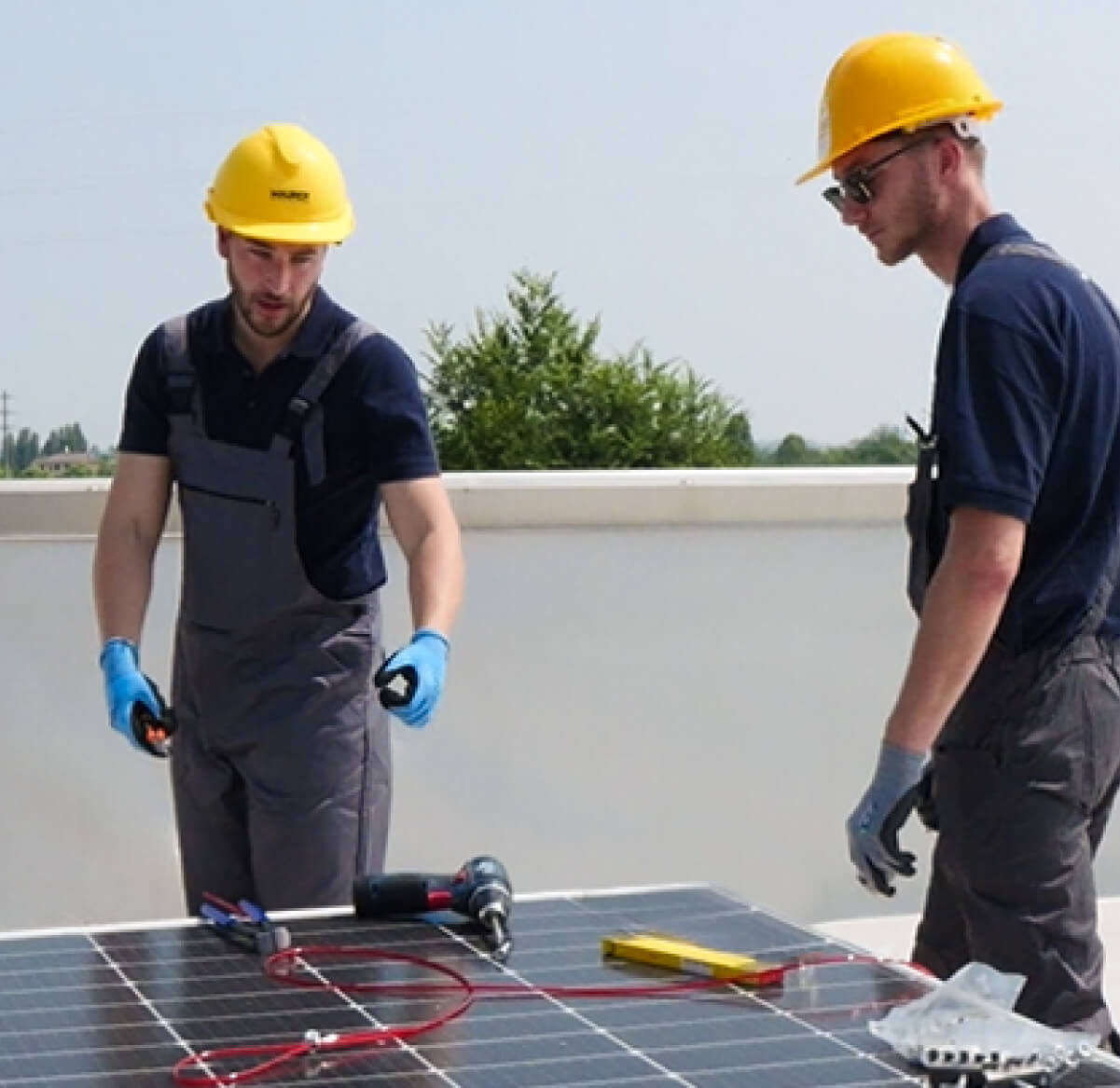
On-site speed matters. A solar panel support structure designed
for ballast installation eliminates drilling, anchors, and the associated waterproofing
repairs—often the most stressful part of flat-roof work. With a modular layout and pre-defined
tilt options, teams can place, align, and secure modules quickly, keeping crews productive even
when roof access is limited.
Just as important, fewer roof penetrations mean fewer long-term liabilities. Avoiding holes
helps protect membranes and reduces the chance of callbacks due to water infiltration. For
distributors, a recognizable, easy-to-explain solution is also easier to stock and sell: one
system, clear applications, stable demand.
Look for features like durable concrete elements, corrosion-resistant hardware, and
configurations developed for common flat-roof scenarios. The result is a mounting system that
feels straightforward on day one and stays reliable over time—exactly what professional
installers in Italy need to scale installations without adding complexity.
Technical partnership: from sizing to
execution
A high-performance solar panel support structure isn’t only about
materials—it’s about support. For engineers and designers, reliable data for wind action, roof
loads, and layout planning is essential. Having technical guidance during the design phase can
simplify calculations, speed approvals, and reduce project responsibility risk.
The strongest approach is a complete service model: technical support during preliminary design,
assistance with system sizing, commercial coordination, and project development through to
execution. When the mounting solution is backed by tested setups and practical know-how from
real installations, you can standardize your workflow across multiple flat-roof projects.
If your goal is to make flat-roof photovoltaic installation in Italy easier, safer, and more
efficient, choose a ballasted, non-penetrating system that combines solid engineering with
real-world simplicity. That combination helps you save time on site, avoid avoidable issues, and
deliver a professional result—project after project.