Why the Right Solar Panel Structure Matters on
Flat Roofs
In Italy, flat roofs are a huge opportunity for PV—but only if the
solar panel structure is chosen with real jobsite constraints in mind. Installers and designers
know the usual pain points: too many components, slow assembly, uncertain wind behaviour, and
the constant worry of compromising the waterproof membrane. A modern solution focuses on speed,
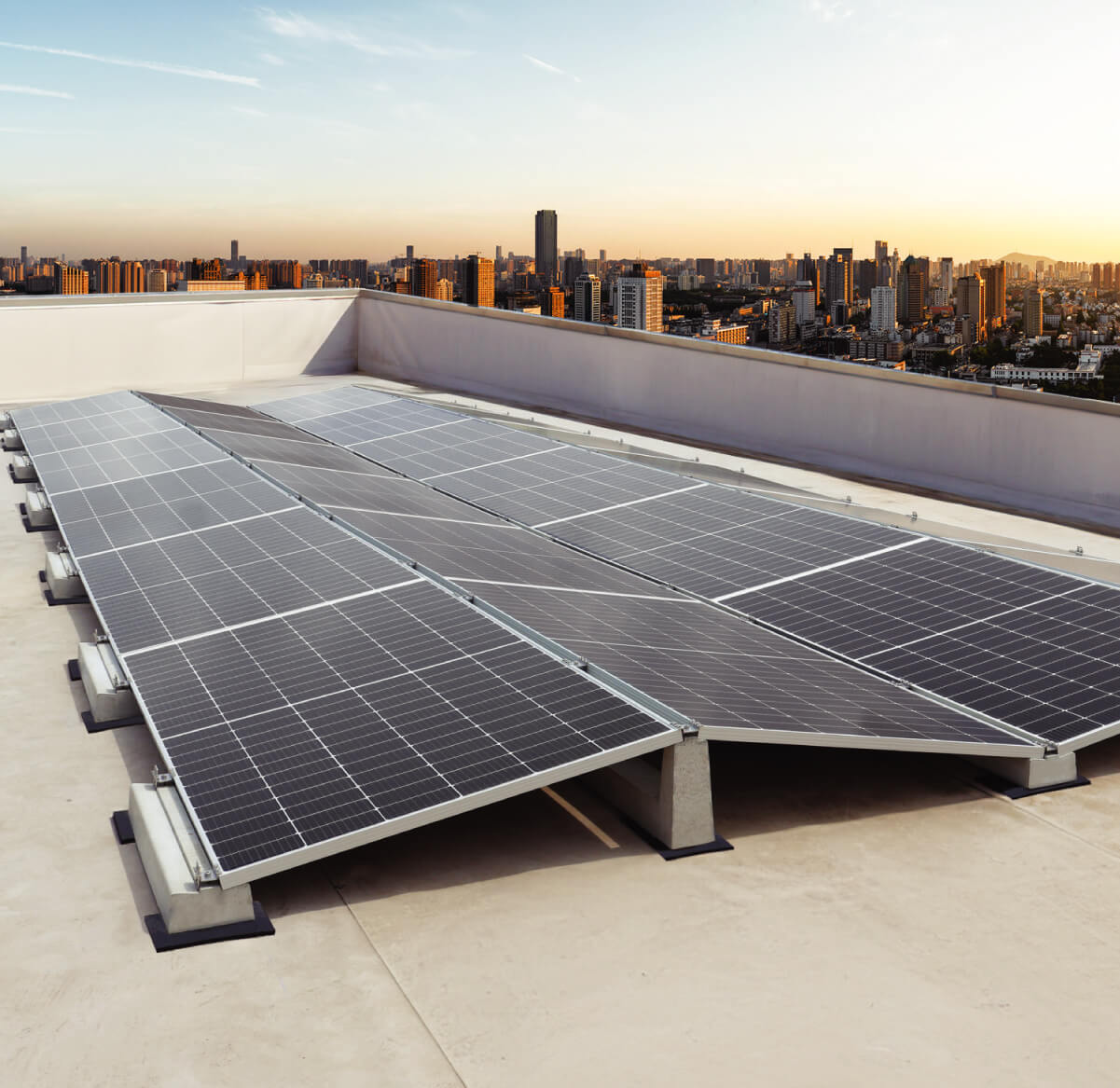
safety, and predictable performance. That’s why ballasted mounting systems are increasingly
preferred: they keep the roof intact, reduce installation steps, and help standardise the
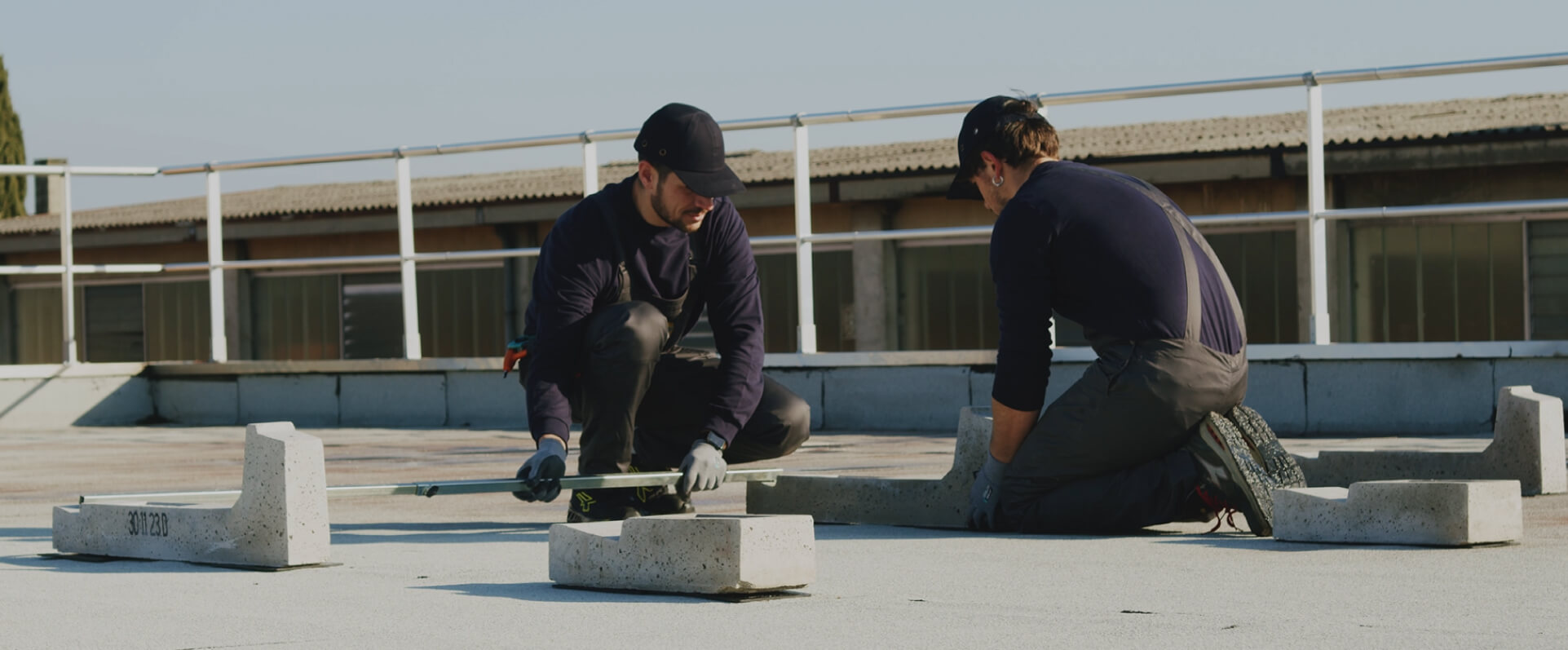
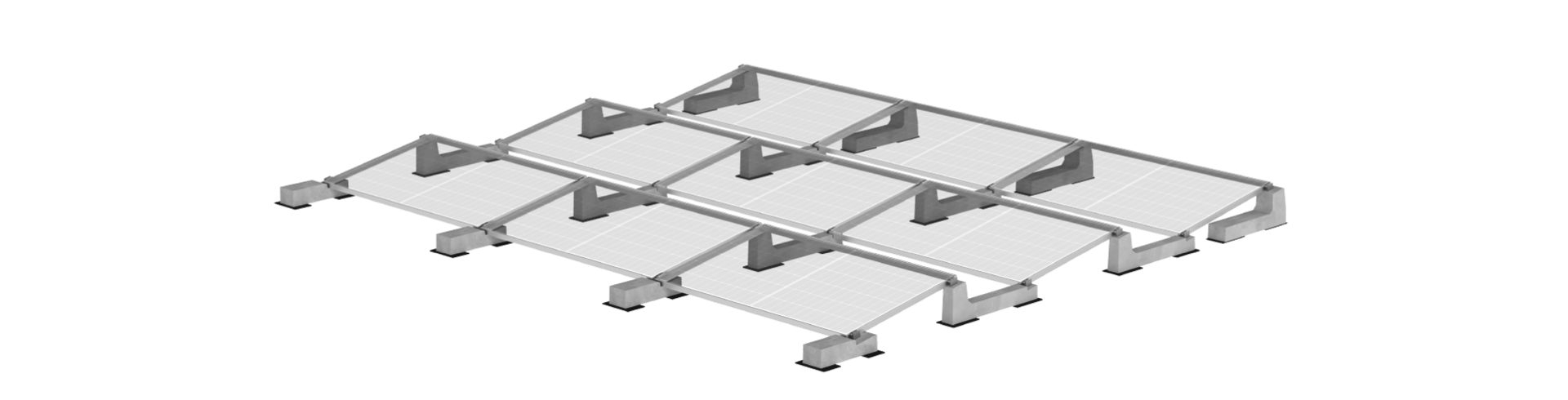
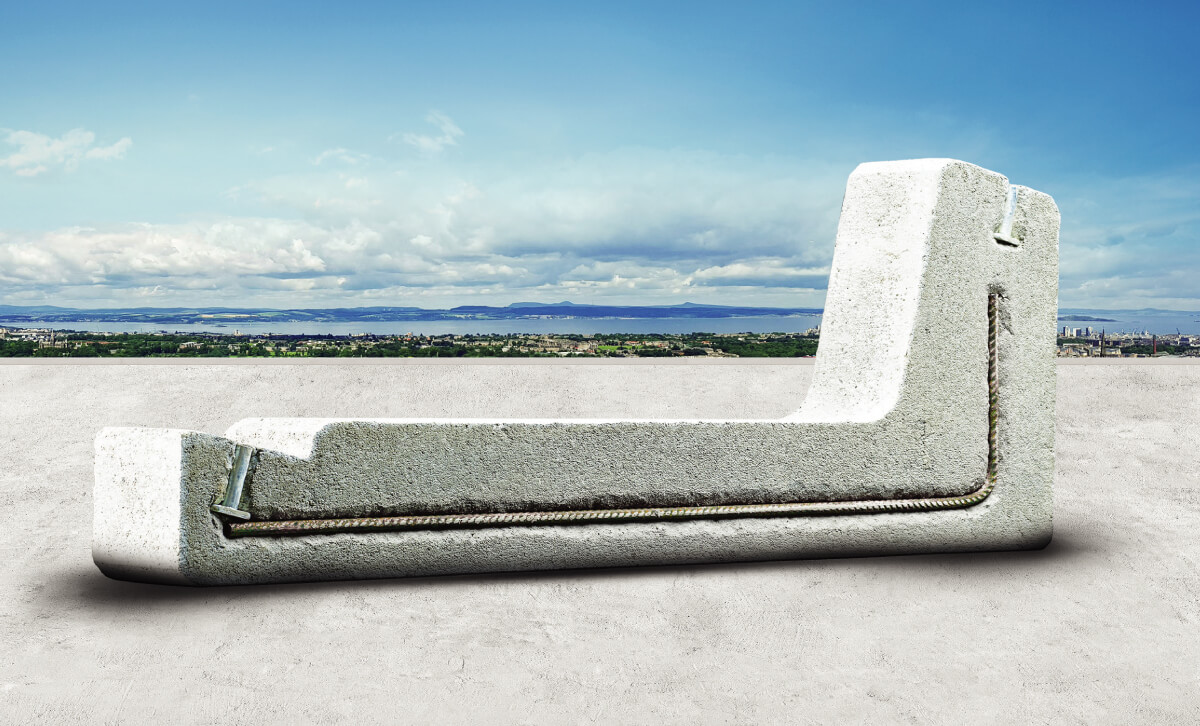
workflow across different sites. With concrete ballast supports engineered for photovoltaics,
the system’s stability comes from weight and geometry rather than roof penetrations. The result
is fewer surprises on site and a cleaner handover. For technical offices, having verified data
for loads, inclinations, and roof constraints makes the difference between a complicated design
and a repeatable method. And for distributors, a recognisable, easy-to-explain solution is far
simpler to move than a bundle of parts that requires long training. If your projects involve
flat industrial roofs, logistics buildings, or commercial structures, selecting a solar panel
structure built around simplicity is not just convenient—it’s a competitive advantage that
protects margins and timelines.
No-Drill Ballasted Systems: Faster
Installation, Lower Risk
A key advantage of a ballasted solar panel structure is the
elimination of drilling. No penetrations means fewer waterproofing risks, fewer approvals, and
fewer callbacks after heavy rain. On site, installers benefit from a straightforward layout:
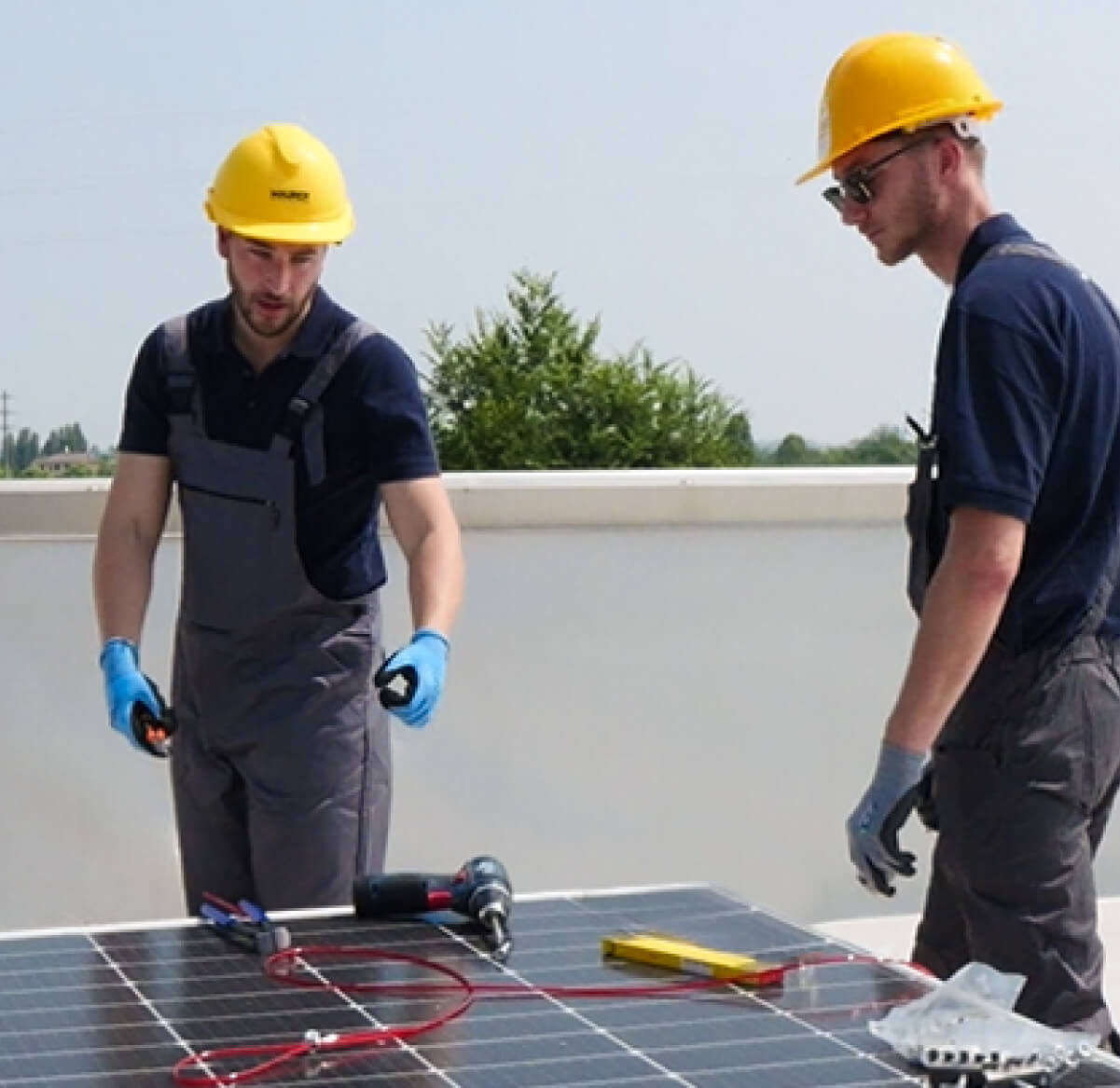
place the supports, align modules, connect, and move on. Fewer components also reduce transport
complexity and mistakes during assembly. For Italy’s varied wind zones and rooftop conditions,
the right solution should come with clear guidance for wind uplift, ballast requirements, and
spacing—so teams can work confidently without overbuilding. Designers and engineers also gain
from a more controlled approach to loads on the roof, helping them balance performance and
structural constraints. Look for systems that are tested, durable, and designed specifically for
flat roofs, not adapted from pitched-roof hardware. When the mounting method is engineered as a
complete system, it becomes easier to standardise across portfolios, scale to larger rooftops,
and keep crew productivity high. In practice, that means installing more kilowatts per day with
less friction—exactly what competitive EPCs and installers need in today’s market.
A Complete Partner Approach: Design Support,
Sizing, Execution
Choosing a solar panel structure is not only about the hardware;
it’s about getting the project right from the first sketch to the final row of modules.
Professional teams in Italy often need technical support during design: correct tilt selection,
row spacing to reduce shading, wind and load checks, and practical advice that matches real roof
conditions. A partner-style approach helps streamline decision-making and reduces the designer’s
responsibility burden by providing reliable inputs and tested configurations. Commercially, it
also helps distributors and installers sell with confidence: the solution is easier to explain,
easier to stock, and easier to deploy. For flat-roof PV, the best results come from systems
built for reliability, simplicity, and continuous innovation—so every project benefits from
proven stability and quick installation. If you want to reduce site time, avoid membrane
penetrations, and deliver consistent outcomes, prioritise a solar panel structure that
integrates engineering logic with jobsite practicality. Learn more and evaluate options for your
next flat-roof installation at www.sunballast.com.