Why Solar Panel Structure Manufacturers Matter
on Flat Roofs
Choosing among solar panel structure manufacturers is not just a
purchasing decision—it directly affects installation time, roof integrity, and long-term system
performance. On flat roofs, the mounting solution must balance wind loads, weight distribution,
waterproofing, and ease of handling on site. That’s why many professionals in Italy increasingly
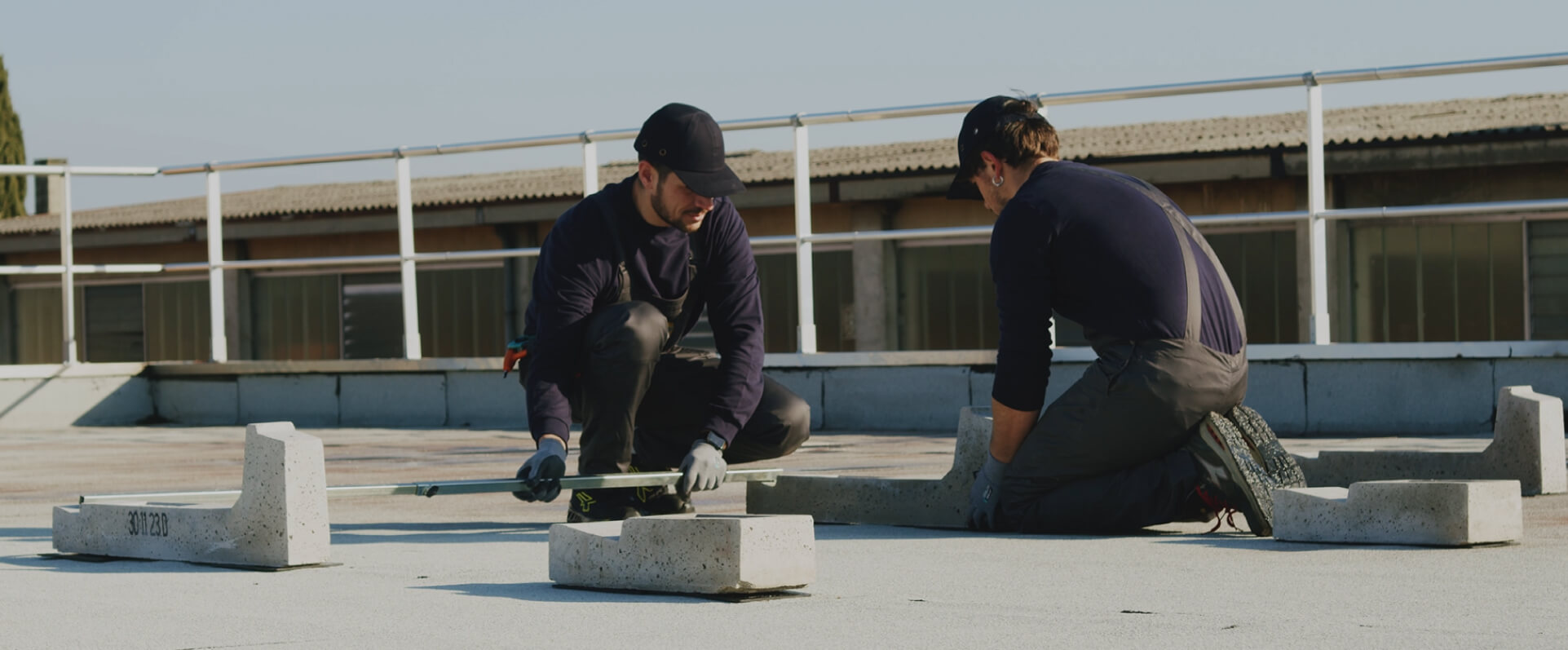
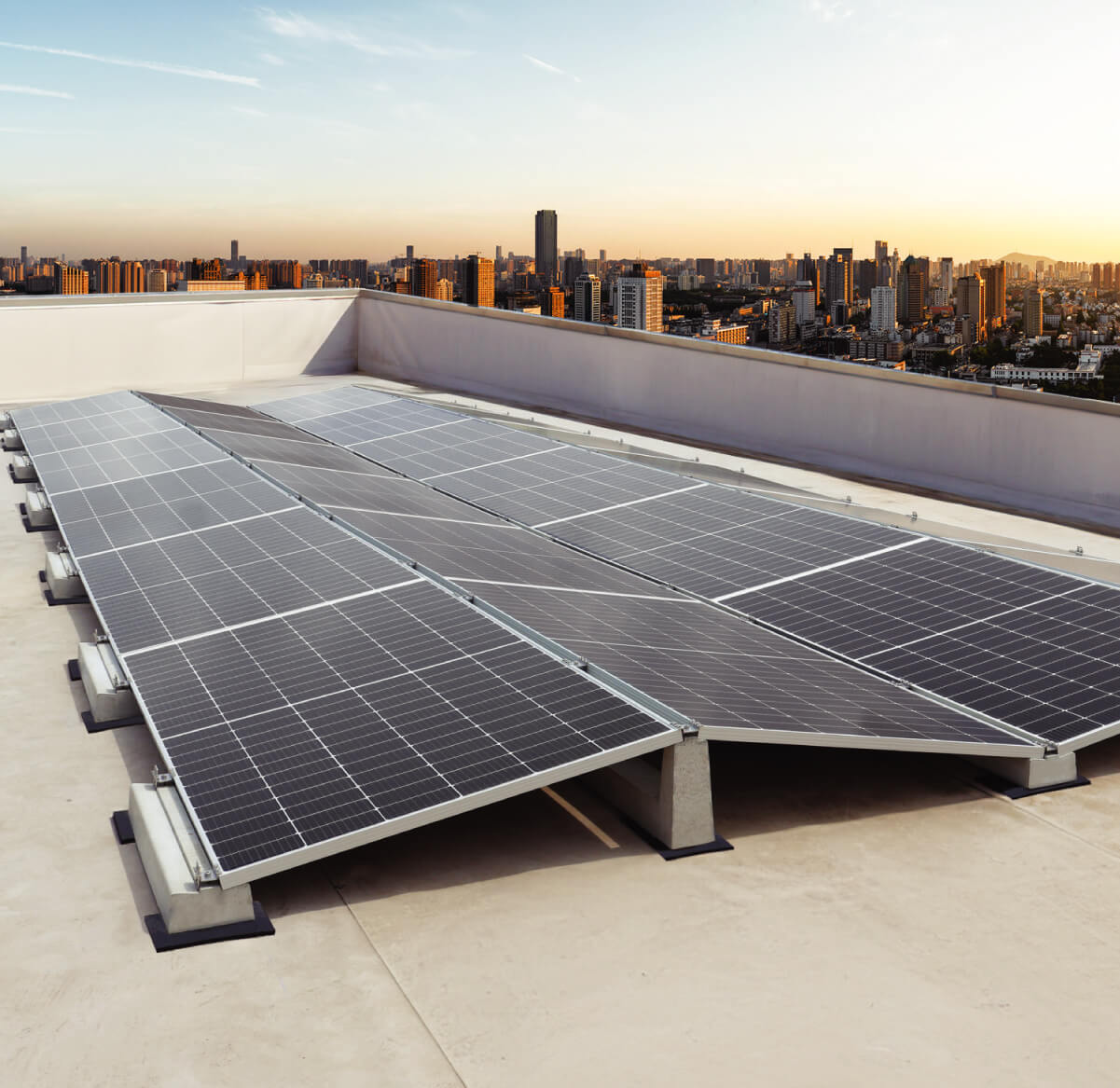
prefer ballasted PV mounting systems designed to secure modules without penetrating the roof
membrane. A no-drill approach reduces the risk of leaks, avoids costly remediation, and
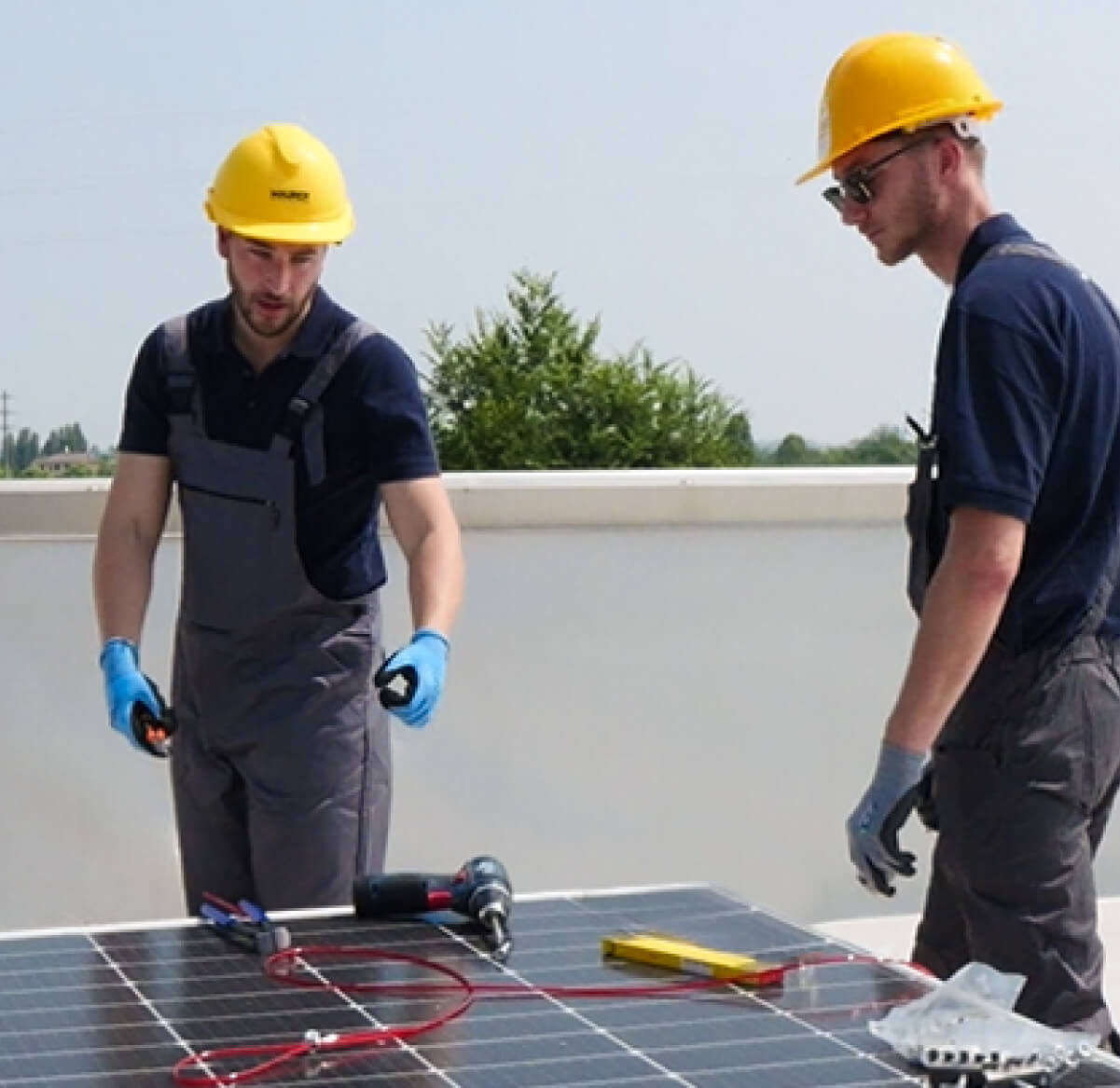
simplifies approvals with building owners. For installers, fewer components and repeatable
assembly steps translate into faster workflows and more predictable project schedules. For
designers and engineers, pre-tested configurations and reliable load data help reduce
uncertainty when calculating wind uplift, ballast requirements, and structural checks. And for
distributors, a clearly differentiated solution—simple to explain and easy to stock—supports
consistent demand. When comparing options, focus on durability, certified performance, clear
technical documentation, and whether the manufacturer can support you from early layout to
execution. In short, the best solar panel structure manufacturers don’t just ship hardware: they
help you deliver safer, cleaner, and more profitable flat-roof PV installations with fewer
headaches at every stage.
No-Drill Ballasted Structures: Speed, Safety,
and Simplicity
Flat-roof PV projects often lose time due to complex anchoring,
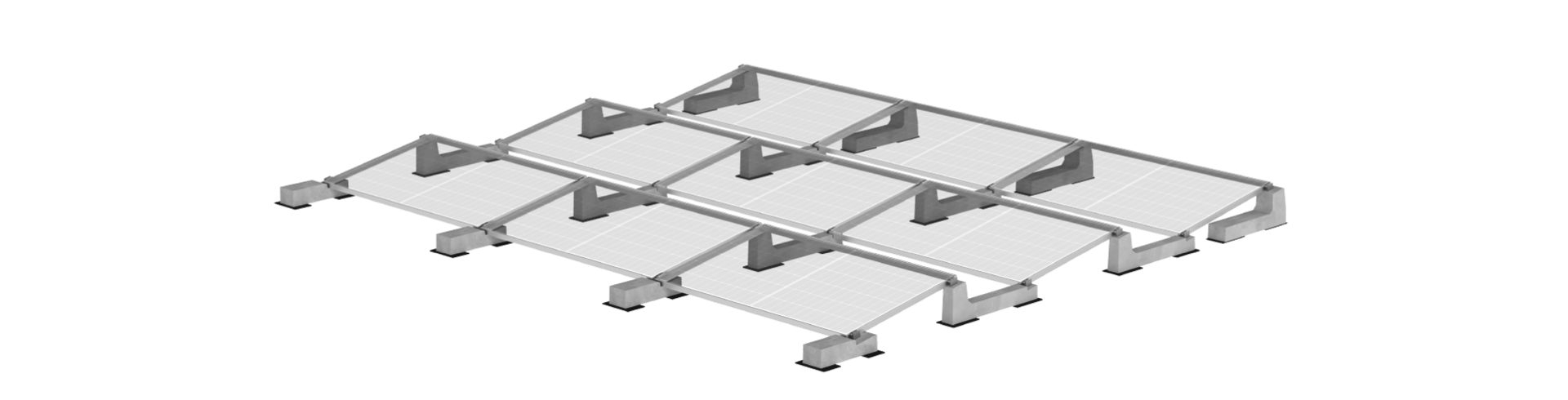
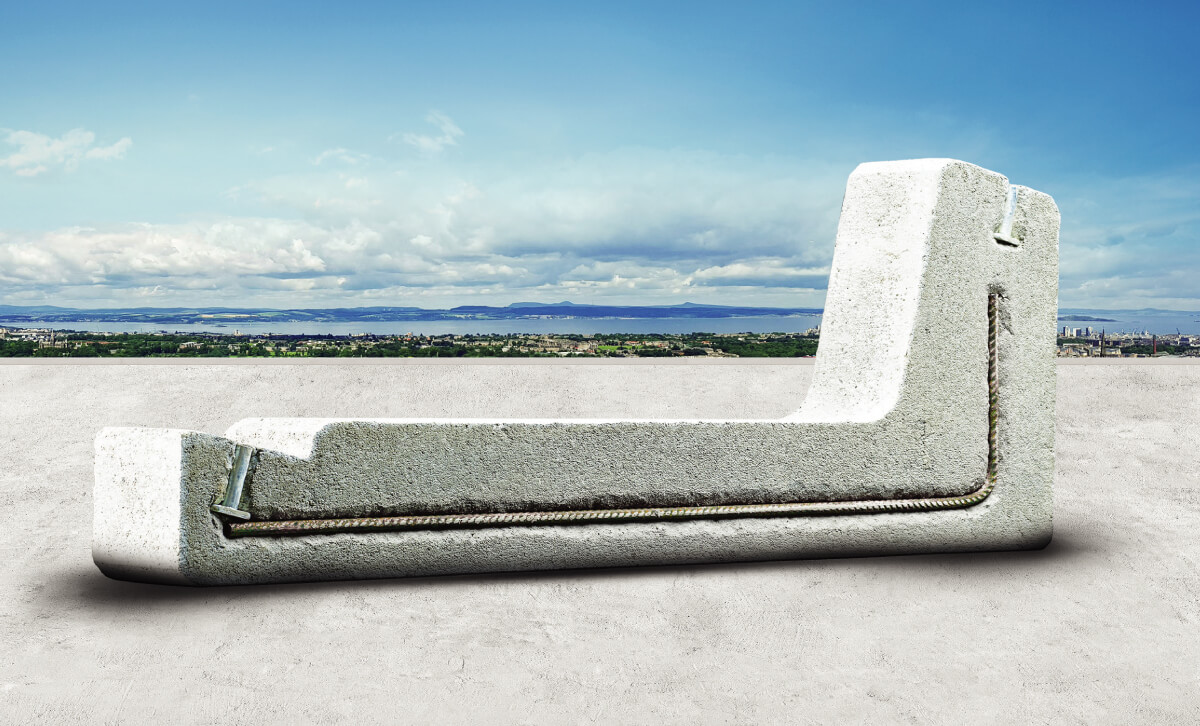
roof permissions, and waterproofing concerns. A concrete-ballast mounting concept solves this by
using weight and smart geometry to keep the array stable, without mechanical fixings through the
covering. This means quicker installation, reduced labour, and fewer tools on the
roof—especially valuable when crews need to complete more jobs per week. It also supports
cleaner logistics: fewer small parts, more standardised assembly, and less room for on-site
mistakes. From a technical standpoint, a well-engineered ballasted structure can provide
consistent module tilt, reliable load distribution, and robust resistance to wind when correctly
sized. For Italian professionals, the added advantage is practical: you can protect the roof
warranty, limit liability linked to penetrations, and keep the site safer and tidier. If you’re
evaluating solar panel structure manufacturers, ask whether they offer sizing support, wind-load
guidance, and proven solutions specifically optimised for flat roofs rather than generic racking
adapted from pitched applications.
What to Look for in Solar Panel Structure
Manufacturers (B2B)
Installers, engineers, and distributors in Italy typically look
for three things: reliability, simplicity, and ongoing innovation. Reliability means solid,
durable products with tested performance and consistent quality control—because callbacks are
expensive and reputations matter. Simplicity means fast, intuitive installation, minimal
components, and clear instructions that new crews can follow without slowing down. Innovation
means continuous product development for different roof types, orientations, and project
constraints, so you can propose the right PV mounting configuration without reinventing the
design each time. Just as important is technical partnership: the strongest solar panel
structure manufacturers provide support during design, help with system sizing, and assist with
project development all the way to execution—so professionals can reduce risk and deliver
compliant, bankable installations. If your priority is flat-roof photovoltaics, consider
solutions built around concrete ballasts that avoid roof drilling, streamline site operations,
and keep performance predictable over time. For a B2B buyer, that combination can be the
difference between a difficult job and a repeatable, profitable standard.