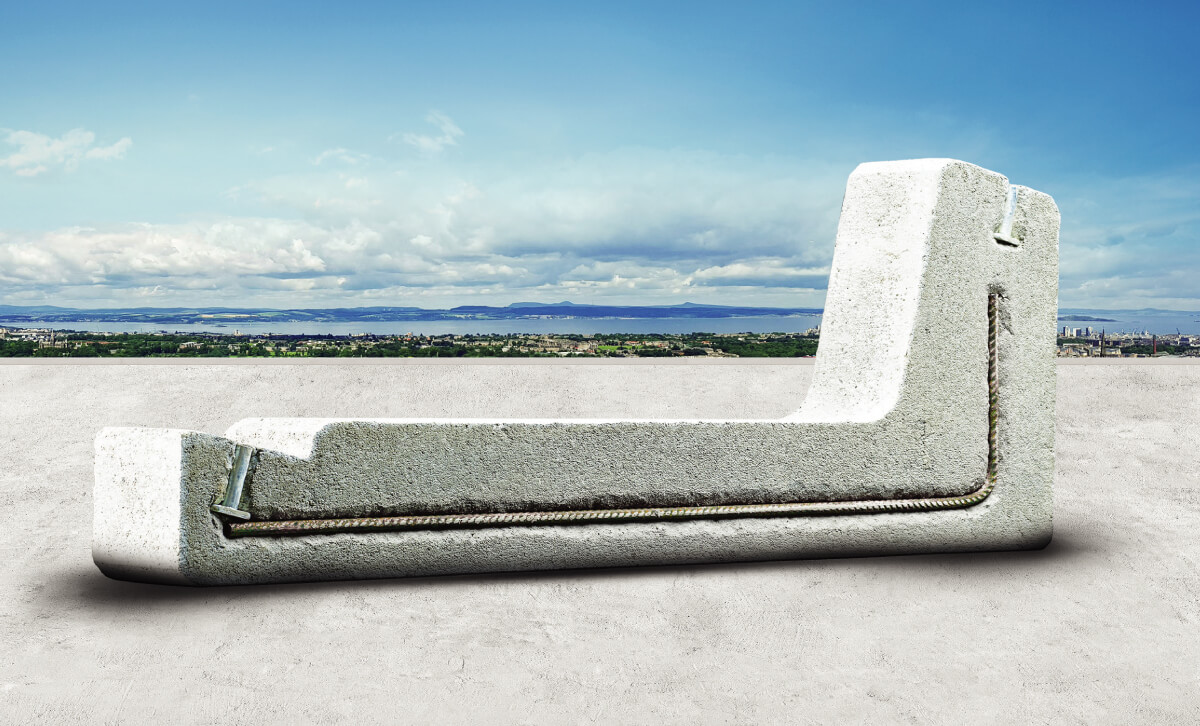
A smarter solar panel roof structure for flat
roofs in Italy
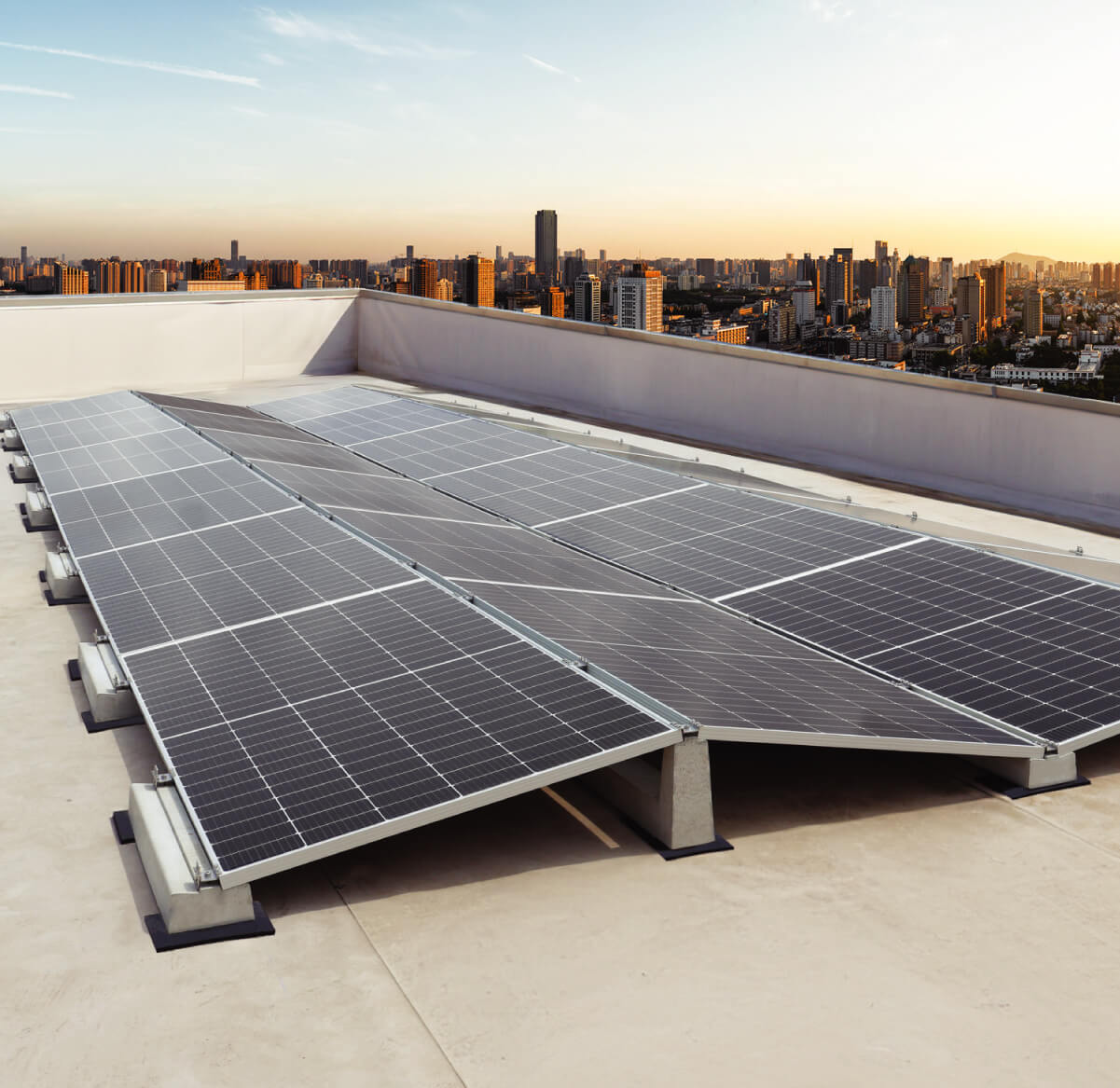
In Italy, flat roofs on warehouses, commercial buildings, and
industrial sites are prime locations for photovoltaics—but the wrong solar panel roof structure
can quickly turn a simple job into a slow, risky installation. Penetrating the waterproof
membrane, managing dozens of small components, and dealing with uncertain wind uplift
calculations can add days to the schedule and increase liability. A ballast-based mounting
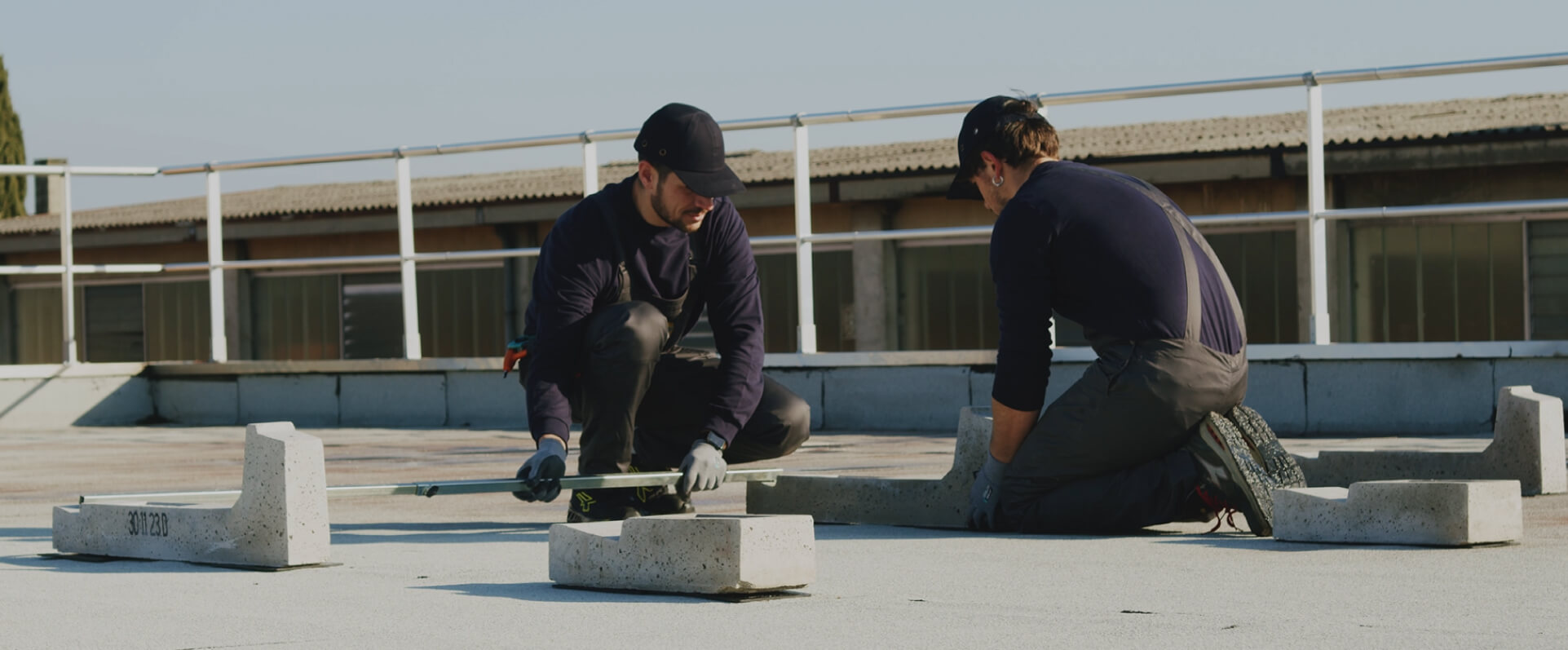
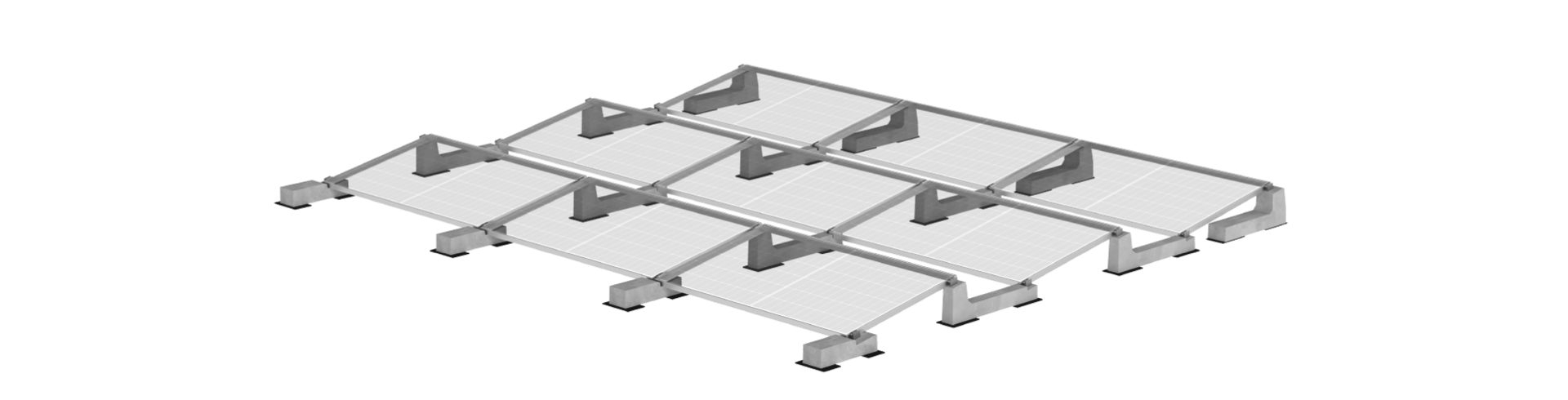
concept changes the game: instead of drilling into the roof, concrete weights secure the PV
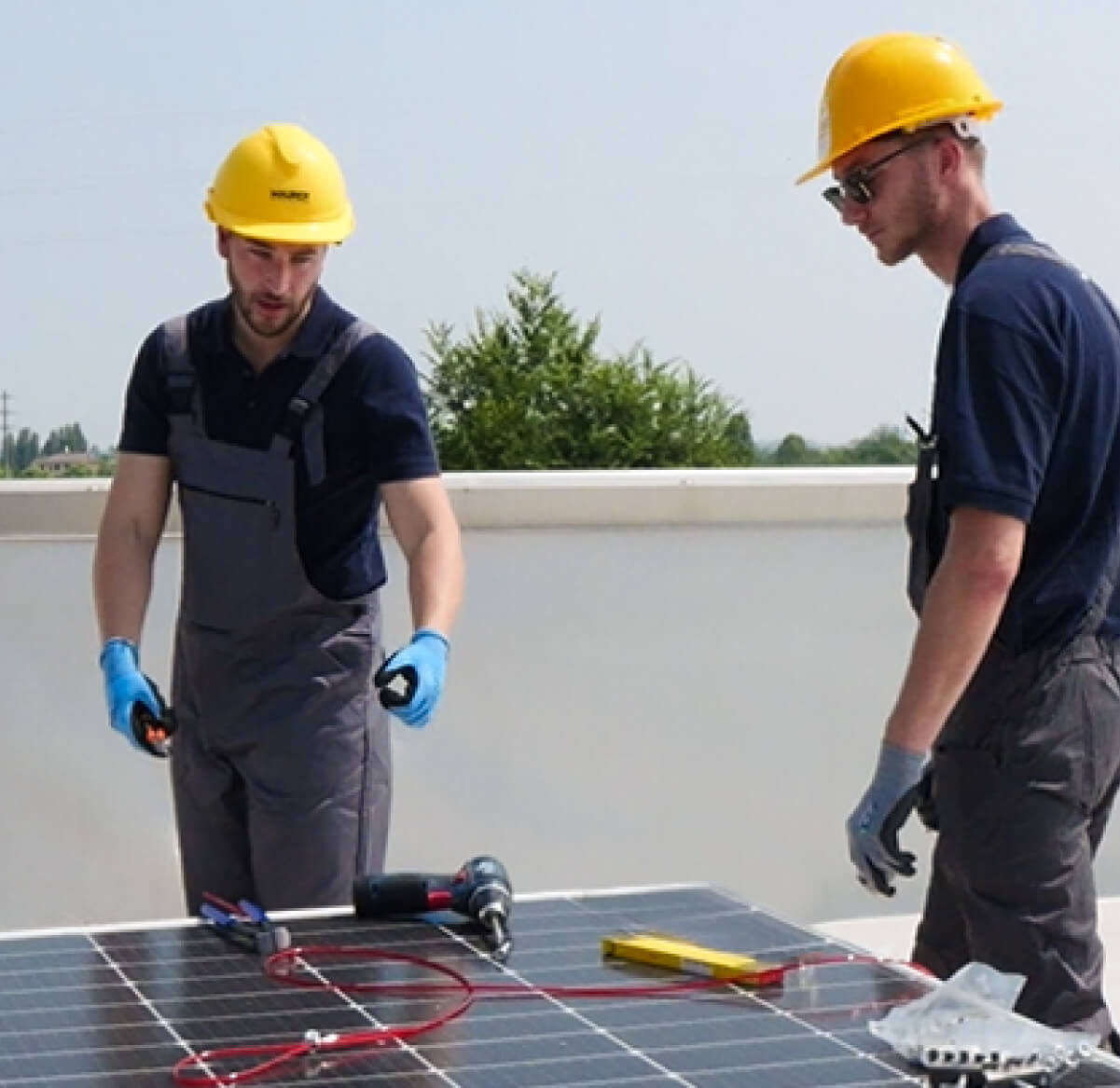
modules and help protect the roof covering. For installers, that means fewer steps on site,
cleaner logistics, and a workflow that feels predictable even when deadlines are tight. For
designers and engineers, it means working with a support system built around verified data,
stable load distribution, and repeatable layouts. The result is a flat-roof PV solution that is
easier to quote, faster to assemble, and safer for the building envelope. When you can install
without roof holes, you reduce the risk of leaks and simplify maintenance for years to come. If
your goal is to deliver reliable rooftop solar with less complexity, choosing the right solar
panel roof structure is one of the most important decisions you’ll make on the project.
Why installers prefer no-penetration PV
mounting on flat roofs
Speed is profit. A streamlined solar panel roof structure designed
for flat roofs helps crews finish more projects with the same team. Ballasted PV mounting
typically reduces the number of roof penetrations to zero, cutting out time-consuming sealing
work and minimizing the chance of call-backs. With fewer parts to manage, it’s easier to keep
the site organized and avoid missing hardware. The structure’s concrete ballast also supports
stable module positioning, making alignment and repeatability simpler across long rows. For
Italian job sites where weather windows can be short, rapid assembly is a decisive advantage.
And because the roof membrane stays intact, you protect the client’s asset while keeping your
installation process straightforward. Add clear documentation, tested configurations, and
responsive pre-sales assistance, and you get a solution that feels like a technical partner—not
just a pile of components.
Engineering confidence: wind loads, sizing,
and technical support
Every flat-roof PV project must address wind, loads, and long-term
durability. A high-quality solar panel roof structure should provide reliable inputs for design:
ballast sizing, module tilt options, load distribution, and tested performance. This is where
strong technical support makes a difference for engineers, consultants, and project managers.
Instead of starting from scratch, you can validate layouts faster, reduce design risk, and
deliver clearer documentation to stakeholders. For distributors and wholesalers, a recognizable
ballasted mounting system is easier to specify and sell because it solves common objections:
roof safety, installation time, and predictable performance. In practice, the best outcomes come
from combining robust concrete ballast, an intuitive mounting layout, and project assistance
that follows the job from early sizing to execution. If you’re working in the Italian PV market
and you want fewer surprises on site, choose a solar panel roof structure built specifically for
flat roofs—fast to install, kind to the roof, and backed by real technical know-how.