Faster Flat-Roof PV Starts with the Right
Solar Panel Roof Support Systems
In the Italian PV market, time on site and roof integrity are
everything. Choosing the right solar panel roof support systems can make the difference between
a smooth installation and days of delays, rework, or waterproofing concerns. On flat roofs, the
smartest approach is often a non-penetrating solution that avoids drilling into the membrane,
reducing the risk of leaks and costly callbacks.
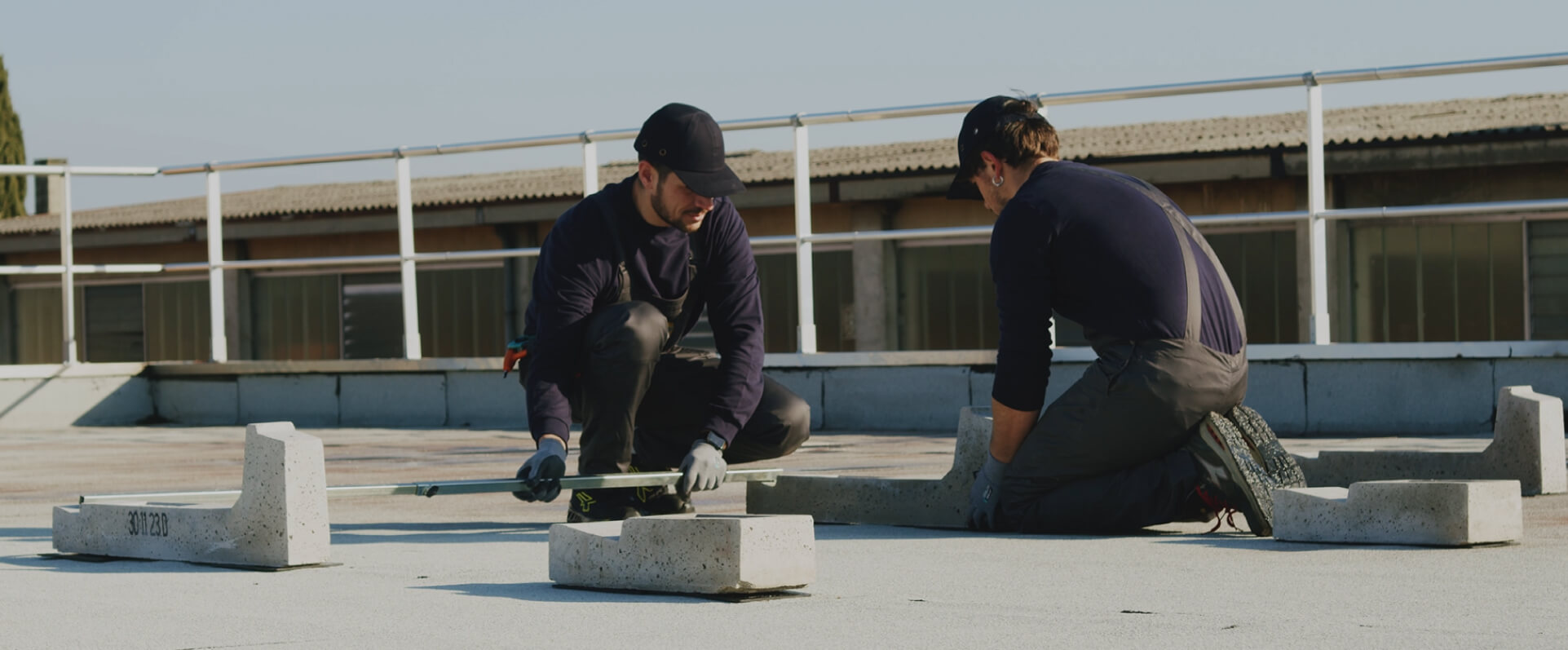
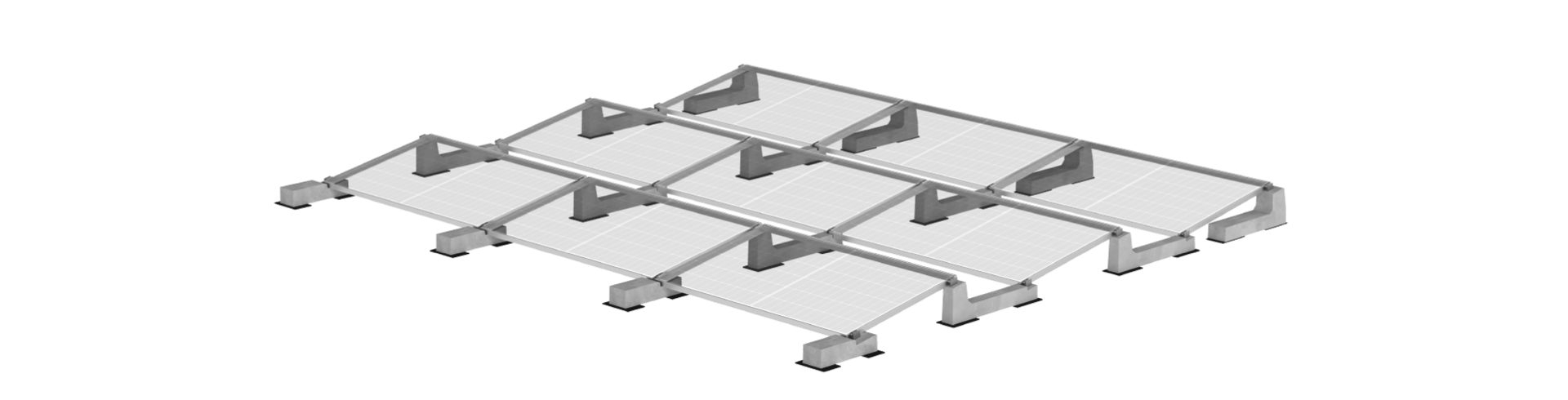
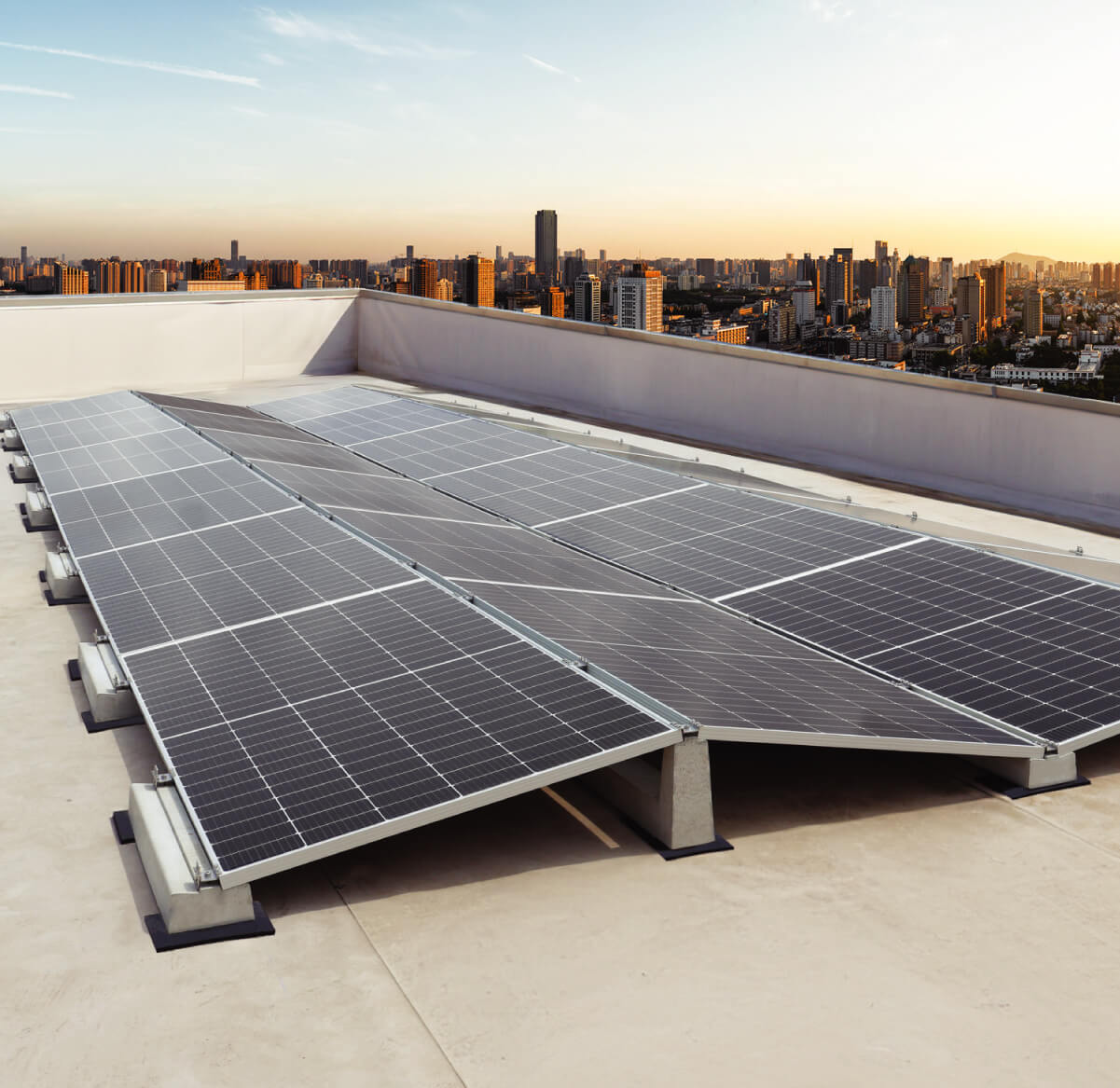
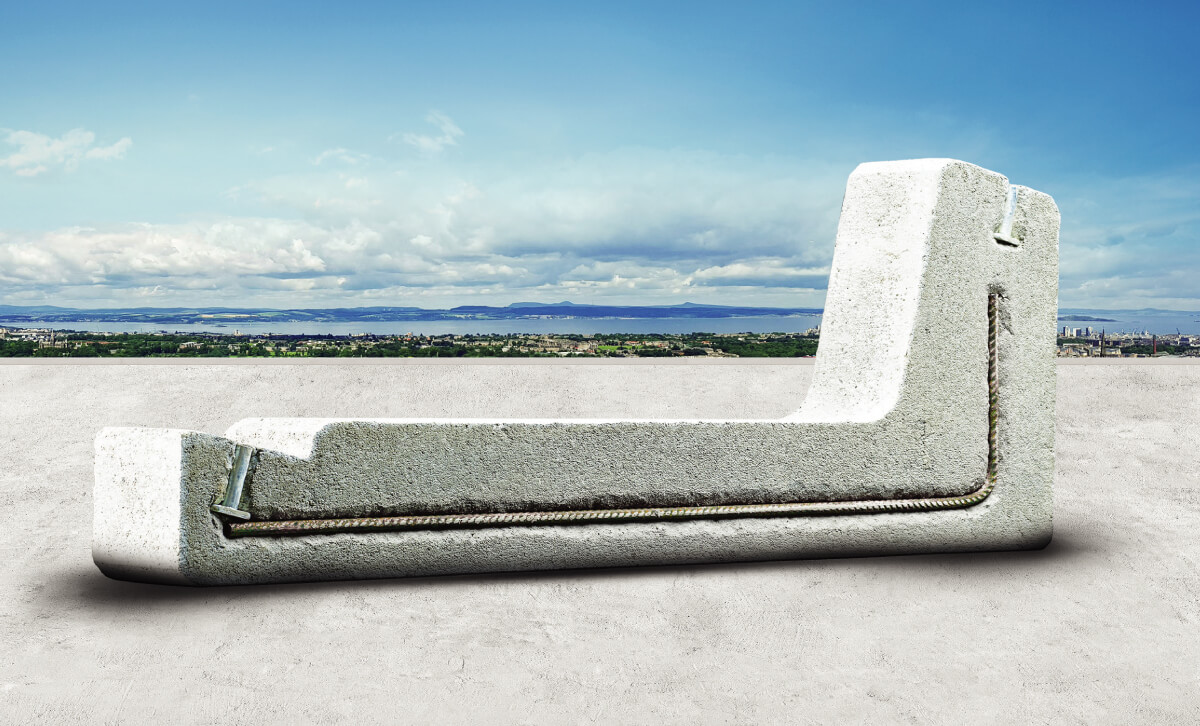
Ballasted mounting structures built with concrete weights are designed to keep modules stable
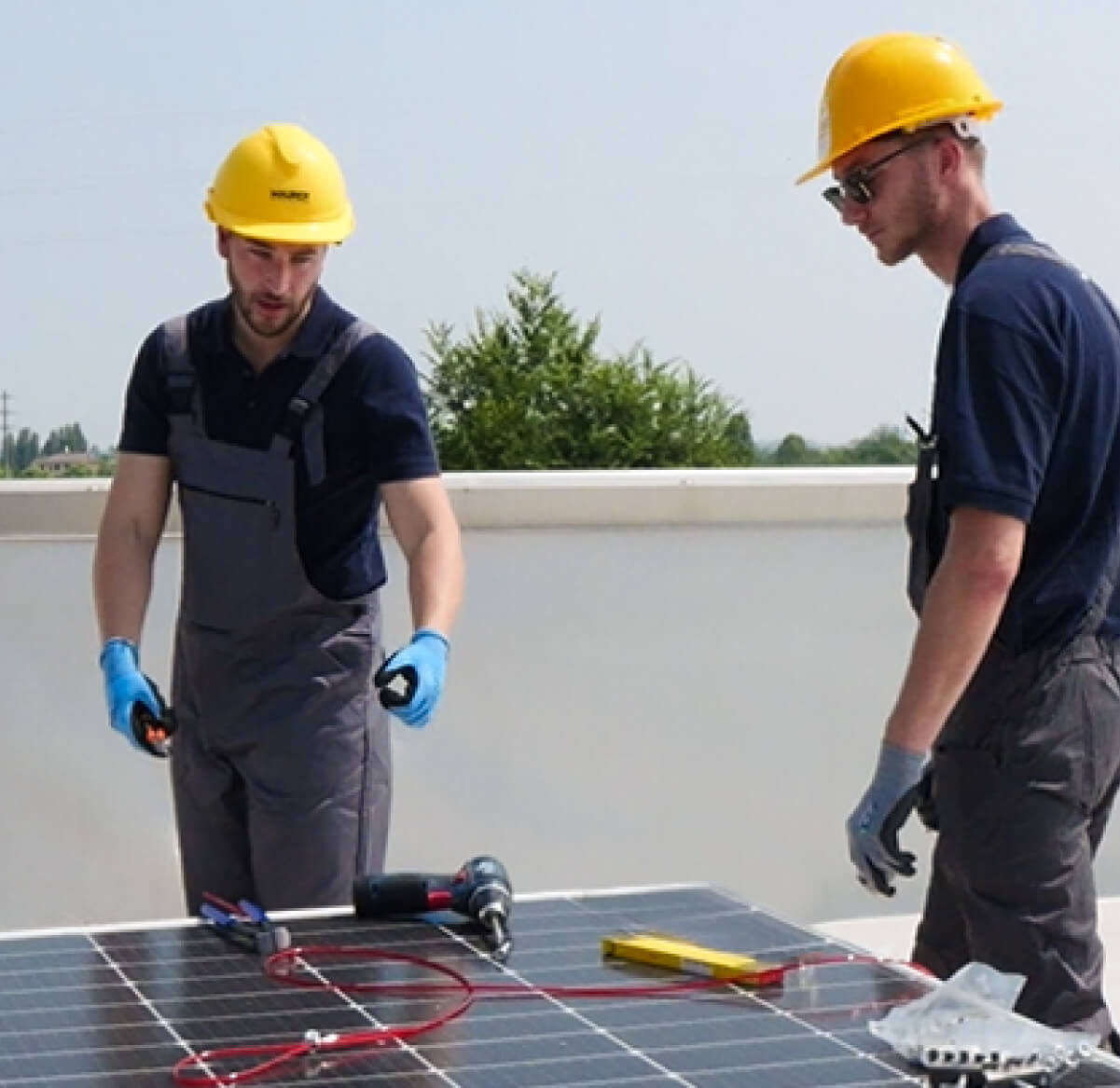
through friction and load distribution, while helping installers work with fewer components and
simpler assembly steps. For many projects, that translates into faster positioning, cleaner
logistics, and a more predictable workflow.
For engineers and designers, modern support systems also mean dependable data for wind loads,
roof loads, and tilt choices—critical for safe, compliant designs. And for distributors, having
a recognizable, easy-to-explain mounting solution helps answer customer objections quickly:
durability, tested performance, and straightforward installation.
If you work with flat-roof PV in Italy—whether you install, design, or supply—prioritizing
simplicity, reliability, and project support will pay off on every job. The best systems don’t
just hold panels: they reduce complexity, shorten installation time, and keep the roof
untouched.
Why Non-Penetrating Concrete Ballast Mounting
Makes Sense in Italy
Flat roofs on warehouses, commercial buildings, and industrial
sites are common across Italy, but they come with strict constraints: preserve waterproofing,
limit structural loads, and complete work quickly with minimal disruption. Non-penetrating,
ballasted solar panel roof support systems answer these needs by eliminating roof drilling and
distributing weight safely.
Concrete ballast solutions are engineered to provide stability against wind uplift while keeping
the mounting layout tidy. Because key elements are integrated into the ballast, installers can
often reduce the number of small parts, speed up alignment, and simplify cable management. That
means fewer surprises in the field and easier training for crews.
From a design standpoint, having tested configurations and technical guidance helps reduce
responsibility-related stress: wind exposure, parapet effects, roof zones, and module tilt
angles can all be addressed with clearer inputs. The outcome is a system that supports bankable
PV performance and safer construction practices—without compromising the roof covering.
For B2B stakeholders, the biggest benefit is repeatability. When the mounting strategy is
consistent across projects, quoting becomes faster, procurement is simpler, and installation
teams can scale output while maintaining quality standards.
What to Look for in Solar Panel Roof Support
Systems (Installers, Designers, Distributors)
When evaluating solar panel roof support systems for flat roofs,
focus on the factors that directly impact risk, time, and long-term performance—especially in
Italy’s varied wind and climate conditions. First, check whether the system is truly
non-penetrating and designed to protect the roofing membrane. Avoiding mechanical fixings can
dramatically lower leak risk and reduce coordination with waterproofing contractors.
Second, look for proven wind-load performance and clear documentation for roof load
distribution. Designers need reliable technical data, while installers benefit from layouts that
are easy to replicate on site. Pre-tested configurations and standardized components help
prevent measurement errors and speed up commissioning.
Third, prioritize installation simplicity: fewer parts, intuitive assembly, and flexible tilt
options for different production goals. A well-designed ballasted structure can shorten
installation time, reduce labor costs, and minimize on-roof handling—key advantages for busy
crews.
Finally, consider the value of technical partnership. The best suppliers support you with system
sizing, design-phase assistance, and project development through execution. In practice, that
means quicker answers, fewer redesigns, and smoother delivery. For distributors, it also means
an easier product to sell: clear benefits, strong demand, and dependable support.
Choosing the right solution is not just about hardware—it’s about making every flat-roof PV
project safer, faster, and more predictable.