Faster Flat-Roof PV Starts with the Right
Solar Panel Racking
In Italy, flat-roof photovoltaic projects often stall for one
simple reason: the mounting structure is more complicated than it needs to be. Choosing the
right solar panel racking can transform a jobsite—cutting installation time, reducing errors,
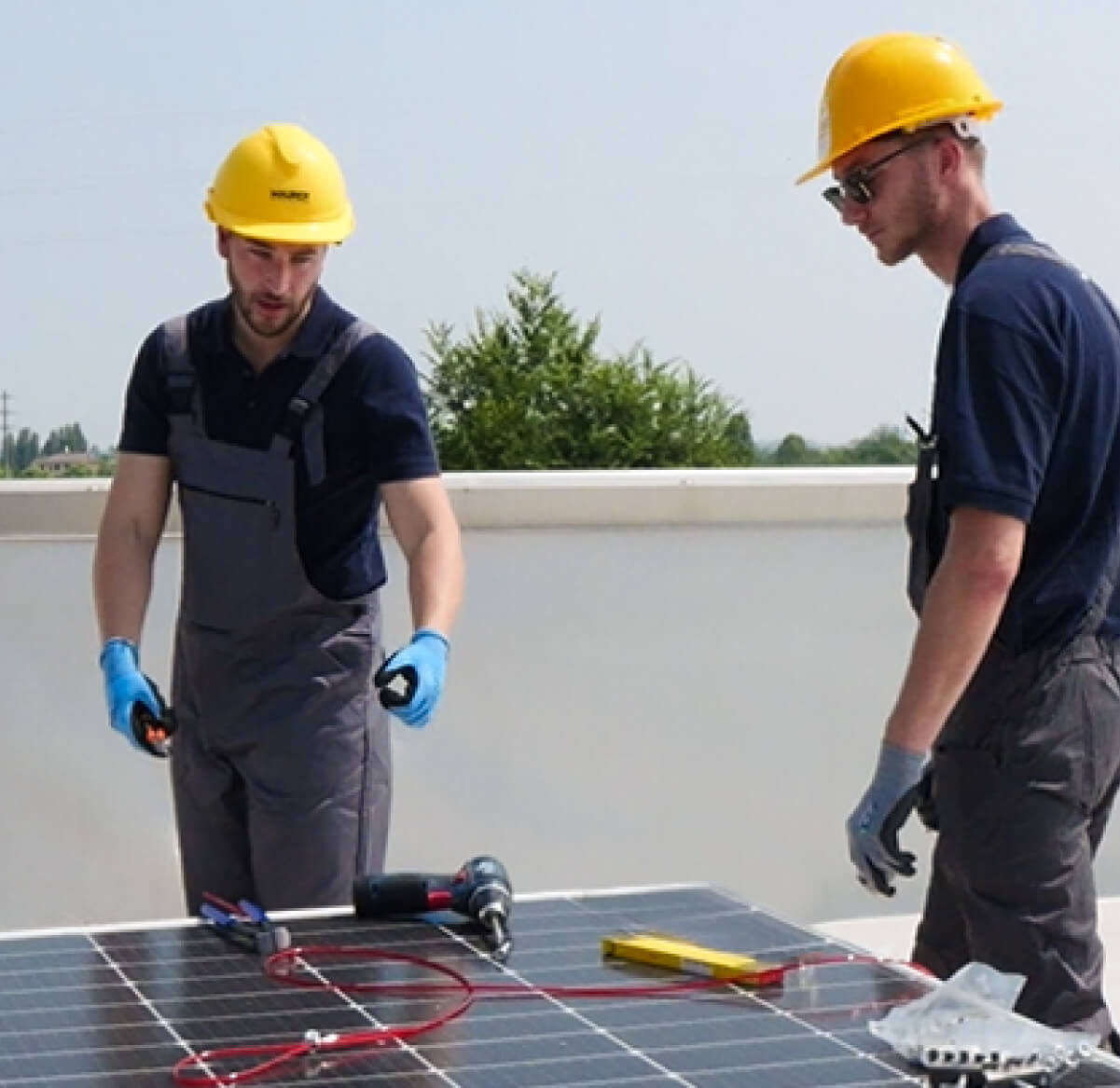
and protecting the roof membrane. For installers, fewer components and intuitive assembly mean
quicker positioning, easier alignment, and a cleaner workflow from first pallet to final module.
For designers and engineers, a well-engineered racking system brings confidence: predictable
dead loads, clear layout options, and documentation that supports responsible design decisions.
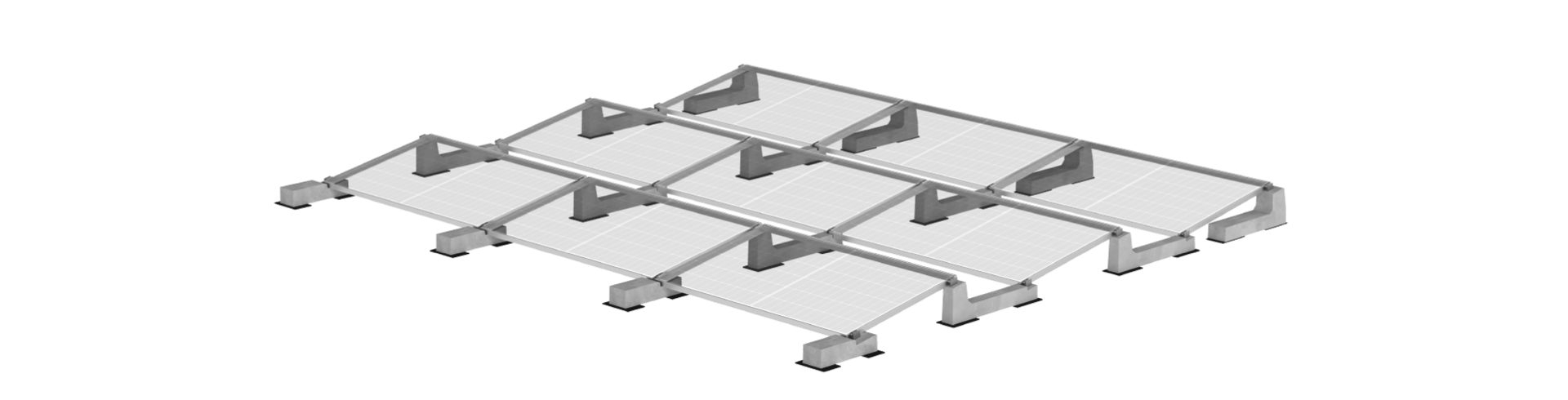
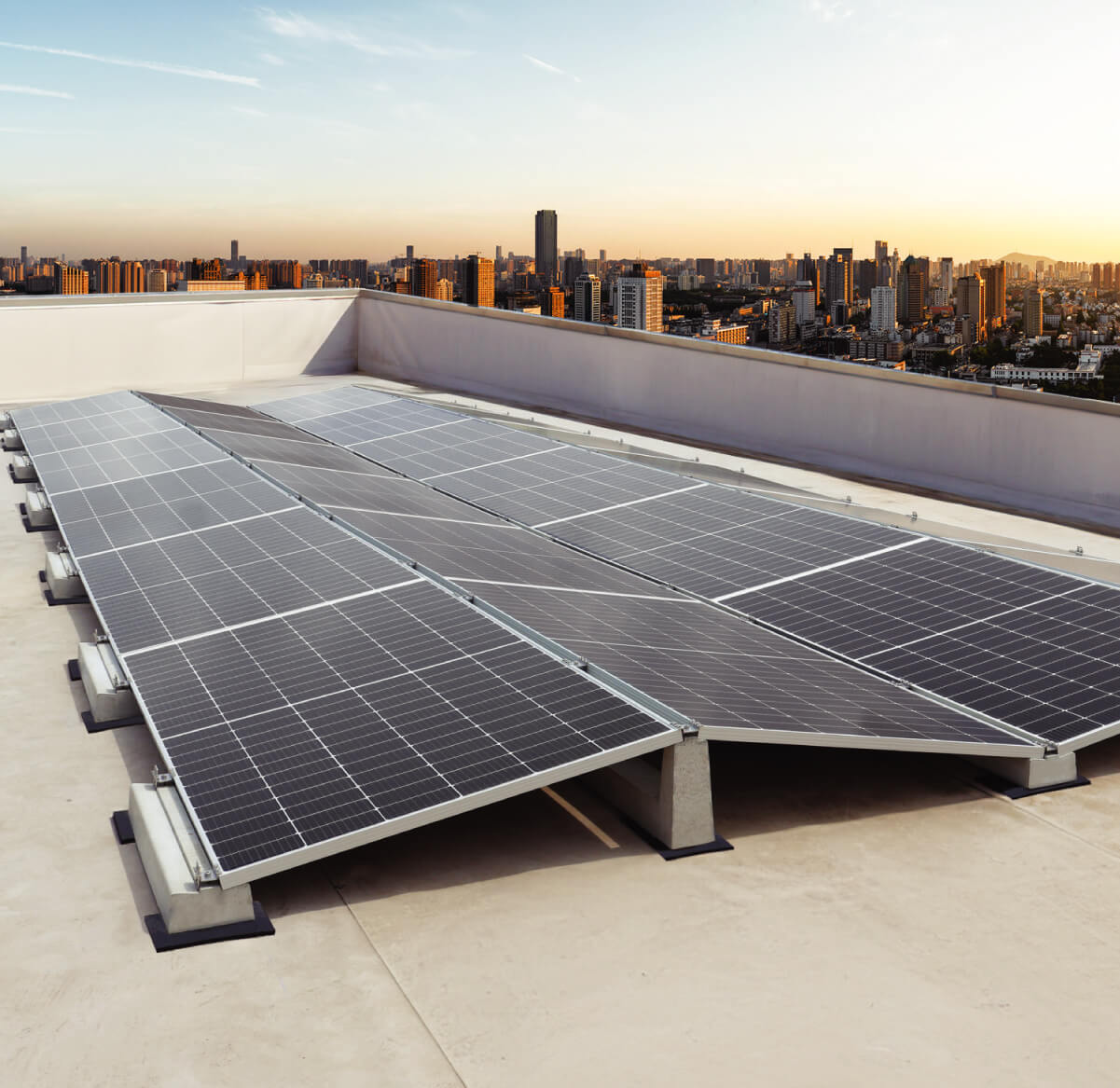
A ballast-based approach is especially attractive on flat roofs because it avoids roof
penetrations. That translates into less waterproofing risk, fewer callbacks, and smoother
approvals. Instead of drilling and sealing, crews can focus on set-out, string configuration,
and electrical works. The best solutions also offer flexibility in tilt angle and orientation,
helping optimize production while respecting rooftop constraints such as parapets, HVAC units,
and walkways.
If you’re looking to standardize your rooftop PV builds across commercial and industrial sites,
prioritize solar panel racking that is robust, tested, and simple to deploy. The goal is
straightforward: make flat-roof installations safer, faster, and more repeatable—without
compromising performance or long-term reliability.
Why Ballasted Racking Reduces Risk and
Complexity
Traditional flat-roof mounting often introduces two pain points:
complex fastening details and the uncertainty of waterproofing over time. Ballasted solar panel
racking tackles both by using weighted supports that keep modules stable without penetrating the
roof. This is a practical advantage in Italian refurbishment projects where the membrane
condition, insulation layers, or roof warranty can limit drilling.
From an engineering perspective, ballasted systems can simplify project planning by providing
predefined solutions and tested configurations. Wind action, load distribution, and array
geometry can be evaluated with reliable data, reducing the burden on the design team and
lowering overall project risk. Installers benefit too: fewer fixings, fewer specialized tools,
and a more linear installation sequence.
For distributors and wholesalers, ballast-based solar panel racking is easier to position in the
market because the value proposition is clear: speed, safety, and consistency. When the mounting
solution helps crews finish more systems per month, it becomes a product that sells
itself—supported by a technical approach that customers can trust.
A Complete Technical Partner for Solar Panel
Racking Projects
Solar panel racking is not just hardware—it’s the difference
between a smooth installation and a site full of delays. For professionals working on flat roofs
in Italy, the most effective approach combines a proven ballasted mounting concept with real
project support. That means help during design, assistance with system sizing, and guidance that
follows the job from initial layout to execution.
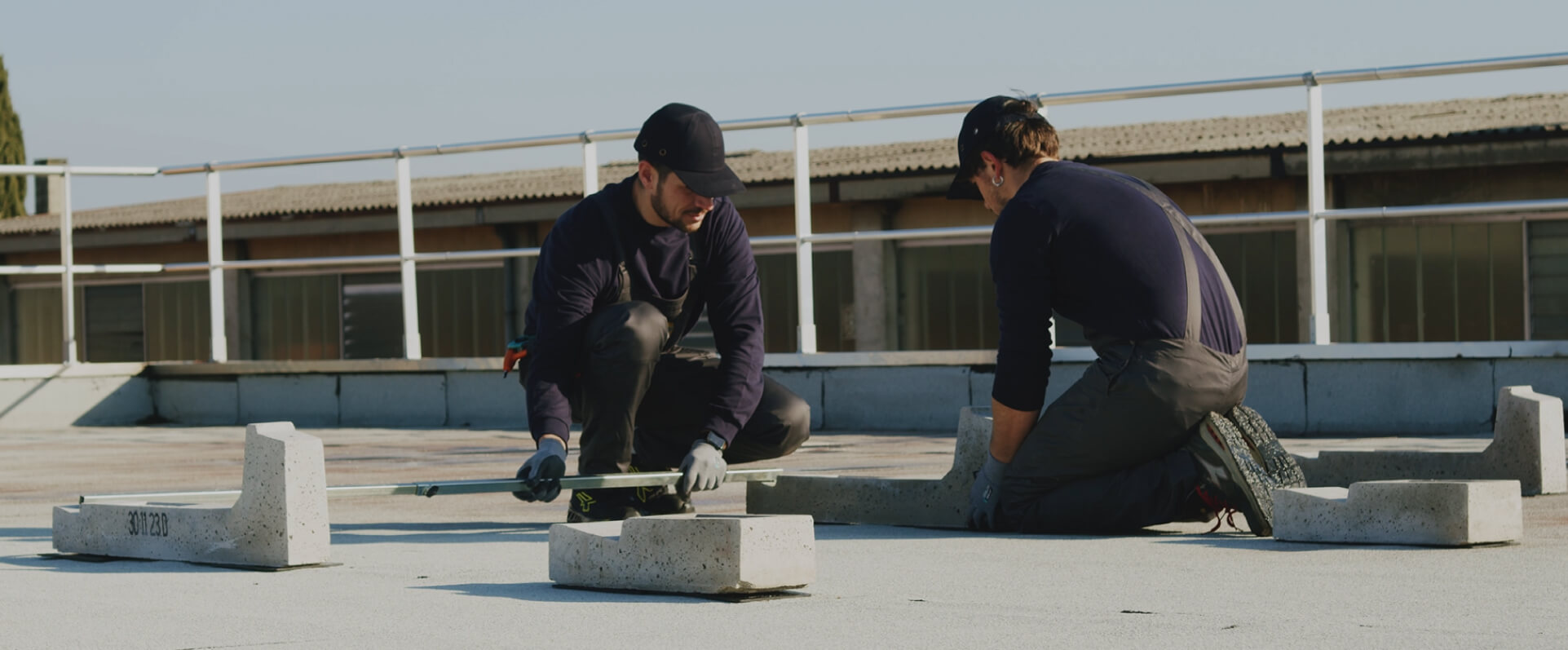
Installers appreciate solutions that remove friction on site: modular supports, quick
positioning, and no-drill installation that protects the roof. Engineers and technical studios
look for certified, tested systems with dependable inputs for wind and load checks. Distributors
want a recognizable, reliable range that customers reorder because it works.
When your mounting choice is backed by strong technical assistance, you gain more than a
structure—you gain certainty. The result is a flat-roof PV project that installs faster, stays
secure in demanding conditions, and delivers long-term durability. If your next rooftop array
needs to be efficient and low-risk, choose solar panel racking designed for simplicity,
reliability, and continuous innovation—so every project is easier to deliver and easier to
scale.