Why a Solar Panel Racking System for Flat Roof
Projects Must Be Simple
Choosing the right solar panel racking system flat roof is often
the difference between a smooth installation and days of delays on site. In Italy, flat roofs on
industrial buildings, logistics hubs, and commercial properties are ideal for PV—but they also
come with strict constraints: waterproofing must be protected, loads must be controlled, and
installation time must be kept low. That’s why installers and designers increasingly prefer
ballast-based mounting solutions that avoid roof penetration. A non-penetrating PV racking
approach reduces the risk of leaks, eliminates many roofing approvals, and keeps the work safer
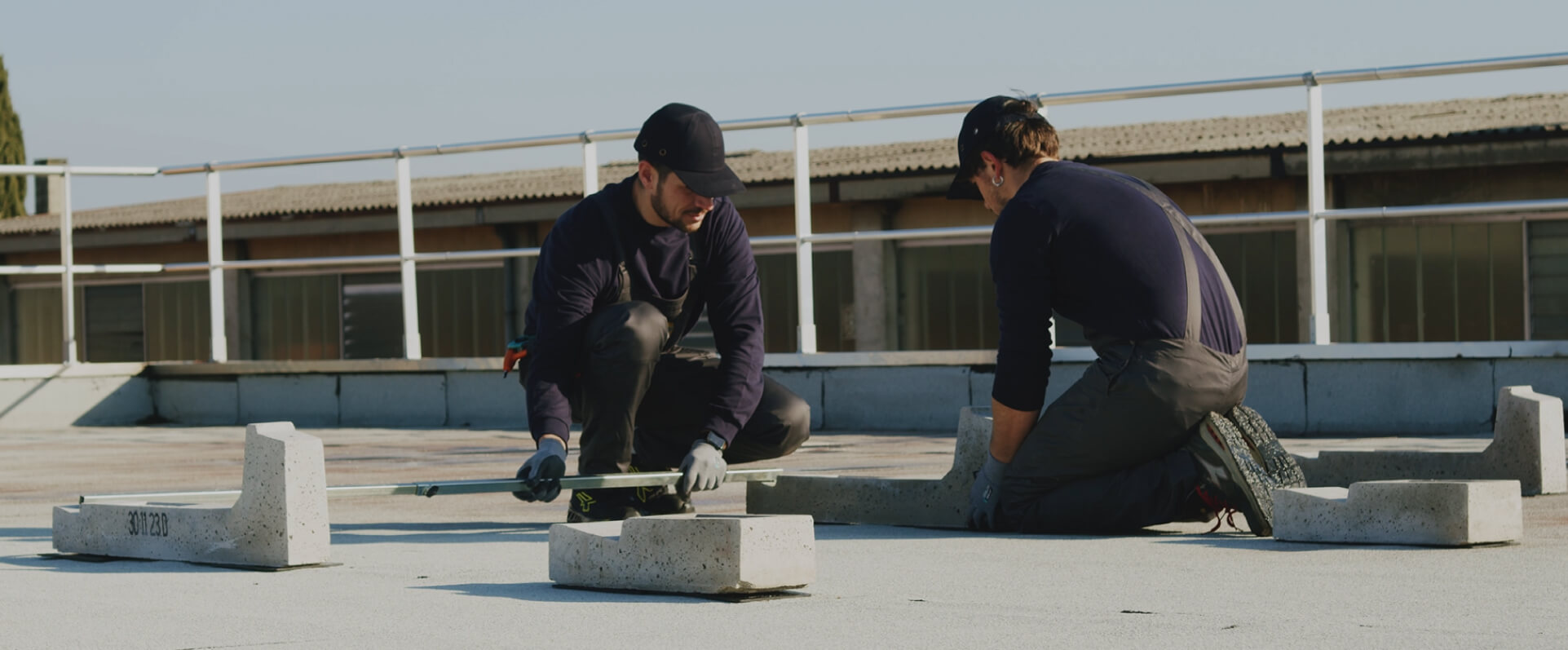
and cleaner. With fewer components to assemble, crews can position the supports, align modules,
and complete wiring faster—especially valuable when you’re managing multiple rooftops or tight
schedules. For engineers and technical offices, the key is predictability: certified systems,
reliable load distribution, and clear data for wind and structural checks. For distributors, a
flat roof PV mounting system that is easy to explain and easy to stock tends to move faster. The
best solutions combine speed, stability, and technical backup—so you’re not just buying
hardware, you’re reducing operational complexity and protecting your margin on every job.
Ballasted PV Mounting: No Drilling, Less Risk,
Faster Workflows
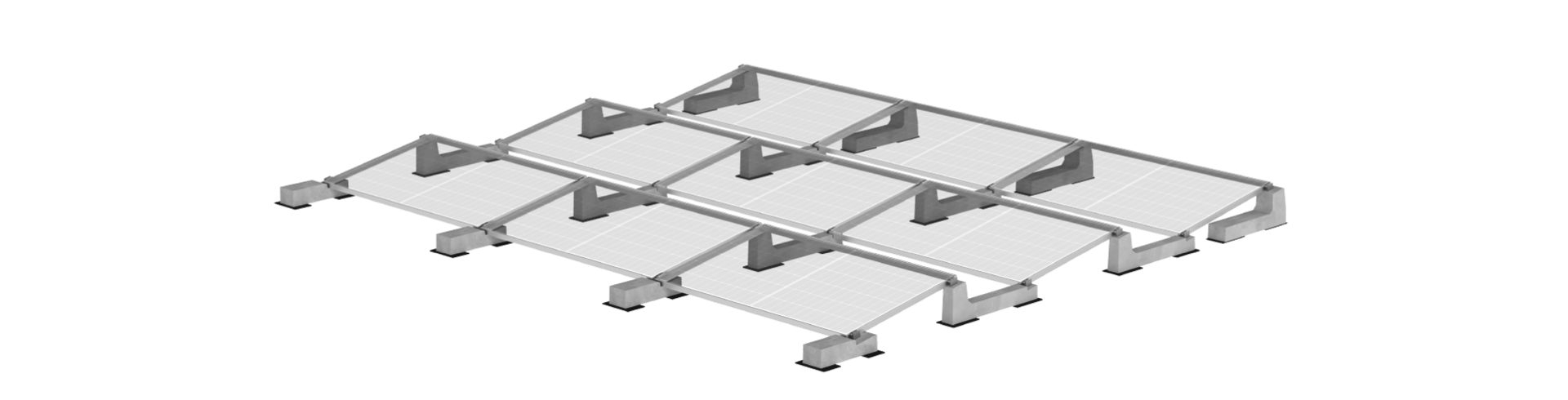
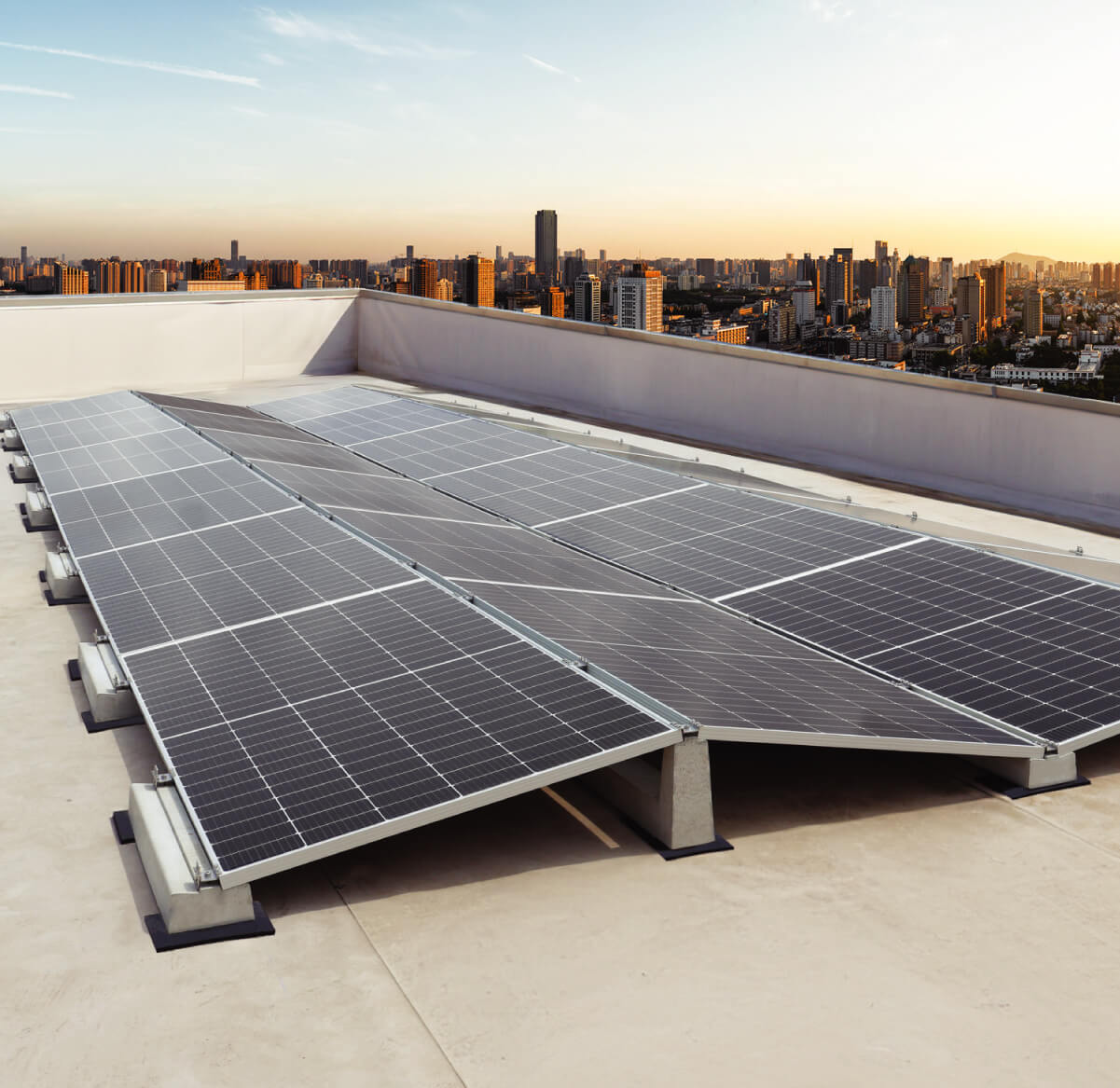
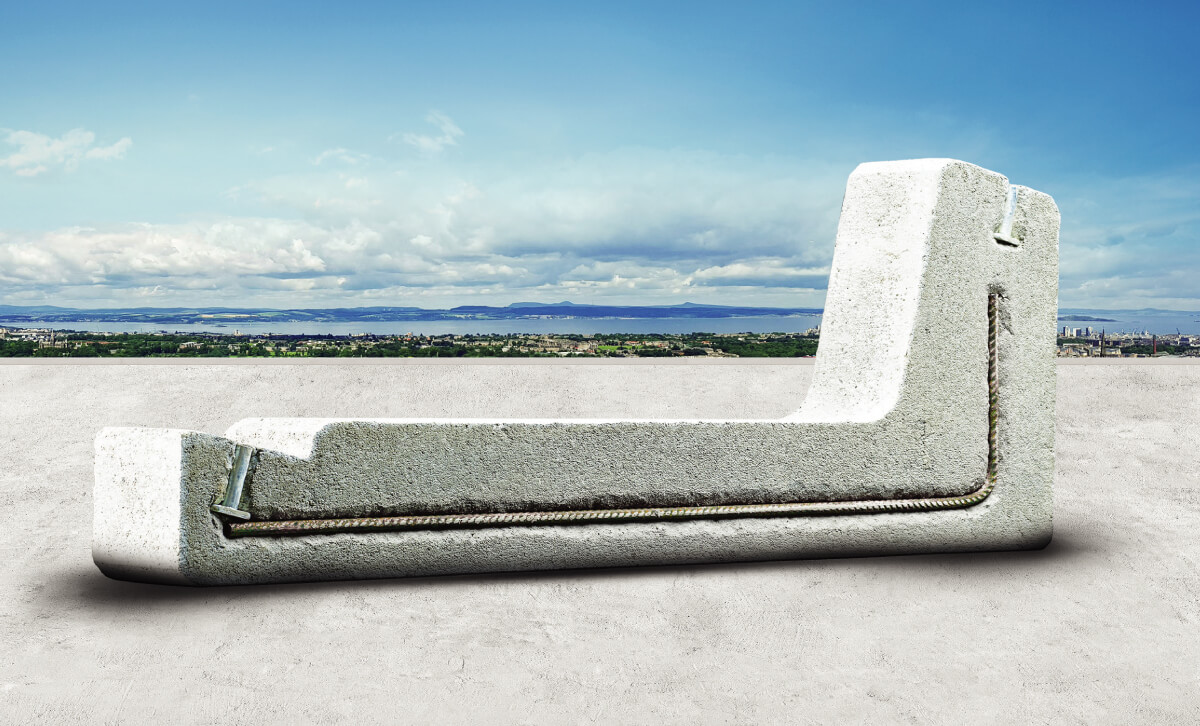
A ballasted solar panel racking system flat roof uses concrete
weights to keep the array stable without anchoring through the membrane. This design directly
addresses the most common on-site problems: roofing damage, water ingress risk, and
time-consuming fixation work. By avoiding penetrations, you protect the waterproof layer and
simplify coordination with building owners and facility managers. Installers benefit from an
intuitive assembly process with fewer small parts, less measuring, and faster module placement.
In practical terms, that means shorter crane time, fewer tools, and reduced labour hours. From a
technical perspective, ballasted systems help distribute loads more evenly across the roof
surface, supporting safer structural planning. They also allow flexible layouts to manage
shading, parapets, and rooftop obstacles. When paired with proper engineering support, you can
size the solution for wind exposure, module configuration, and local conditions—critical for
compliance and long-term reliability. The result is a flat roof solar mounting solution that is
robust, repeatable, and designed for professional B2B workflows in the Italian market.
What to Look for in a Professional Flat Roof
Racking Partner
When evaluating a solar panel racking system flat roof for your
next project, focus on more than the product. Look for a partner that supports you from design
to execution: technical consulting, system sizing, and documentation that helps you move quickly
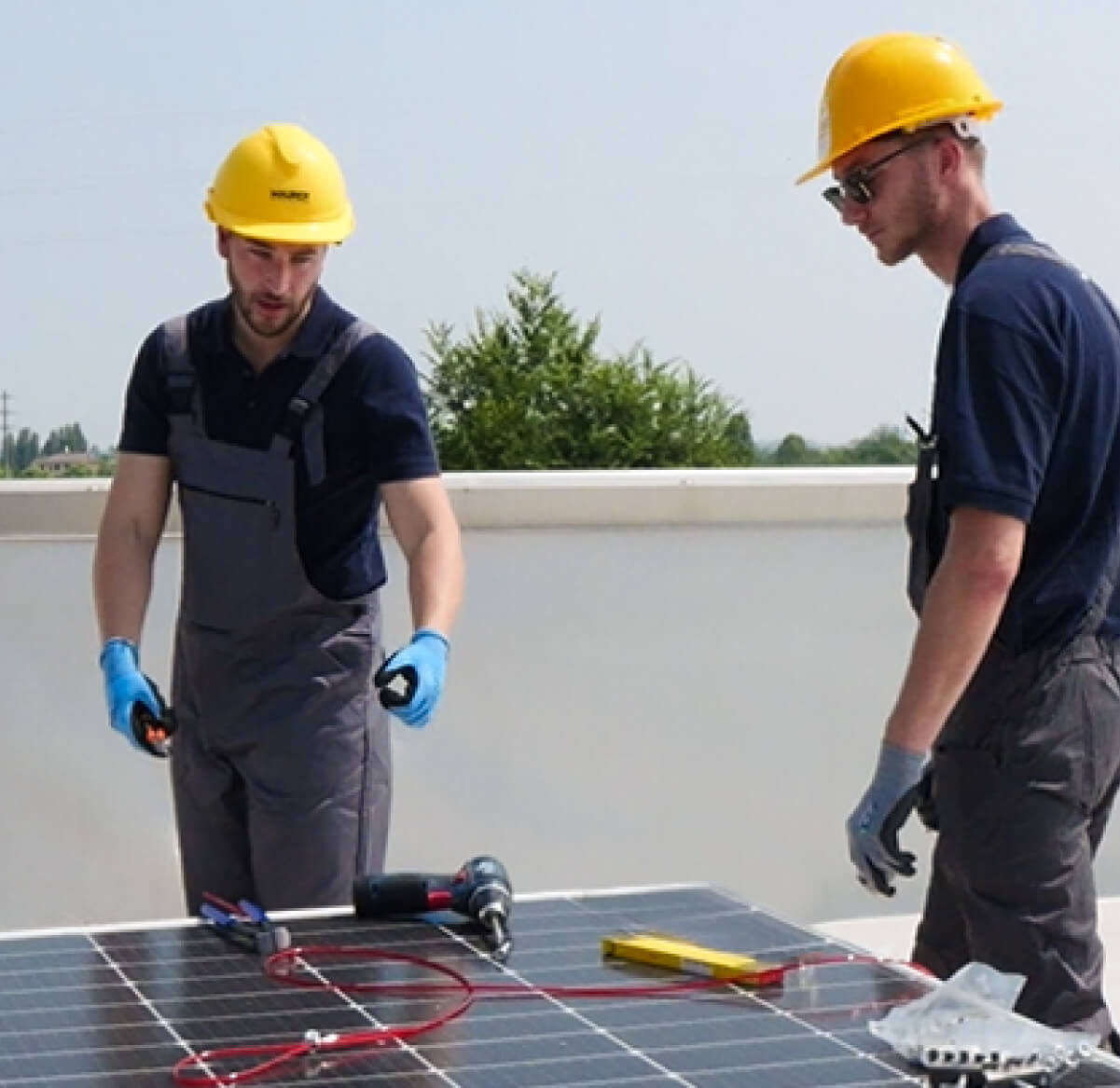
from quote to install. For installers, the priority is a dependable system that goes down fast
and works first time—minimal components, clear installation steps, and strong on-site
practicality. For designers, it’s about proven performance: tested solutions, consistent data,
and reduced responsibility risk thanks to validated configurations. For distributors, it’s a
recognisable solution with steady demand and reliable assistance. A strong flat roof PV racking
solution should help you standardise your approach across multiple jobs, shorten installation
cycles, and avoid call-backs caused by roof penetrations. If you’re working in Italy, choosing a
specialist focused on flat roofs and concrete ballast technology can streamline your workflow
and protect the roof—while delivering the secure, efficient photovoltaic installation your
customers expect.