A Solar Panel Platform Built for Flat Roofs in
Italy
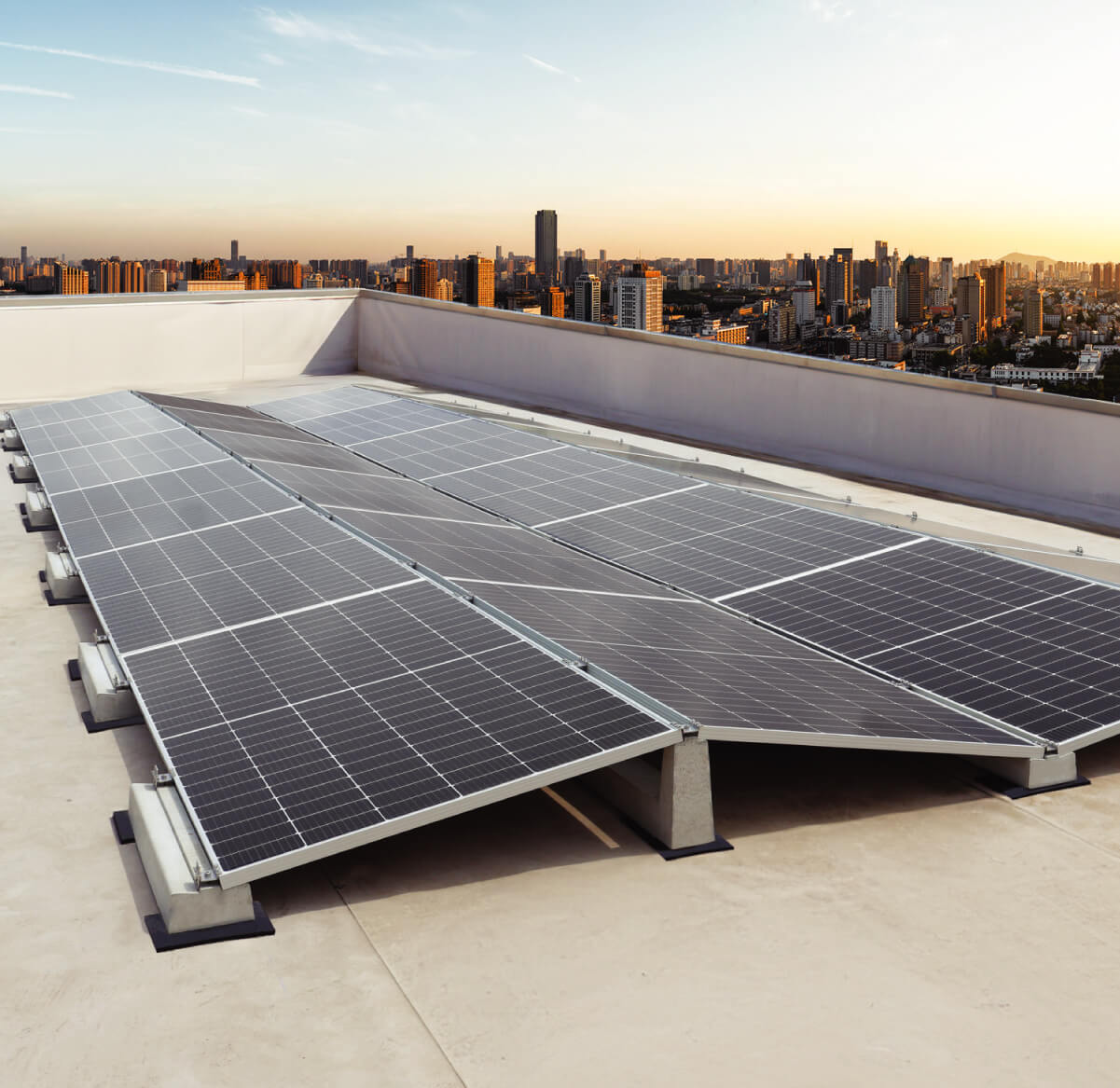
Choosing the right solar panel platform is one of the most
practical decisions you can make when designing or installing a PV system on a flat roof in
Italy. On-site time, roof safety, and long-term reliability all depend on how the modules are
supported. A ballast-based mounting system answers the real challenges installers and designers
face every day: avoid waterproofing risks, reduce components, and keep installation
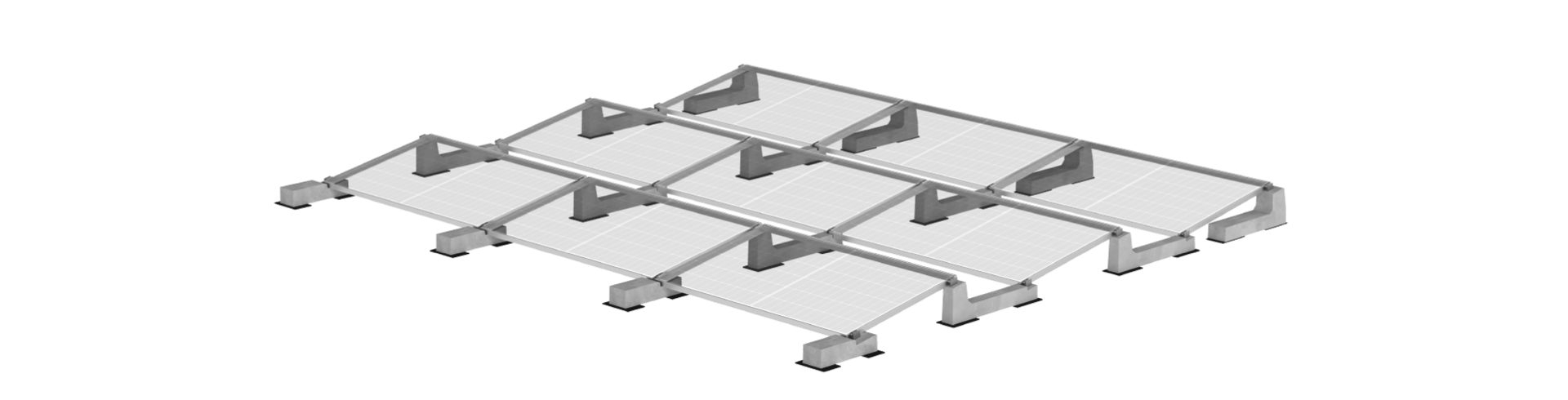
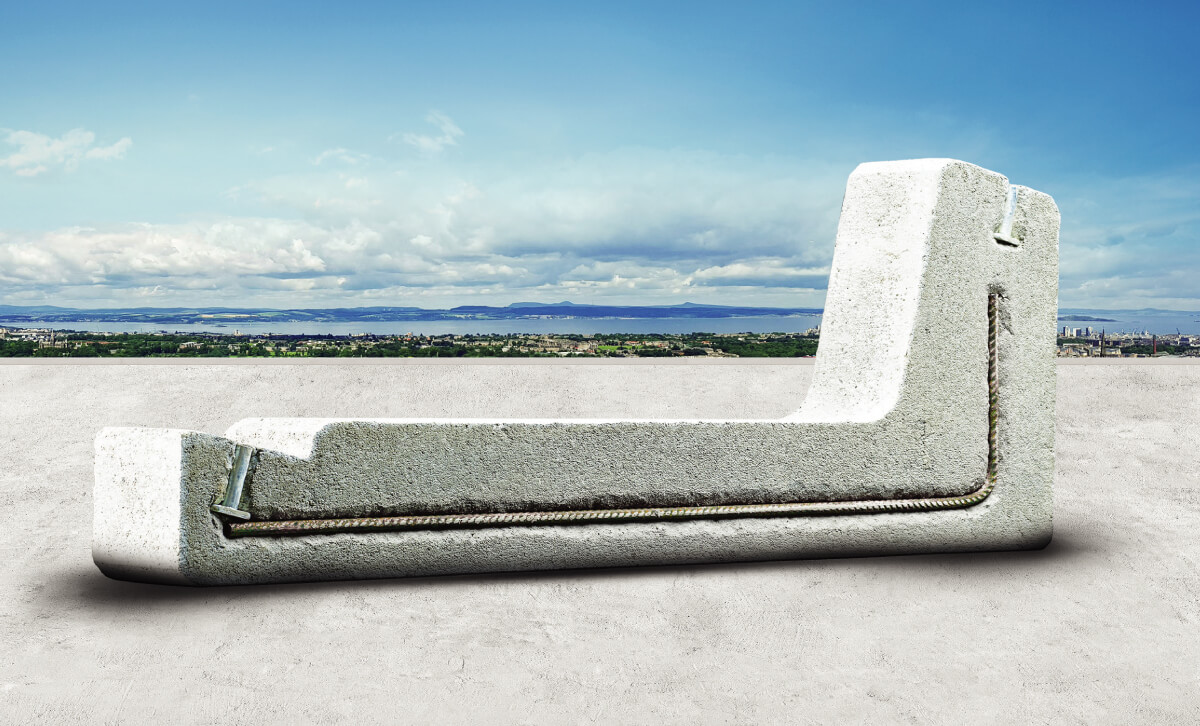
straightforward. Instead of drilling into the roof membrane, concrete ballast supports hold the
photovoltaic panels in position while helping manage wind loads and roof load distribution. The
result is a cleaner workflow on site—less measuring, fewer fixings, and fewer surprises. For
EPCs, installers, and technical offices, a solar panel platform should not be “just hardware”:
it must come with dependable engineering data, certified solutions, and support for layout and
sizing. When the structure is designed around simplicity, you can plan faster, quote more
accurately, and complete projects with greater confidence. Whether you are working on industrial
warehouses, logistics hubs, or commercial buildings, a flat-roof solar panel platform that
prioritizes speed, safety, and proven performance can make the difference between a smooth
installation and a costly delay. If your goal is to streamline your next rooftop photovoltaic
installation, start from the platform: stable, tested, and ready for real jobsite conditions.
Why Installers Prefer a Non-Penetrating
Ballasted Platform
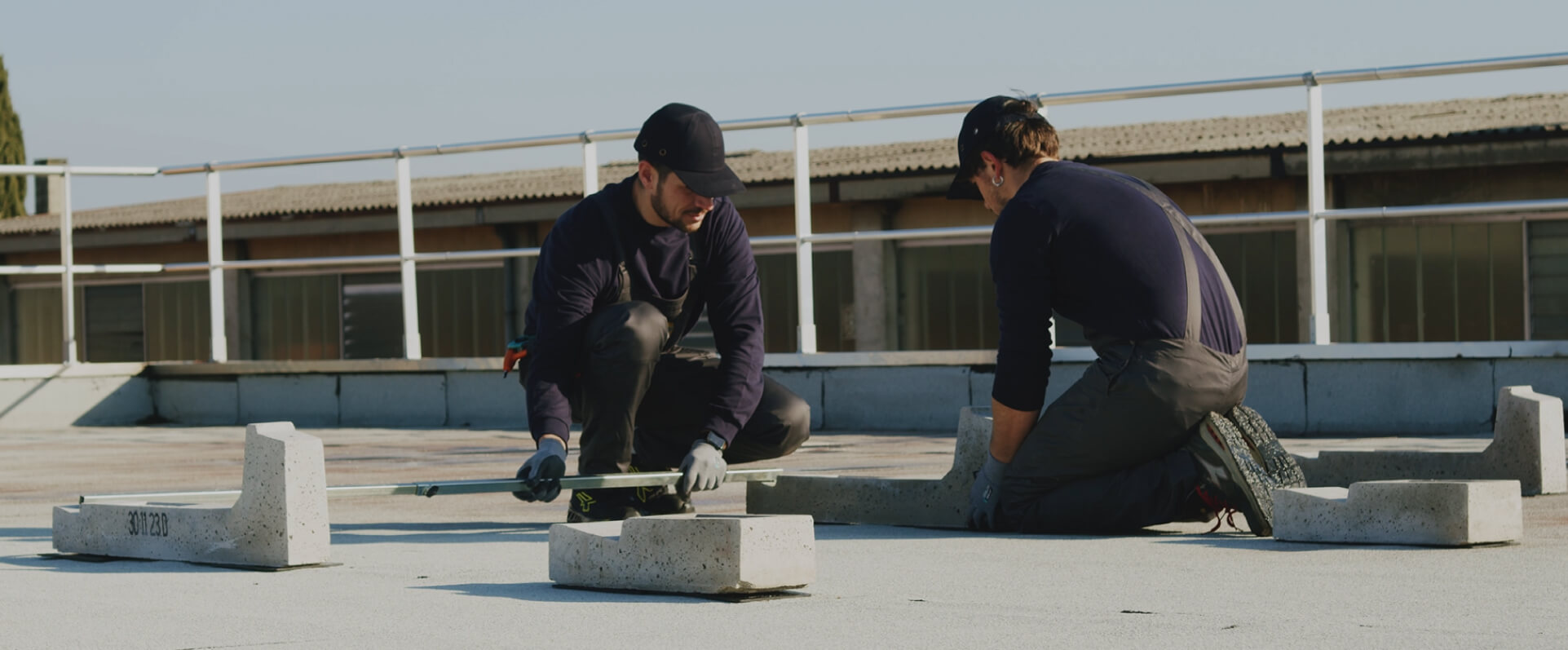
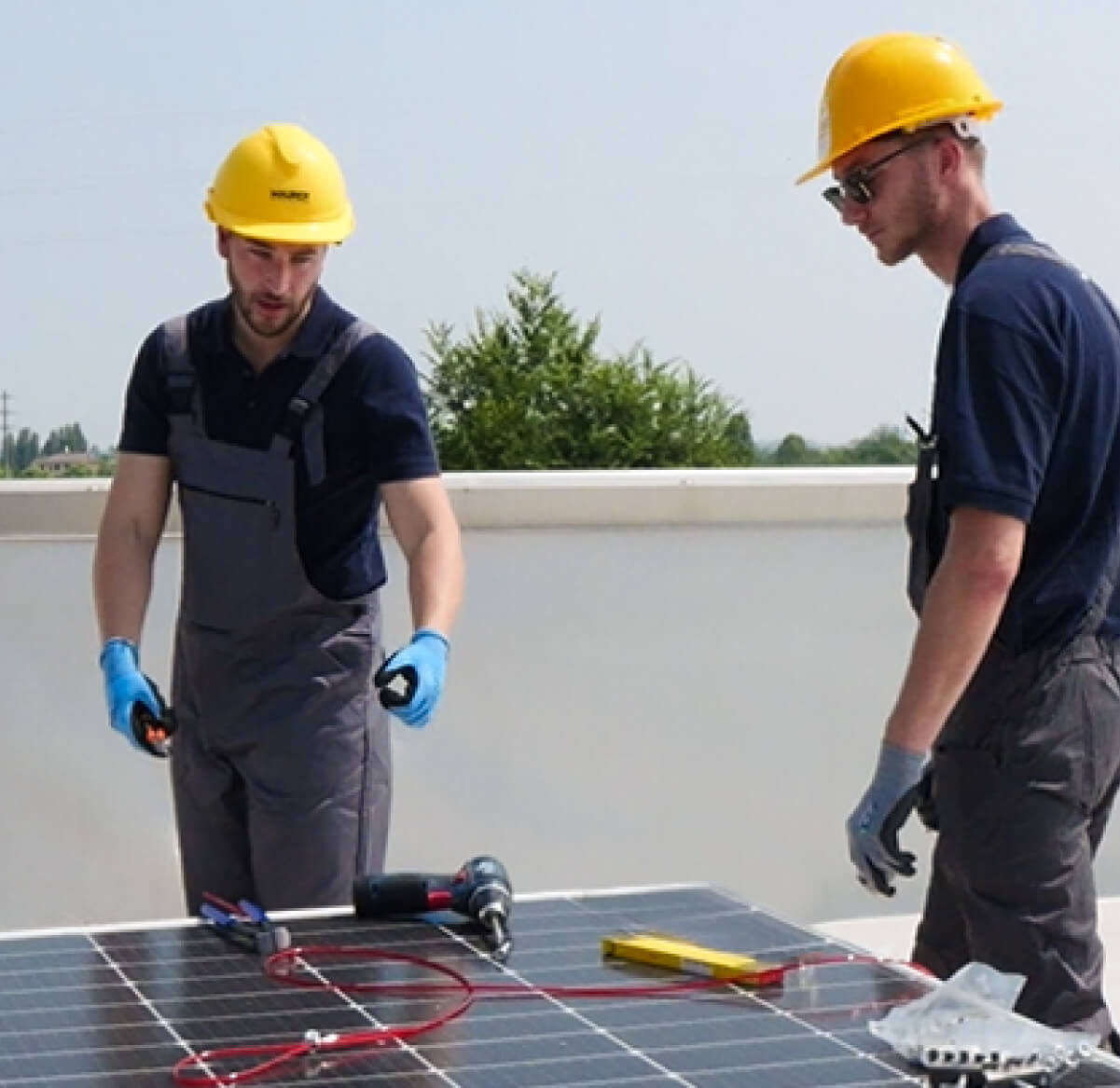
For installers, the best solar panel platform is the one that
removes friction from the job. Non-penetrating ballasted solutions are designed to cut
installation time by minimizing parts and simplifying positioning. With no roof holes, you
reduce the risk of leaks and the follow-up calls that damage margins. Fewer anchors and metal
profiles also mean faster handling on the roof, clearer logistics, and easier training for
crews. A well-designed ballast mounting system supports common PV panel configurations and helps
maintain consistent tilt and spacing, improving repeatability from one project to the next. This
matters in Italy, where flat roofs can vary widely in membranes, insulation, and allowable
loads. By using concrete ballast supports engineered for photovoltaic applications, you can work
with a stable base that is durable and weather-resistant. The right platform also helps keep
cable management and alignment tidy, which translates into a more professional finish and fewer
commissioning issues. Ultimately, a reliable solar panel platform is a productivity tool: it
lets you install more systems per month, reduce complexity on site, and deliver a rooftop PV
plant that looks clean and performs as expected.
Technical Support and Sizing: Turning a
Platform into a Complete Solution
Designers and engineers in Italy need more than a product—they
need a solar panel platform backed by technical support, trustworthy calculations, and
documentation that stands up to scrutiny. Wind exposure, parapets, building height, and roof
load limits all influence the final layout, and the responsibility can feel heavy when timelines
are tight. A platform becomes a complete solution when you can rely on tested configurations,
clear load data, and practical assistance from early design through execution. That includes
help with system sizing, array layout, and choosing the right ballast arrangement for the site
conditions. Distributors and wholesalers benefit too: a solar panel platform that is easy to
explain, recognized in the market, and supported by solid technical materials is simply easier
to sell and easier to stand behind. If you want a flatter learning curve, fewer design
revisions, and smoother project delivery, focus on a platform that combines reliability,
installation simplicity, and ongoing innovation in flat-roof PV mounting. This is how you reduce
risk, speed up approvals, and keep projects moving—while delivering a durable photovoltaic
installation that performs for years.