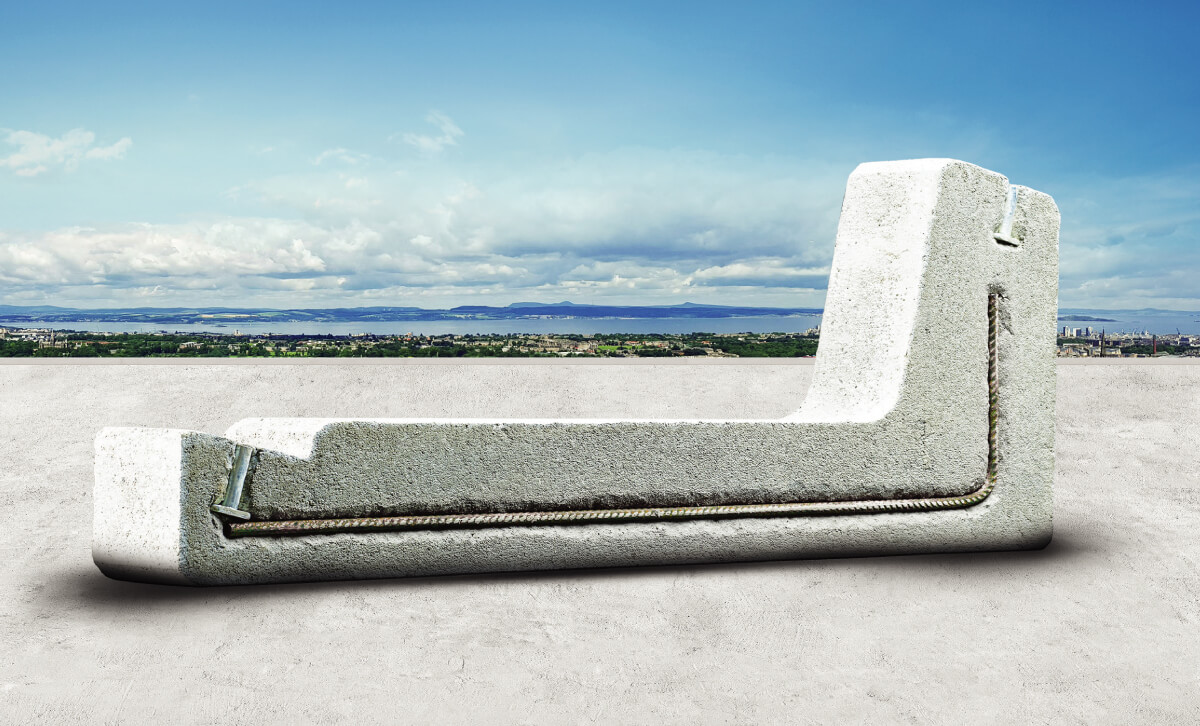
Solar panel mounting on flat roofs: faster
installs, fewer risks
In Italy, flat roofs on warehouses, commercial buildings, and
industrial sites are ideal for PV—until solar panel mounting becomes the bottleneck. Traditional
roof-penetrating structures can add complexity, extend installation time, and introduce
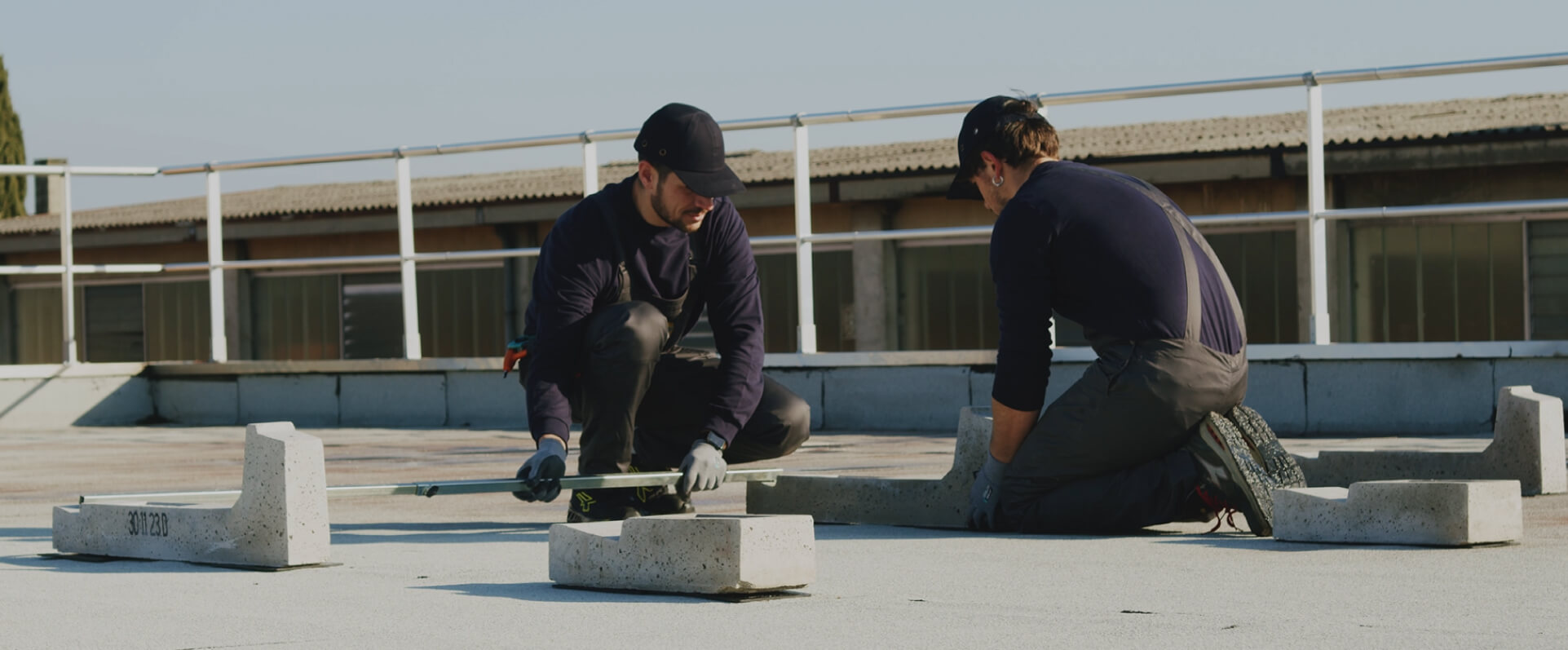
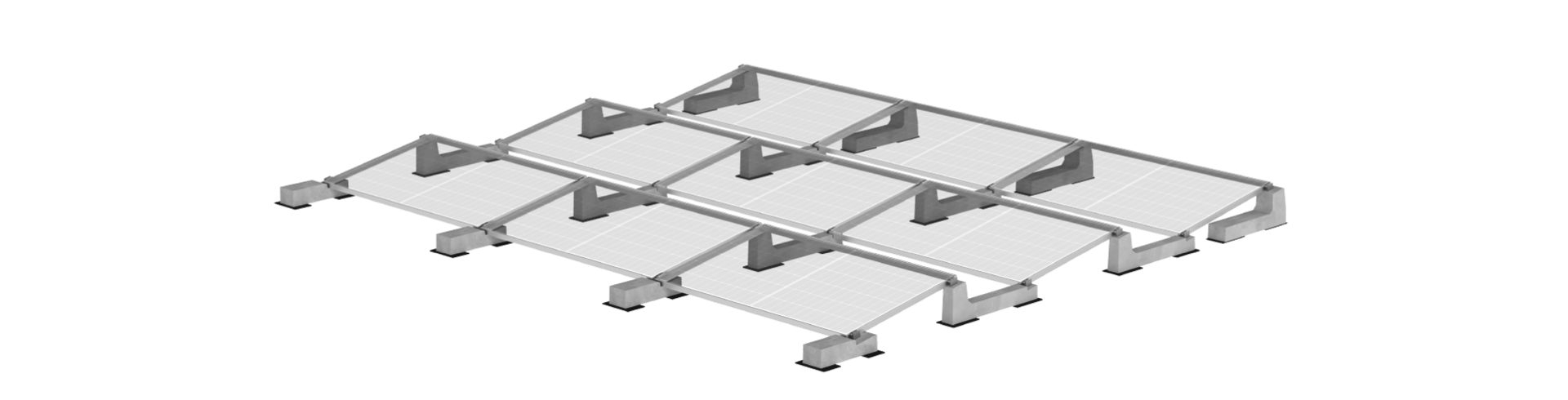
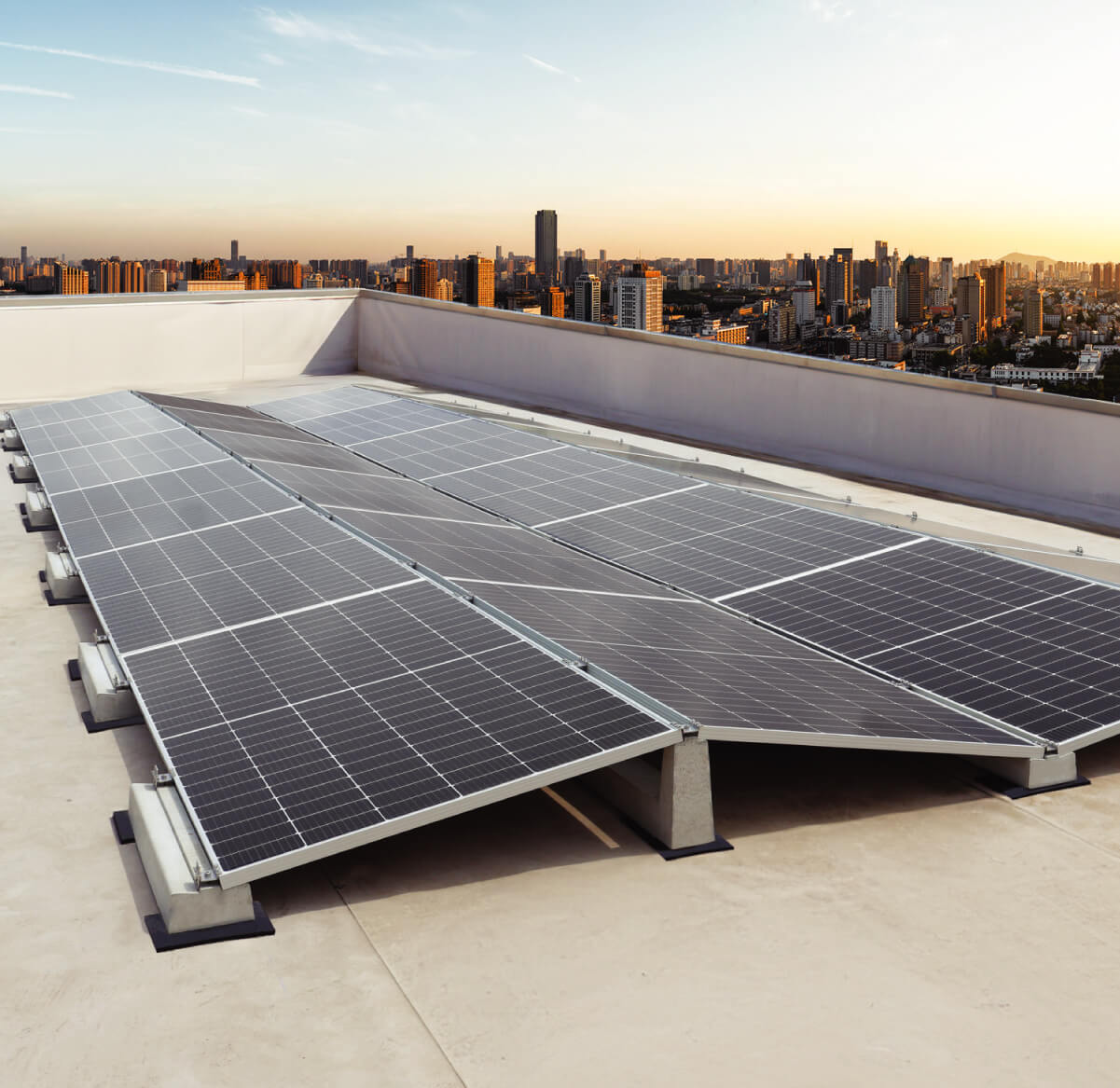
long-term waterproofing concerns. A ballast-based mounting system changes the game: panels are
secured using engineered concrete weights that keep the array stable without drilling into the
roof membrane. For installers, that means fewer steps on site, less hardware to manage, and a
cleaner workflow from layout to commissioning. For designers and engineers, it means predictable
load distribution, clear technical data, and an easier path to compliant PV design. The result
is a mounting solution that supports quick installation, reduces rooftop risk, and helps teams
deliver projects on schedule. Whether you’re planning a new photovoltaic plant or upgrading an
existing layout, choosing the right racking and mounting structure is crucial for wind
resistance, roof protection, and long-term durability. If your priority is speed, reliability,
and a streamlined flat-roof PV setup, modern solar panel mounting with concrete ballast offers a
practical, proven approach for the Italian market—especially where downtime, access limits, and
strict roof integrity requirements matter. It’s not just about holding modules in place; it’s
about installing smarter, minimizing surprises, and keeping every rooftop detail under control.
Why no-penetration mounting improves
reliability and site efficiency
A no-drill solar panel mounting strategy reduces one of the
biggest operational headaches: managing penetrations, seals, and potential leaks. By avoiding
fixings through the roofing layer, you lower risk for building owners and simplify handover
documentation. On site, fewer components and pre-engineered elements can mean faster
positioning, quicker alignment, and more consistent results across multiple roofs. For technical
offices, having support with system sizing—wind loads, roof loads, and array geometry—cuts
design time and reduces responsibility pressure. In practice, this approach supports common
flat-roof needs in Italy: rapid deployment on logistics hubs, phased rollouts on large surfaces,
and repeatable configurations for distributors supplying installers. Related terms installers
often evaluate alongside solar panel mounting include PV racking, flat roof mounting, ballast
mounting, photovoltaic support structures, wind deflectors, tilt angles, and load calculations.
The key advantage is clear: a stable, tested solution that helps teams work confidently, even
when timelines are tight and roof integrity is non-negotiable.
A partner-led approach for installers,
designers, and distributors
Choosing solar panel mounting hardware is important—but choosing
the right technical partner can be the real differentiator. The most effective flat-roof PV
projects combine solid, durable products with guidance that supports the job from early design
to execution. That includes technical assistance during planning, accurate system dimensioning,
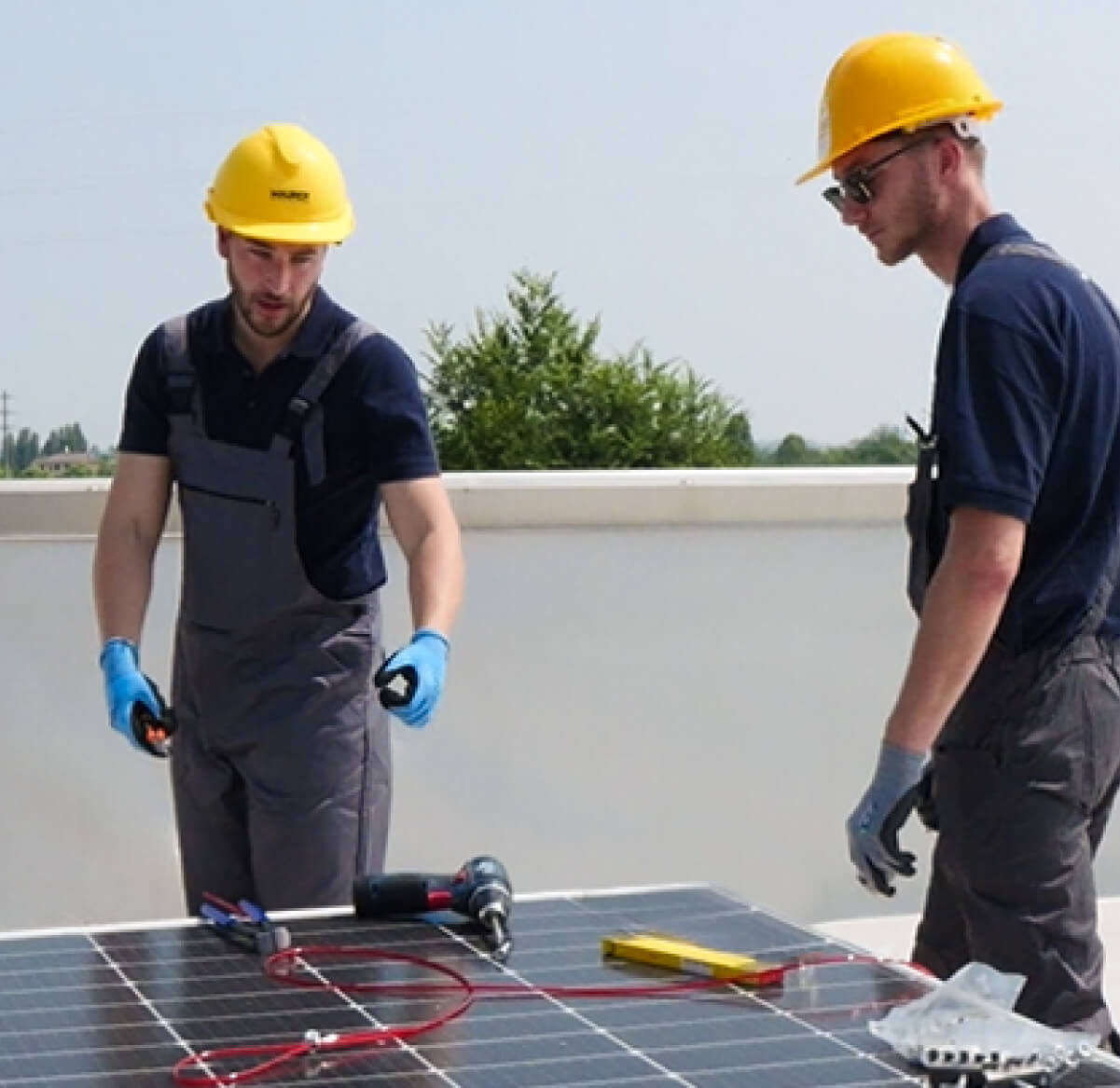
and commercial support that keeps procurement and site logistics smooth. For installers, the
payoff is simple: quicker builds, fewer on-roof complications, and a mounting system that’s
intuitive to assemble. For engineers, it’s the confidence of working with verified solutions and
dependable data. For distributors, it’s a recognizable product category with strong demand and
support that helps move stock efficiently. If you’re working on flat roofs and want to reduce
complexity without sacrificing performance, consider a ballast-based, no-penetration solar panel
mounting solution designed for speed, safety, and long-term reliability in Italy. Explore more
technical resources, configurations, and project support options at www.sunballast.com.