Why Solar Panel Mounting Accessories Matter on
Italian Flat Roofs
Choosing the right solar panel mounting accessories can make or
break a flat-roof PV installation in Italy. Installers and designers know the pain points: too
many parts, slow assembly, and the constant worry of roof penetrations leading to leaks or
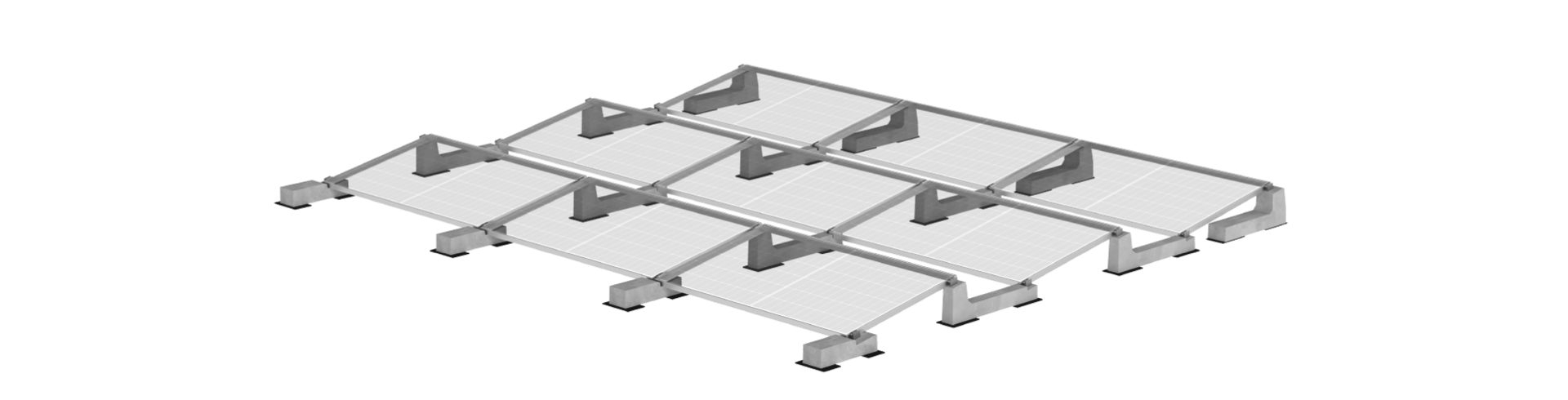
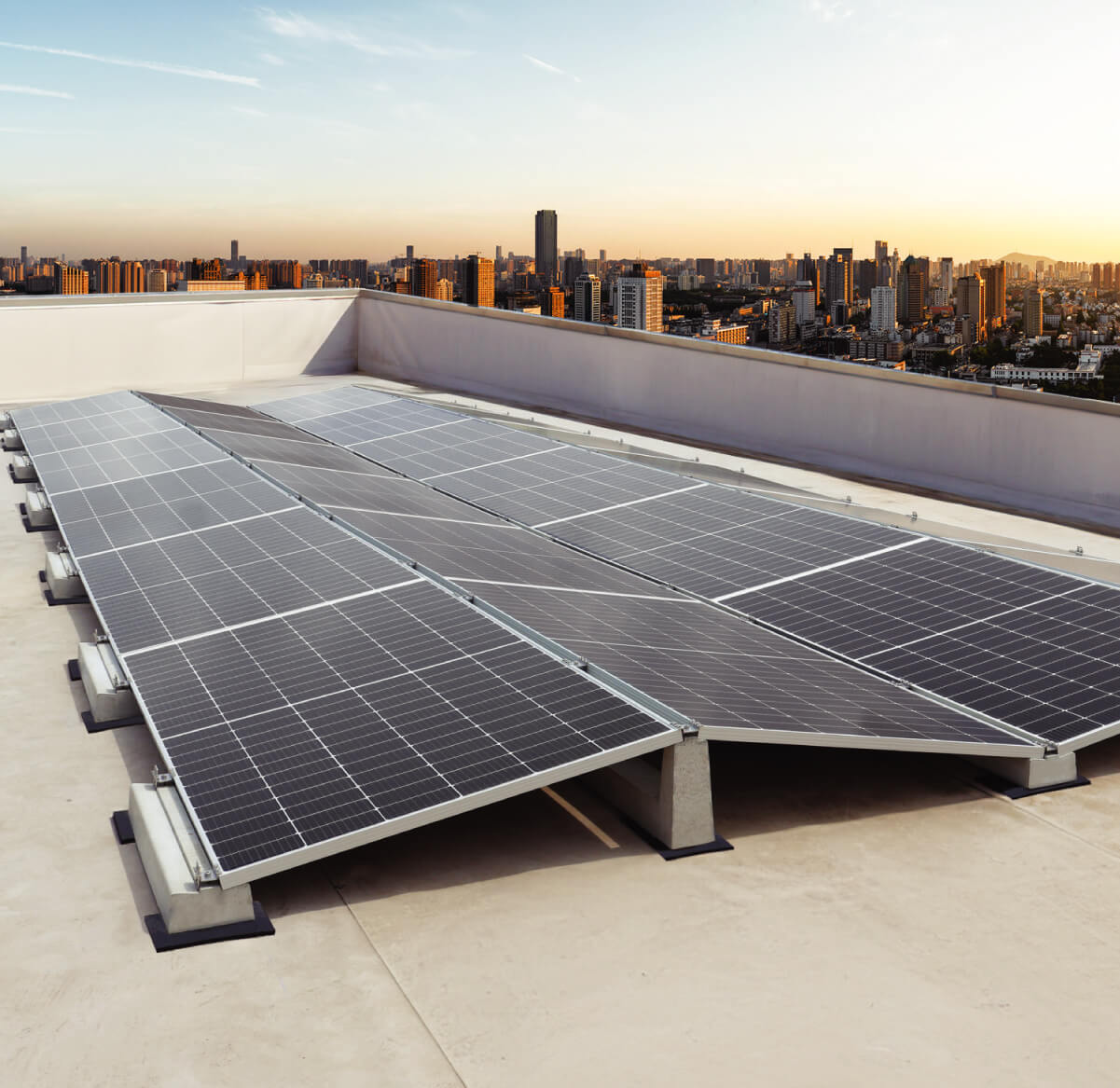
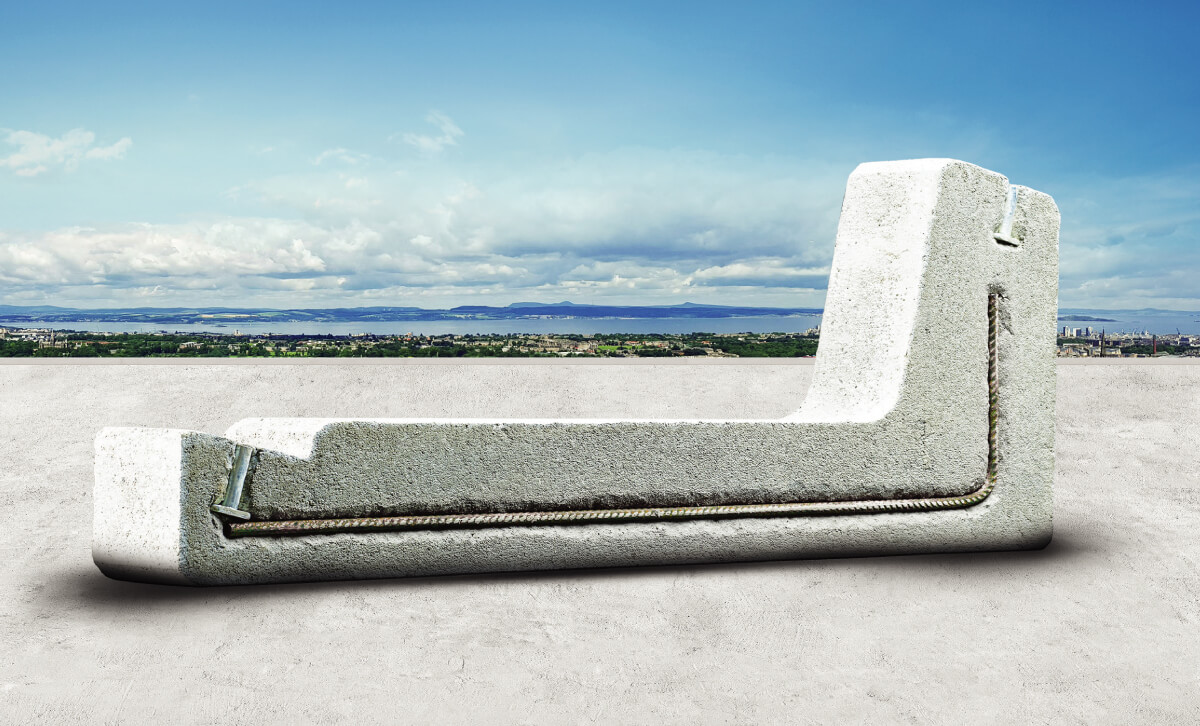
future maintenance claims. That’s why ballasted mounting systems—built around precast concrete
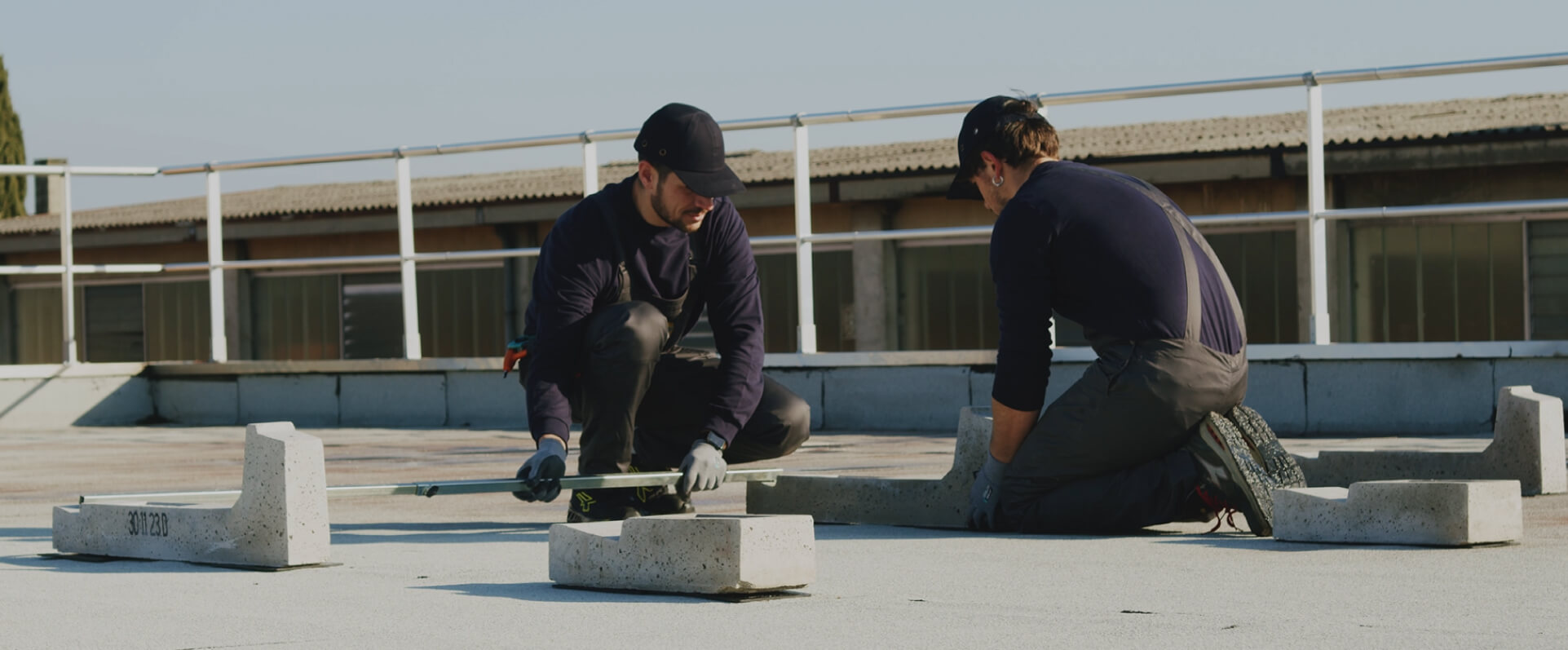
weights—are becoming the go-to solution for commercial rooftops and industrial sheds. Instead of
drilling into the membrane, the structure relies on calculated ballast and smart geometry to
keep modules stable under wind loads. The result is a cleaner workflow on site, fewer tools, and
a more predictable schedule. For engineering teams, the value is just as clear: tested
configurations, reliable data for load calculations, and a safer design path when you must
balance performance, compliance, and responsibility. In practice, the best mounting accessories
are not “extras”; they’re the components that reduce complexity: integrated supports, optimized
tilt angles, cable management options, and compatible clamps that speed up panel positioning.
When everything works together as a system, you spend less time solving problems on the roof and
more time delivering a high-quality PV plant that lasts. If your priority is to install faster,
avoid waterproofing risks, and keep the job straightforward, focus on mounting accessories
designed specifically for flat roofs—not adapted from pitched-roof hardware.
Key Components: Ballast Supports, Clamps, and
Wind-Ready Configurations
The most effective solar panel mounting accessories for flat roofs
typically include ballasted bases, module clamps, inter-row connections, and optional deflectors
or aerodynamic elements to improve wind behavior. A well-designed ballast support reduces the
number of separate rails and brackets, cutting installation time and limiting on-site errors.
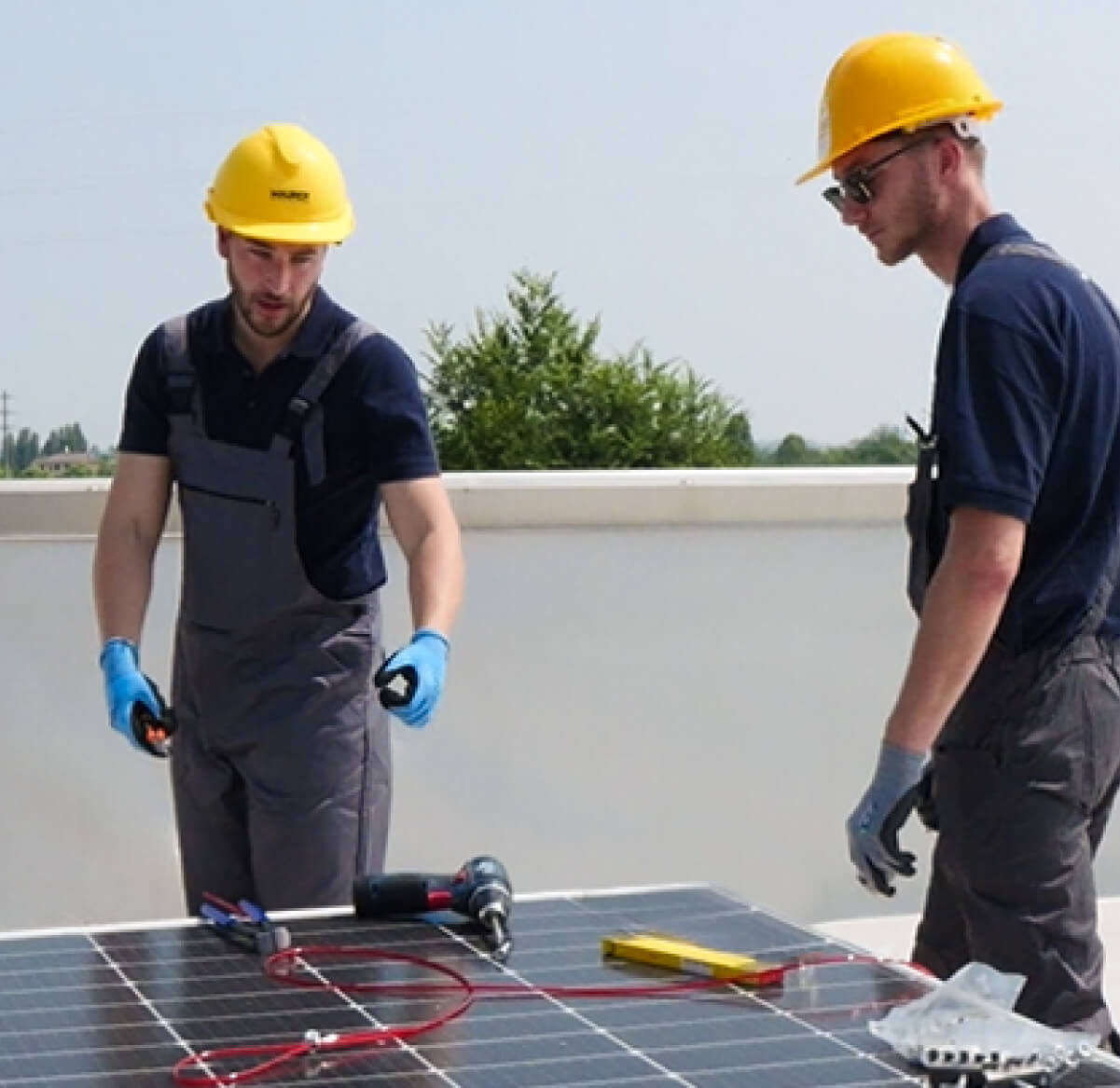
This is especially valuable for B2B projects where crews need repeatable steps and quick
training. Look for accessories that support different module sizes, allow consistent alignment,
and provide tidy cable routing—small details that prevent snagging, improve safety, and leave a
professional finish. For designers, wind uplift and roof load distribution are the real decision
drivers. Mounting configurations should come with clear technical documentation, tested
performance, and support for correct system sizing based on site exposure and building height.
The best suppliers act like technical partners, helping you choose the right layout, tilt, and
spacing for energy yield without overcomplicating the structure. When accessories are engineered
as part of a complete mounting solution, you gain confidence that the PV array will remain
stable, compliant, and easy to maintain throughout its lifespan.
How to Choose the Right Accessories: Faster
Installs, Lower Risk, Better Results
When evaluating solar panel mounting accessories, start from the
jobsite realities: time, risk, and accountability. For installers, the winning setup is the one
that arrives ready to assemble with minimal components, intuitive placement, and no need to
pierce the roof covering. That single factor can dramatically reduce waterproofing concerns and
speed up commissioning. For engineers and technical offices, prioritize solutions backed by
verified testing, clear load data, and professional support for wind and ballast
calculations—because a “good idea” is not enough when you’re signing off a design. For
distributors, products that are easy to explain and consistently requested by the market are the
ones that move: recognizable ballasted systems, reliable availability, and dependable
after-sales help. Ultimately, the right accessories should feel like a complete system, not a
box of parts. If you work on Italian flat roofs and want fewer headaches, choose mounting
accessories designed for quick, no-drill installation, with robust concrete ballast supports,
compatible clamps, and technical guidance from sizing to execution. That combination protects
your margins, your reputation, and your project timeline—while delivering a PV installation that
performs year after year.