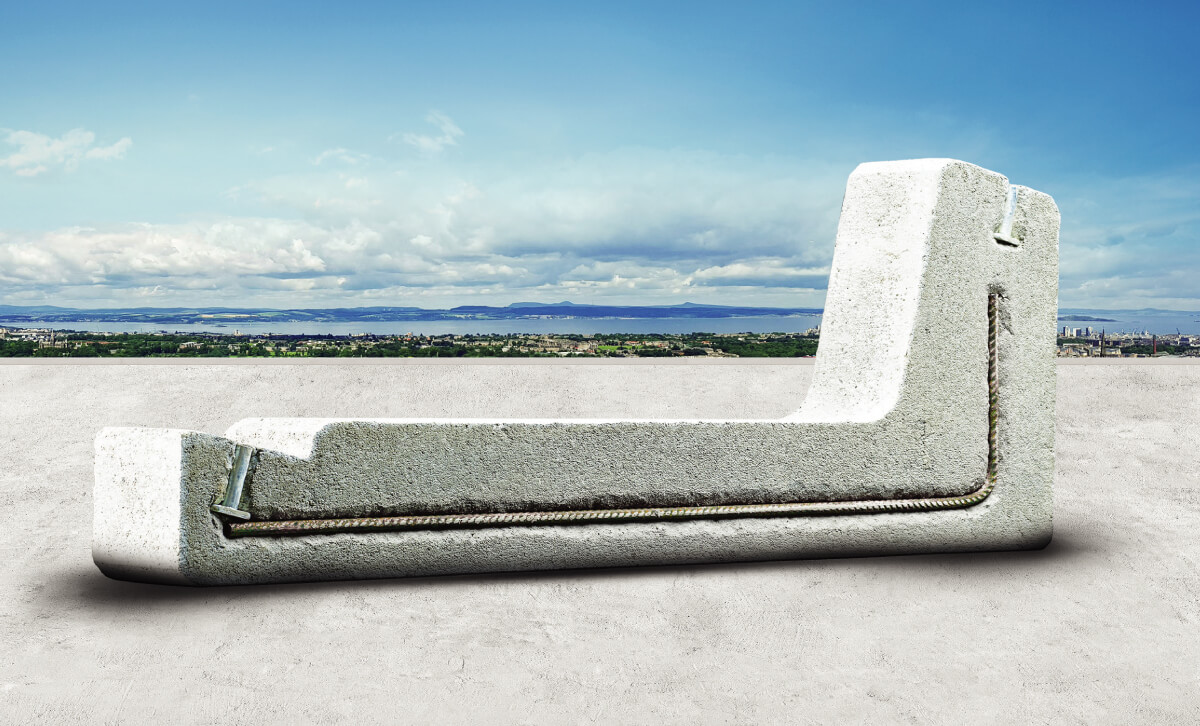
Solar panel mounting flat roof: why
non-penetrating systems matter
Choosing the right solar panel mounting flat roof solution can
make or break a project—especially in Italy, where installers and designers often work under
tight deadlines and strict performance expectations. On flat roofs, the biggest challenge is
usually the same: how to secure the PV array without compromising the roof membrane. A
non-penetrating, ballasted approach helps you avoid drilling, reduce the risk of water ingress,
and keep warranties and waterproofing intact. For installers, that means fewer surprises on
site, fewer components to manage, and a workflow that stays predictable from the first pallet to
final commissioning. For engineers and technical offices, it means a mounting strategy that can
be verified with reliable data and integrated into wind and load checks. The result is a
simpler, safer path to a durable photovoltaic installation—one that respects the roof, speeds up
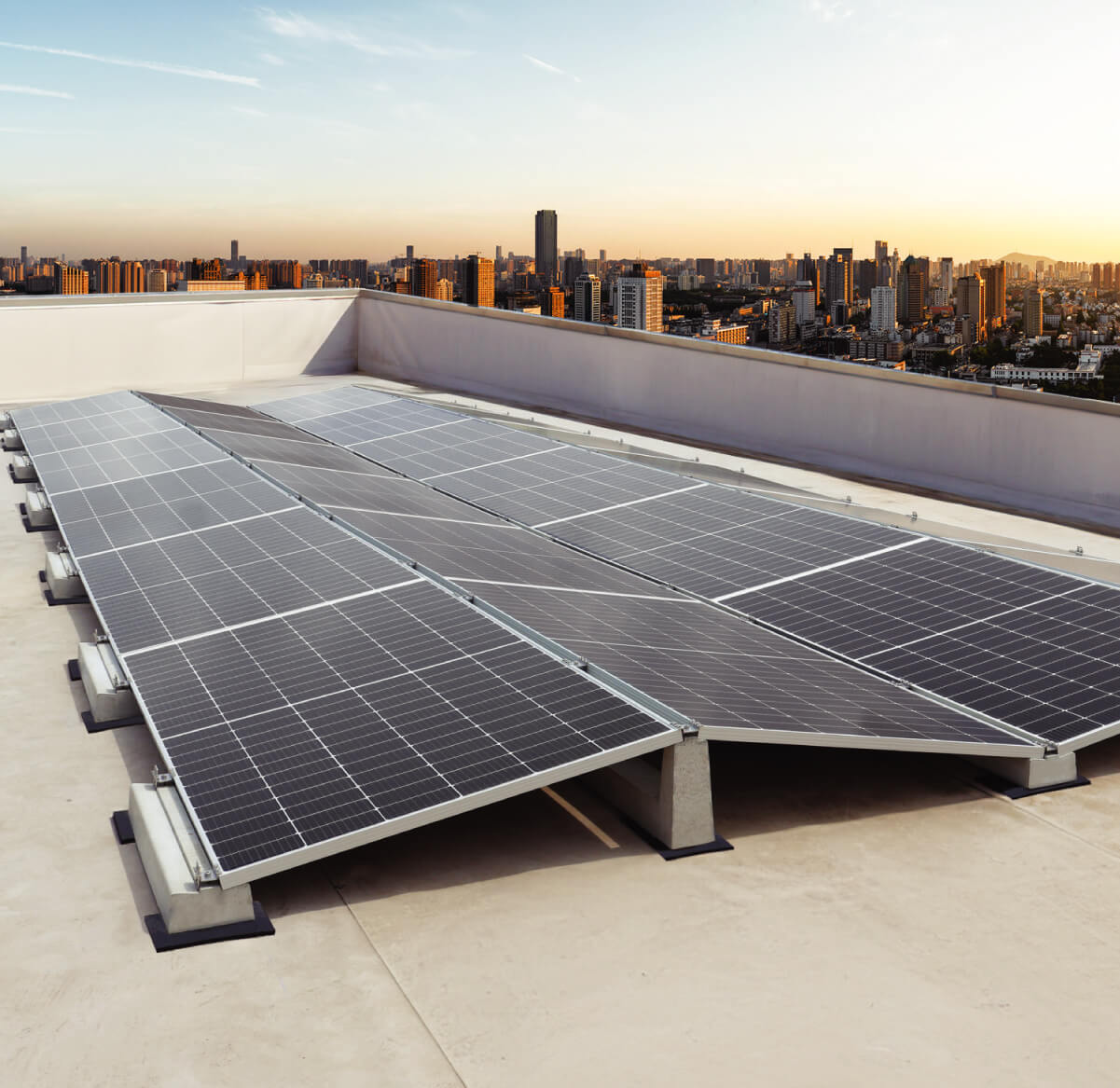
labour, and supports long-term stability. If your goal is to deliver clean energy without adding
complexity, a ballasted PV mounting structure is often the most practical starting point for
flat-roof solar projects.
Designed for speed on site: fewer parts,
faster installation
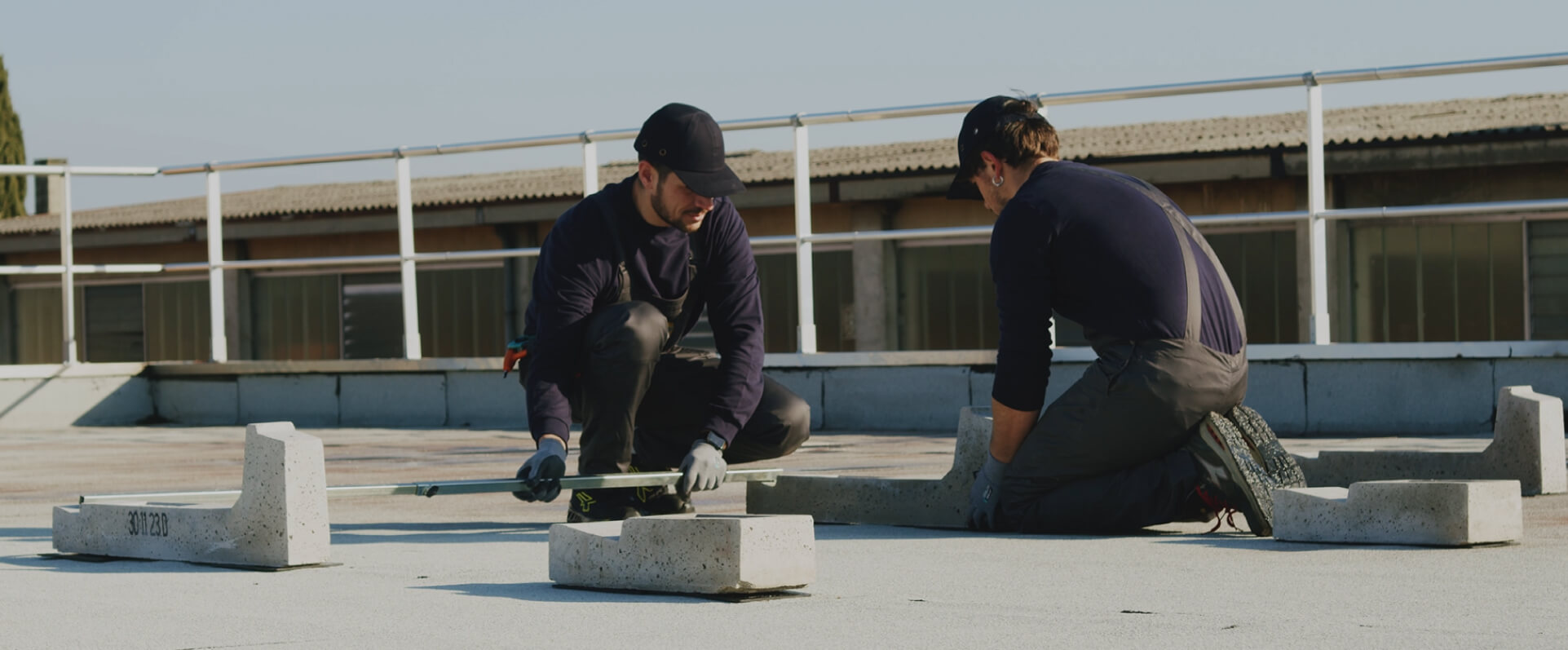
On a busy construction site, time is margin. A smart solar panel
mounting flat roof setup should feel intuitive: place the supports, align the modules, connect,
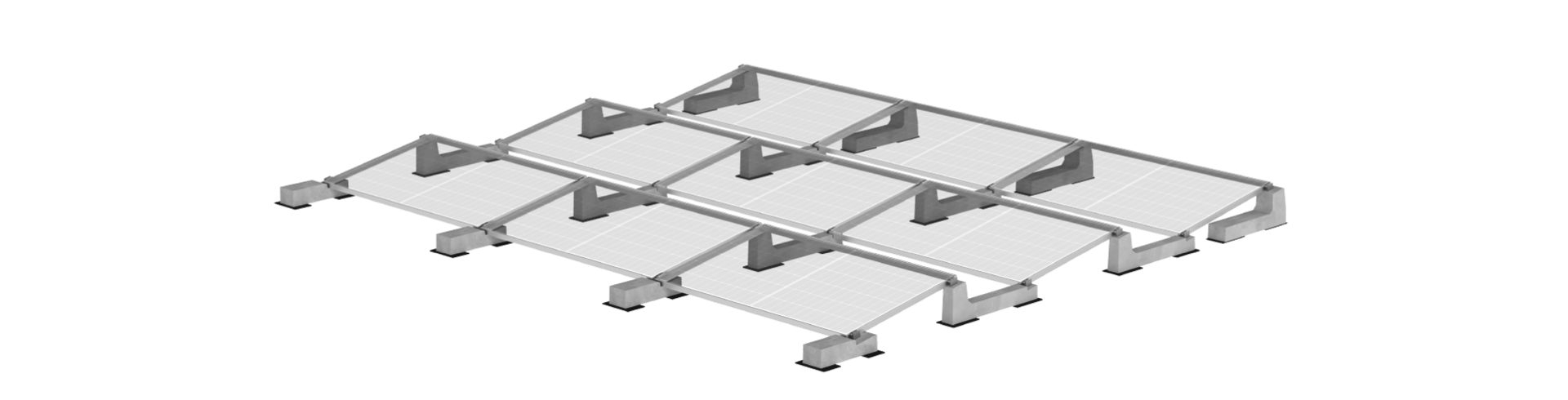
and move on. Ballasted concrete supports are engineered to streamline that process by reducing
the number of loose accessories and eliminating roof penetrations. This translates into quicker
positioning, cleaner logistics, and less rework caused by misaligned anchors or membrane
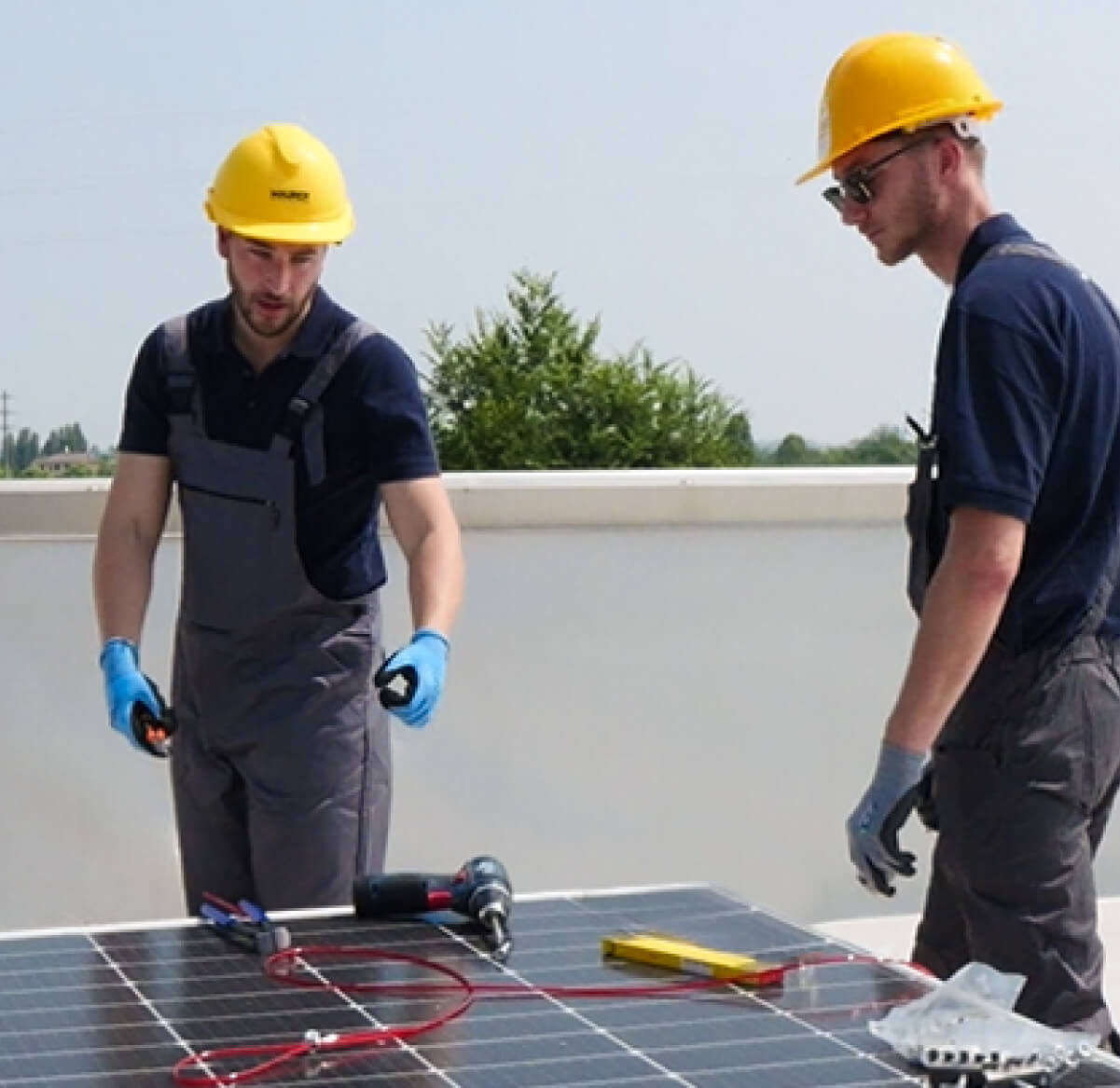
concerns. Installers benefit immediately: shorter installation times, fewer tools, and a lower
chance of delays linked to roof approvals. At the same time, the system remains robust,
providing a stable base that can handle demanding rooftop conditions. Whether you’re working on
industrial warehouses, commercial buildings, or large-scale flat roof arrays, the right
ballasted mounting solution helps standardise installation practices and makes it easier to
train crews. In short, you gain speed without sacrificing safety—exactly what professional PV
teams in Italy look for when scaling their rooftop solar pipeline.
Technical confidence for designers: sizing
support and proven performance
A high-quality solar panel mounting flat roof solution isn’t only
about hardware—it’s about reducing design risk. Wind uplift, roof loads, layout optimisation,
and shading management all influence the final yield and compliance. That’s why technical
support during planning is invaluable: accurate sizing, dependable parameters, and guidance that
follows the project from concept to execution. With tested, durable ballasted systems, designers
can rely on consistent performance assumptions and focus on delivering an efficient PV plant.
Distributors also benefit from a product that is easier to explain, easier to stock, and backed
by strong demand in the Italian market. Most importantly, the end client receives a photovoltaic
installation that looks tidy, performs reliably, and avoids unnecessary roof interventions. If
you want a partner-style approach—combining engineering guidance, project development help, and
a mounting structure built for flat roofs—ballasted supports offer a persuasive, practical route
to faster delivery and fewer headaches on every rooftop job.