Rethinking the Solar Panel Mounting Rail on
Flat Roofs
In Italy’s commercial and industrial flat roofs, the classic solar
panel mounting rail is often the first solution considered. Rails feel familiar: align modules,
clamp, and build a continuous structure. But flat roofs bring different priorities—waterproof
integrity, quick installation, and predictable performance under wind loads. That’s why many
professionals now compare rail-based assemblies with ballast-based mounting systems designed
specifically for flat roofs. With a traditional solar panel mounting rail layout, you typically
manage multiple components, precise roof interfaces, and a longer on-site workflow. Every added
bracket and fastener is another step to assemble—and another potential point to verify. By
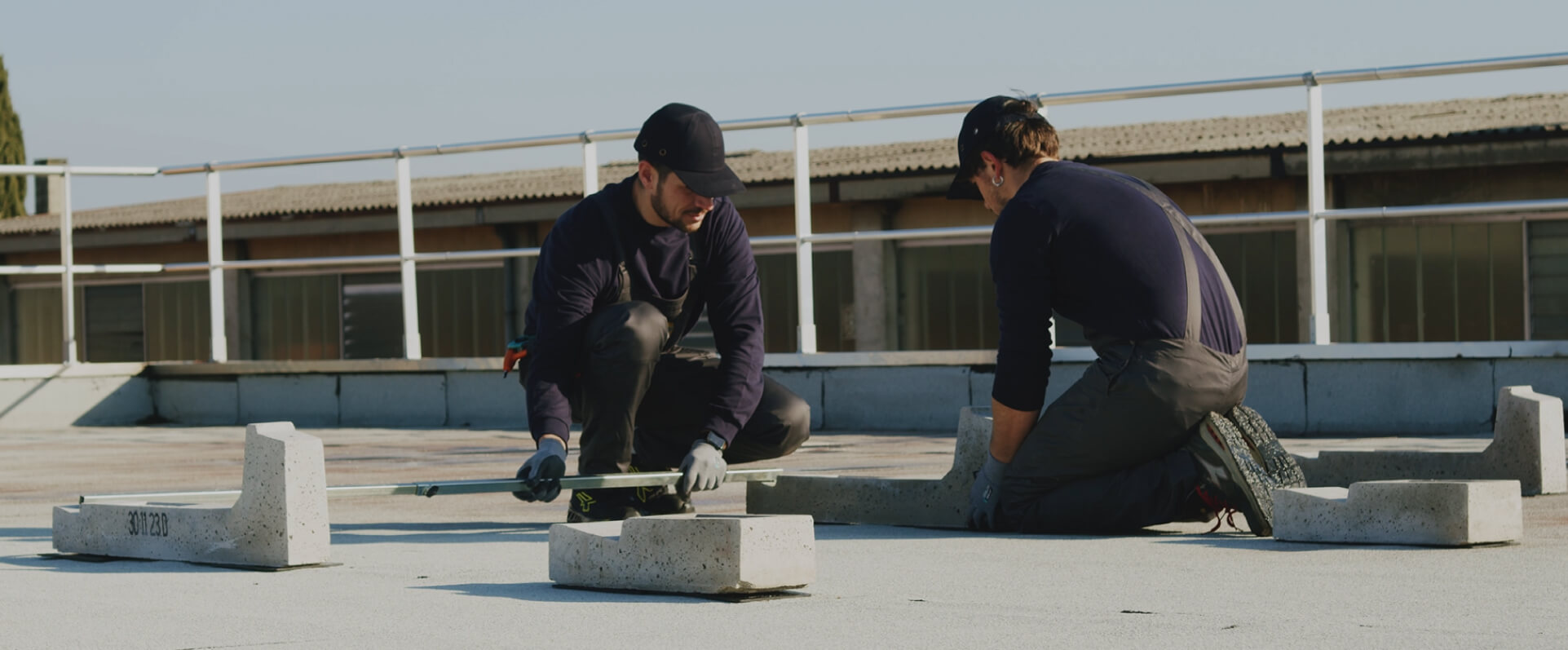
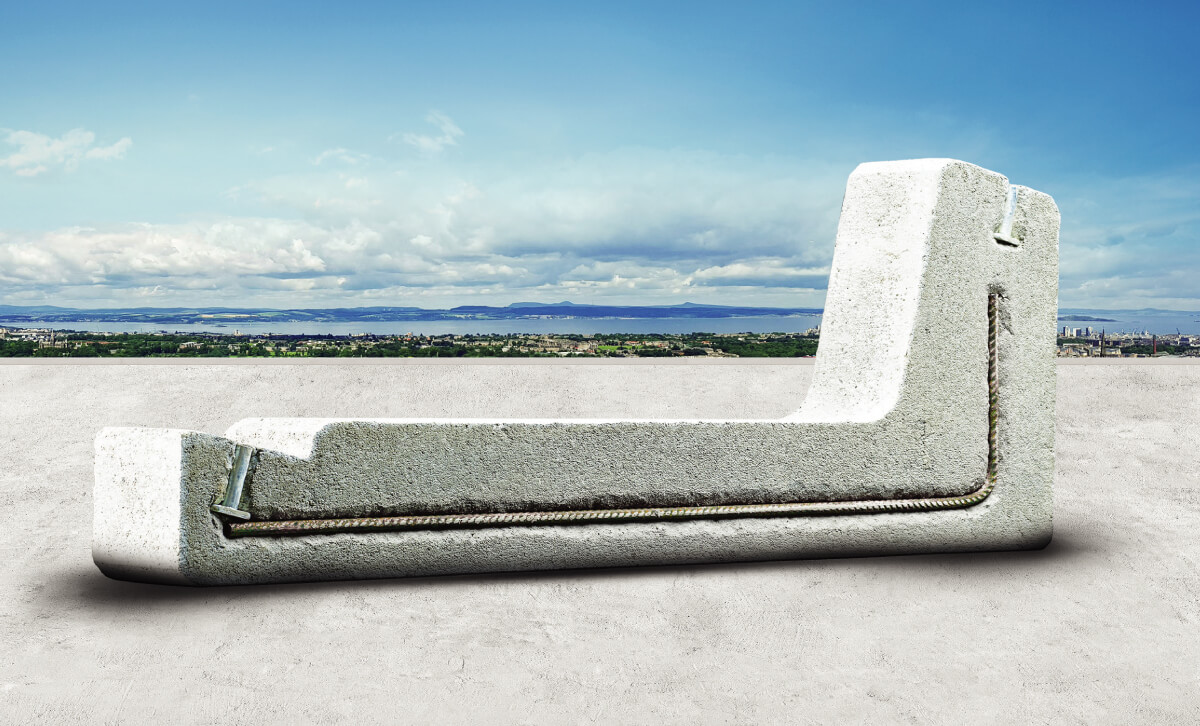
contrast, concrete ballast supports are engineered to hold modules in place without drilling
through the roof membrane, helping reduce leakage risk and simplifying site logistics. For
installers, this means fewer surprises on the roof and a cleaner, more repeatable process. For
designers and engineers, it means working with tested configurations and reliable data to
streamline calculations and documentation. The result is a mounting strategy that keeps the
strengths of a solar panel mounting rail mindset—straight alignment, orderly arrays, solid
module fixation—while cutting complexity where flat roofs are most sensitive: penetrations,
sealing, and time.
Faster Installation, Fewer Components, Less
Roof Risk
If your goal is to complete more kilowatts per day, the real enemy
is unnecessary assembly time. A solar panel mounting rail structure can involve long spans, many
clamps, and careful leveling across the roof. On large flat roofs, that effort adds up quickly.
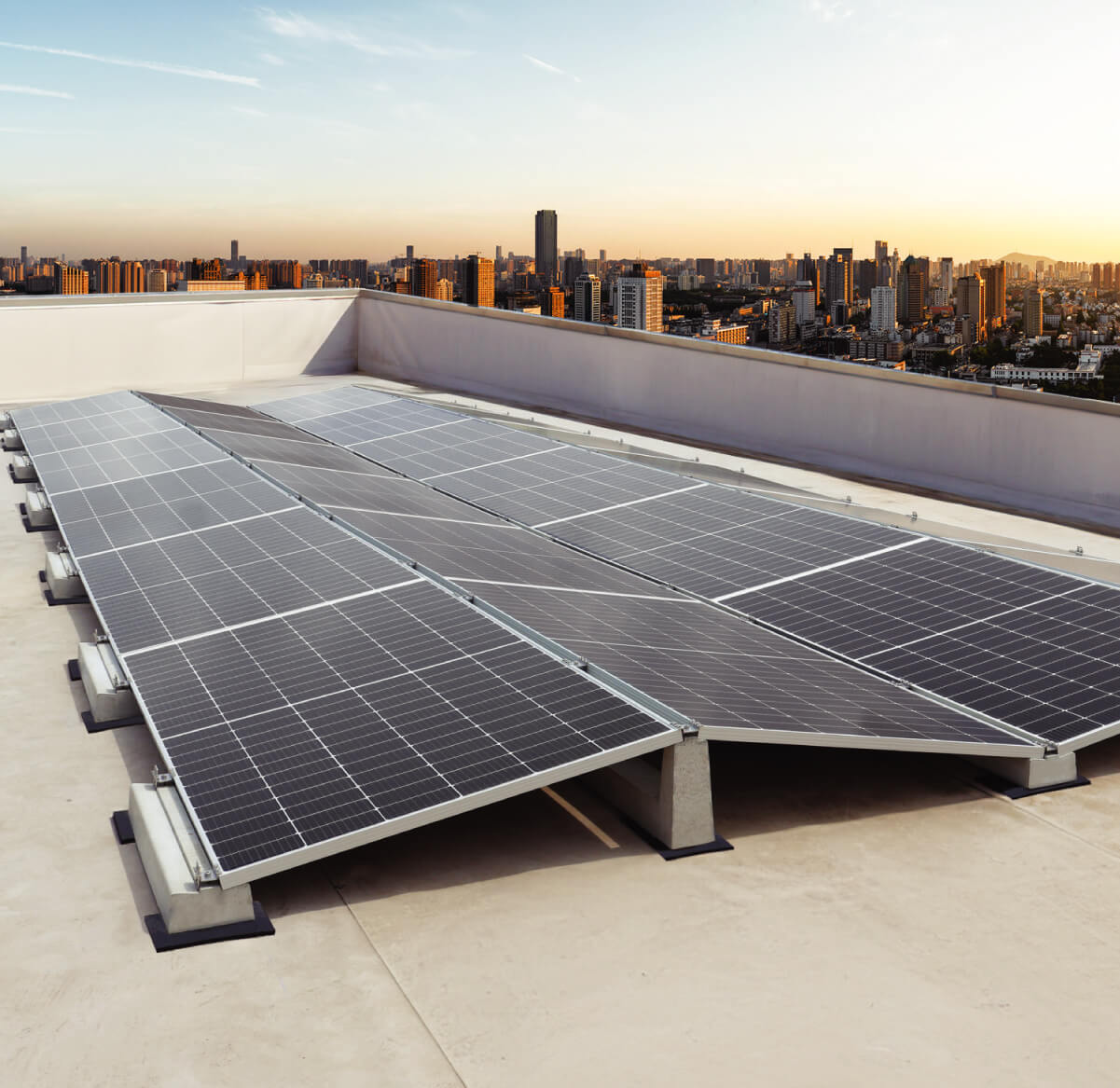
Ballasted PV supports are purpose-built to reduce parts and speed up positioning, because the
weight and geometry provide stability without roof anchoring. This approach can simplify
staging, reduce specialized tools, and minimize coordination with waterproofing contractors.
Another key benefit is risk control: avoiding roof penetrations helps protect the membrane and
lowers the chance of post-installation call-backs. For technical teams, the availability of
verified wind and load parameters supports safer, more confident system sizing. For
distributors, solutions that install quickly and predictably are easier to recommend—because
satisfied installers reorder. Whether you start from a solar panel mounting rail design or from
scratch, evaluating a flat-roof optimized alternative can improve reliability, reduce labor, and
keep projects on schedule across Italy’s varied climate zones.
A Complete Flat-Roof PV Solution—Not Just
Hardware
Choosing the right structure is not only about selecting a solar
panel mounting rail or a different mounting method; it’s about getting a complete, job-ready
solution. For B2B professionals—installers, engineering studios, and wholesalers—what matters is
dependable support throughout the project: preliminary layout guidance, accurate sizing, and
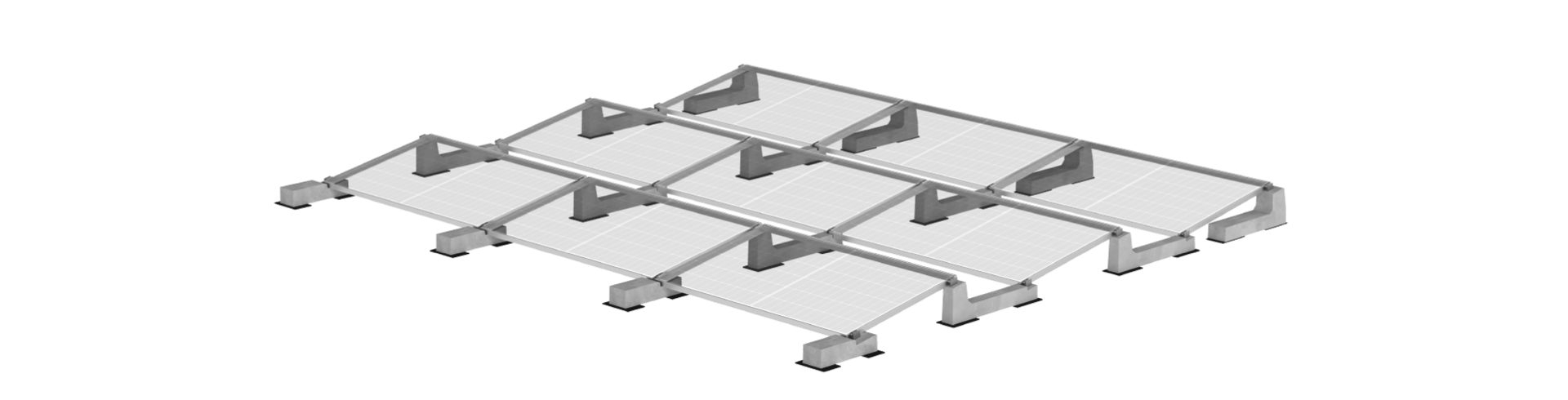
practical assistance up to installation. Flat-roof systems using concrete ballast can be planned
with clear configurations (tilt angles, row spacing, and array geometry) that make the site work
more intuitive. This human factor counts: when crews understand the system quickly, mistakes
drop and productivity rises. Designers benefit from structured technical support and tested
solutions, reducing responsibility pressure and saving time on complex wind assessments.
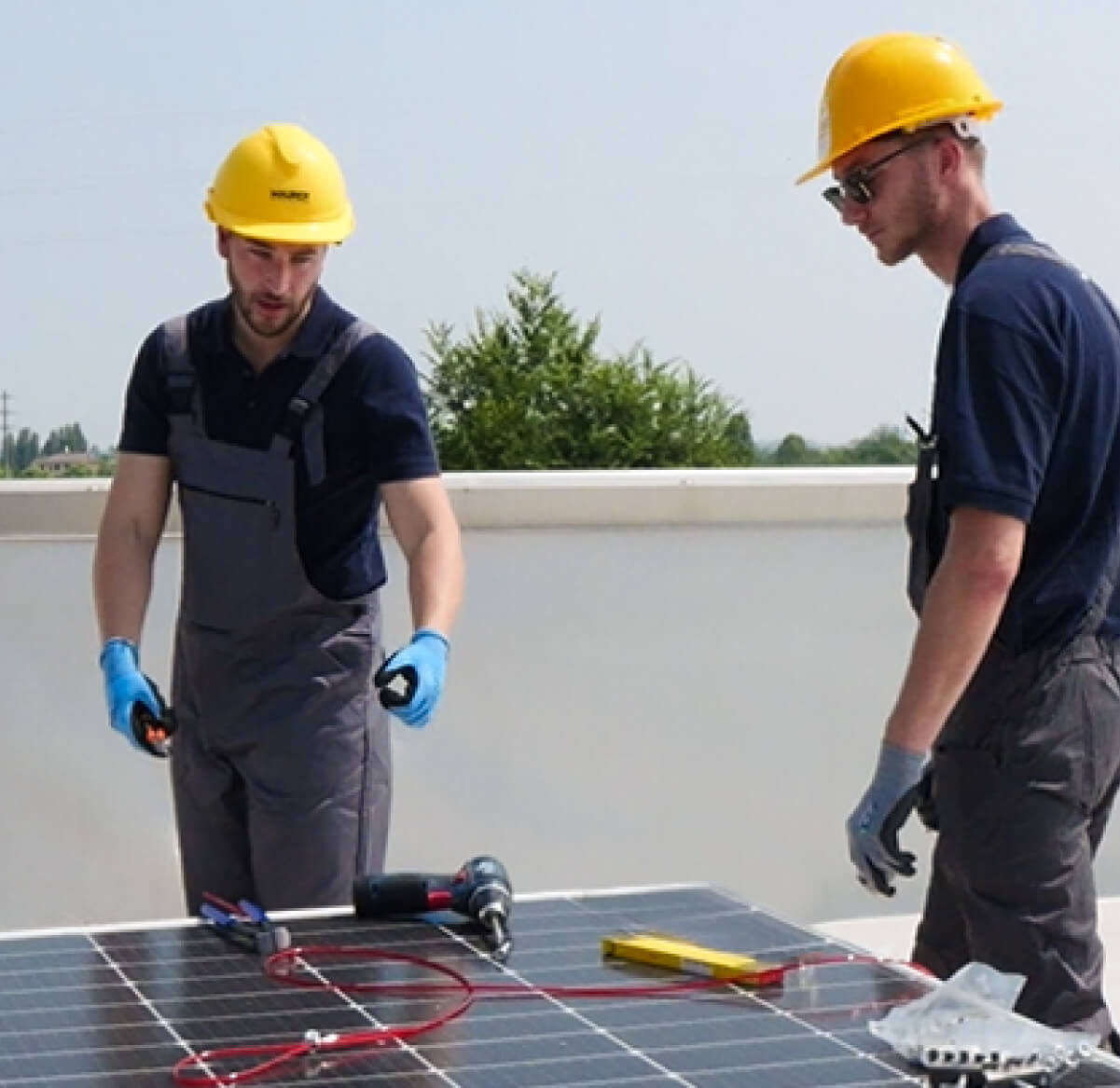
Installers benefit from a straightforward workflow that limits roof interventions and keeps the
job moving. If you’re currently specifying a solar panel mounting rail for flat-roof PV in
Italy, it may be time to consider a dedicated flat-roof approach that delivers the same
alignment and robustness—with fewer components, faster installation, and a safer roof interface.
Explore the technical resources and project support available on www.sunballast.com to plan your
next flat-roof array with confidence.