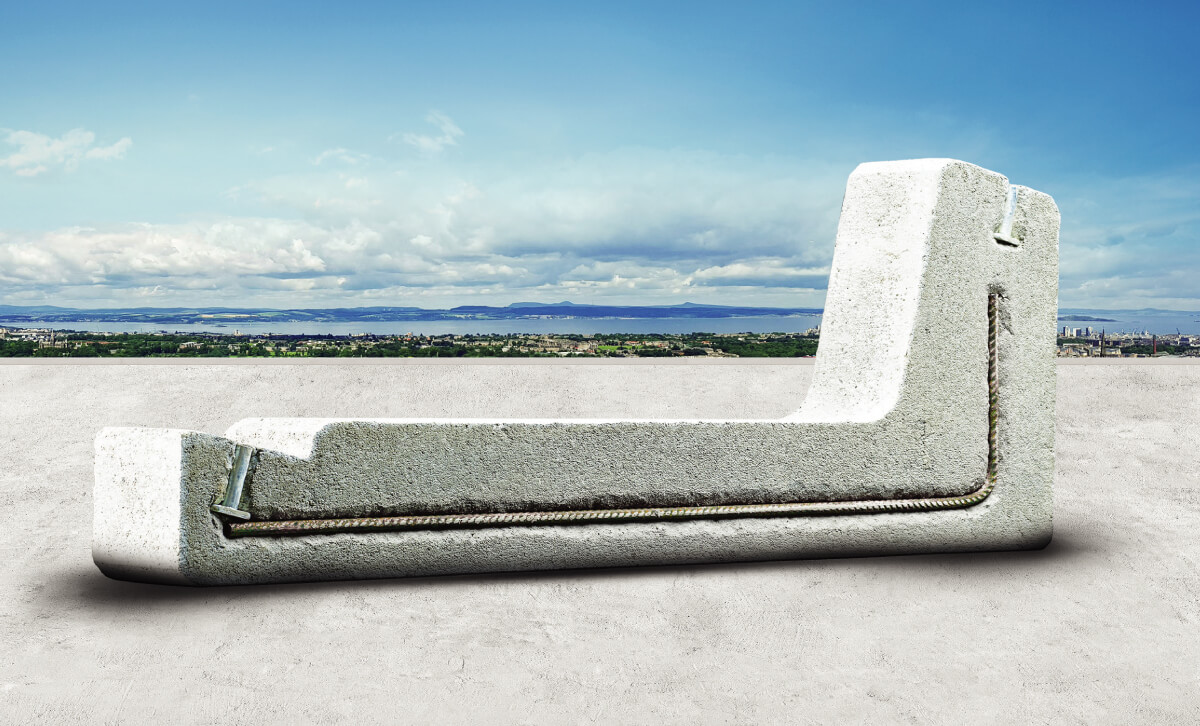
A smarter solar panel mounting structure for
flat roofs
Choosing the right solar panel mounting structure is one of the
fastest ways to cut installation time and reduce on-site headaches—especially on flat roofs,
where waterproofing and load distribution matter most. For many Italian PV installers and
designers, the priority is clear: a mounting solution that is quick, predictable, and safe
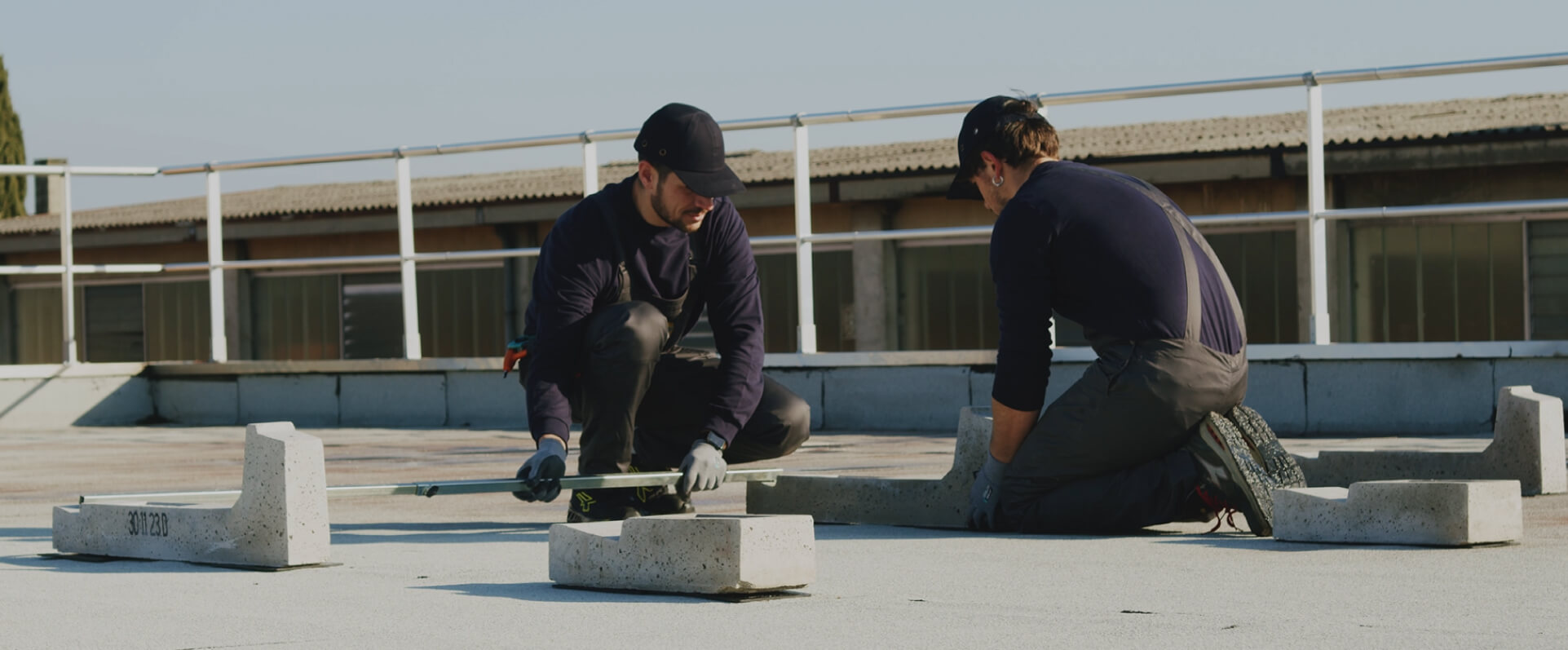
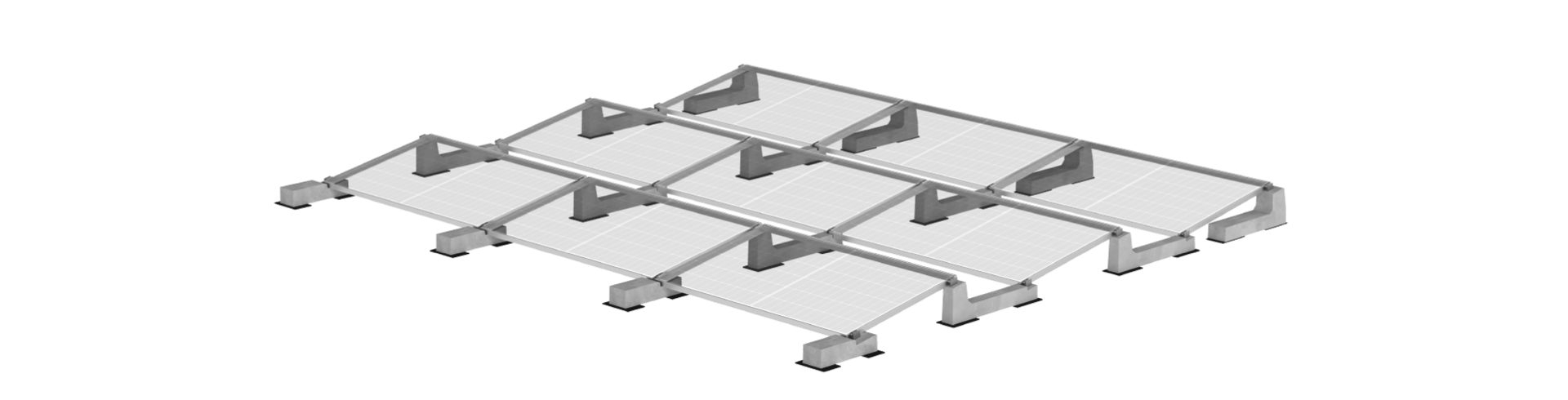
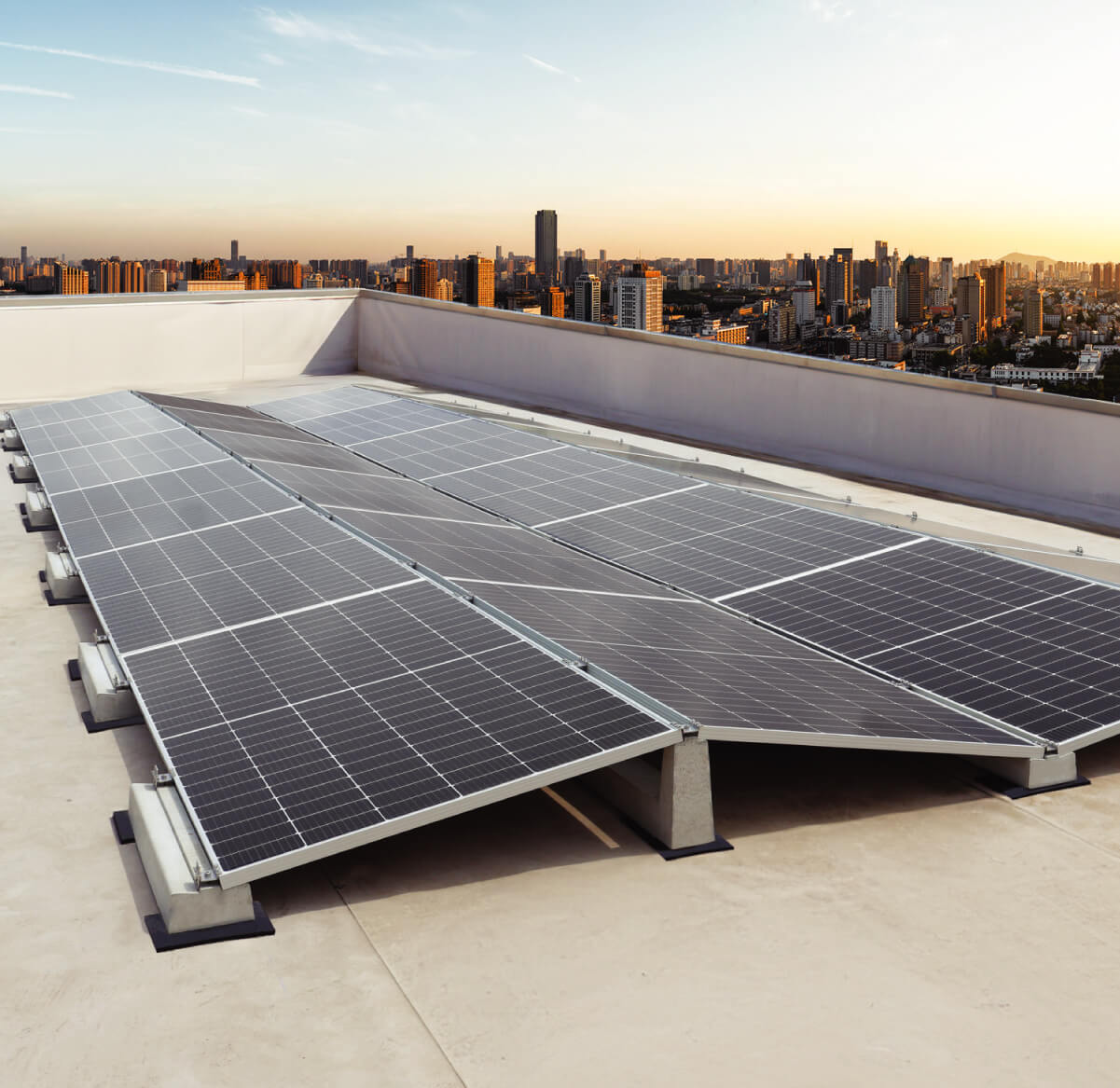
without compromising the roof membrane. Ballasted photovoltaic supports meet that need by using
engineered concrete weights to keep modules stable, eliminating roof penetrations and the risks
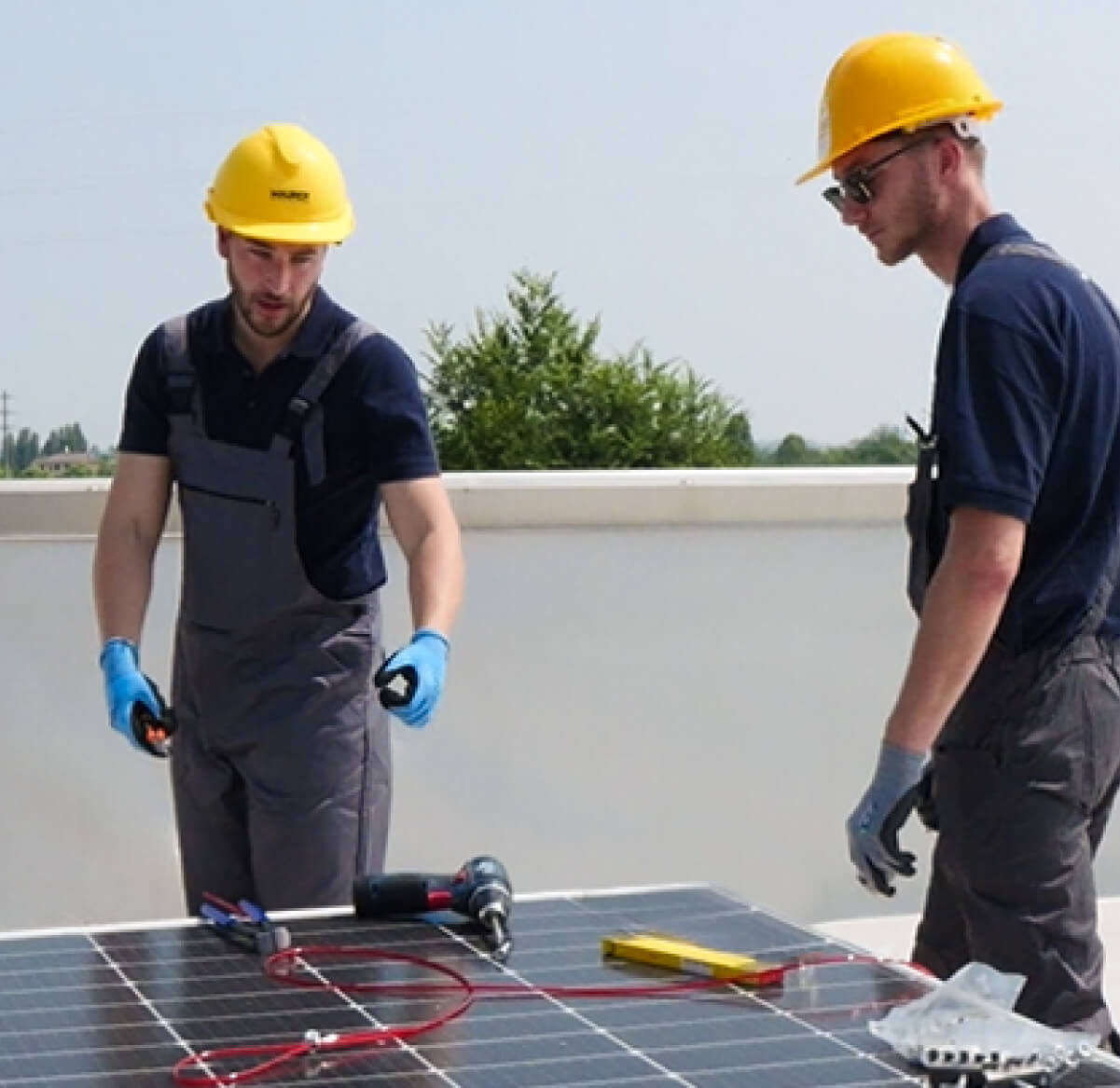
that come with drilling. With fewer components and an intuitive layout, crews can move from
delivery to commissioning faster, while keeping the worksite cleaner and more organized. These
systems are designed to manage wind uplift and mechanical stresses through tested geometries,
proper tilt angles, and reliable anchoring by mass rather than fasteners. The result is a solar
panel racking approach that fits common commercial rooftops across Italy—warehouses, industrial
buildings, and retail structures—where speed and simplicity directly impact margins. If you want
a PV mounting structure that helps you standardize installations and avoid unexpected
waterproofing issues, ballasted solutions are a practical, field-proven choice.
Why installers and engineers prefer
non-penetrating PV mounting
A non-penetrating solar panel mounting structure reduces the
typical project risks linked to flat-roof fixings: leaks, membrane damage, and time-consuming
remedial work. For installers, that translates into fewer steps, less hardware to manage, and
smoother sequencing on site. For engineers and technical offices, it means clearer load paths
and reliable data for structural checks—dead loads, ballast distribution, and wind actions can
be evaluated with consistent, tested parameters. Modern ballasted PV mounting systems also
support multiple configurations: different tilt angles, module orientations, and row spacing to
limit shading and optimize energy yield. This flexibility helps you adapt to parapets, rooftop
equipment, and access paths without redesigning the entire array. In B2B projects where
schedules are tight and responsibility is high, choosing a mounting structure for solar panels
that is certified, durable, and designed for flat-roof constraints is a strong way to protect
both performance and reputation.
A complete flat-roof solution: design support,
sizing, and execution
A strong solar panel mounting structure is not just a product—it
is a complete method that supports the project from concept to installation. The most effective
approach combines technical assistance during design, accurate system sizing, and commercial
support that keeps procurement and delivery straightforward. That partnership mindset is crucial
when you are balancing wind zones, roof load limits, and layout efficiency across Italian sites.
With pre-engineered ballasted supports, you can streamline the workflow: define the array
geometry, confirm loads, plan cable routes, and execute with repeatable steps. The benefits are
tangible: faster installs, fewer surprises, and a mounting system that stays solid over time
thanks to robust concrete ballast and proven mechanical design. If your goal is to make
flat-roof PV easier, safer, and more efficient, choose a solar panel mounting structure built
around reliability, simplicity, and continuous innovation—so every job is easier to deliver and
easier to scale.