Choosing the Right Partner Among Solar Panel
Mounting Systems Manufacturers
In Italy’s fast-moving PV market, choosing among solar panel
mounting systems manufacturers is not just a purchasing decision—it’s a way to protect your
timelines, your margins, and your reputation on site. Installers and designers working on flat
roofs know the usual pain points: too many components, slow layouts, uncertain wind load
behavior, and the constant risk that roof penetrations create leaks, disputes, and extra costs.
That’s why non-penetrating mounting solutions are becoming the preferred route for commercial
and industrial rooftops.
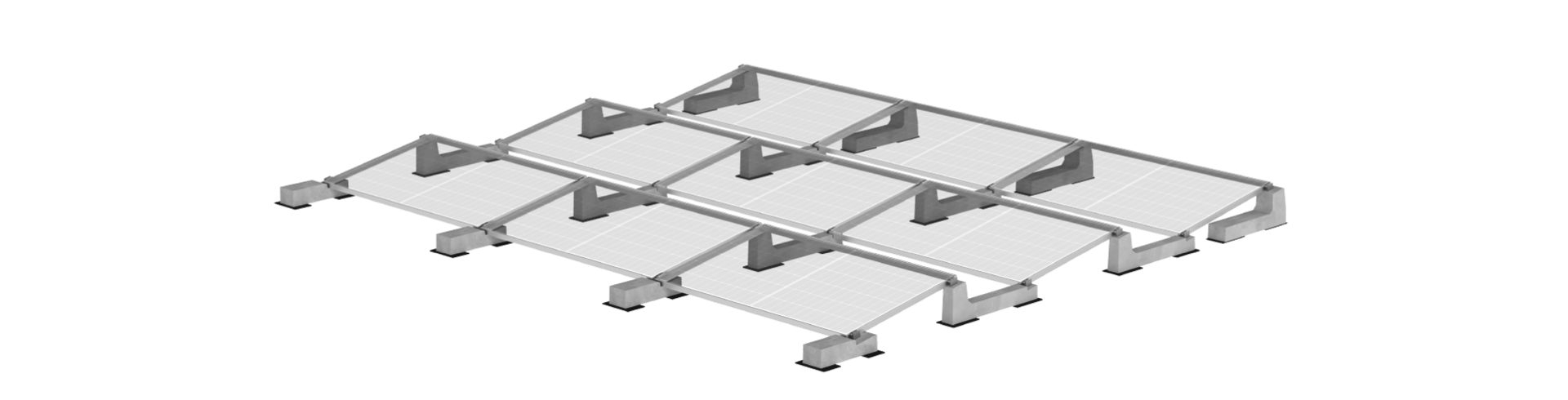
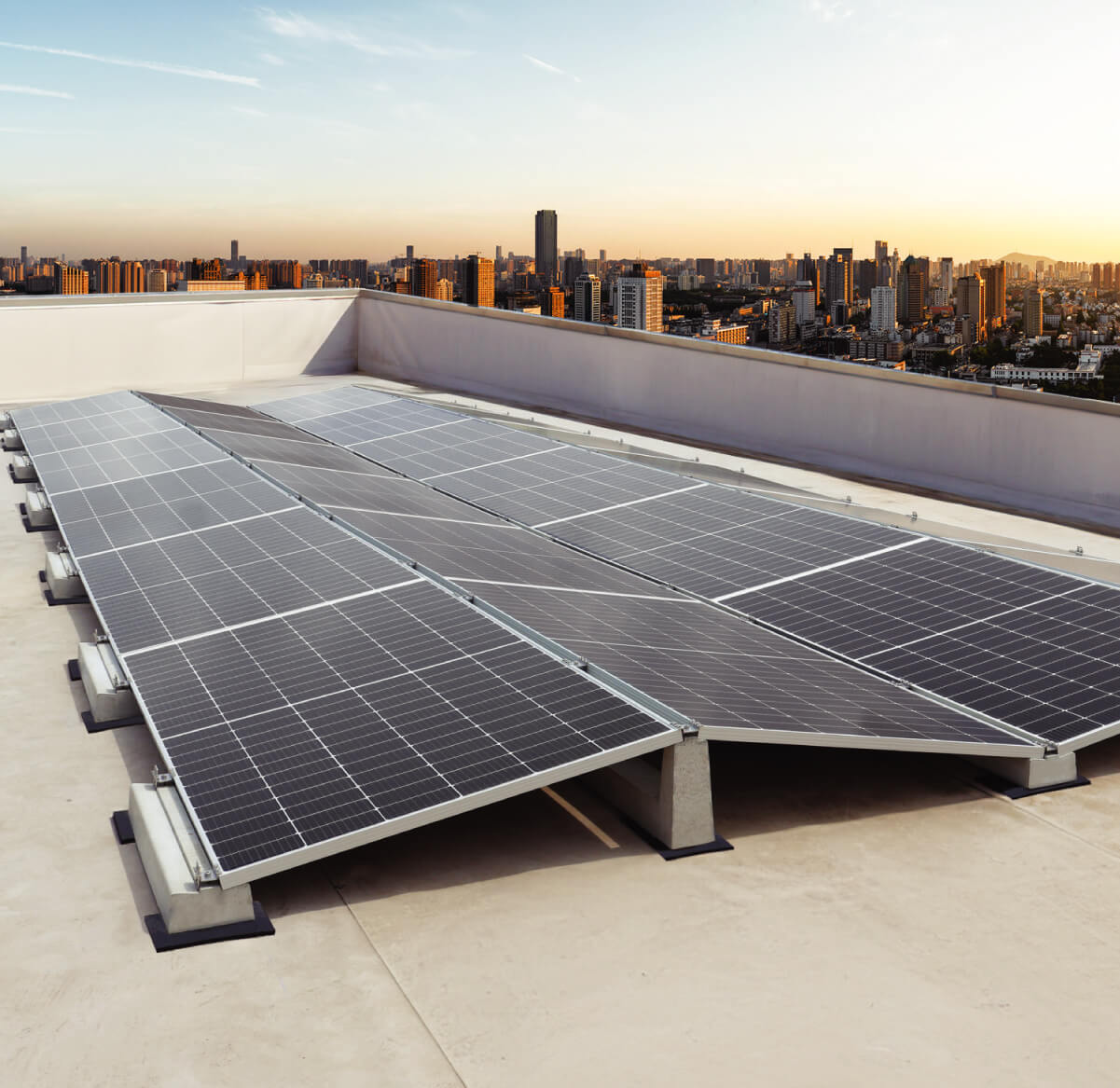
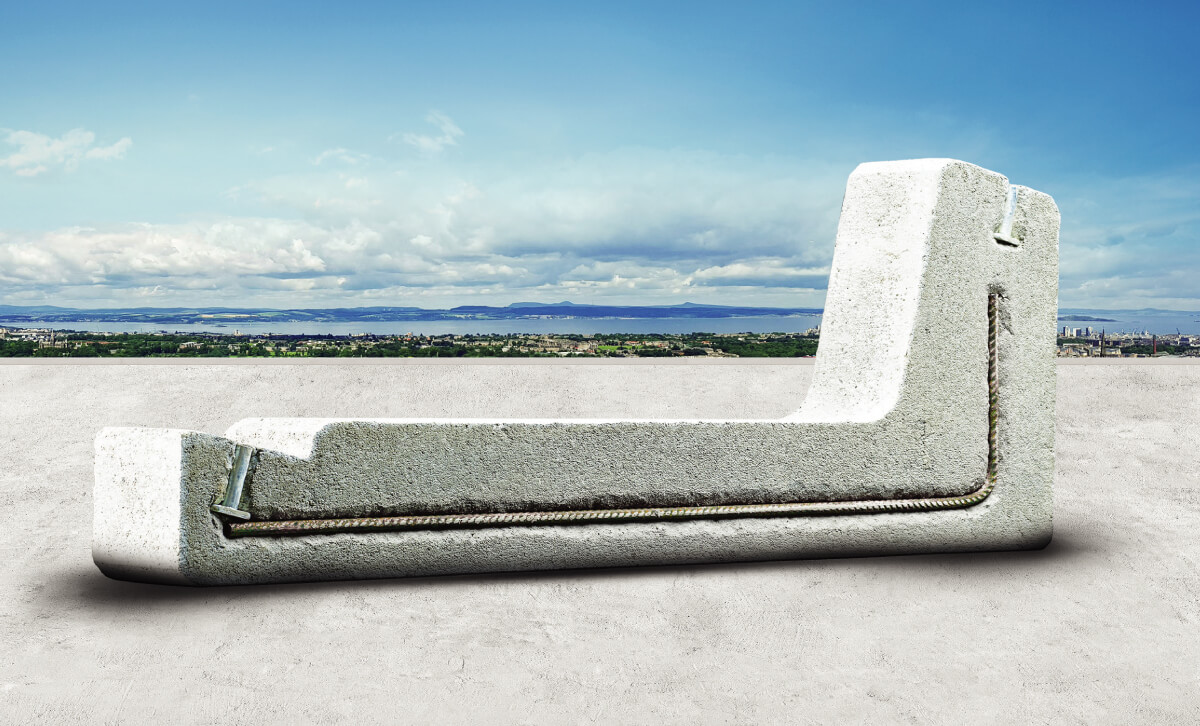
A concrete ballasted PV mounting system is designed to keep modules stable without drilling into
the waterproof layer. For installation teams, that means fewer steps, cleaner logistics, and
quicker commissioning. For engineers and technical offices, it means working with proven
configurations, predictable loads, and reliable data for structural checks.
When evaluating solar panel mounting systems manufacturers, look beyond the product list. The
best partners support you from early design to execution: preliminary layouts, plant sizing,
wind and load considerations, and commercial assistance that keeps the project moving. That
blend of technical support and practical simplicity is what turns a mounting structure into a
complete rooftop PV solution—built to reduce risk, simplify installation, and deliver long-term
reliability in real Italian jobsite conditions.
Why Flat-Roof Ballasted Systems Reduce Risk
and Speed Up Installations
Flat roofs demand a mounting approach that respects membranes and
minimizes on-site surprises. A ballasted solution using concrete weights can eliminate roof
perforations, reducing water ingress risk and avoiding time-consuming sealing tasks. With fewer
separate parts, crews can position supports, align module rows, and manage cable routing with
less complexity. That directly translates into faster installation and fewer errors—two factors
that matter most when you’re juggling multiple sites.
From a design perspective, pre-tested configurations and clear technical documentation simplify
calculations for wind uplift and distributed loads. Instead of reinventing the structure each
time, professionals can rely on validated setups and request technical input when needed. For
distributors, systems that are easy to explain, recognized in the market, and backed by
responsive support are easier to stock and sell. In short, the right flat-roof mounting strategy
helps everyone in the B2B chain deliver projects more efficiently.
What to Look for in Solar Panel Mounting
Systems Manufacturers (Italy)
If you’re comparing solar panel mounting systems manufacturers for
the Italian market, prioritize three essentials: reliability, simplicity, and continuous
innovation. Reliability means durable, tested products that perform over time; simplicity means
intuitive installation with fewer components and predictable on-site workflows; innovation means
ongoing development of new solutions for different layouts, orientations, and rooftop
constraints.
Also consider the manufacturer’s role as a technical partner. Do they offer design-stage
support, system sizing, and project assistance through to execution? Can they provide dependable
data for engineers and practical guidance for installers? A manufacturer that delivers both
product and expertise helps you reduce project risk, cut installation time, and standardize
quality across your flat-roof PV portfolio. That’s the difference between buying a structure and
adopting a solution that makes rooftop solar easier, safer, and more profitable.