Why Flat-Roof PV Needs the Right Mounting
Strategy
Choosing solar panel mounting systems for flat roofs is rarely
just a “hardware” decision. In Italy, installers and designers work under tight timelines,
strict roof constraints, and growing expectations for predictable performance. The real
challenge is finding a solution that is fast to install, safe for the waterproofing layer, and
reliable under wind loads—without turning every project into a bespoke engineering exercise.
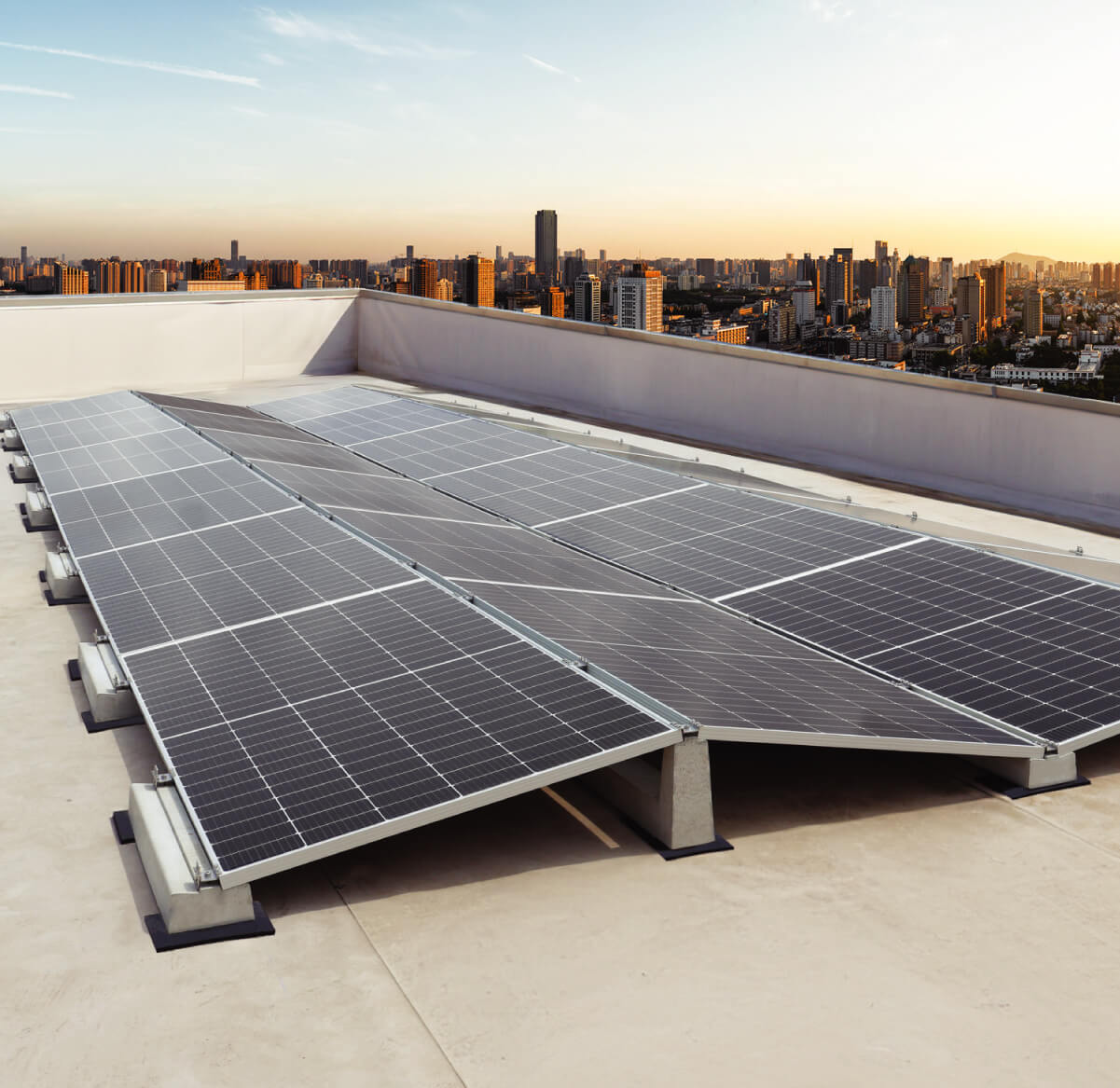
That’s why non-penetrating mounting approaches are increasingly preferred on commercial
buildings, warehouses, and industrial rooftops. By avoiding roof drilling, you reduce the risk
of leaks, limit disruption on site, and streamline approvals with building owners. Modern
flat-roof PV racking is expected to deliver more than support: it must simplify layout, keep
components to a minimum, and help teams stay consistent across multiple jobs. For professionals,
the best systems combine clear design rules, tested configurations, and quick positioning so
crews can install more kWp per day. For engineers, it’s about traceable data for loads, ballast
sizing, and uplift resistance. When these needs meet, projects move faster and risk
drops—especially on large surfaces where small inefficiencies multiply. If your goal is to make
flat-roof solar simpler and more repeatable, start by evaluating mounting systems built
specifically for non-invasive installation and efficient site workflow.
Concrete Ballast Solutions: Faster
Installation, Fewer Risks
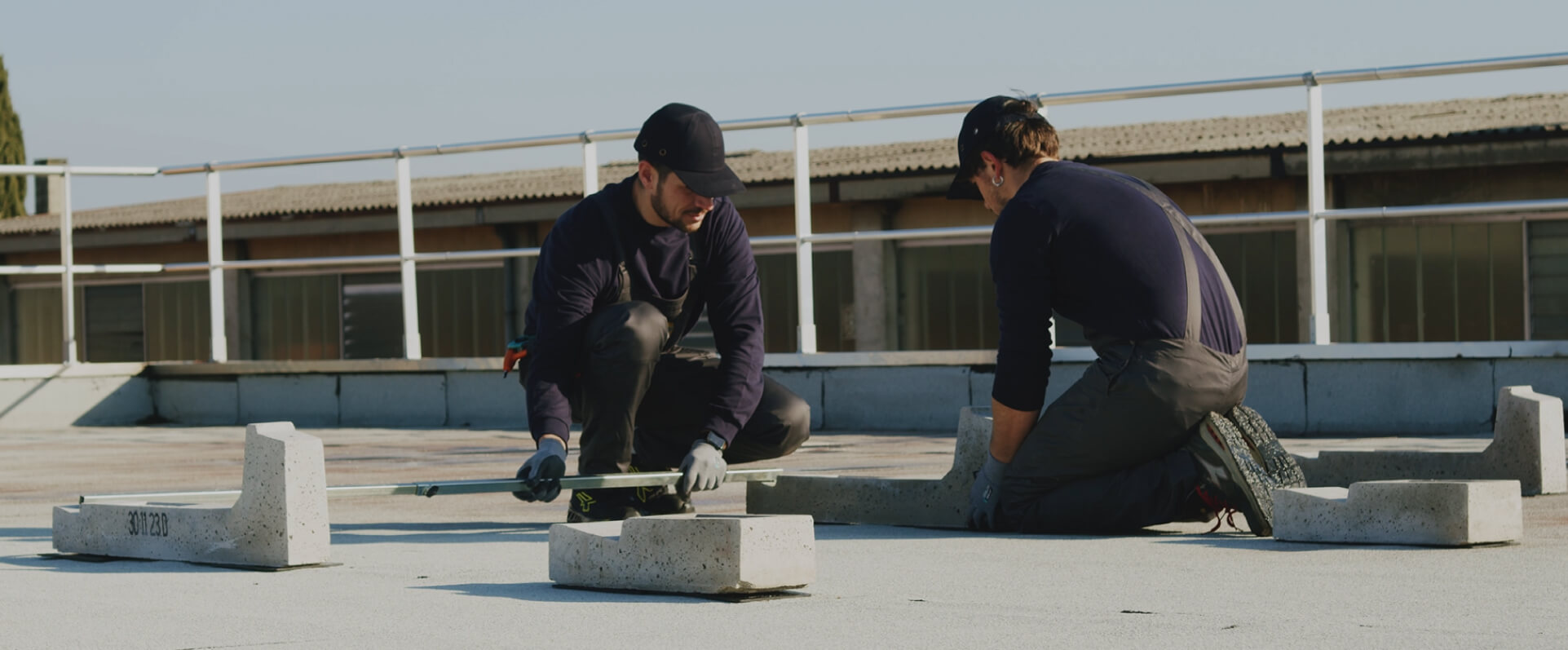
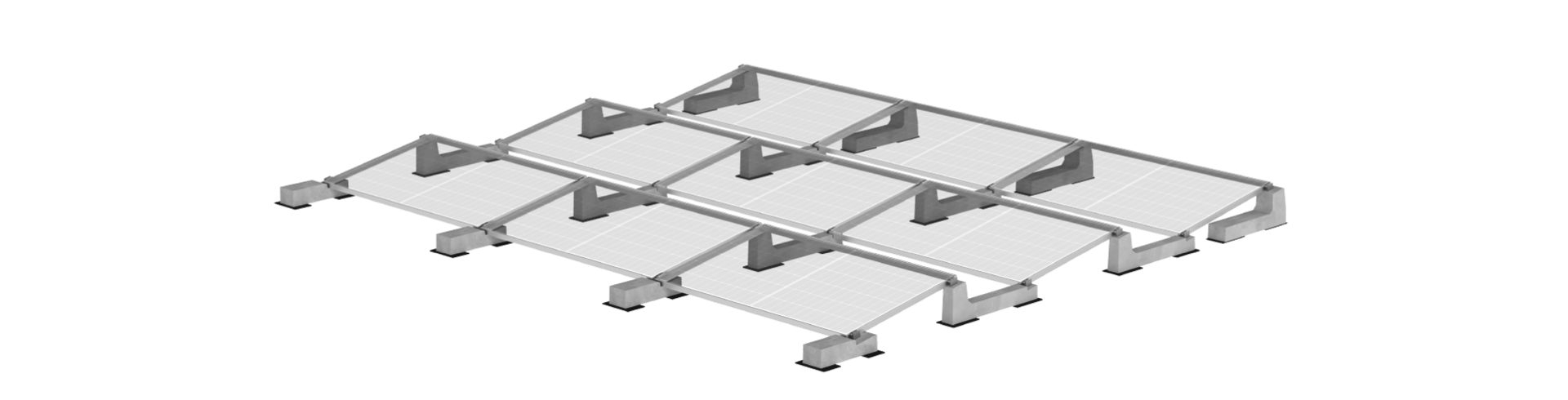
A key option within solar panel mounting systems for flat roofs is
the concrete ballast concept: pre-engineered supports that hold modules in place using weight
rather than roof penetrations. This approach can dramatically cut installation time because
there’s no need for anchors, flashing, or complex waterproofing rework. Fewer parts also means
fewer mistakes—an advantage when crews are moving quickly or working across multiple rooftops.
Concrete ballasted PV mounts are designed to be intuitive on site: place, align, and fix the
modules with a simplified set of accessories. For installers, that translates into cleaner
logistics and more predictable scheduling. For building owners, it offers peace of mind: the
roof membrane stays intact, maintenance is simpler, and the system can be designed to respect
drainage paths and rooftop equipment. For technical offices, the real value comes from having
validated configurations that address wind exposure, roof zones, and structural constraints.
With the right support, ballast sizing and array geometry become a controlled process instead of
a last-minute workaround. The result is a flat-roof photovoltaic installation that feels
engineered—yet remains practical for daily site realities.
A Technical Partner Approach for Installers,
Engineers, and Distributors
In the B2B world, professionals don’t just need products—they need
a workflow they can trust. The most effective solar panel mounting systems for flat roofs are
backed by practical engineering support: help during design, reliable sizing guidance, and
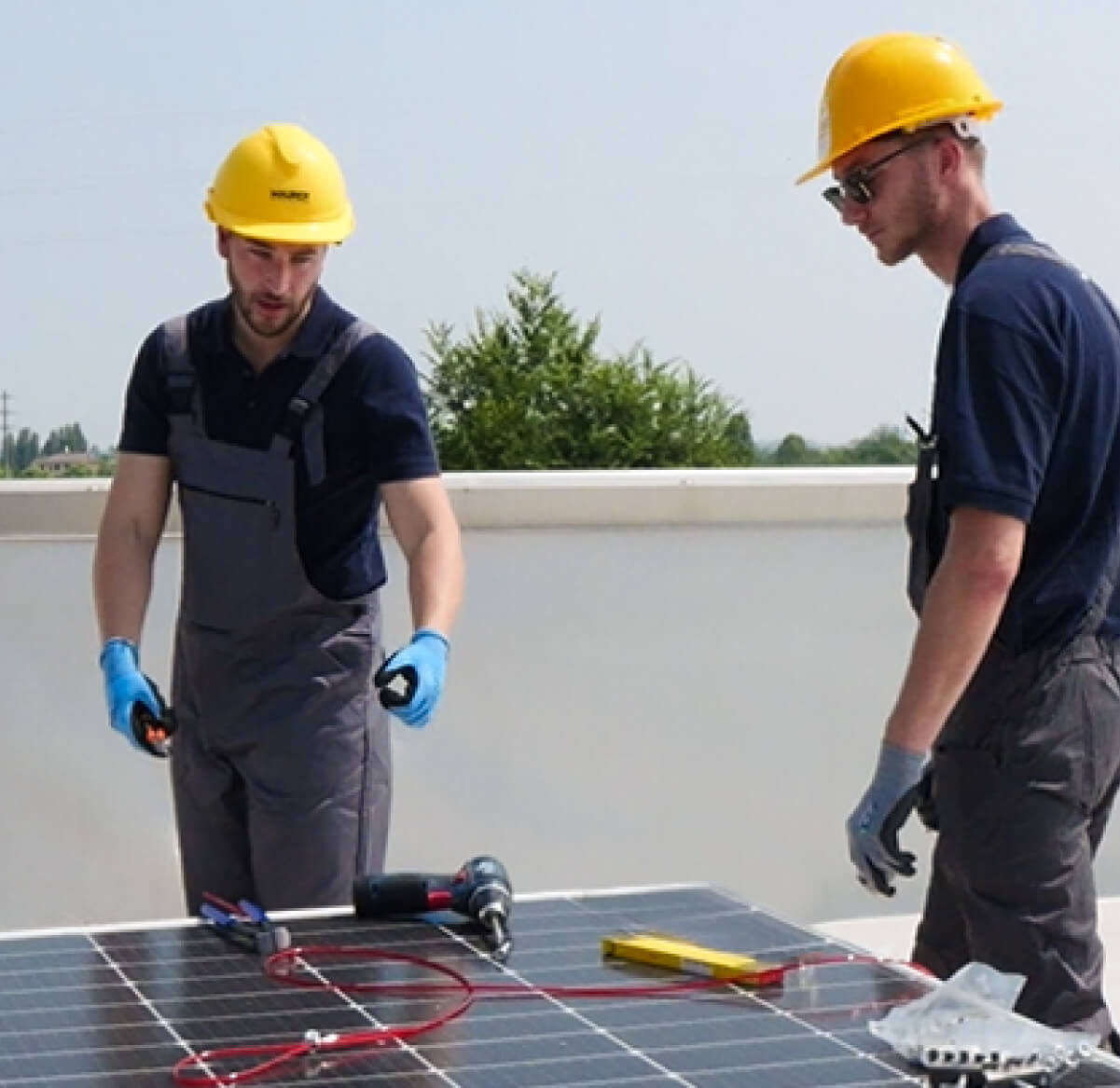
assistance that follows the project through execution. Installers benefit from clearer site
plans and reduced complexity, designers gain confidence through tested solutions and dependable
inputs, and distributors can rely on a recognisable system that’s easy to specify and explain.
This partner-style model matters in Italy’s fast-moving PV market, where performance,
compliance, and speed must align. If you want to reduce on-site issues, protect the roof, and
standardise your flat-roof installations, focus on solutions that combine non-penetrating
ballast technology with real technical backing. That combination is what turns a mounting system
into a repeatable, efficient method—job after job.