Why Solar Panel Mounting Structures Matter on
Italian Flat Roofs
In Italy, flat roofs are a prime opportunity for photovoltaics—but
they can also be where projects slow down. The right solar panel mounting structures make the
difference between a smooth installation and days of unexpected fixes. Installers want speed,
fewer components, and predictable results. Designers need verified data for wind uplift, roof
loads, and layout optimization. Distributors look for systems that are easy to explain and
consistently requested by the market.
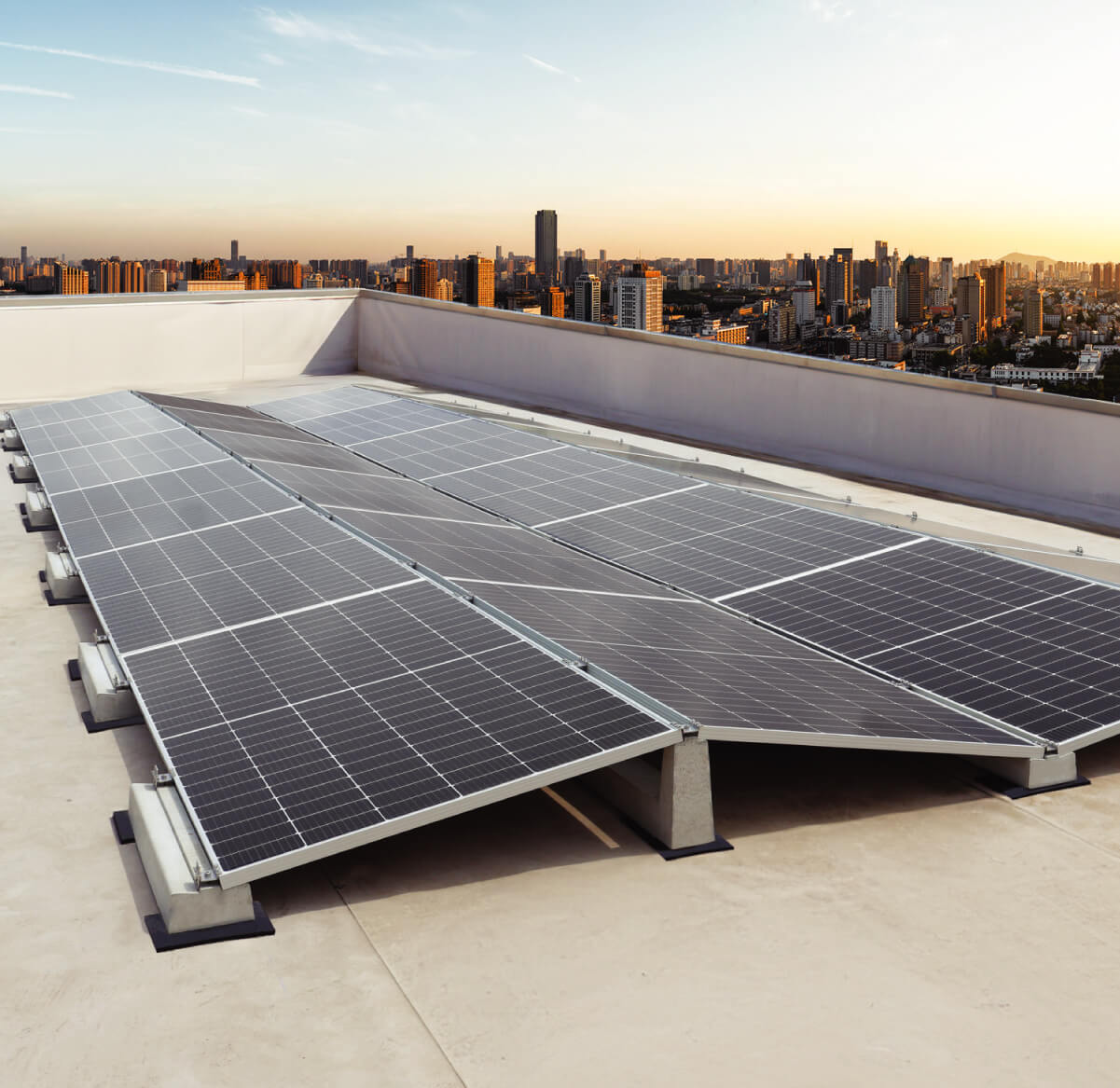
For flat roofs, non-penetrating solutions are often the smartest route: avoiding membrane
drilling reduces the risk of leaks, eliminates many waterproofing headaches, and can shorten
installation time dramatically. Ballasted PV mounting systems also help keep the site tidy—less
hardware, fewer roof interventions, and clearer assembly steps. This is especially valuable when
working on commercial buildings, logistics hubs, and industrial sheds where downtime and access
constraints are real.
If you’re evaluating solar panel mounting structures for a new rooftop PV project, focus on
three essentials: reliability (durable, tested components), simplicity (fast, intuitive
assembly), and technical confidence (support for calculations, layouts, and compliance). When
those elements are in place, you can scale installations more easily, reduce on-site risk, and
deliver a cleaner handover—project after project.
Non-Penetrating Ballasted Systems: Faster
Installs, Fewer Risks
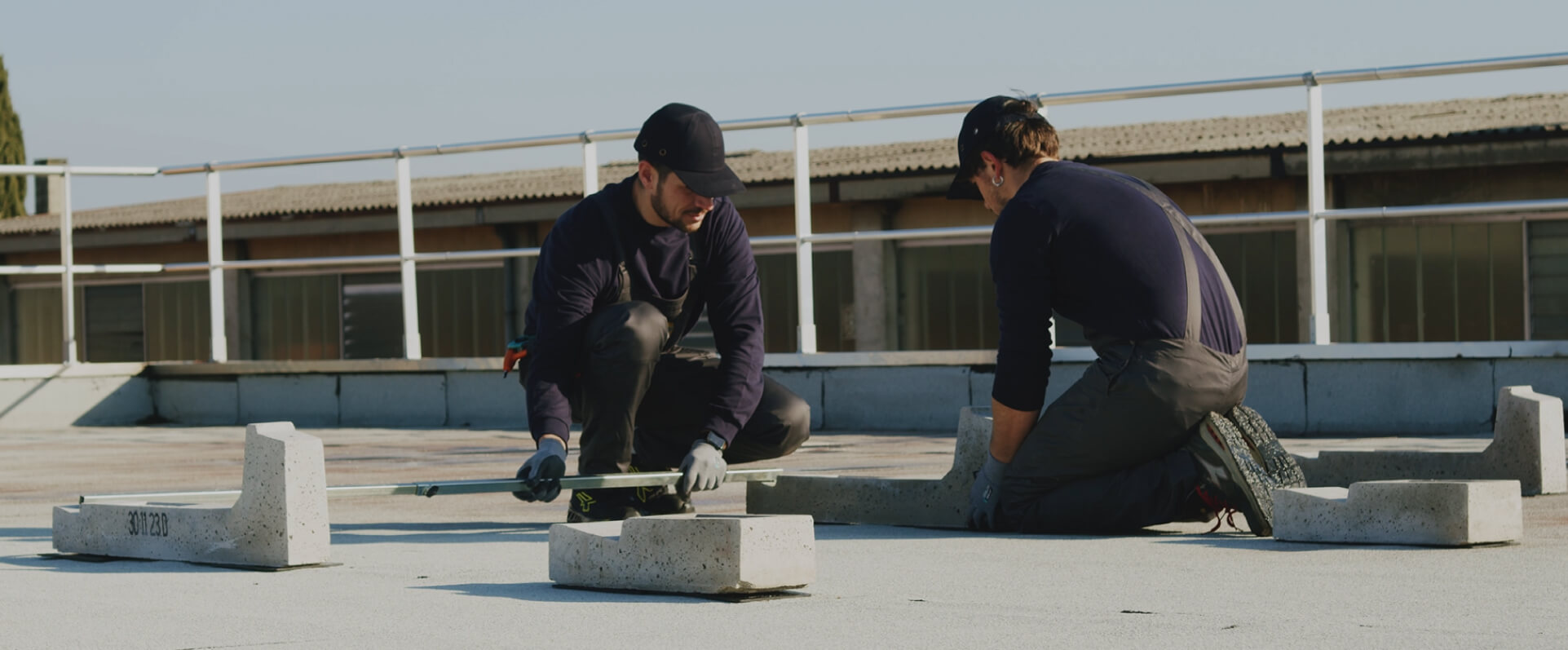
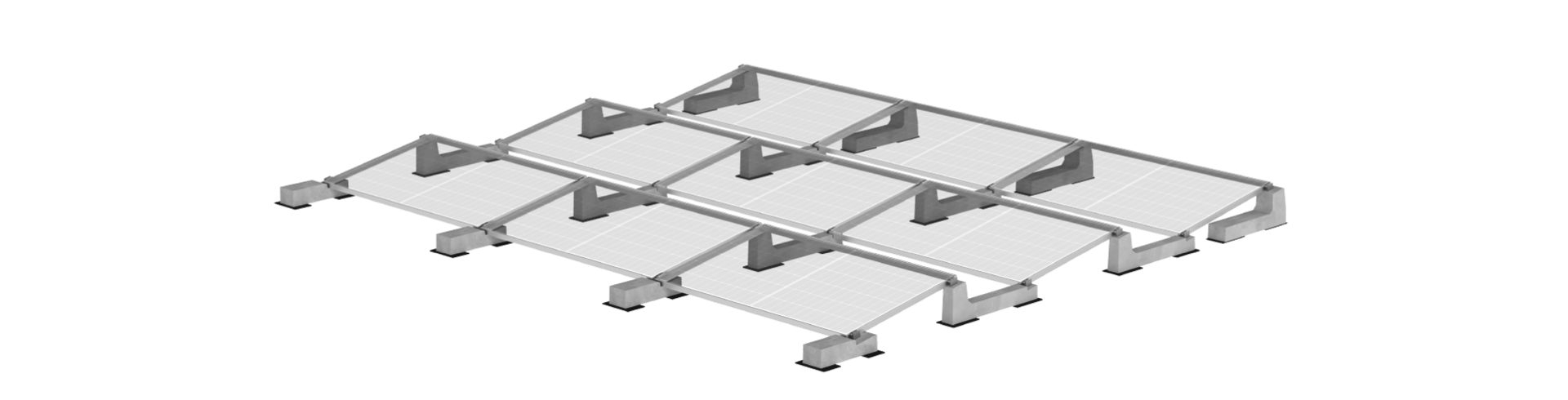
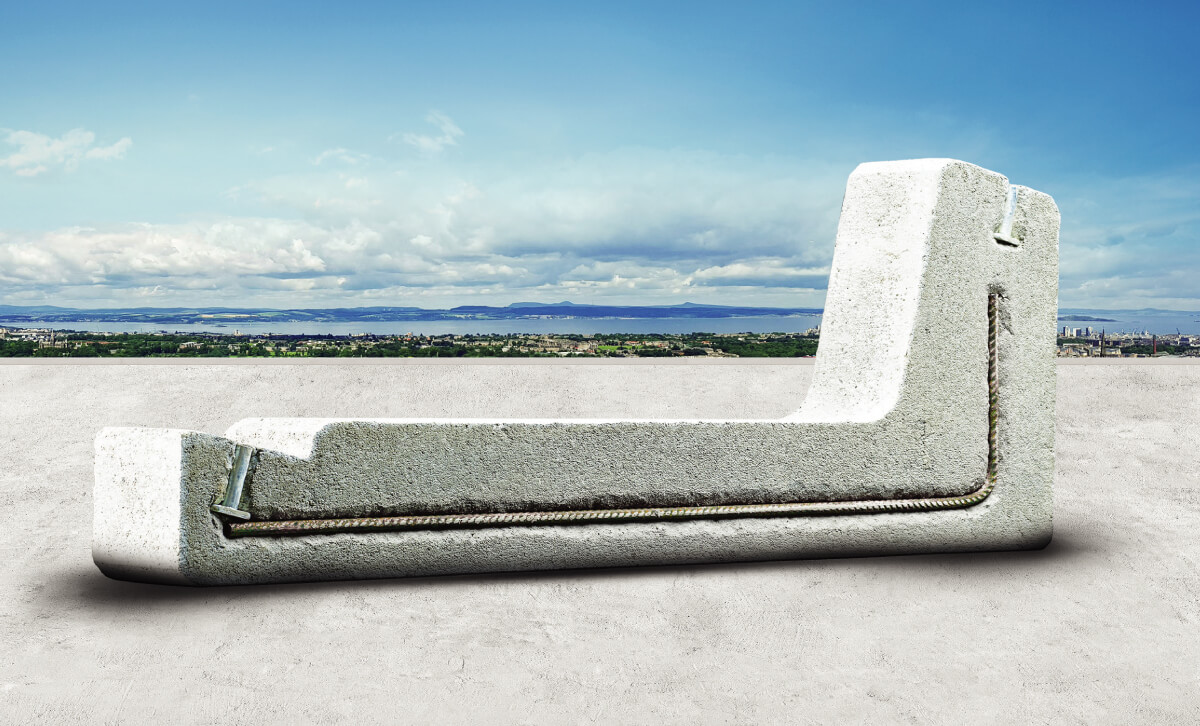
A ballasted approach uses concrete weights engineered to secure
modules without piercing the roof. For installers, that often means fewer steps: place, align,
connect, and cable-manage—without coordinating roof penetrations or extra waterproofing work.
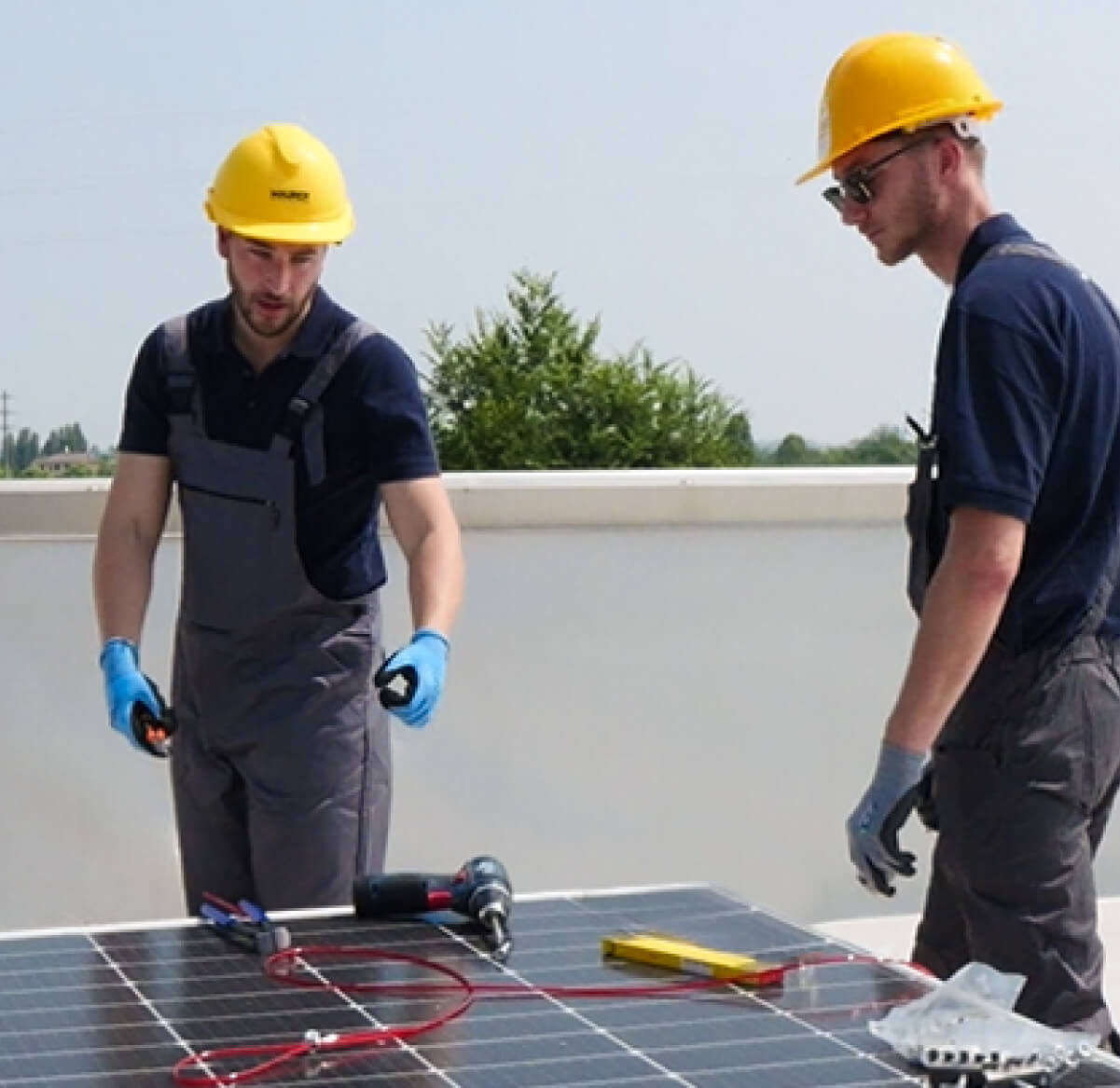
With fewer parts to handle, crews can work faster and maintain consistent quality across the
array.
For engineers and technical offices, the advantage is control. A well-designed solution can
support multiple tilt angles, orientations, and module formats while keeping loads within roof
limits. Having access to dependable performance data and project-specific checks for wind and
ballast requirements helps reduce design liability and prevents costly revisions late in the
job.
In short, these solar panel mounting structures aren’t just “supports”—they’re a method to
streamline the whole workflow, from preliminary design to commissioning on flat roofs common
across the Italian market.
A Complete Partner Approach for Installers,
Designers, and Distributors
Choosing solar panel mounting structures should also mean choosing
certainty. Beyond the product itself, professional teams benefit from a partner-style process
that includes technical support during design, accurate system sizing, commercial assistance,
and project development through execution.
That end-to-end help matters when deadlines are tight or when a roof presents constraints like
limited parapet height, complex drainage paths, or variable wind exposure. With the right
guidance, you can optimize row spacing, reduce shading, manage cable routes, and keep
maintenance access clear—while staying aligned with best practices for safety and durability.
For distributors and wholesalers, a recognizable flat-roof solution backed by strong technical
resources is easier to recommend and easier to support after the sale. For installers, it means
fewer surprises on site and more completed projects per month.
If your next PV job is on a flat roof in Italy, consider solar panel mounting structures that
combine non-penetrating stability, proven reliability, and real technical support—so you can
install faster, reduce risk, and deliver results that last.