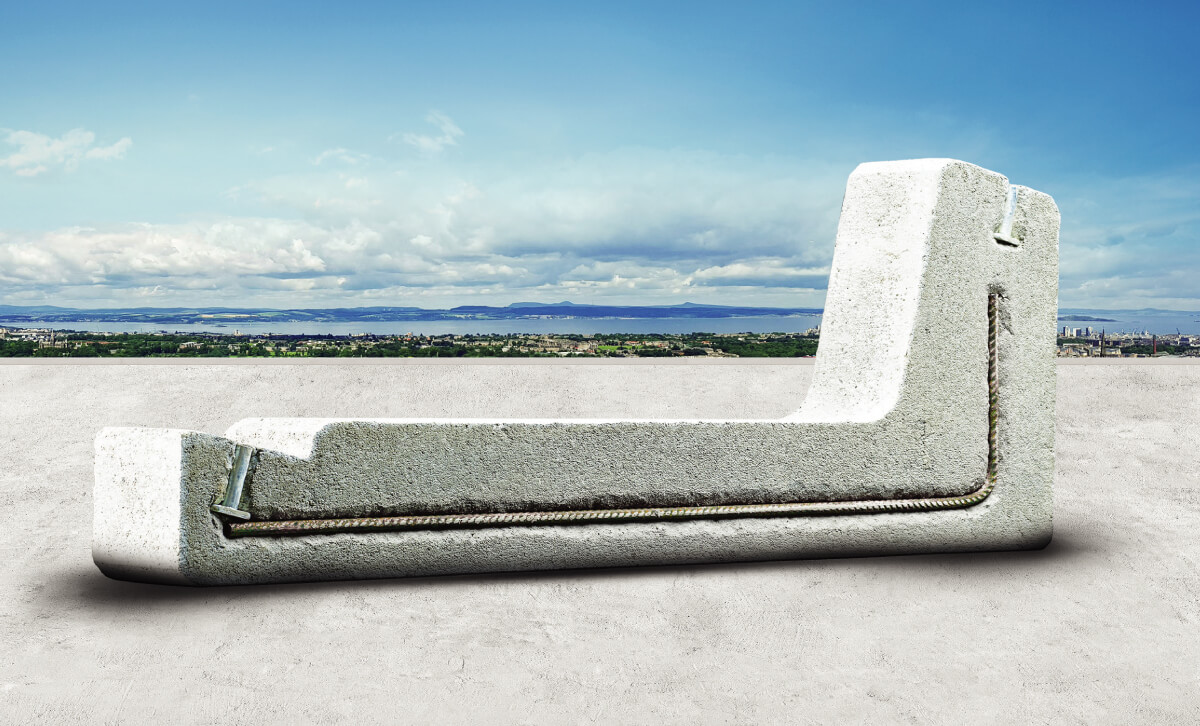
A Smarter Solar Panel Mounting System for Flat
Roof Projects
In Italy, flat-roof PV installations often come with a familiar
set of headaches: long on-site assembly times, complex structures, and the constant worry of
damaging the waterproof membrane. A well-designed solar panel mounting system can remove most of
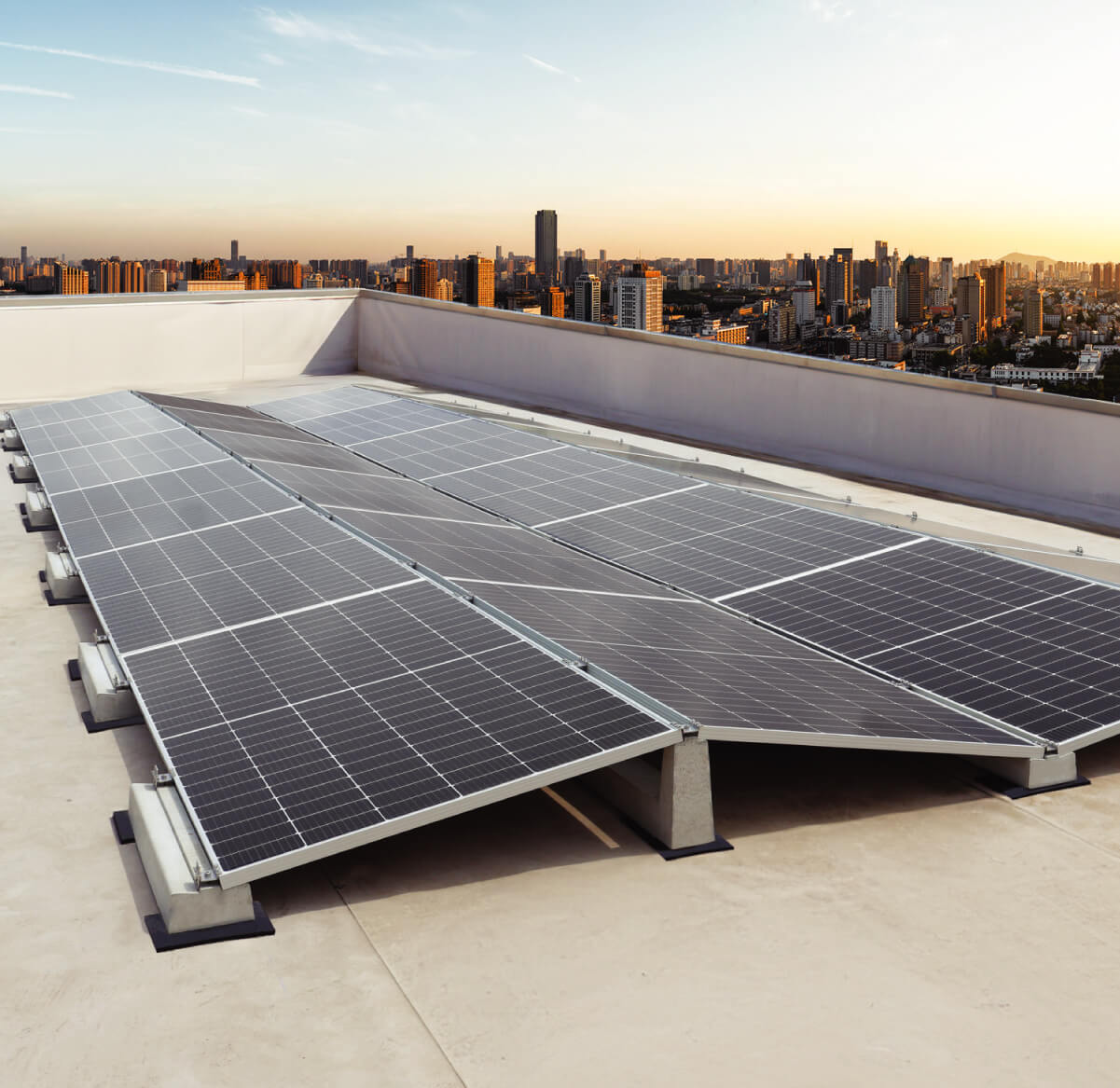
that stress—especially when it’s built around concrete ballast rather than roof penetrations.
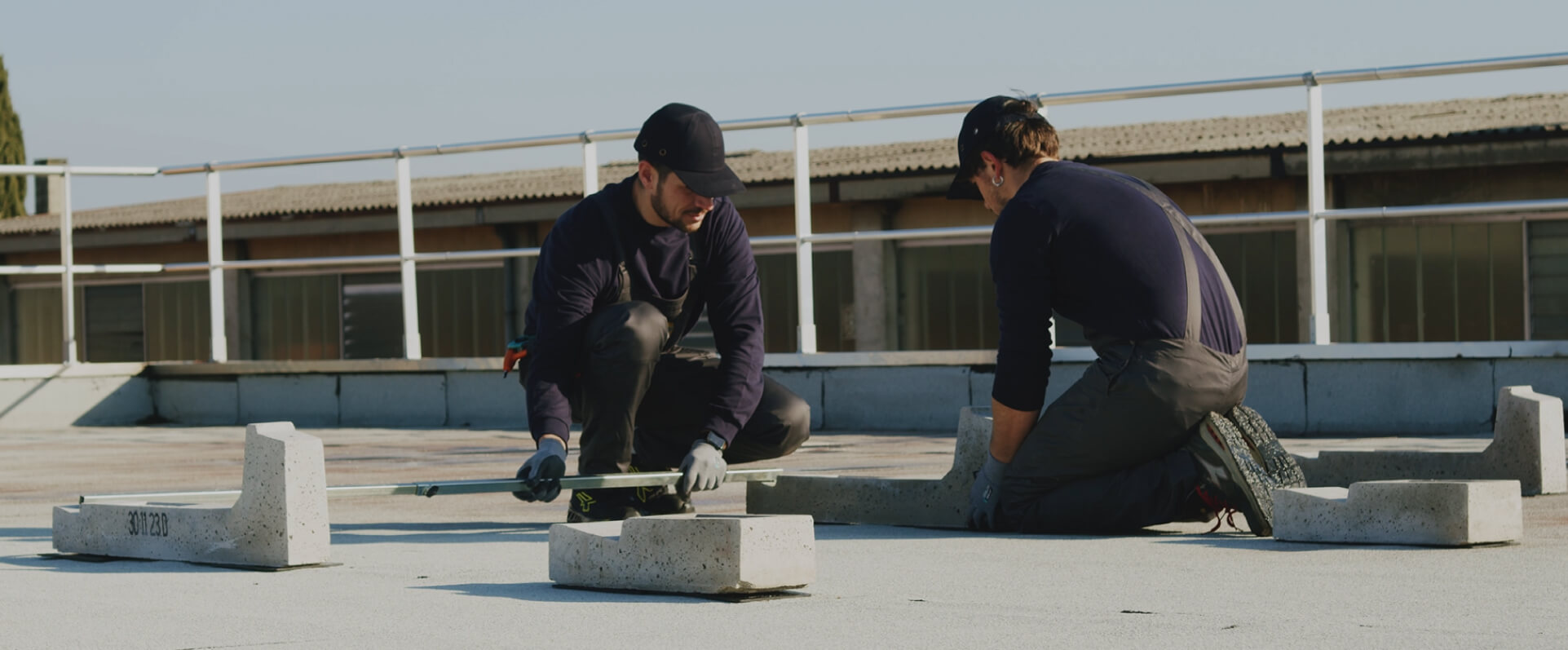
With a ballasted approach, you can position modules quickly, keep the roof intact, and reduce
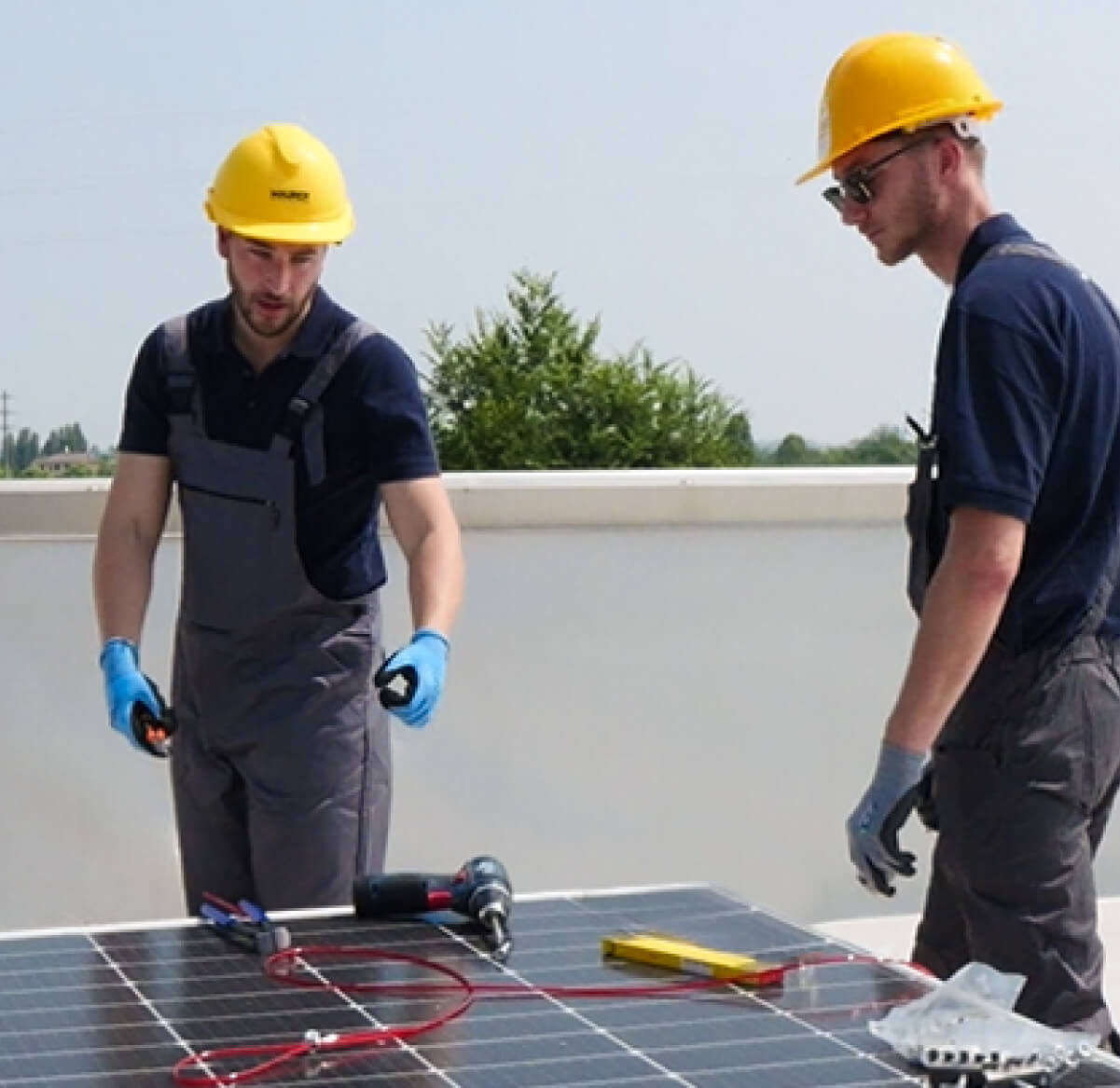
the number of components you need to manage on site. For installers, that means cleaner
logistics, fewer surprises, and a smoother workflow from first pallet to final string. For
designers and engineers, it means a mounting solution that can be evaluated with clear technical
data for loads and stability. And for distributors, it’s a product category that’s easy to
explain and consistently requested by professionals working on commercial buildings, warehouses,
and industrial roofs. If your priority is speed, safety, and repeatable results on flat roofs,
choosing the right mounting solution is not a detail—it’s the foundation of the entire project.
Why Installers Prefer Ballasted Solutions: No
Holes, Less Risk, More Speed
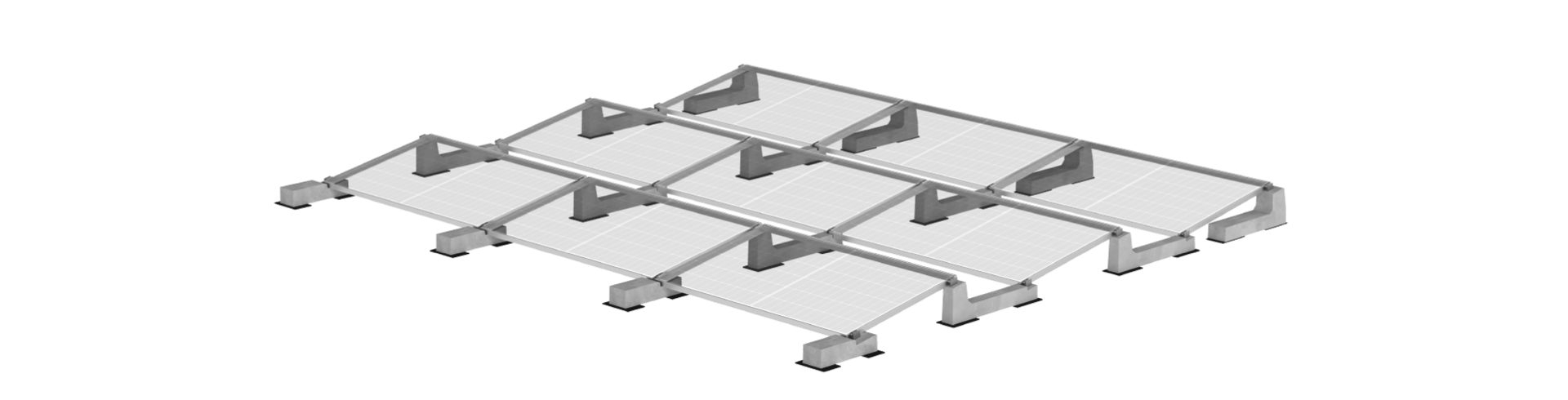
A ballasted solar panel mounting system is engineered to keep
panels stable using weight and optimized geometry, avoiding the need to drill into the roof.
That single choice has a big impact: fewer leak risks, less coordination with roofing repairs,
and faster installation cycles. Installers can standardize procedures across multiple sites,
because the system is intuitive and requires fewer parts than many traditional racking
solutions. The result is a practical advantage on every job: quicker layout, simpler assembly,
and less time spent correcting misalignments. On flat roofs, where wind exposure and edge zones
matter, a ballasted setup also supports better planning—helping you align rows, manage spacing,
and maintain safe maintenance walkways. When you’re working against deadlines, weather windows,
or limited site access, a reliable non-penetrating structure becomes a real productivity tool,
not just “mounting hardware.”
Technical Confidence for Designers: Load Data,
Sizing Support, and Proven Reliability
For engineering studios and technical designers, the best solar
panel mounting system is the one that reduces uncertainty. Flat-roof projects require careful
evaluation of wind loads, roof capacities, and overall system stability—especially on large
commercial surfaces. A tested ballasted solution, built with durable concrete supports, helps
simplify calculations and decision-making by offering consistent performance and clear project
parameters. Just as importantly, professional support during design and sizing can shorten the
approval process and reduce responsibility-related stress: you’re not left alone with complex
assumptions. For distributors and wholesalers, these features translate into a mounting system
that is easier to position in the market: it’s recognizable, practical, and backed by technical
guidance that installers actually value. If you want to deliver faster projects, lower
operational complexity, and long-term reliability on Italian flat roofs, choosing a proven
ballasted approach is one of the most effective upgrades you can make—starting from the very
first design draft.