Why the Solar Panel Mid Clamp Matters in
Flat-Roof PV
On flat roofs, every component has to do more with less. A solar
panel mid clamp may look like a small detail, but it plays a big role in keeping PV modules
aligned, secure, and installation times under control. For installers working in Italy’s
competitive solar market, speed and predictability on site are essential: fewer parts to handle,
fewer errors, and fewer delays. The mid clamp is the connector that locks adjacent modules
together on the mounting structure, helping maintain consistent spacing and solid mechanical
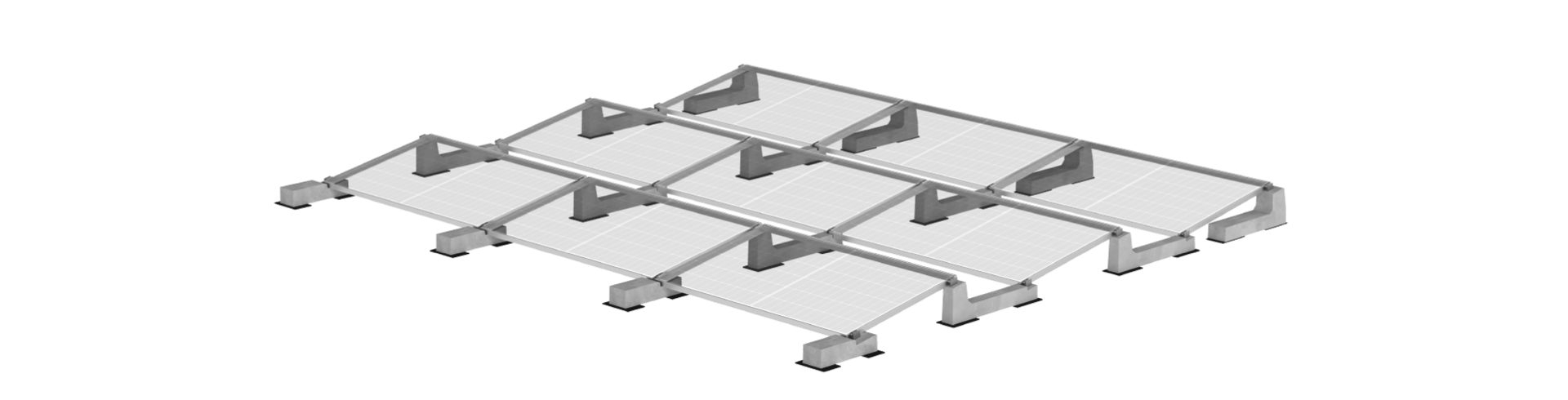
grip. When paired with a ballast-based support concept, it contributes to an efficient layout
that avoids roof penetrations, reducing waterproofing risks and simplifying approvals. This is
especially valuable on commercial buildings and industrial sheds where flat-roof photovoltaic
systems must be installed quickly without disrupting operations. Choosing the right solar panel
mid clamp means focusing on corrosion-resistant materials, compatibility with common frame
thicknesses, and reliable tightening performance. In practice, a well-designed clamp supports
clean cable management, neat module rows, and stable array geometry under wind loads. For
designers and engineers, it also means fewer variables: standardized clamping points and
repeatable assembly steps help reduce on-site improvisation. In short, the right mid clamp helps
deliver what stakeholders really want—safe, tidy, durable PV installations that are easier to
build and easier to maintain over time.
Key Features to Look For: Compatibility,
Strength, and Speed
When selecting a solar panel mid clamp for flat-roof systems,
prioritize three factors: module compatibility, structural reliability, and installation
efficiency. Compatibility starts with frame height range and the ability to work with your
mounting rails or integrated supports. A clamp that fits common PV module profiles reduces the
need for adapters and keeps your bill of materials lean. Structural reliability depends on
material quality—typically anodized aluminum with stainless steel hardware—to resist corrosion,
thermal cycling, and long-term outdoor exposure. For wind-prone rooftop environments, consistent
clamping force is crucial: it helps prevent micro-movements that can lead to noise, wear, or
gradual loosening. From an installer’s perspective, speed comes from practical details:
pre-assembled parts, intuitive positioning, and a single-tool tightening approach. These small
improvements add up across dozens or hundreds of modules, cutting labor time and reducing
fatigue on site. For technical offices, clear documentation and standardized torque values
simplify specifications and help ensure compliant installation. Related components—end clamps,
grounding solutions, and cable clips—should integrate smoothly so the whole system feels like
one engineered kit, not a patchwork of accessories. The goal is straightforward: a solar panel
mid clamp that supports quick assembly, repeatable quality, and dependable performance on
Italian flat roofs.
A Smarter Approach: Mid Clamps within
Ballasted, No-Penetration Systems
Flat-roof PV is evolving toward solutions that minimize roof risk
while maximizing productivity. In a ballasted, no-penetration approach, the solar panel mid
clamp becomes part of a broader strategy: reduce components, simplify logistics, and keep
installation clean and fast. Ballasted supports eliminate drilling, which means fewer
waterproofing concerns and fewer coordination issues with roofing layers—an immediate advantage
for installers and building owners. In this context, mid clamps help maintain precise module
alignment and consistent inter-panel spacing, improving both aesthetics and airflow. For
designers, the combination of tested ballast supports and standardized clamping hardware can
reduce calculation complexity related to loads and wind uplift, because the system is conceived
as a complete solution rather than separate parts. For distributors, it’s easier to recommend
products that are recognizable, reliable, and supported with technical guidance. If you want to
shorten installation times on Italian flat roofs without compromising safety, choose a solar
panel mid clamp that is engineered to work seamlessly within an integrated rooftop mounting
solution—one that offers technical support from design through execution, and helps you deliver
durable photovoltaic systems with fewer headaches on site.