Solar panel flat roof installations in Italy:
faster, safer, no roof penetrations
A solar panel flat roof project should never feel like a
compromise between speed, safety, and long-term roof integrity. In Italy, installers and
designers are increasingly asked to deliver reliable PV systems on membranes, bitumen, and
industrial flat roofs—often with tight timelines and strict load constraints. The challenge is
familiar: traditional fixing methods can require roof penetrations, extra waterproofing steps,
and more on-site variables. That means higher risk of leaks, longer installation times, and more
coordination headaches.
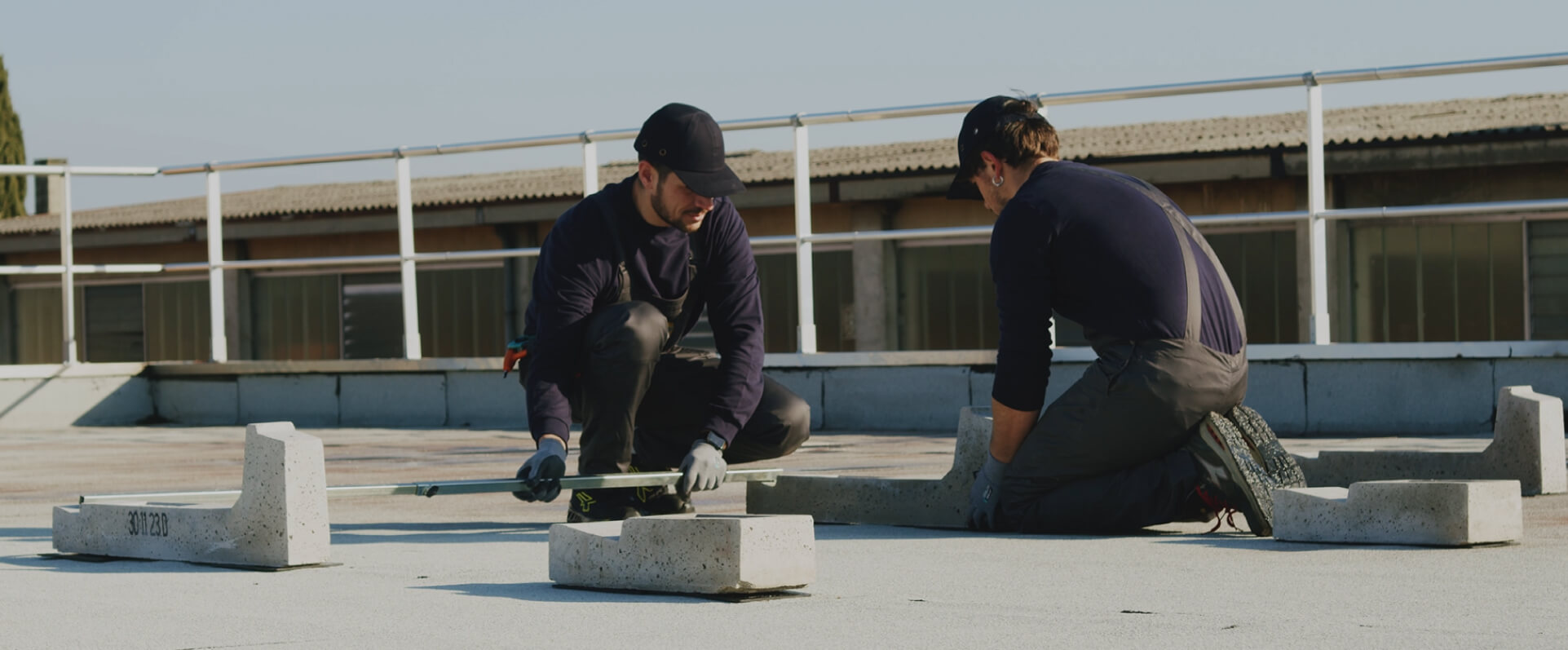
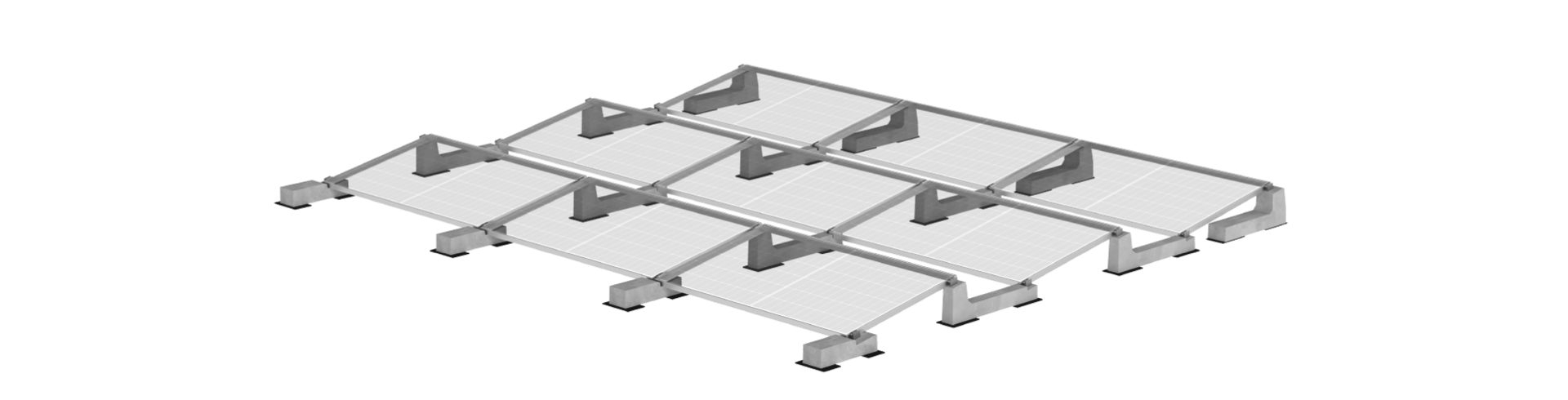
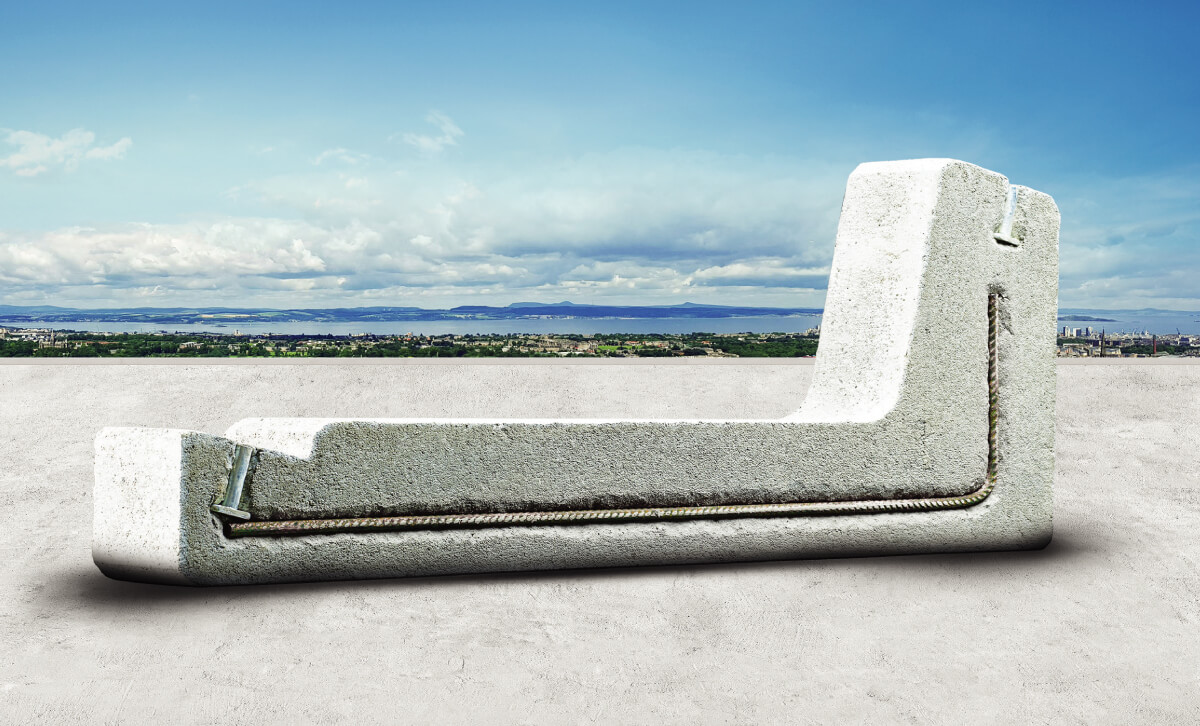
A ballast-based approach changes the workflow. Instead of drilling into the roof, concrete
ballast supports keep the photovoltaic structure stable through weight and engineered geometry.
For many flat-roof scenarios, this translates into fewer components, quicker positioning, and a
cleaner site operation—especially when you’re managing multiple arrays across large surfaces.
With the right mounting system, you can align tilt angles and row spacing efficiently, reduce
assembly steps, and keep the roof layer intact.
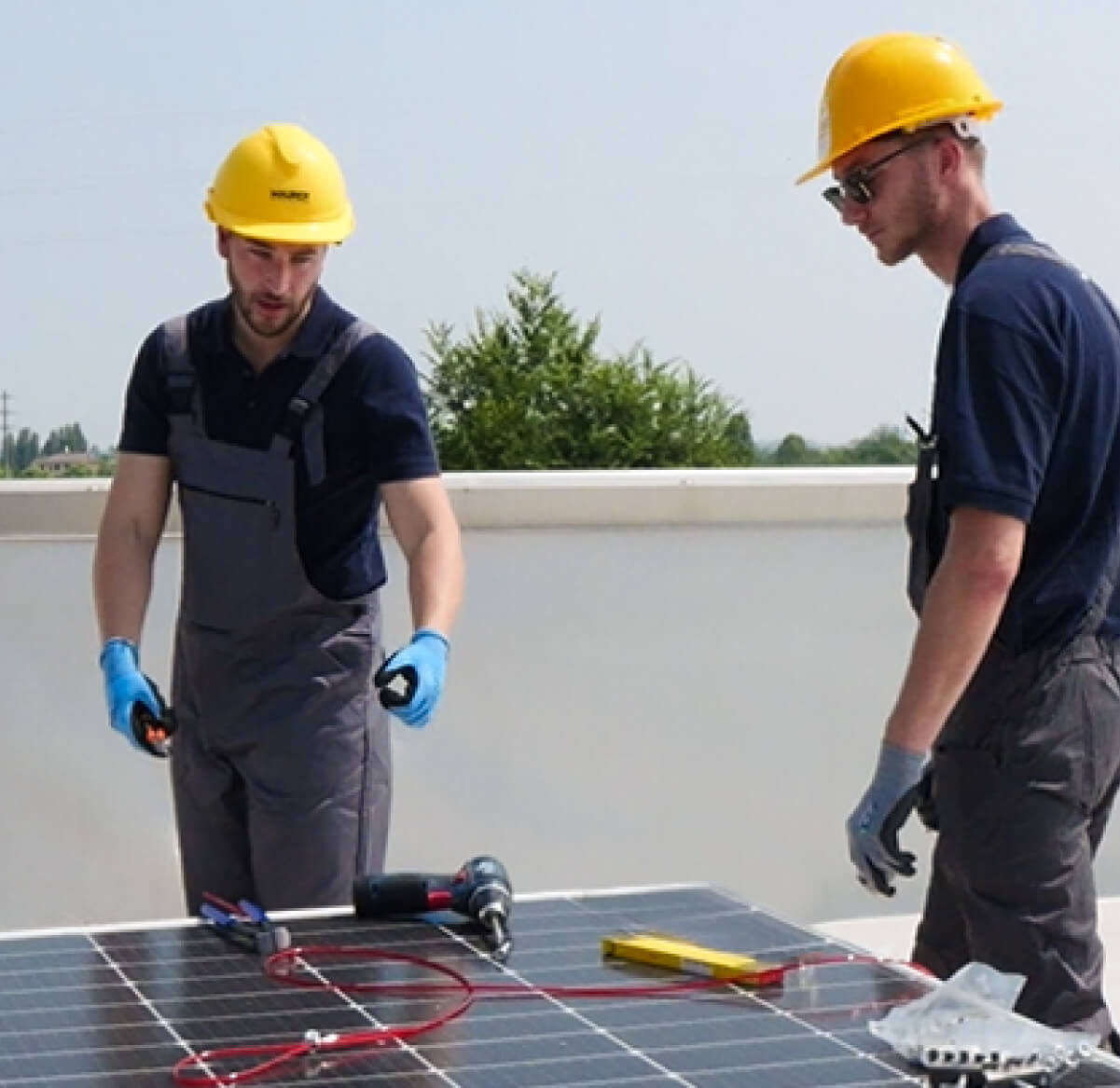
For professionals, the value is practical: predictable installation times, simplified logistics,
and a repeatable method that helps crews work confidently. For technical teams, it means having
tested solutions and clear data to handle wind actions, roof loads, and layout constraints. If
your next solar panel flat roof job aims to be profitable and low-risk, choosing a dedicated
flat-roof ballast mounting solution is one of the smartest decisions you can make.
Why concrete ballast mounting is a better fit
for flat roofs
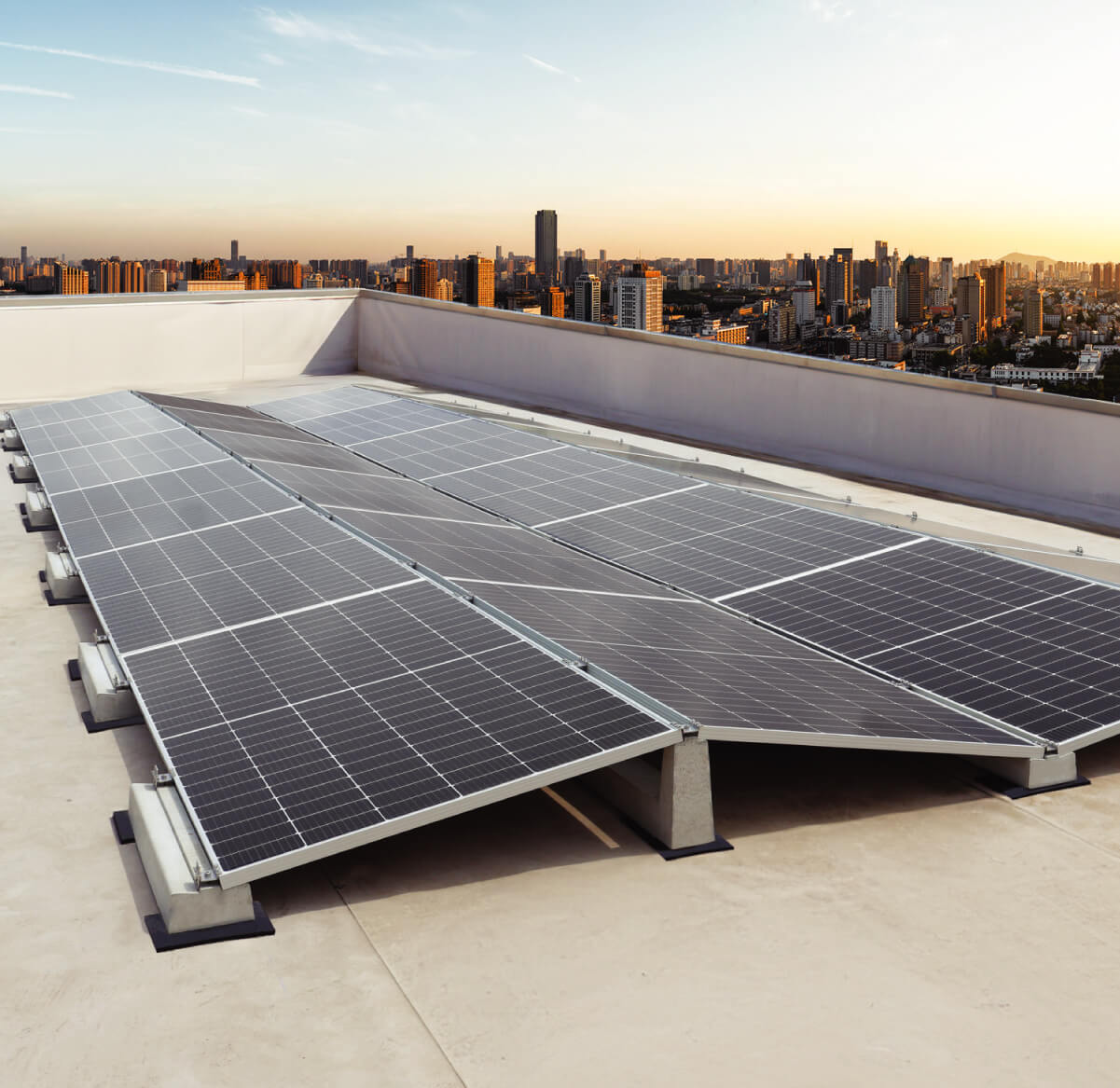
Concrete ballast PV mounting systems are designed to deliver
stability without puncturing the waterproofing layer. On a solar panel flat roof, that advantage
is immediate: you protect the roof, reduce the chance of future maintenance claims, and
streamline commissioning. Because the supports are pre-engineered, crews typically handle fewer
parts on the roof, making training simpler and installation more consistent across sites.
From an engineering perspective, ballast solutions support proper system dimensioning: wind
exposure, parapets, building height, and permissible loads can be addressed with technical
documentation and project-specific checks. This is crucial for designers who need dependable
inputs and want to reduce responsibility risks. For distributors, a recognizable,
easy-to-explain solution with steady market demand is easier to move.
Most importantly, ballast mounting helps you keep control on site. Fewer drilling operations,
fewer waterproofing steps, and fewer surprises. The result is a solar panel flat roof
installation process that is cleaner, faster, and more scalable—especially for warehouses and
industrial buildings common across Italy.
A complete B2B solution: design support,
sizing, and execution-ready layouts
A strong solar panel flat roof outcome depends on more than
hardware. Installers need a system that’s quick to deploy, while engineers need verified
performance and clear sizing criteria. That’s why a complete B2B approach matters: technical
support during design, help with system sizing, and commercial assistance that follows the
project through to execution.
With execution-ready layouts, you can plan array geometry, tilt selection, and row spacing to
balance energy yield and shading management. You can also anticipate roof load distribution and
installation sequencing—key details that keep crews efficient and prevent costly rework. When
the mounting solution is built around simplicity and reliability, teams can standardize
processes across projects and scale faster.
If you want to win more tenders and deliver consistently, focus on a solar panel flat roof
strategy built for real jobsite conditions: no-drill installation, durable concrete ballast
supports, and professional-grade technical guidance from early design to final installation.