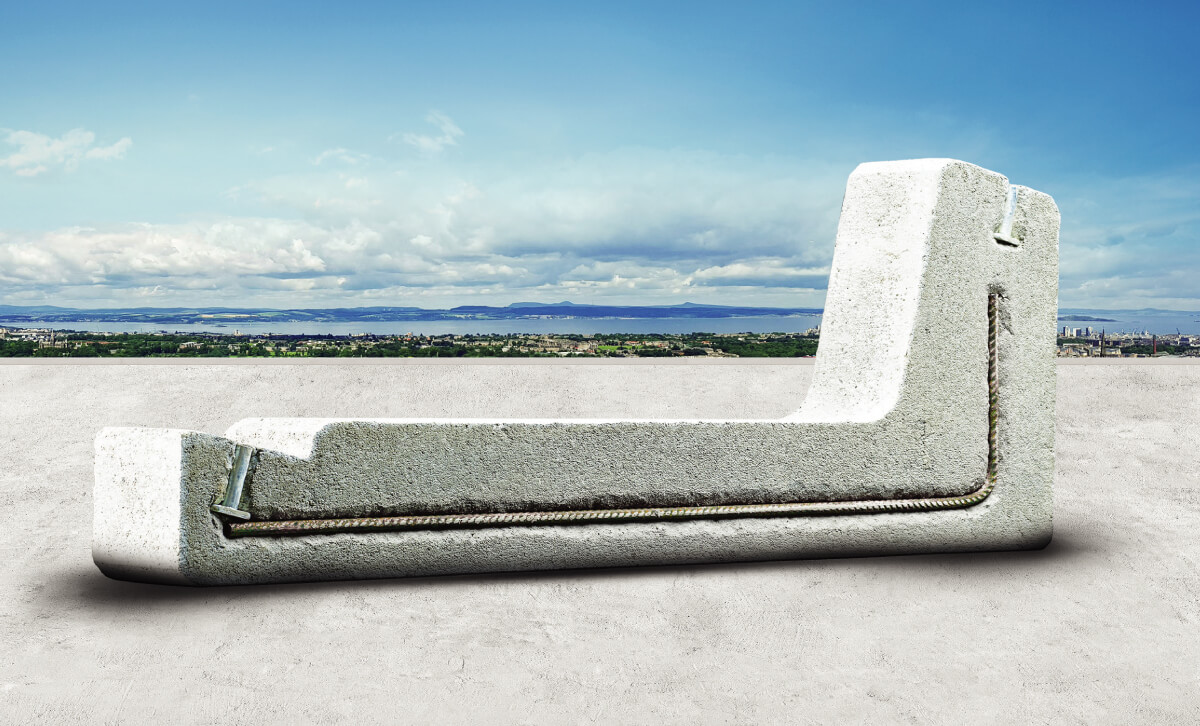
Why Solar Panel Flat Roof Mounting Ballast Is
the Smart Choice in Italy
In Italy, flat roofs on industrial buildings, warehouses, and
commercial sites are ideal for photovoltaics—yet they often come with one big constraint: you
can’t afford leaks, weak points, or long installation times. That’s why solar panel flat roof
mounting ballast is becoming the go-to solution for professional PV installers and designers. By
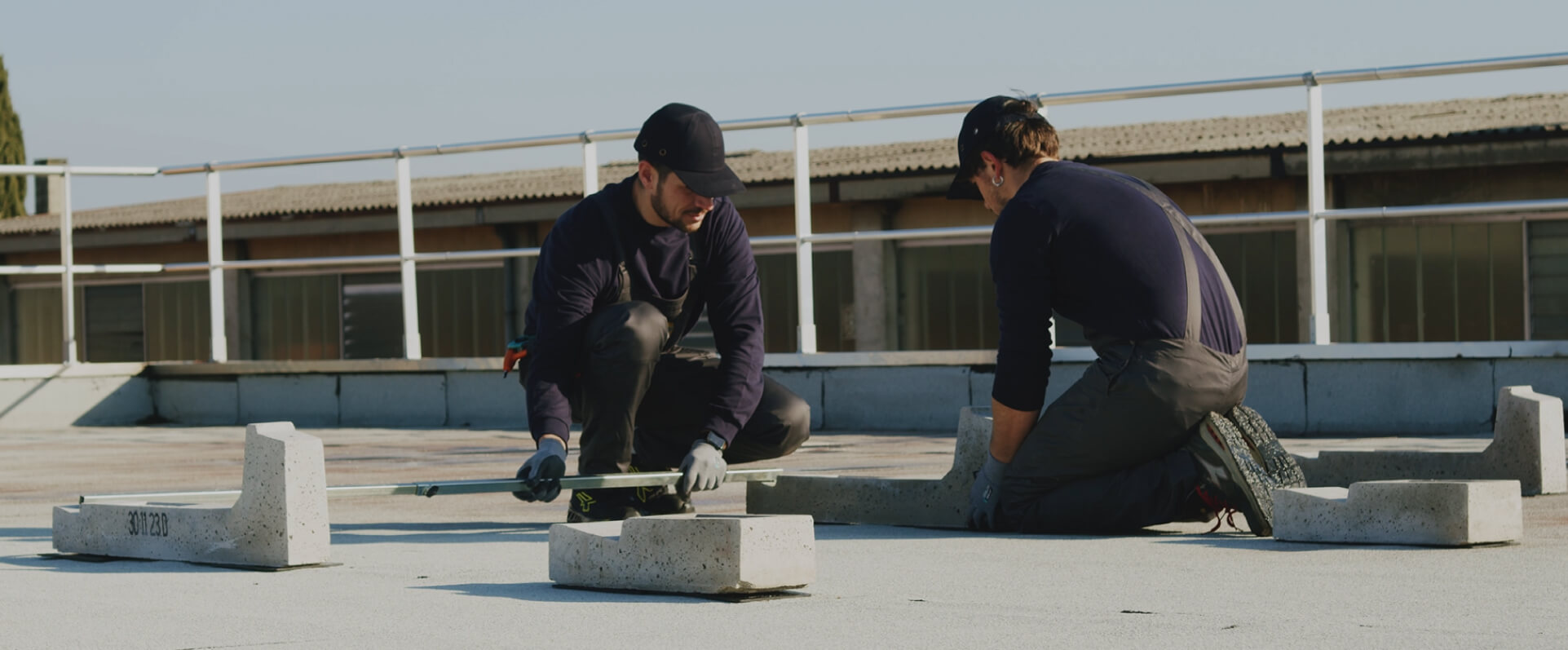
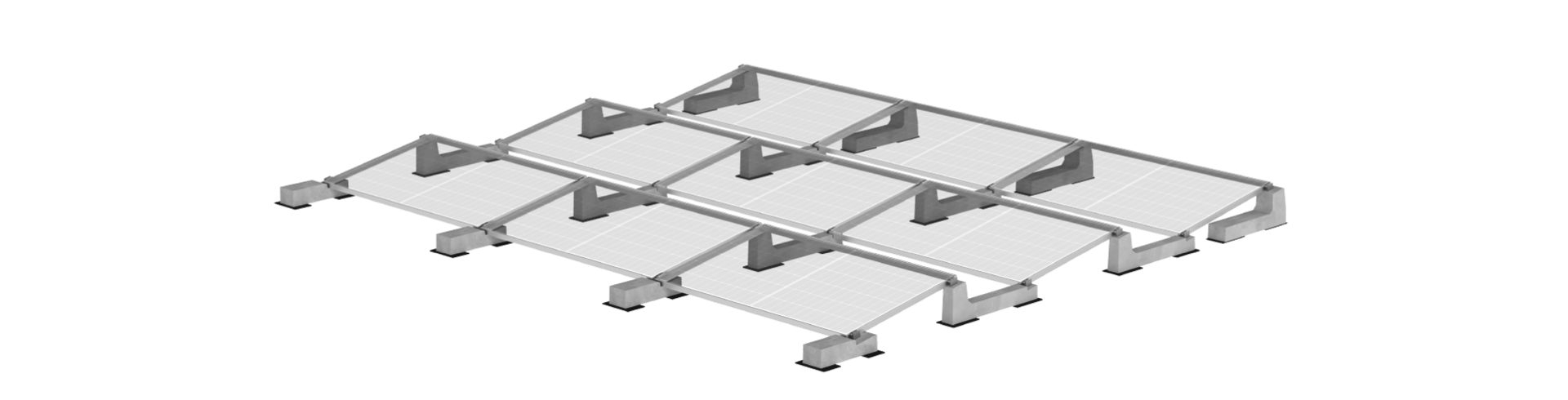
using concrete ballast blocks instead of roof penetrations, you can secure modules without
drilling the waterproof membrane, reducing risk and simplifying site work. The result is a
cleaner workflow: fewer components, fewer tools, and fewer surprises during installation. Beyond
speed, ballast mounting helps improve consistency across projects, especially when working on
large rooftop arrays where repeatability matters. For engineers and technical offices, it also
means using a tested approach that supports safer load management on the roof structure. If your
priority is a reliable flat roof PV mounting solution that protects the building envelope and
keeps crews productive, ballast-based systems provide a practical, proven path from design to
commissioning.
Faster Installation, Less Risk: Benefits
Installers Actually Feel
Every hour on the roof costs money, and every penetration
increases responsibility. With solar panel flat roof mounting ballast, crews can position
supports, place modules, and complete rows quickly—without waiting for complex anchoring steps.
No drilling translates to fewer waterproofing concerns and less coordination with other trades.
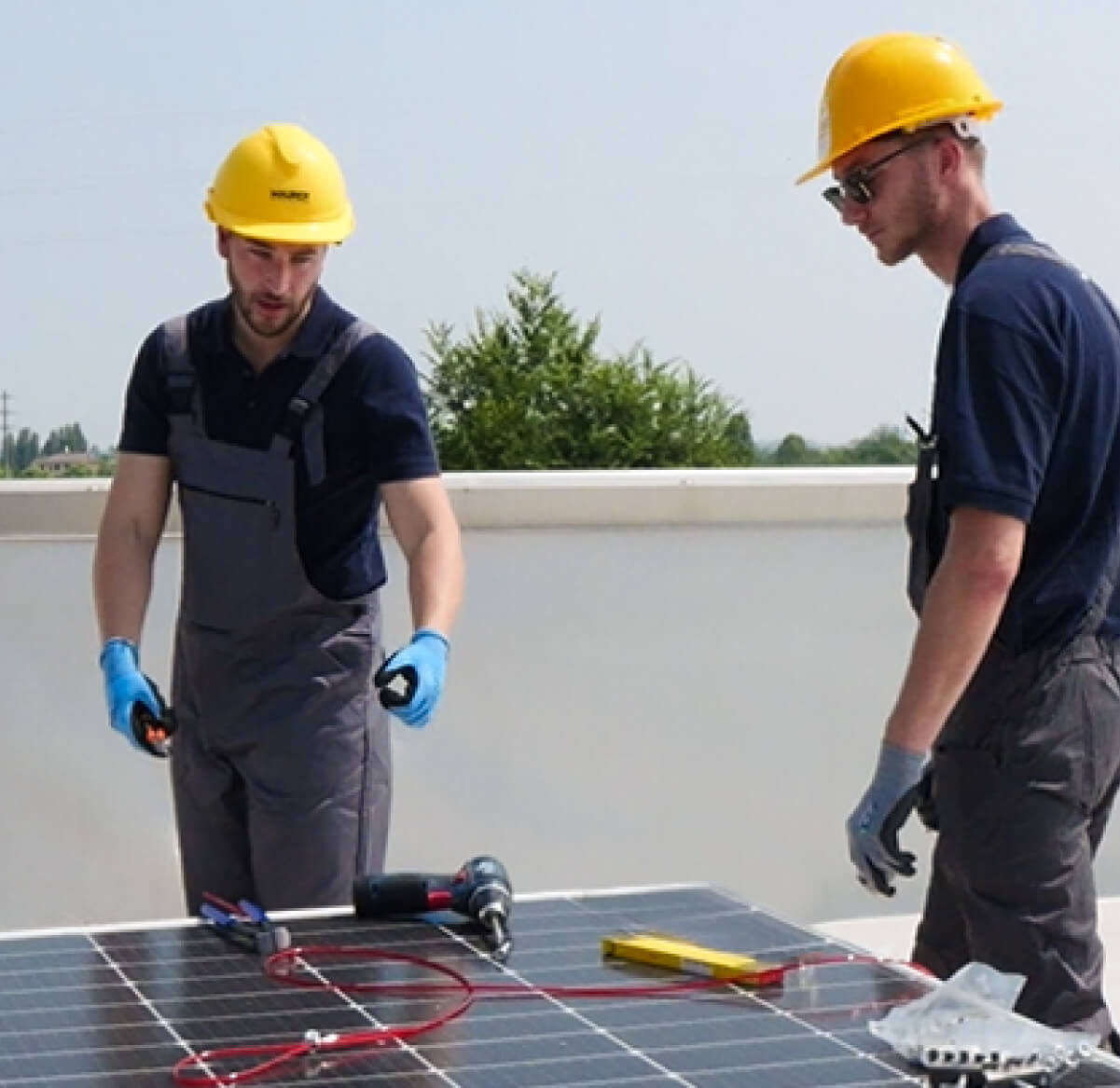
Installers appreciate the intuitive assembly and reduced hardware count, while project managers
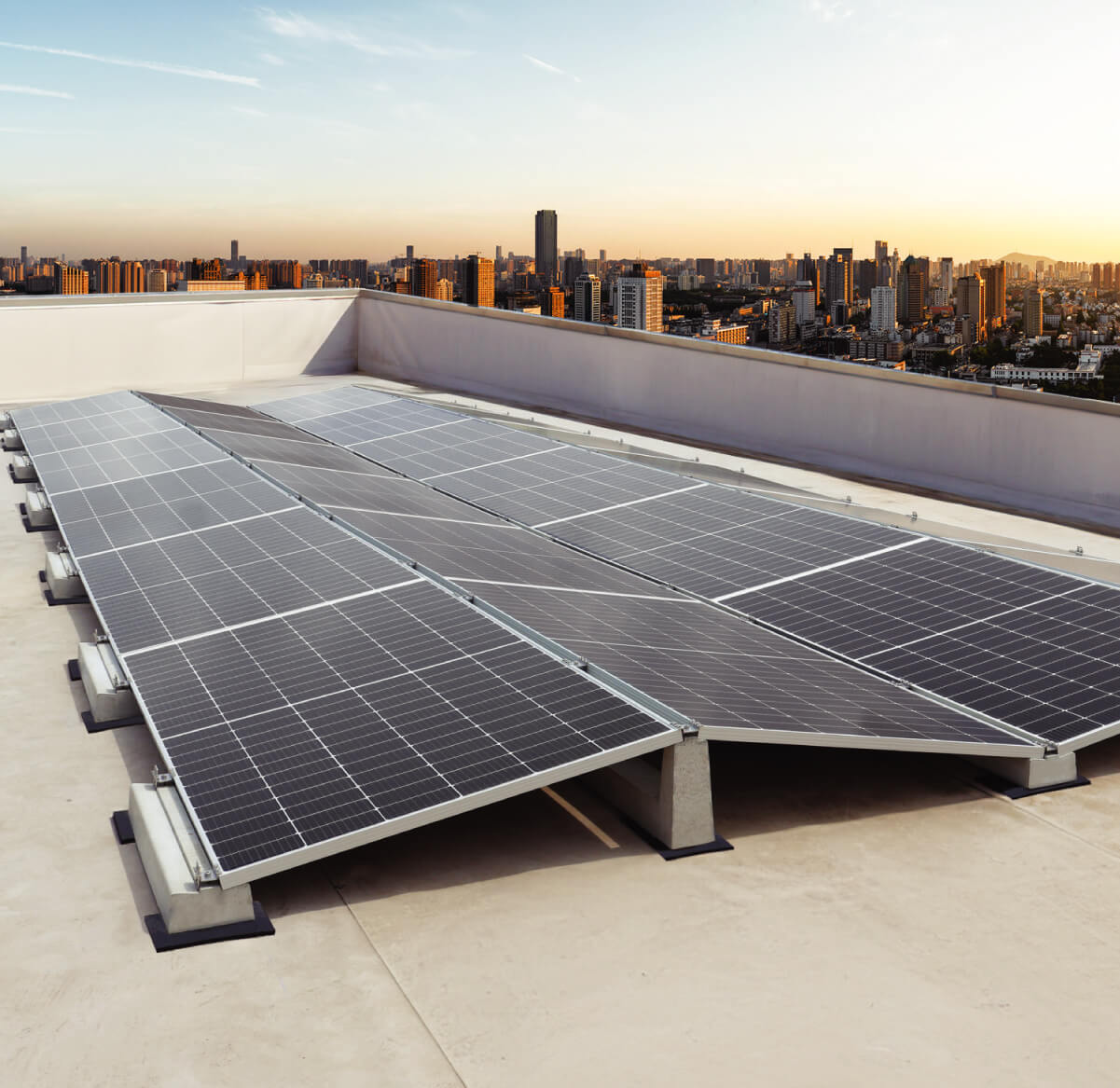
like the predictable timelines. For common Italian wind conditions, a well-designed ballasted PV
mounting system can provide strong stability when properly sized and laid out. The approach is
also helpful when you need to work around rooftop obstacles, parapets, or service areas,
enabling flexible layouts without overcomplicating the structure. In short: less time spent
solving problems, more time delivering completed systems.
Design Support and Correct Sizing for Wind and
Loads
A successful ballast solution depends on correct engineering: wind
exposure, building height, roof zones, module orientation, and load distribution all matter.
That’s why a complete solar panel flat roof mounting ballast solution should come with technical
assistance—support during the design phase, reliable data for sizing, and guidance through
project development up to execution. For designers and engineers, having access to verified
specifications and a partner mindset reduces uncertainty and helps manage responsibility. For
distributors, it’s easier to propose a recognizable, in-demand flat roof solar mounting option
when documentation and support are clear. If you want to streamline PV projects in Italy with a
solution built for speed, safety, and practicality, choose a ballasted mounting approach
designed specifically for flat roofs—so you can install with confidence and scale your work
efficiently.