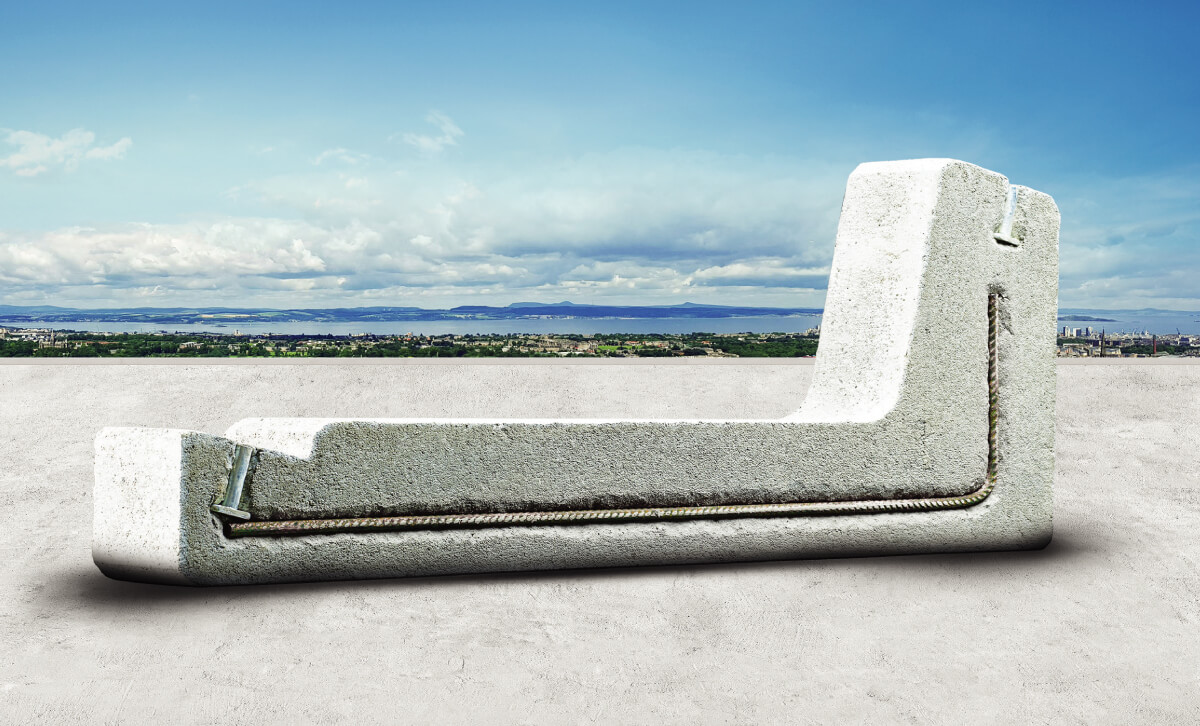
Why a Non-Penetrating Flat Roof Mounting
System Makes Sense
Choosing the right solar panel flat roof mounting system can be
the difference between a smooth installation and days of delays on site—especially on Italian
commercial and industrial roofs where waterproofing integrity is critical. A non-penetrating
ballast-based solution helps you avoid roof perforations, reducing the risk of leaks and
eliminating many of the headaches tied to anchors, membranes, and complex sealing procedures.
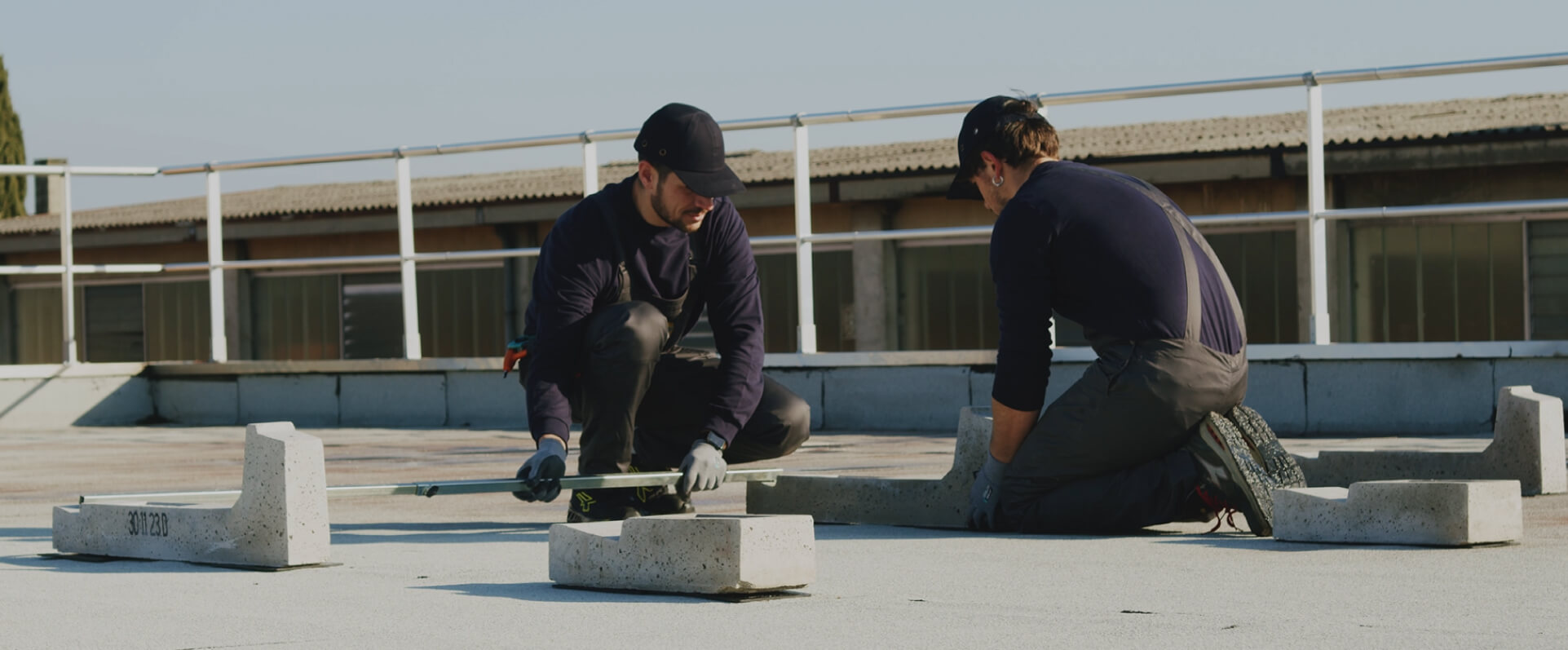
For installers, this means fewer components to manage, faster assembly, and a cleaner workflow
from delivery to commissioning. For designers and engineers, the advantage is clarity:
pre-engineered configurations, predictable dead loads, and reliable technical data that supports
wind and structural checks. Distributors also benefit from a product category with steady demand
and an easy-to-explain value proposition: quicker installs, lower roof risk, and repeatable
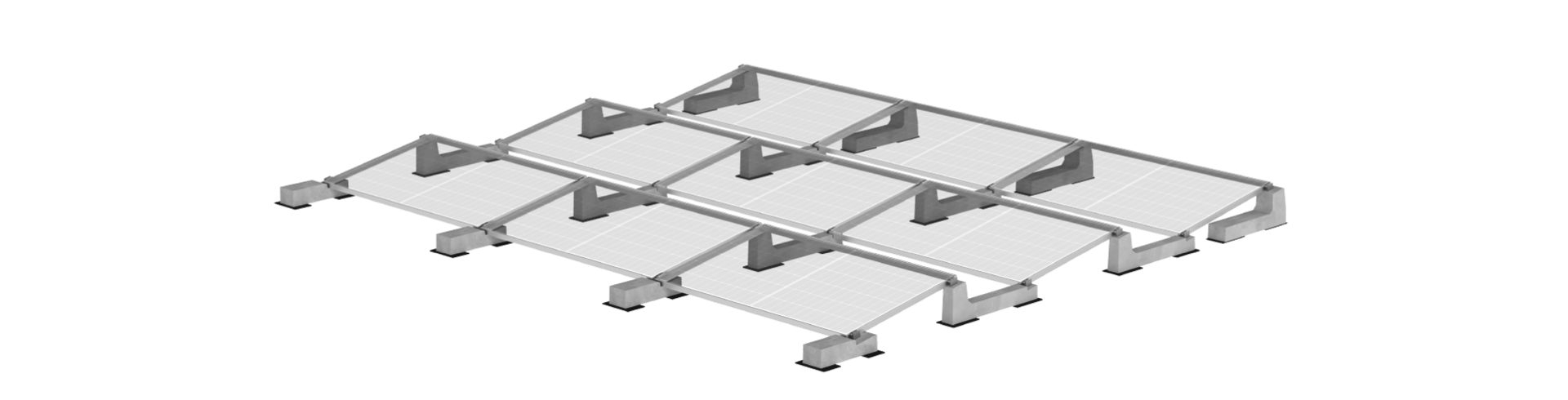
results. When the mounting structure is built around concrete ballast blocks, the system can be
positioned with minimal disruption, often allowing more flexibility with panel orientation and
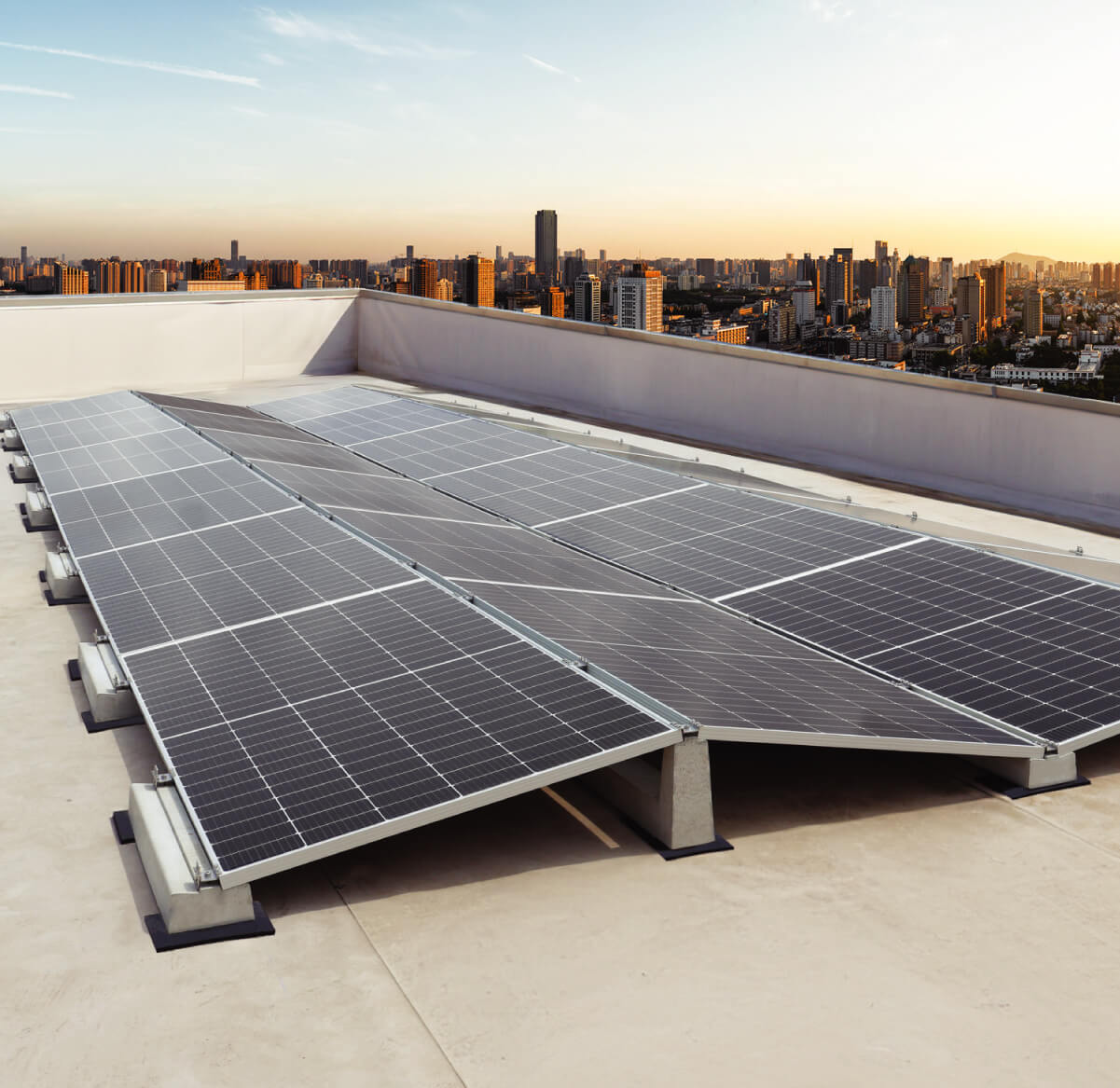
layout. The outcome is simple: a flat roof PV installation that feels less like a custom
construction job and more like a streamlined system. If your priority is speed, safety, and
long-term reliability, a ballast solution is a practical approach for many Italian
rooftops—helping teams deliver quality work while keeping timelines under control.
Key Benefits Installers and Engineers Look For
A high-performing solar panel flat roof mounting system should
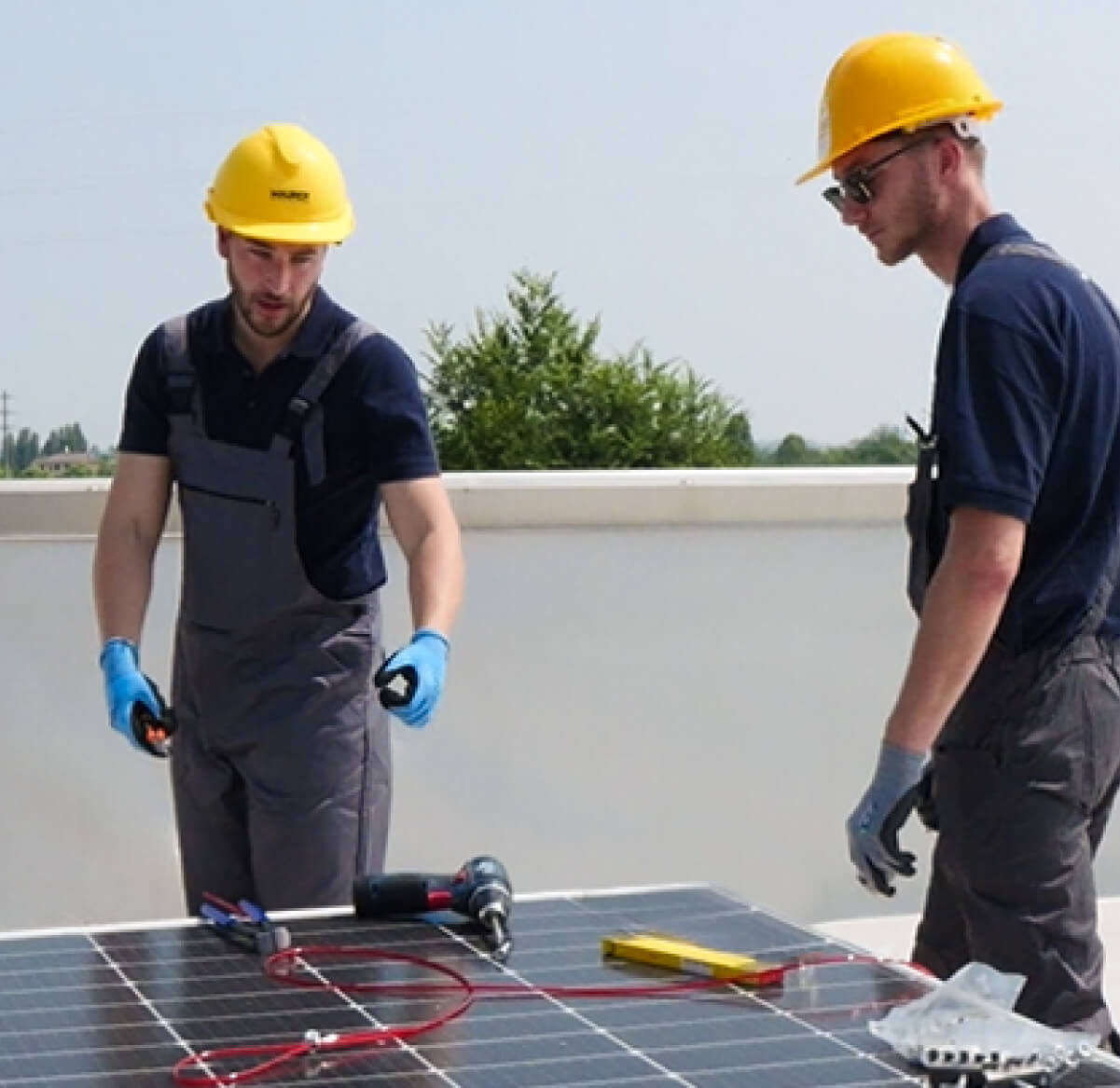
reduce on-site complexity without compromising safety. Installers typically value intuitive
assembly, minimal hardware, and fewer steps that can trigger errors under time pressure. With a
ballast approach, there’s no drilling through the roof covering, which can significantly cut
risk management tasks and simplify coordination with building owners. Engineers and technical
offices need trustworthy inputs: load distribution, wind resistance logic, and tested solutions
that support responsible project choices. A well-designed system offers standardized
configurations, clear documentation, and practical support during planning and sizing. That
support can be crucial when evaluating uplift, parapet effects, and roof load limits—common
concerns on flat roofs across Italy. For commercial partners, it’s also important that the
product is consistent, available, and backed by knowledgeable technical guidance. In short, the
best solutions combine robust materials, proven durability, and a system mindset: not just
parts, but a repeatable method that makes photovoltaic projects easier to execute.
A Complete Approach: From Design Support to
On-Site Efficiency
Professionals in Italy often don’t need “just a structure”—they
need a partner-style process that reduces uncertainty from the first layout to final
installation. A modern solar panel flat roof mounting system built around concrete ballast can
deliver exactly that: fast positioning, stable support, and installation without roof
penetrations. Beyond the product itself, real value comes from technical assistance during
design, help with system sizing, and guidance that keeps projects moving toward execution. This
approach saves time for installers who want fewer surprises on site, and it lowers the burden on
engineers who must document choices and verify performance. The result is a flat roof PV
solution that feels dependable in everyday work: fewer parts to lose, fewer steps to redo, and
fewer risks tied to waterproofing. If you’re planning multiple installations or managing tight
schedules, focusing on a non-penetrating, ballast-based mounting strategy can improve
productivity while maintaining high standards of safety and durability—exactly what today’s
market expects.