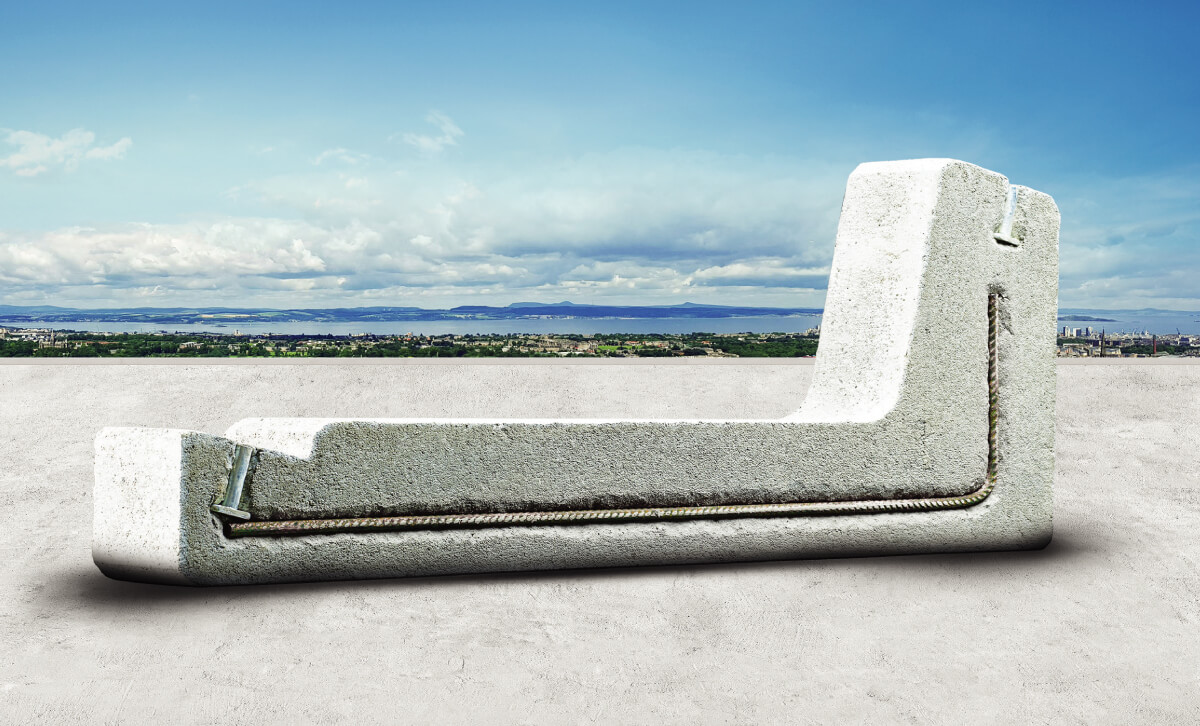
A smarter solar panel holder for flat roofs in
Italy
Choosing the right solar panel holder is one of the fastest ways
to improve the quality and profitability of a flat-roof PV installation in Italy. Installers and
designers know the real challenge isn’t just placing modules—it’s managing waterproofing risk,
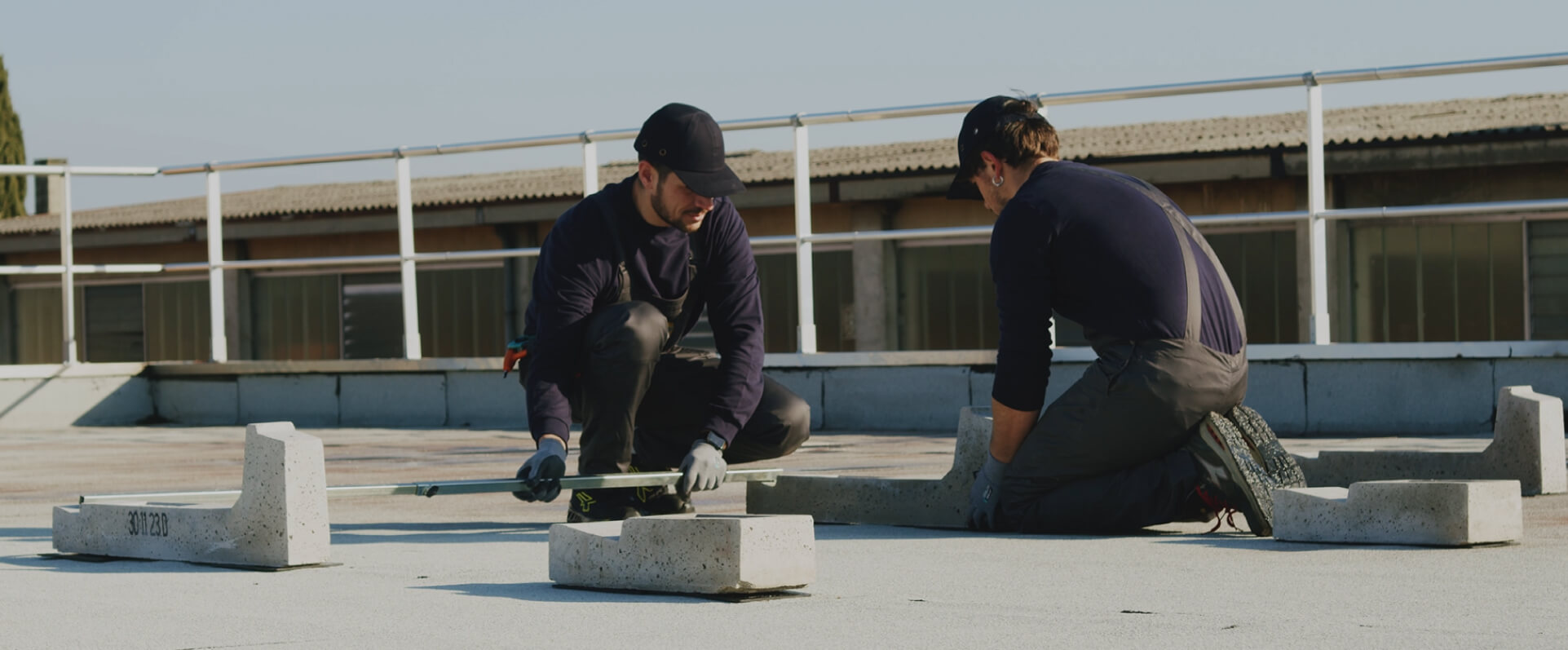
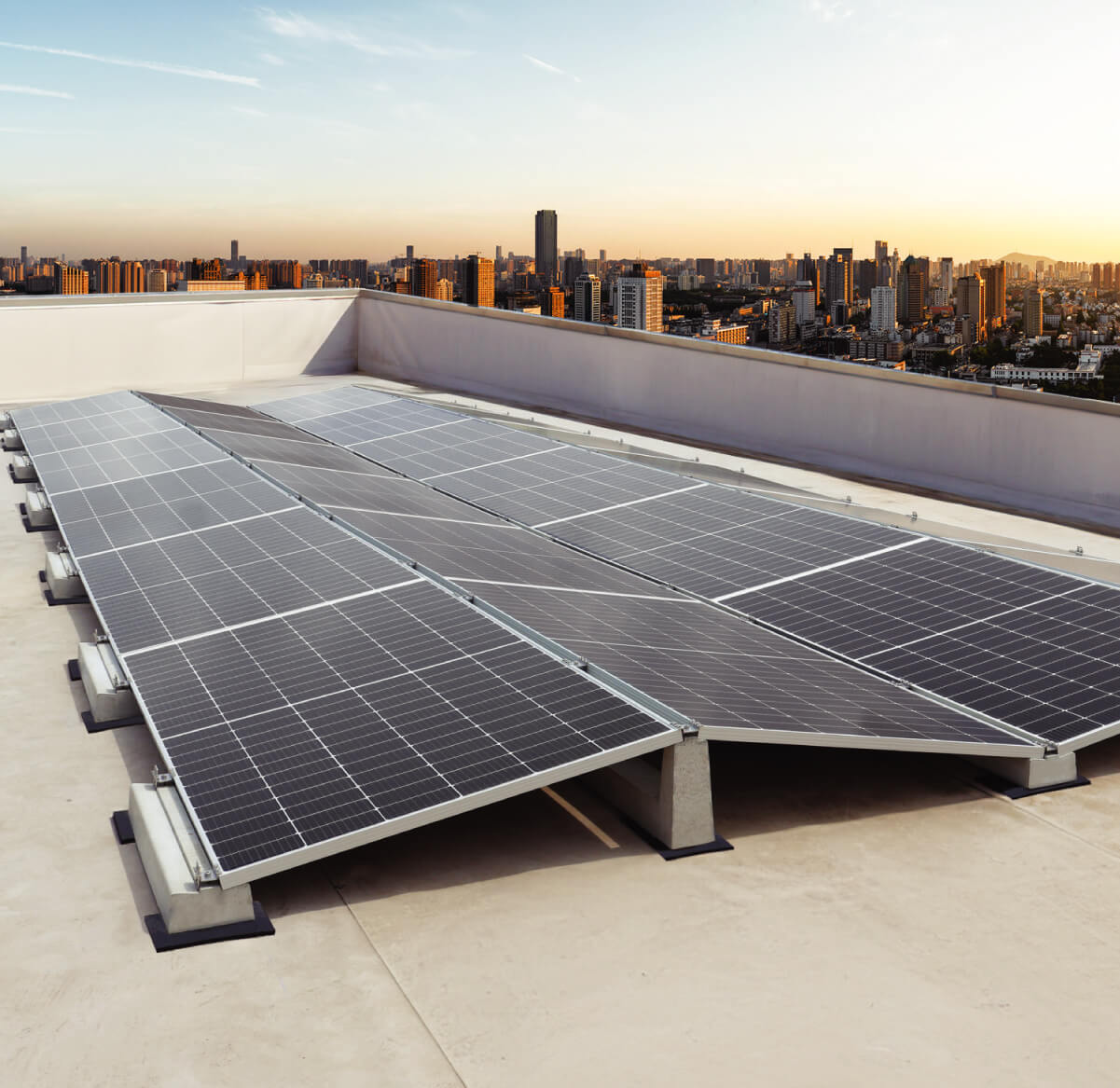
wind loads, and site time without overcomplicating the structure. A ballast-based mounting
system solves a common pain point: installing panels without drilling the roof membrane. That
means fewer potential leaks, less paperwork around roof penetrations, and a cleaner workflow on
site. For professionals, a well-designed solar panel holder should feel like a complete PV
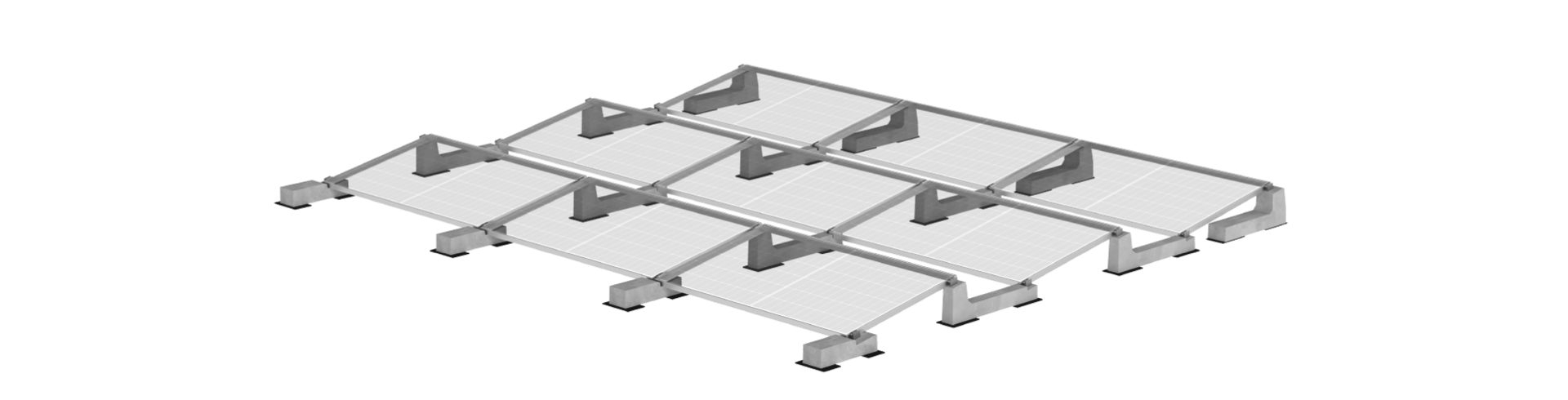
mounting solution, not a box of parts. Look for features such as integrated concrete ballast
blocks, simplified assembly, and layouts that adapt to typical industrial roofs. When the
structure is intuitive, teams work faster, mistakes drop, and commissioning becomes smoother.
For technical offices, it’s equally important to have dependable data for sizing, load
distribution, and wind resistance, with solutions that have been tested and used in real
installations. If your goal is to deliver flat-roof photovoltaic projects that are safe,
repeatable, and efficient, the right solar panel holder becomes a strategic choice—not a
commodity. In today’s market, speed and reliability win bids, protect margins, and keep your
clients confident in the long-term performance of their PV plant.
Why installers prefer no-penetration PV
mounting
On flat roofs, every penetration is a potential future problem. A
no-drill solar panel holder based on concrete ballast reduces that risk immediately by avoiding
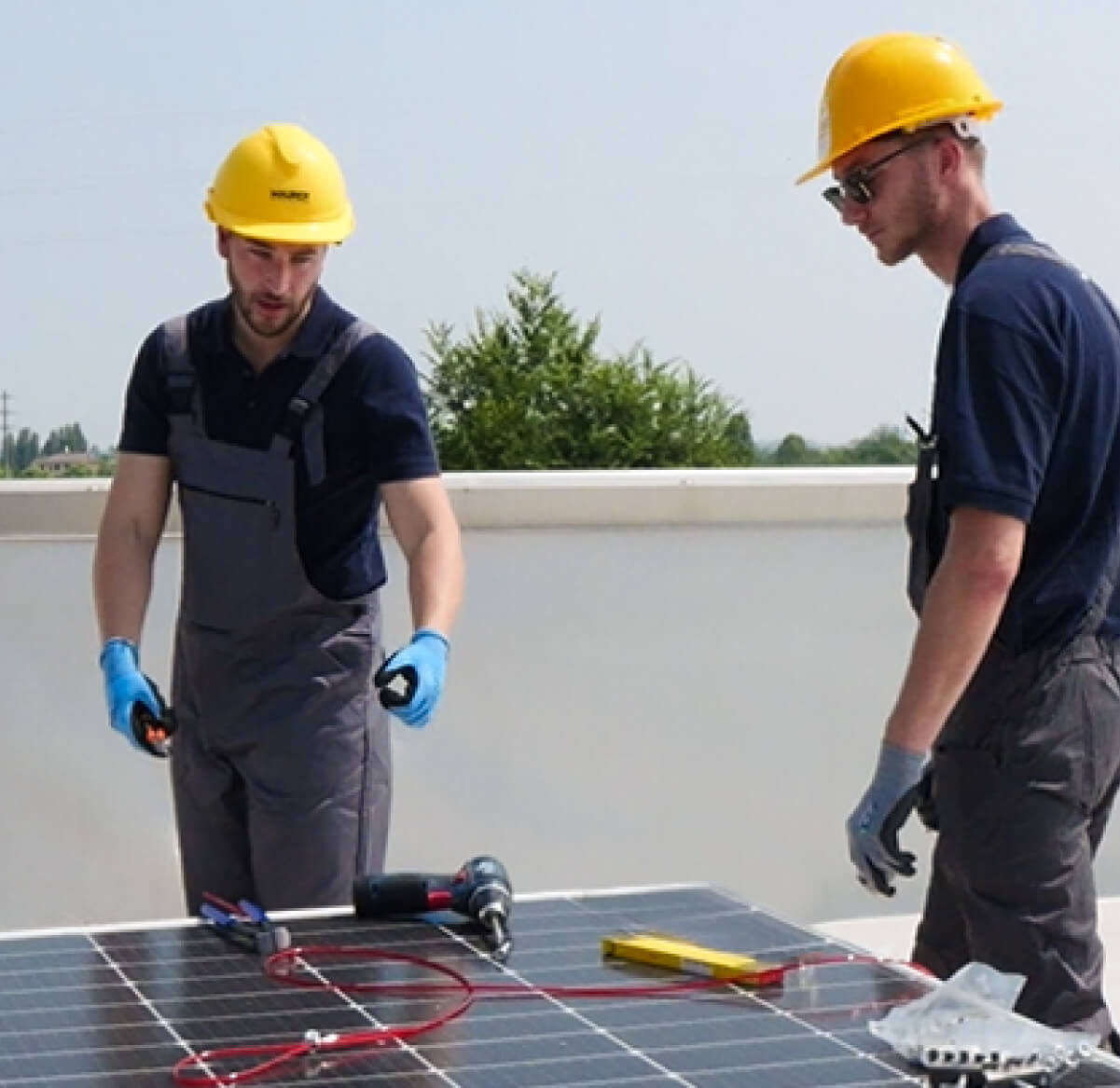
mechanical fixings through the roofing layer. For installers, this translates into faster
installation times, fewer components to manage, and simpler crew training. Less time spent
aligning rails and sealing penetrations means more time completing arrays and moving to the next
job. It also helps reduce on-site uncertainty when roofing conditions are unknown or when
building owners are concerned about warranties. From a practical standpoint, ballast PV systems
are designed to provide stability through weight and smart geometry, supporting common module
orientations and optimizing the use of available roof area. With fewer steps and a repeatable
method, you can improve productivity across multiple sites. The result is a cleaner installation
process that supports higher daily output, lowers the chance of call-backs, and keeps projects
on schedule—especially important for B2B rooftops like warehouses, logistics centers, and
industrial buildings across Italy.
Technical support and sizing: the advantage
for engineers and distributors
A solar panel holder should come with more than hardware: it
should come with engineering confidence. Designers and technical offices need reliable inputs
for wind exposure, roof loads, and system configuration. Having technical support during design,
plus assistance with PV system sizing and project development through execution, reduces
responsibility risk and speeds approvals. For distributors and wholesalers, a recognizable,
easy-to-explain flat-roof mounting solution is easier to sell because it answers the top buyer
concerns: durability, simplicity, and installation speed. Concrete ballast solutions are valued
for solid construction, long service life, and a straightforward bill of materials. If you’re
specifying or supplying mounting structures in Italy, prioritize a solar panel holder that is
tested, field-proven, and supported by a partner mindset—so you can deliver safer projects,
minimize complexity, and help customers adopt rooftop solar with fewer operational headaches.