A Smarter Solar Panel Fastening System for
Flat Roofs
Choosing the right solar panel fastening system can make or break
a flat-roof PV project—especially in Italy, where installers and designers often work under
tight timelines and strict performance expectations. Traditional fixing methods may require roof
penetration, adding waterproofing risks, extra labor, and long-term maintenance concerns. A
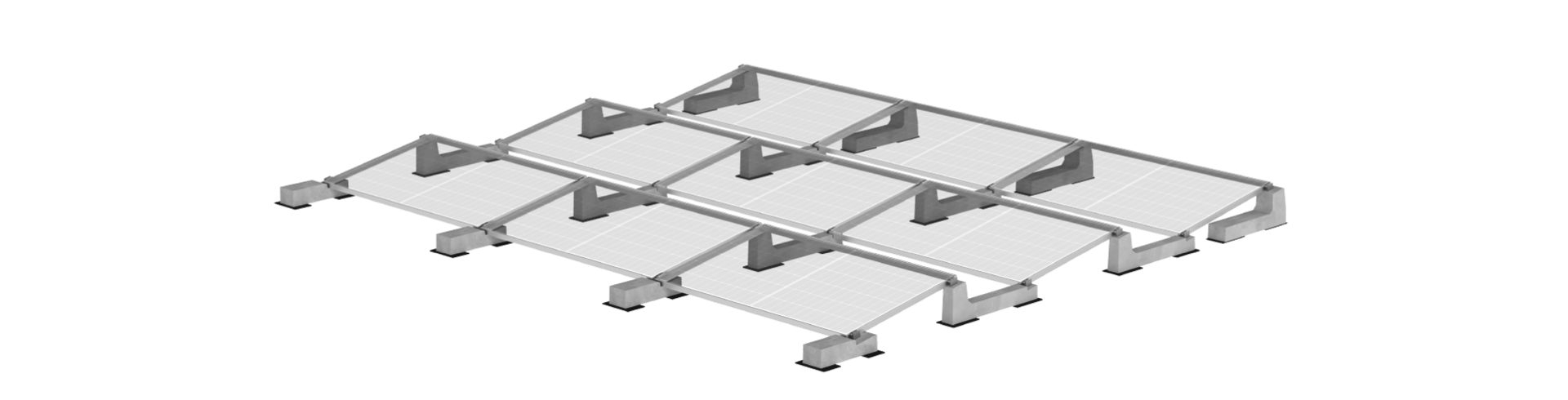
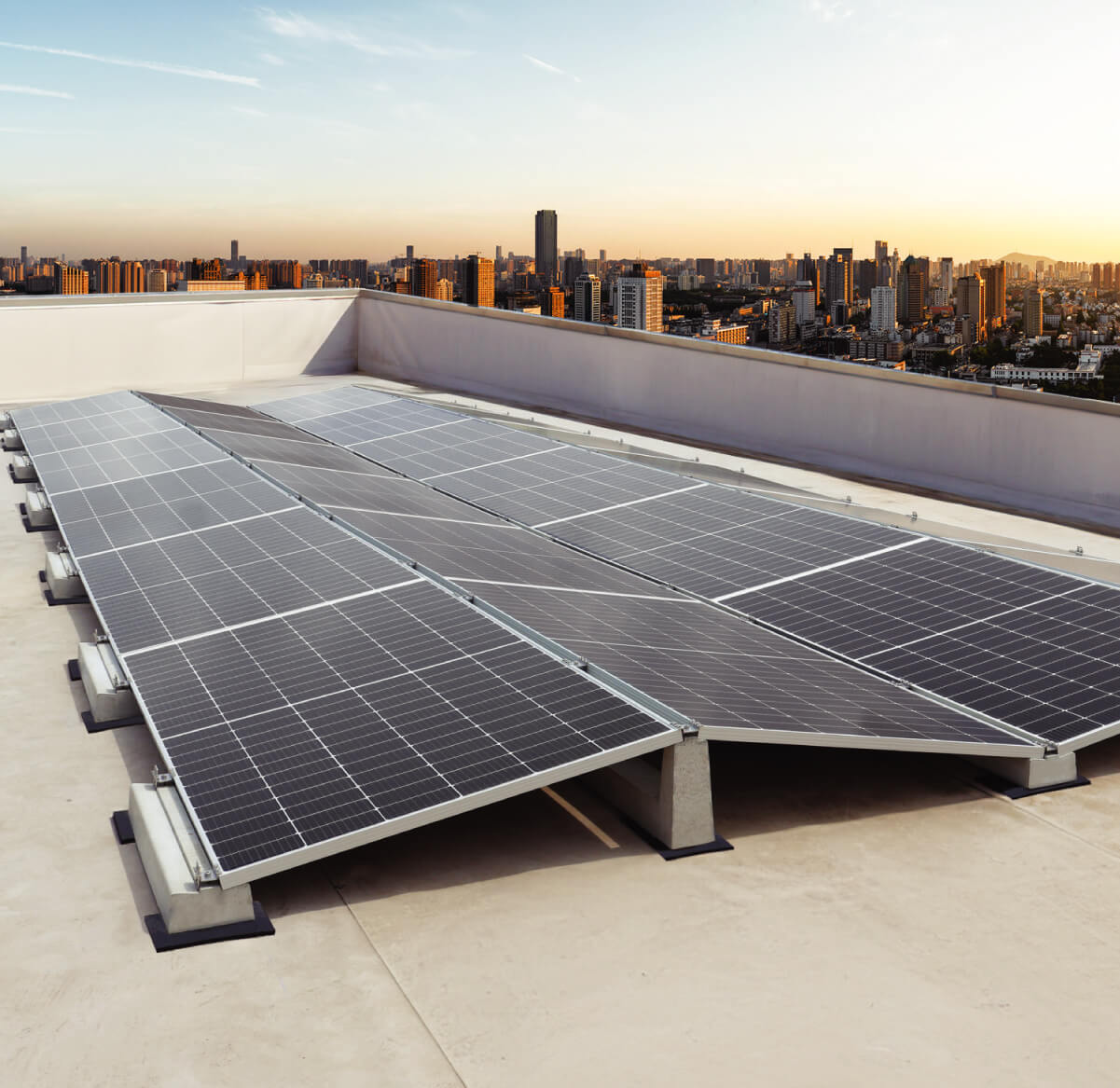
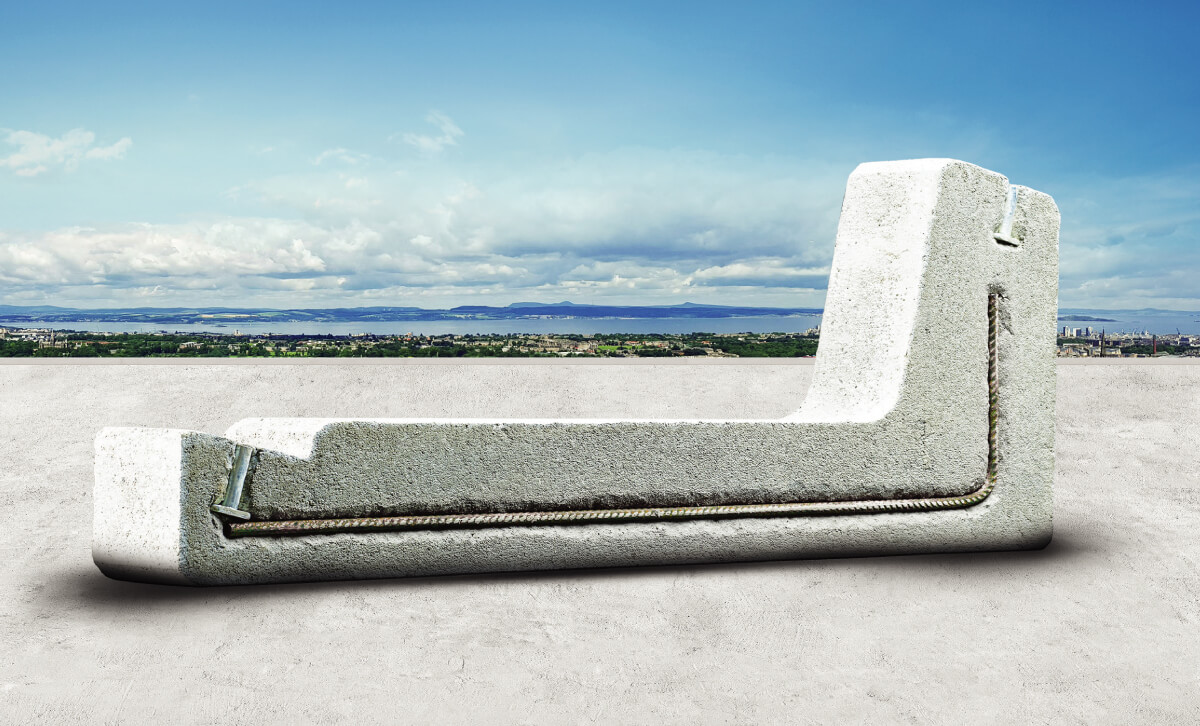
ballasted approach changes the game: concrete weights hold the PV structure in place without
drilling the membrane, reducing the chance of leaks and simplifying site operations. For
installers, that means fewer components to manage, quicker positioning of modules, and a cleaner
workflow from pallet to rooftop. For engineers and technical offices, it means a fastening
system that can be supported with reliable data for wind loads, roof loads, and layout
optimization. And for distributors, it’s a product category that’s easier to explain and easier
to stock because the solution is straightforward. If your goal is to speed up installation,
reduce on-site complexity, and increase confidence in long-term stability, a no-drill, ballasted
solar mounting solution is one of the most practical choices for flat roofs today.
Why Installers Prefer No-Drill, Ballasted
Fastening
On a flat roof, every minute matters. A solar panel fastening
system built around pre-cast ballasts helps crews move faster: fewer fixings, fewer tools, and
less time spent aligning complex frames. Because there’s no need to perforate the roof covering,
you also avoid the typical headaches—sealants, flashing details, and post-install leak checks.
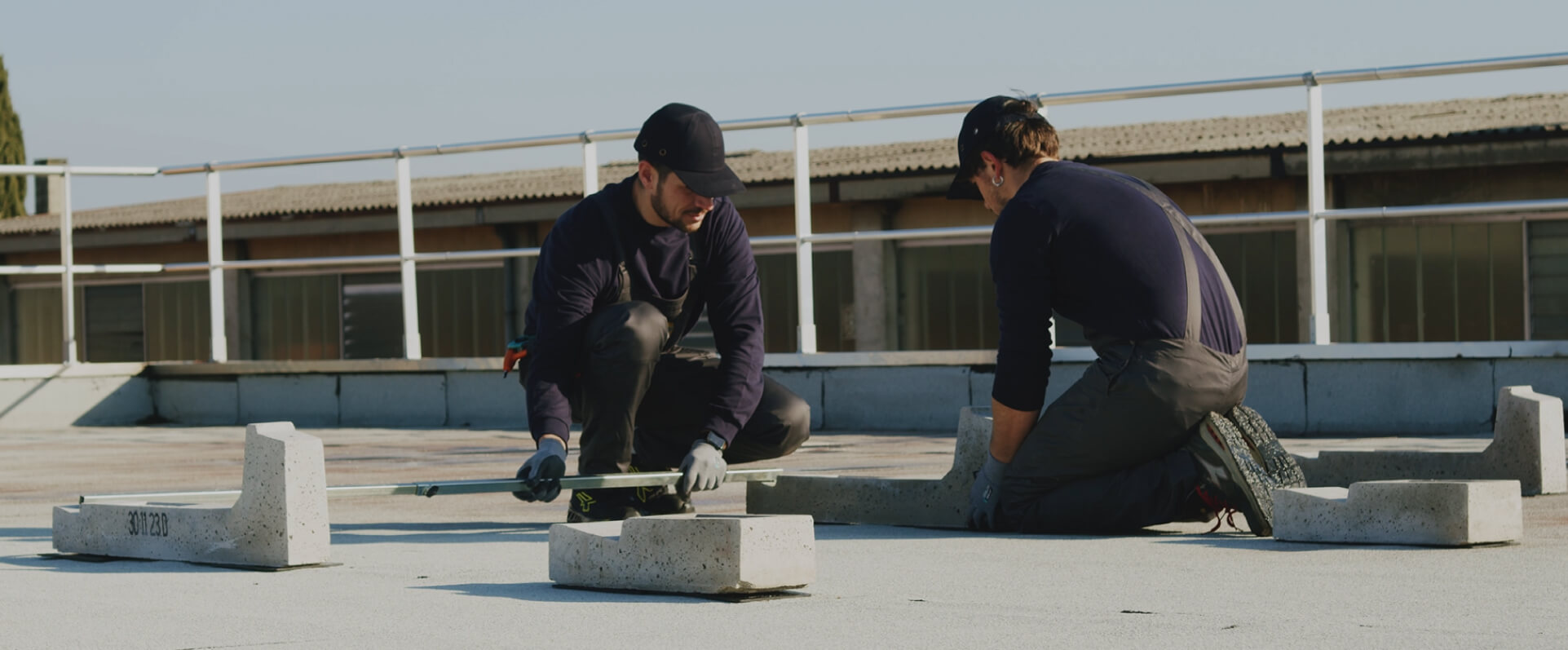
This approach supports safer, more predictable work: set the ballast, position the structure,
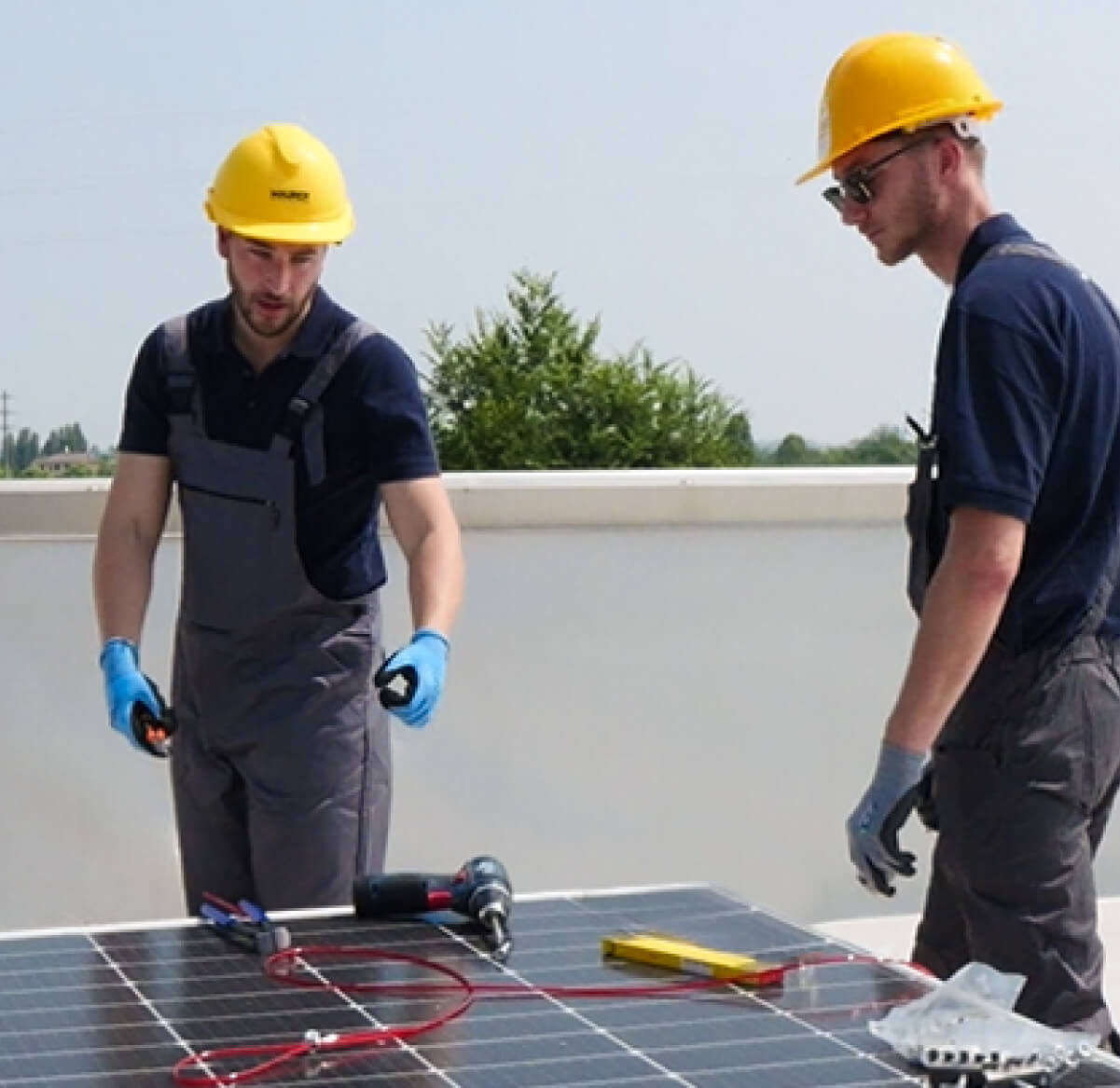
clamp the modules, and repeat. The result is a streamlined PV mounting process that reduces crew
fatigue and keeps projects on schedule. It’s also a strong option for retrofit jobs where the
roof condition is uncertain or where building owners want minimal disruption. When the fastening
method is simple, the whole installation becomes more scalable—ideal for installers managing
multiple commercial rooftops, warehouses, and industrial buildings across Italy.
Technical Support and Design Confidence for
Professionals
A dependable solar panel fastening system isn’t only about
hardware—it’s about getting the design right from the start. Professionals need clear
documentation, tested configurations, and support for system sizing: wind action, ballast
requirements, roof load distribution, and optimal tilt and spacing. A solution that comes with
technical assistance during design and continues through project execution reduces
responsibility risks and minimizes costly revisions. That partnership approach helps engineers
and installers align faster, especially on large flat-roof PV plants where layout decisions
impact yield and safety. For commercial stakeholders, the benefit is straightforward: fewer
unknowns, smoother approvals, and an installation that feels controlled rather than improvised.
If you’re looking for a flat-roof solar mounting system that prioritizes reliability, speed, and
practical engineering, a ballasted PV fastening solution delivers a more efficient path from
design to commissioning.