Why a Solar Panel Ballast System Makes
Flat-Roof PV Easier
Installing PV on a flat roof in Italy often comes down to one
question: how do you secure modules without turning the waterproofing layer into a risk? A solar
panel ballast system solves this with a simple concept—stability through weight rather than roof
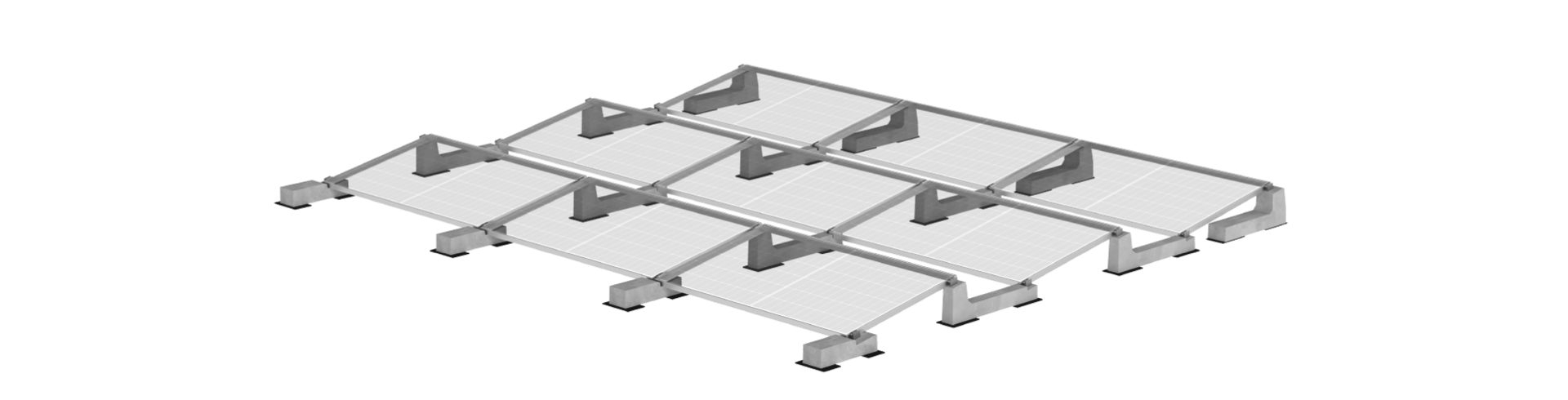
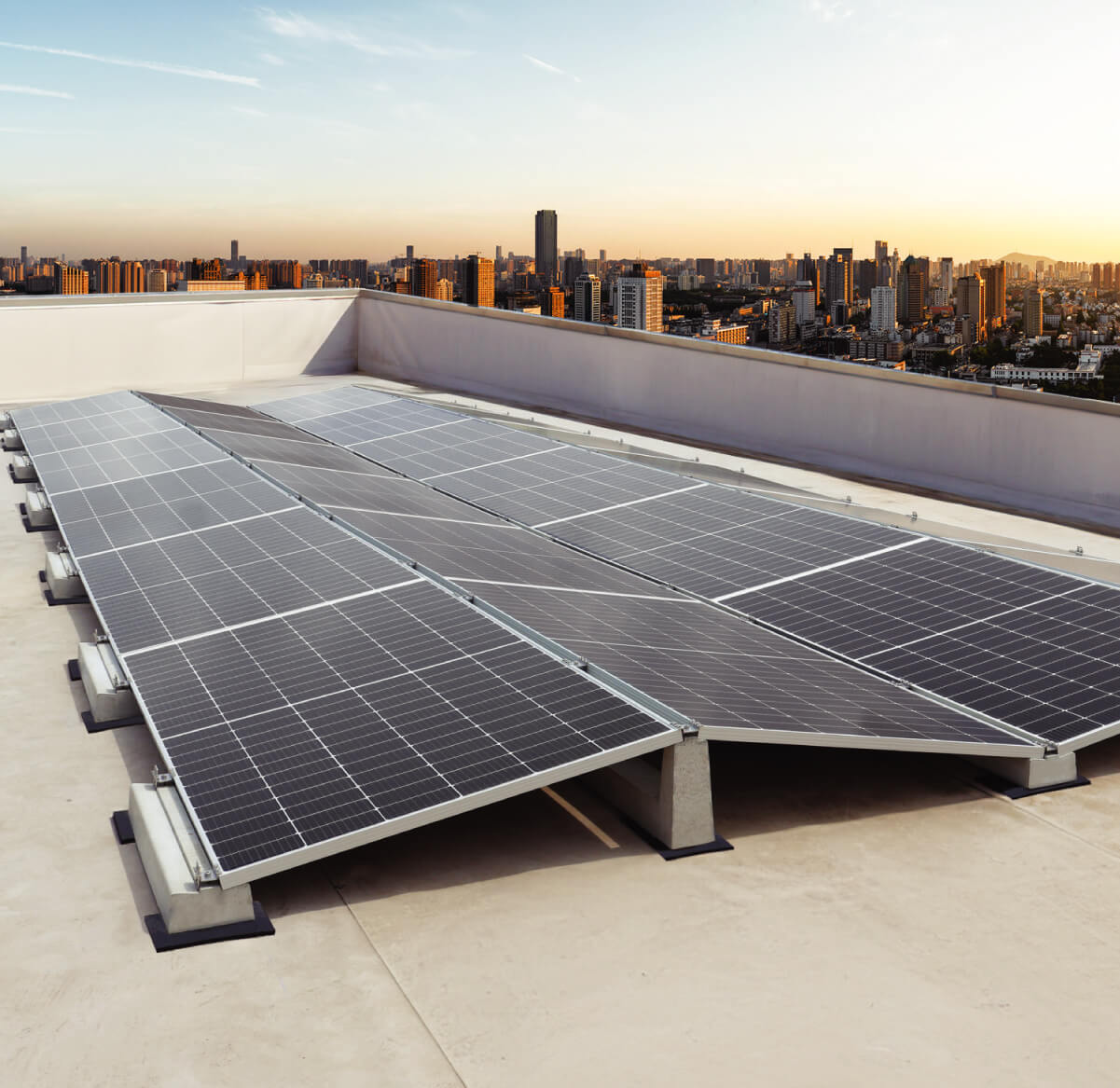
penetrations. Instead of drilling, you place pre-engineered concrete ballasts that hold the
structure in position while respecting the roof membrane. For installers, that means fewer
components to handle, fewer surprises on site, and a workflow that stays predictable even when
timelines are tight. For designers and engineers, it means a mounting approach that can be
checked and sized with clear data, helping reduce uncertainty around wind loads and roof
constraints. And for distributors, it’s a product category that’s easy to explain: fast
installation, durable materials, and a clean value proposition for flat-roof solar. The real
advantage is practical—less time spent on complex substructures and fewer potential leak points
to manage after commissioning. When you choose a ballast-based solution, you’re choosing speed,
safety, and consistency on flat roofs, where access, edge conditions, and load limits can
quickly complicate traditional fixing methods. It’s a straightforward way to deliver a
professional PV installation that looks tidy, performs reliably, and respects the building
envelope.
Key Benefits: No Drilling, Fewer Parts, Faster
Installations
A well-designed solar panel ballast system is built to remove
friction from everyday installation work. The absence of roof penetrations is the headline
benefit: you protect membranes, reduce leak risk, and avoid the extra steps tied to sealing and
inspections. Pre-shaped concrete ballast blocks also help reduce the number of loose components,
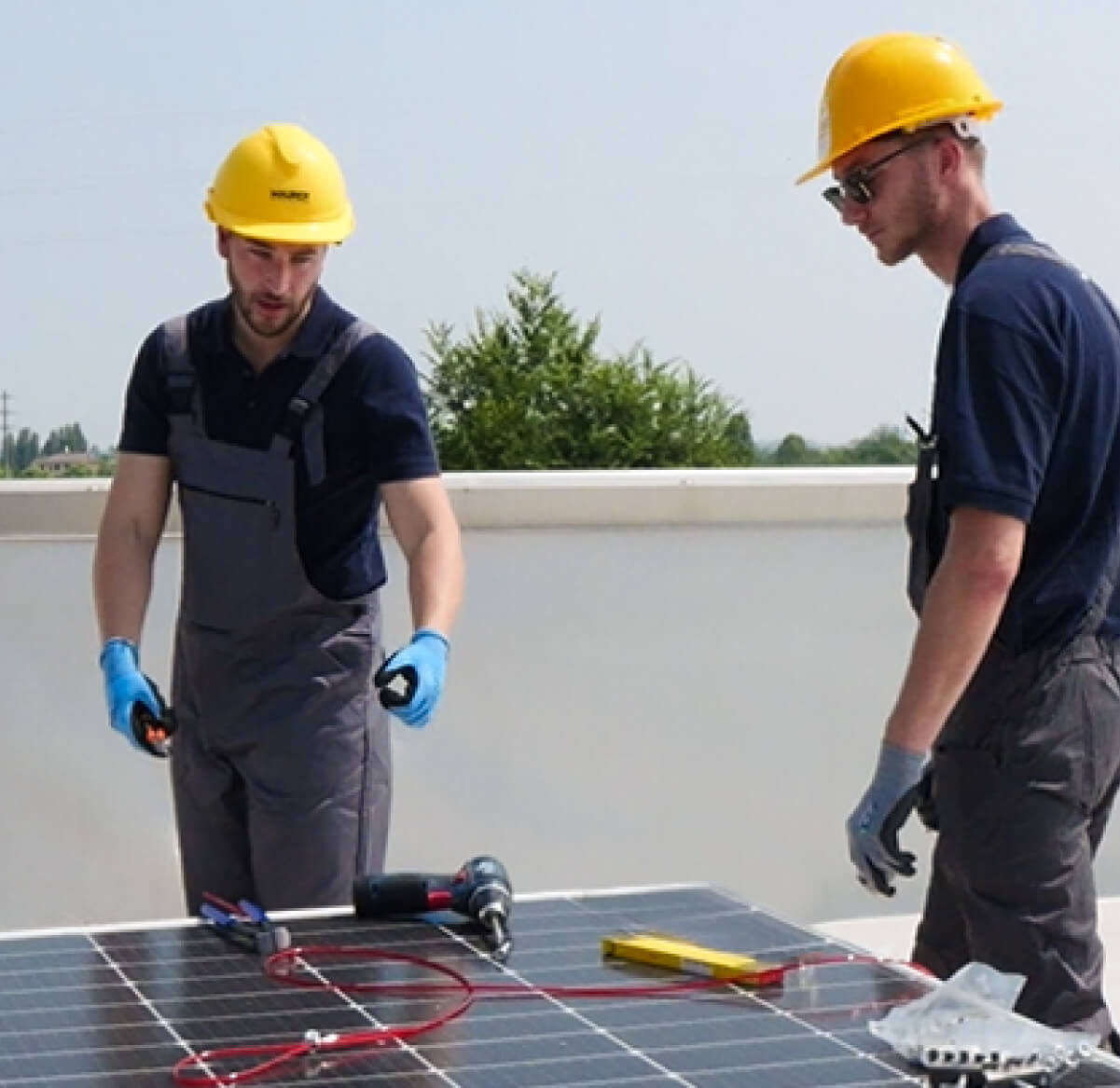
which can cut handling time and make logistics simpler on the roof. For crews, that often
translates into quicker positioning, clearer repeatability across rows, and easier coordination
when working around obstacles like HVAC units, skylights, or parapets. From a technical
standpoint, ballast solutions can be configured for different tilts and layouts, supporting
common flat-roof PV designs while keeping loads under control. With proper sizing, the system
can address wind uplift considerations and distribute weight in a way that aligns with rooftop
constraints. The result is a mounting solution that feels less like custom carpentry and more
like a repeatable process—ideal for installers who want to complete more projects with fewer
headaches and for engineers who need dependable inputs for calculations and documentation.
A Technical Partner Approach for Installers,
Engineers, and Distributors
Choosing a solar panel ballast system isn’t only about the
hardware on the roof—it’s also about having the right support behind it. Professionals in Italy
need reliable answers: how to size the layout, how to manage loads, what configuration suits the
roof geometry, and how to move from concept to execution without delays. The strongest ballast
solutions are backed by technical guidance during design, assistance with system sizing, and
commercial support that keeps procurement smooth. That “partner” approach reduces project risk
for engineers, speeds up decision-making for installers, and gives distributors a solution they
can stand behind with confidence. In practice, it means you can plan faster, validate choices
more easily, and arrive on site with a clear installation plan—especially valuable on flat roofs
where wind exposure, roof capacity, and detailing vary from building to building. If your
priority is to deliver flat-roof PV that is quick to install, simple to manage, and built for
long-term reliability, a concrete-based ballast strategy is a persuasive choice. It supports a
cleaner site process today and fewer callbacks tomorrow—exactly what professional solar teams in
the Italian market are aiming for.