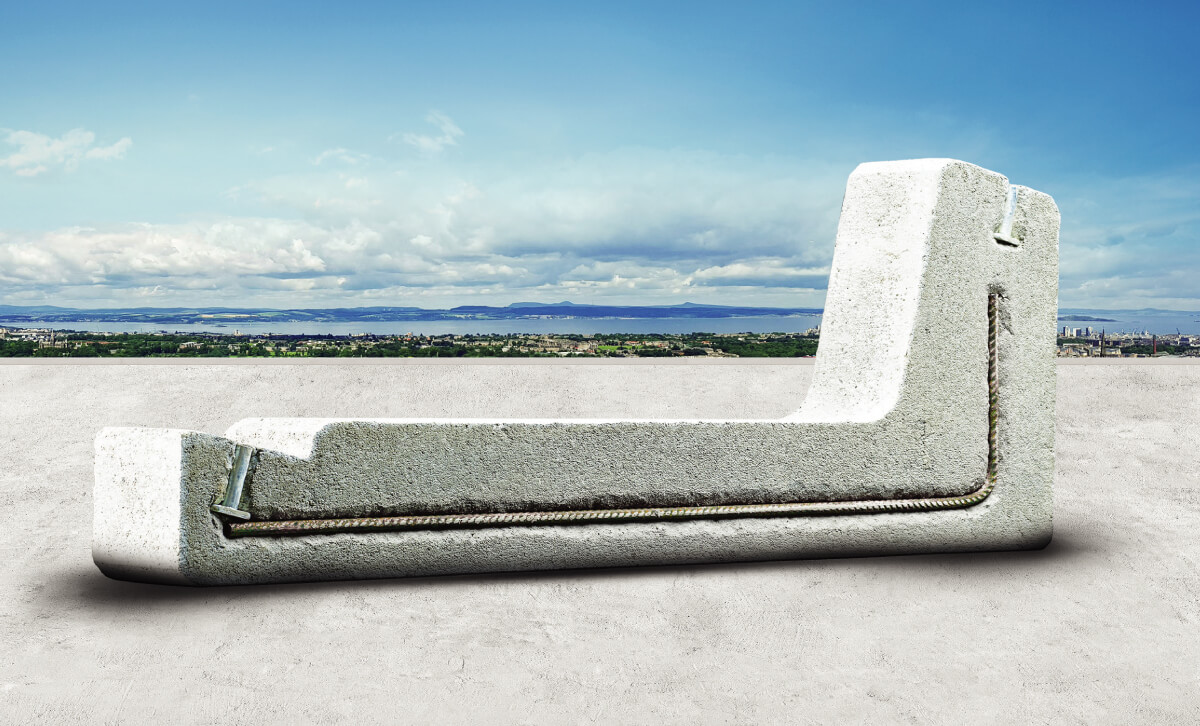
A solar panel base built for flat roofs:
speed, safety, and fewer headaches
On flat roofs, the “small details” often decide whether a PV
project runs smoothly or becomes a site problem. Choosing the right solar panel base is one of
those decisions. For installers and designers in Italy, the priority is clear: a support system
that is quick to assemble, stable under wind loads, and kind to the roof membrane. That is why
ballast-based solutions are increasingly preferred on industrial buildings, commercial rooftops,
and large warehouses.
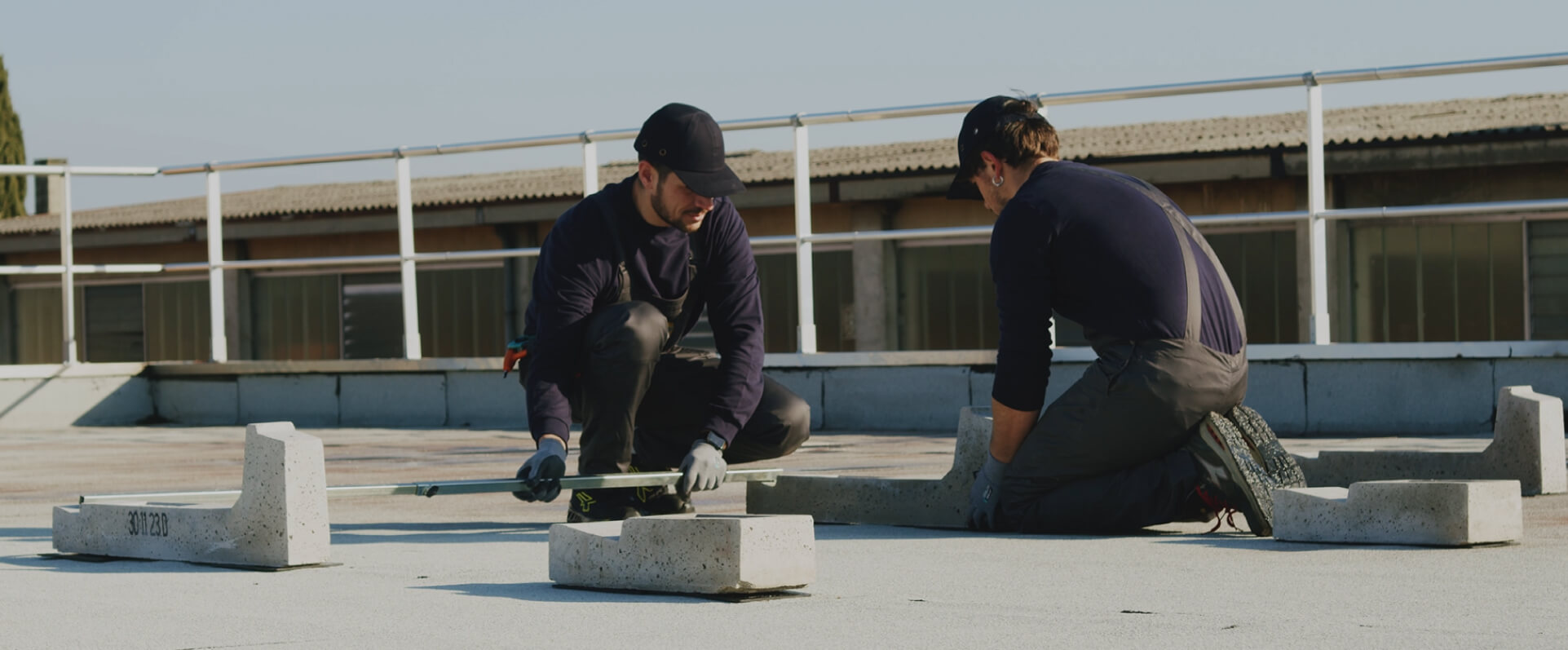
A concrete ballast solar panel base helps you avoid roof penetrations, reducing the risk of
leaks and minimizing downtime for the building owner. With fewer components and a
straightforward layout, crews can work faster and with more predictable results—especially when
schedules are tight and multiple arrays must be completed in a short window.
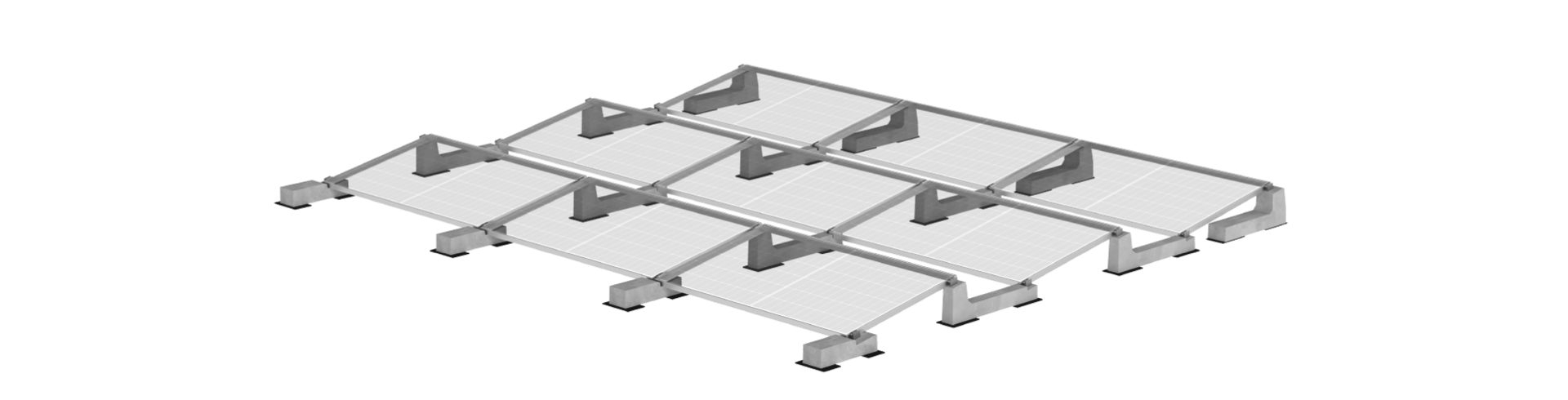
From a technical perspective, what matters is not only “holding the module,” but managing loads
correctly: module tilt, row spacing, aerodynamic behavior, and the distribution of weight on the
roof. A well-designed PV mounting system for flat roofs simplifies these variables, helping you
deliver a clean installation that looks professional and performs over time.
For B2B professionals—installers, engineering studios, and distributors—the real value is having
a complete solution: reliable products, clear documentation, and technical guidance during
design and sizing. When your solar panel base comes from a partner that supports the project
from concept to execution, you reduce risk, speed up approvals, and keep the job moving. In the
end, that means fewer surprises on site and a stronger result for everyone involved.
How to choose a solar panel base: what
installers and engineers should check
When evaluating a solar panel base for a flat roof in Italy, start
with the practical questions that affect every job. Can it be installed without drilling? Does
it reduce the number of parts you need to carry and assemble on site? Is the layout intuitive
enough to keep teams productive even on large rooftops?
Next, move to performance: request wind and load data, confirm compatibility with common PV
module sizes, and verify how the system handles spacing and tilt angles. A good flat-roof solar
mounting structure should make it easier to meet project requirements—rather than forcing
complex custom work.
For designers, dependable sizing inputs are essential. Wind exposure, parapet height, roof
zones, and ballast distribution all influence the final configuration. Having technical support
during the design phase can significantly reduce responsibility-related stress, because you can
rely on tested solutions and clear calculations.
For distributors, the best solar panel base is the one that is easy to explain and easy to
stock: recognizable components, consistent demand, and a supplier that can back up the product
with technical and commercial assistance. In short, choose a system that is engineered to be
repeatable—job after job.
The smarter approach for Italy’s flat roofs:
ballast-based solar panel base systems
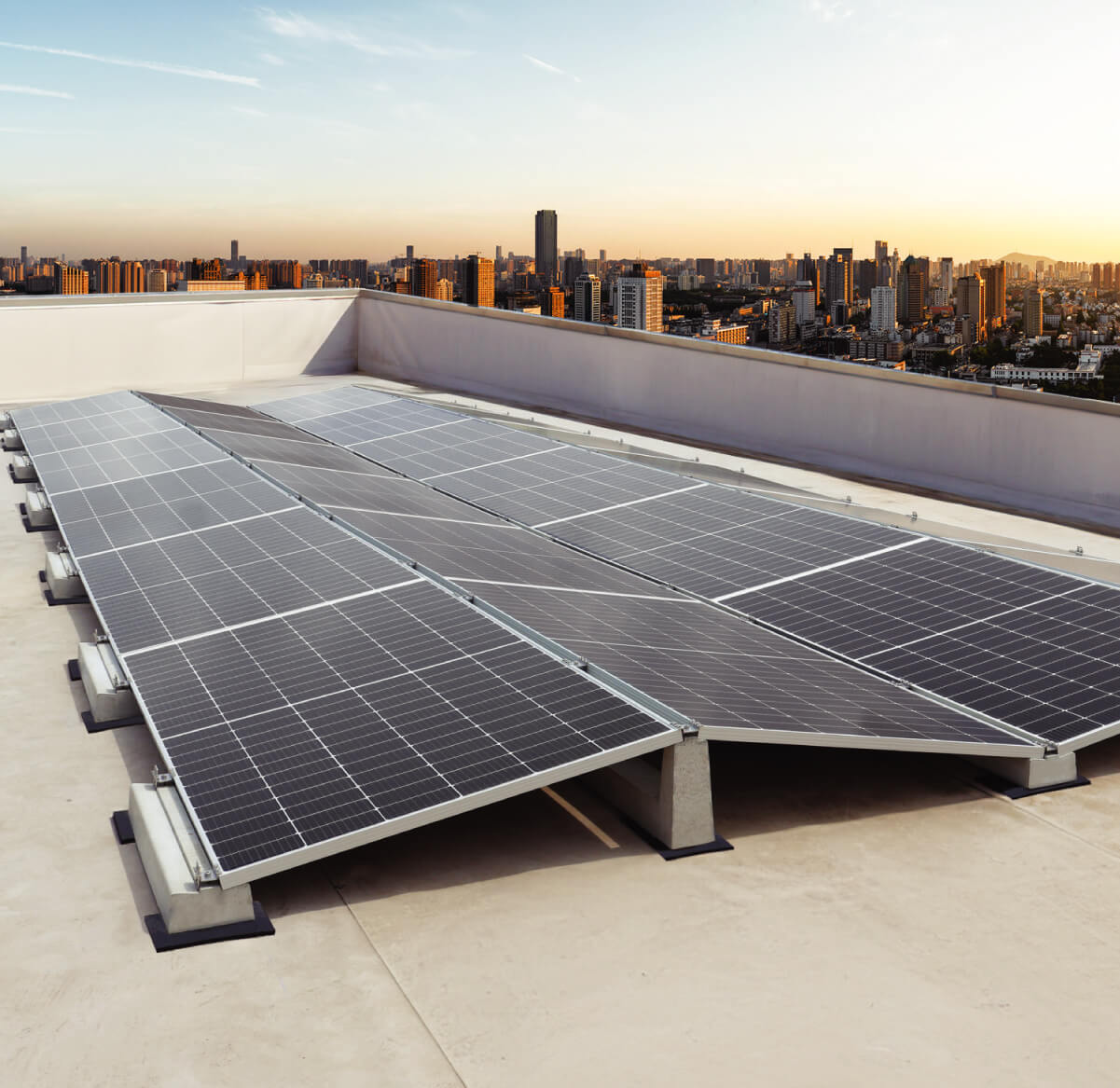
Ballast-based solutions have become a go-to choice for flat roofs
because they combine simplicity with robust performance. A concrete ballast solar panel base
allows PV arrays to be secured without compromising the roof covering, making it ideal for
sensitive membranes and refurbished buildings where penetrations are a concern.
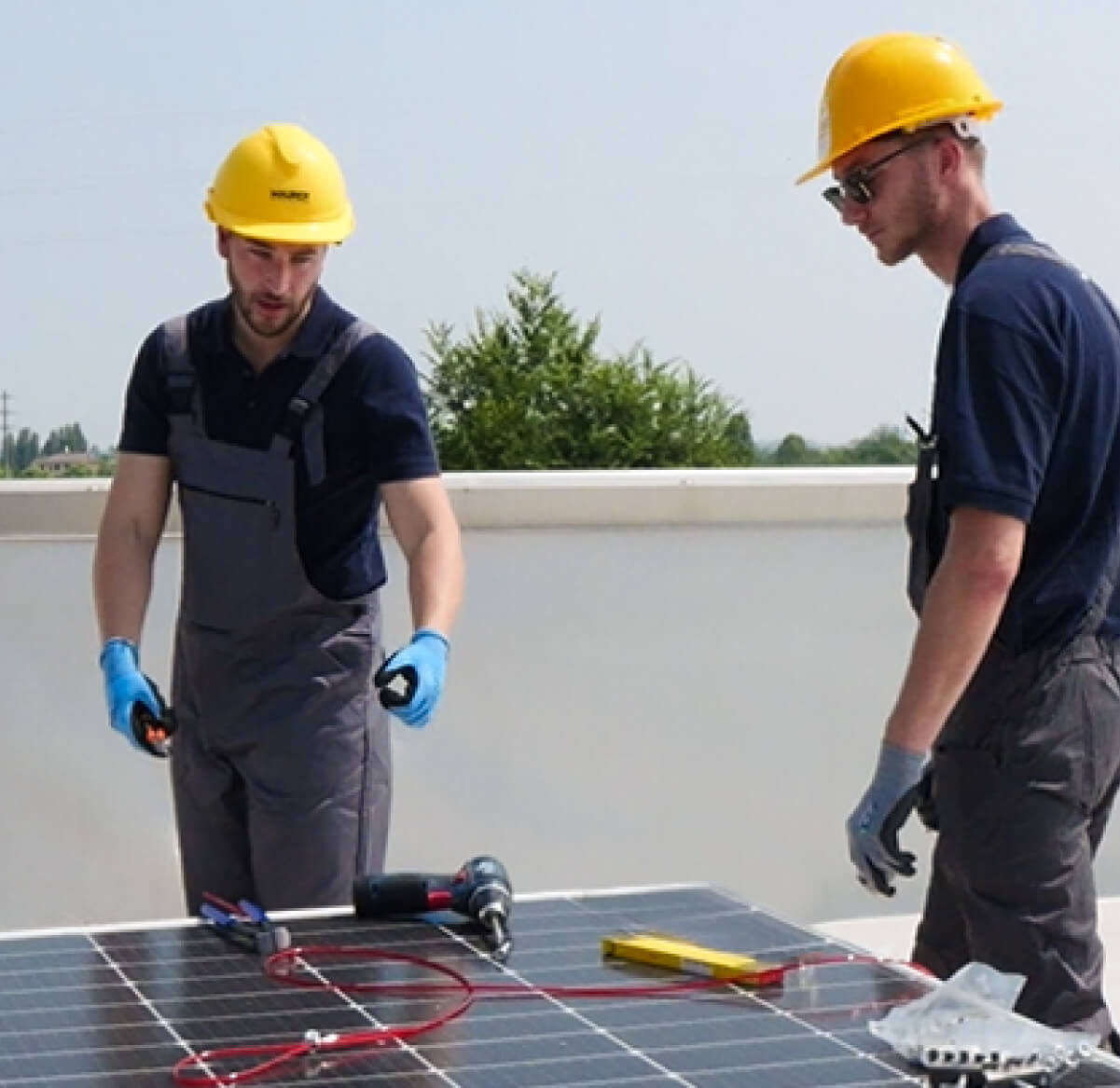
For installers, the benefits are immediate: faster assembly, fewer components, and cleaner
logistics on site. For engineers, the advantage is consistency—tested configurations,
predictable load behavior, and support that helps streamline design decisions. For commercial
teams, it is a product that matches market demand: reliable, durable, and easy to position as a
practical upgrade over more complex mounting frames.
If your goal is to deliver flat-roof photovoltaic systems that are quicker to install and easier
to manage, choosing the right solar panel base is a strategic move. Focus on a solution that is
proven, jobsite-friendly, and backed by technical know-how—so you can reduce complexity, save
time, and complete more projects with confidence across Italy.