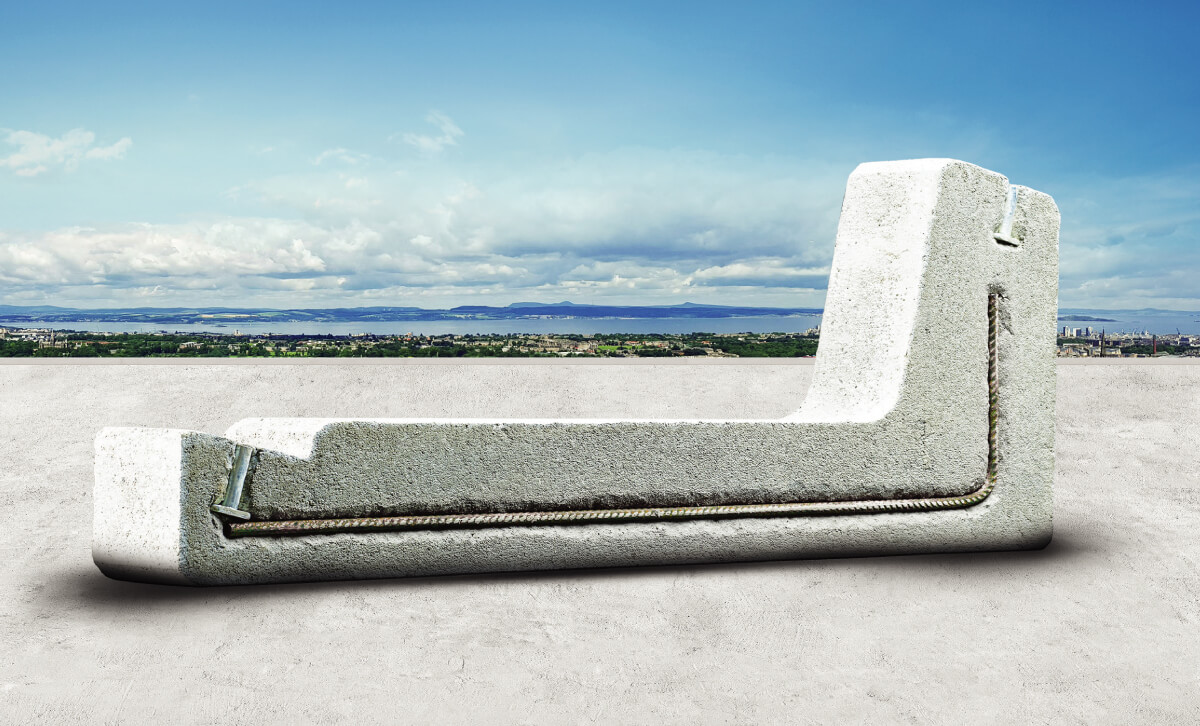
A smarter solar mounting system for flat roofs
in Italy
Choosing the right solar mounting system is one of the fastest
ways to reduce risk and time on a flat-roof PV project in Italy. Installers and designers know
the typical pain points: too many components, complex assemblies, and the constant concern of
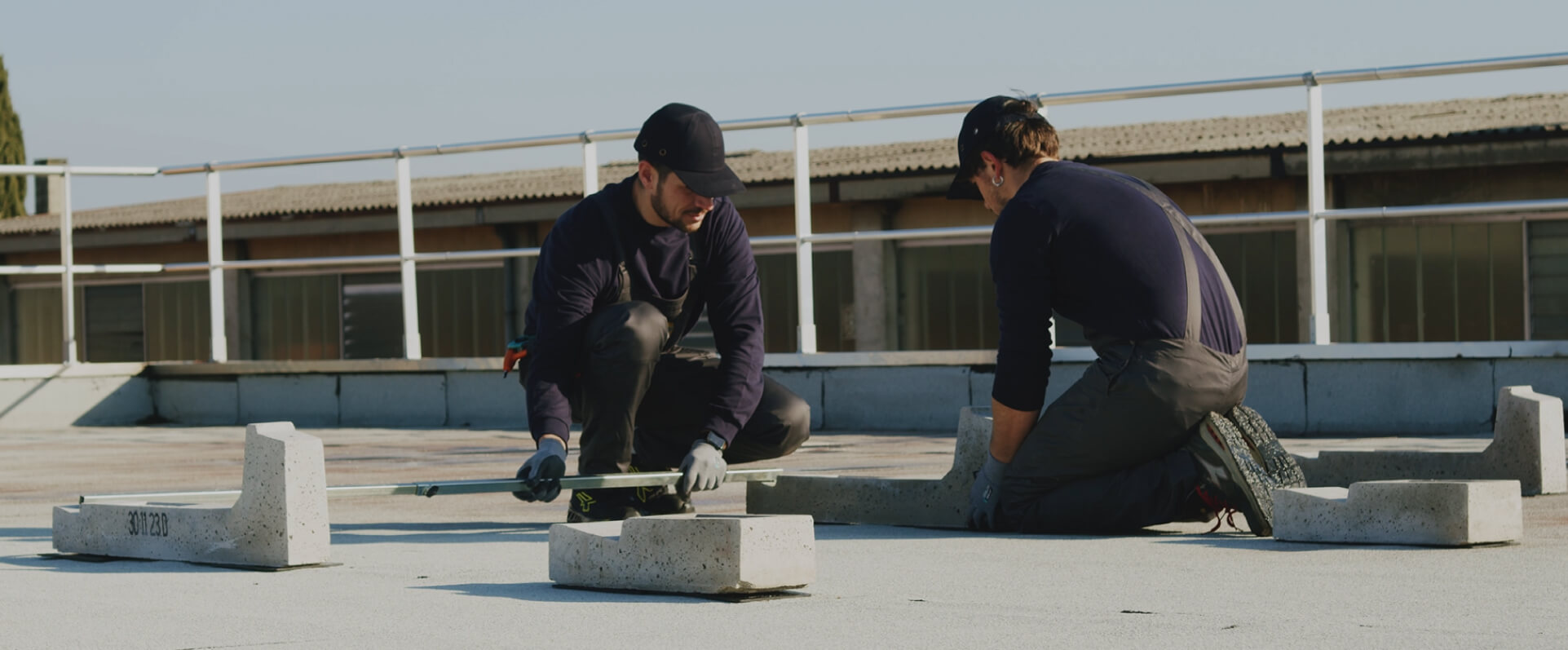
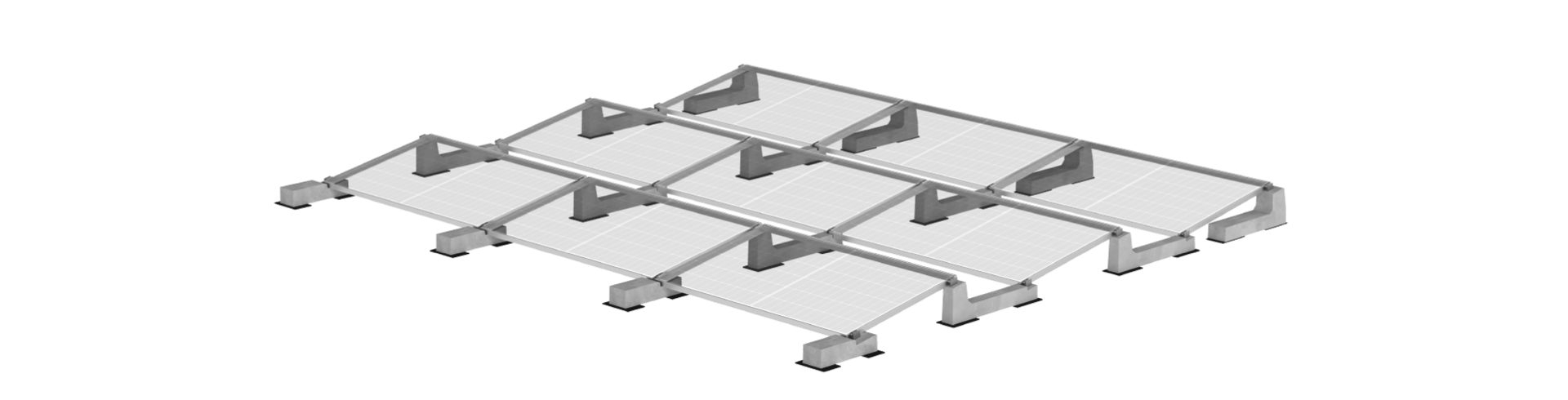
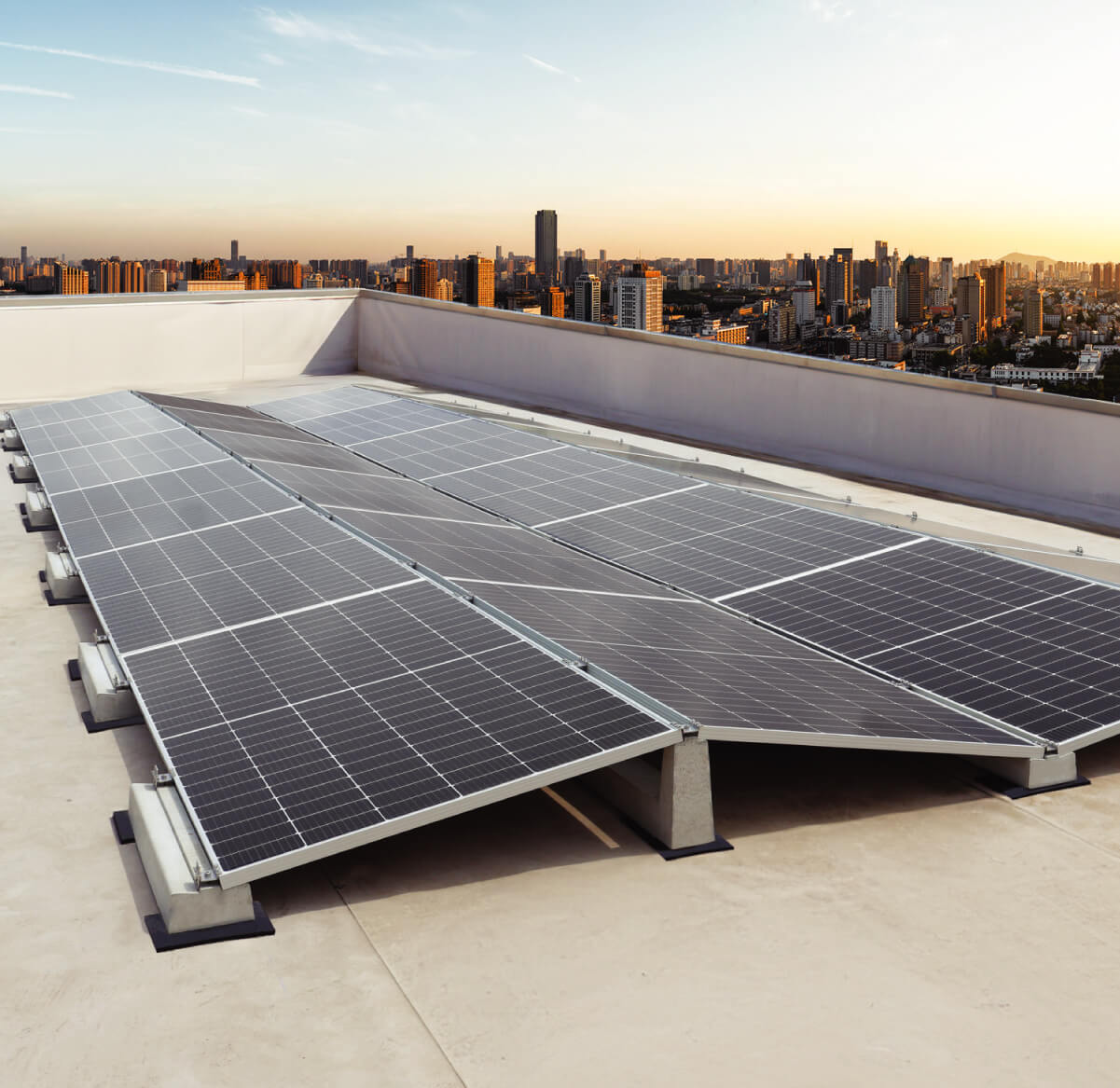
waterproofing when the roof needs drilling. A ballast-based approach changes the game. By using
engineered concrete weights, PV modules can be secured without penetrating the membrane, helping
protect the roof while keeping the jobsite workflow clean and predictable.
This kind of flat roof solar mounting system is built for speed: fewer parts to manage,
intuitive positioning, and repeatable steps that crews can learn quickly. For engineering teams,
it brings another advantage—clear technical data and tested solutions that simplify checks on
wind loads and structural loads. For distributors, it’s a product category that’s easy to
explain and consistently requested by the market.
If your priority is a reliable photovoltaic mounting solution that supports fast installation,
reduces roof-related headaches, and fits the realities of Italian rooftops, a concrete ballast
system is a compelling option. It’s not just hardware—it’s a practical method for delivering
safer, cleaner PV installs on flat roofs.
Why installers prefer no-penetration mounting
On site, every extra bracket, rail, or fixing point adds time—and
every roof penetration adds liability. A no-drill solar mounting system minimizes both. With
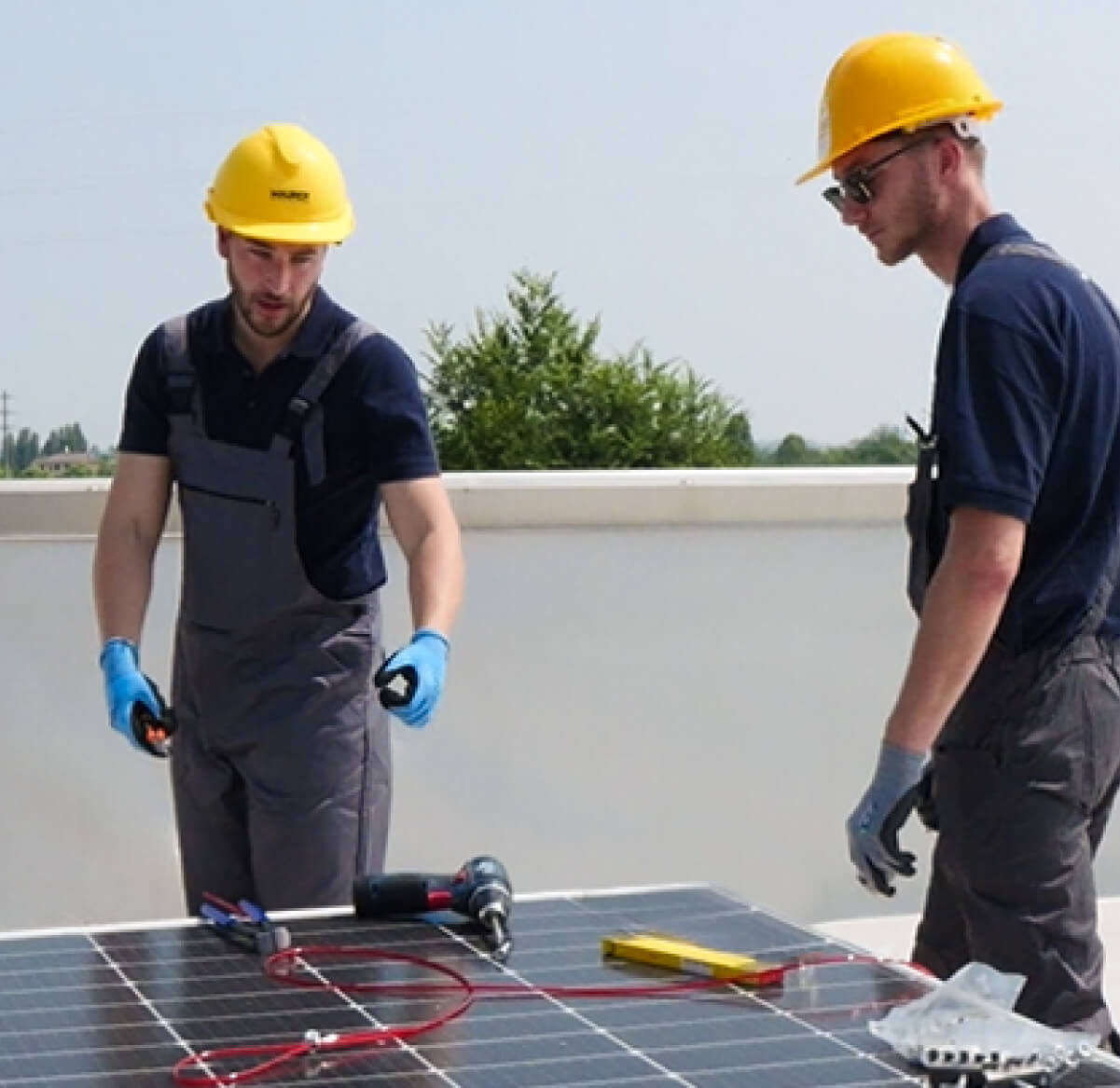
pre-engineered ballast supports, crews can move quickly from layout to placement to module
fixing, without coordinating multiple fastening operations.
Key benefits for installers include: faster assembly, reduced tools and consumables, and fewer
waterproofing concerns. The result is smoother scheduling and fewer surprises during
commissioning. It also supports consistent quality across different crews and projects,
especially when timelines are tight.
For flat roofs, this solution is especially attractive because it respects the existing roof
covering, helping avoid leaks and callbacks. When the mounting method is simple, robust, and
designed for real-world rooftop conditions, installers can focus on what matters: delivering
performance and meeting deadlines.
Technical support that makes design and
delivery easier
A solar mounting system becomes far more valuable when it comes
with dependable technical partnership. For engineers and design studios, having support during
system sizing and layout planning can reduce complexity in wind calculations, load distribution,
and project documentation. Tested configurations and reliable data help lower design risk and
speed up approvals.
Commercial teams also benefit from a solution-oriented approach: it’s easier to propose a flat
roof PV mounting system that is recognized for reliability, durability, and straightforward
installation. From pre-design assistance to project development through execution, the right
partner helps keep everyone aligned—designer, installer, and distributor.
If you’re looking to standardize your flat-roof photovoltaic installations across Italy, choose
a mounting solution that combines solid concrete ballast technology, proven performance, and
professional support. It’s a practical path to faster installs, safer rooftops, and more
predictable project outcomes.