Why a Flat Roof Solar Mounting System Matters
in Italy
Choosing the right solar mounting system flat roof is one of the
fastest ways to improve installation speed, safety, and long-term performance on Italian
commercial and industrial buildings. Flat roofs are common across Italy—especially on warehouses
and production sites—but they bring familiar challenges: waterproofing integrity, wind loads,
and tight project timelines. A well-engineered mounting solution helps you avoid delays and
prevent costly rework.
For installers, the priority is simple: finish more jobs with fewer headaches. That means
reducing parts, simplifying handling, and keeping the roof membrane intact. For designers and
engineers, it means predictable structural behaviour, reliable load data, and a system that
supports accurate PV layout planning. For distributors, it means a product that is easy to
explain, consistently requested, and trusted by professionals.
A ballast-based approach is often ideal on flat roofs because it can eliminate the need for
penetrations. Less drilling means less risk of water ingress and fewer coordination issues with
roofing contractors. The result is a more streamlined workflow on site—especially valuable when
weather windows are short or access is limited. In short, the right flat roof mounting choice
directly impacts project profitability and peace of mind.
Ballasted, No-Drill PV Support: Faster
Installations, Lower Risk
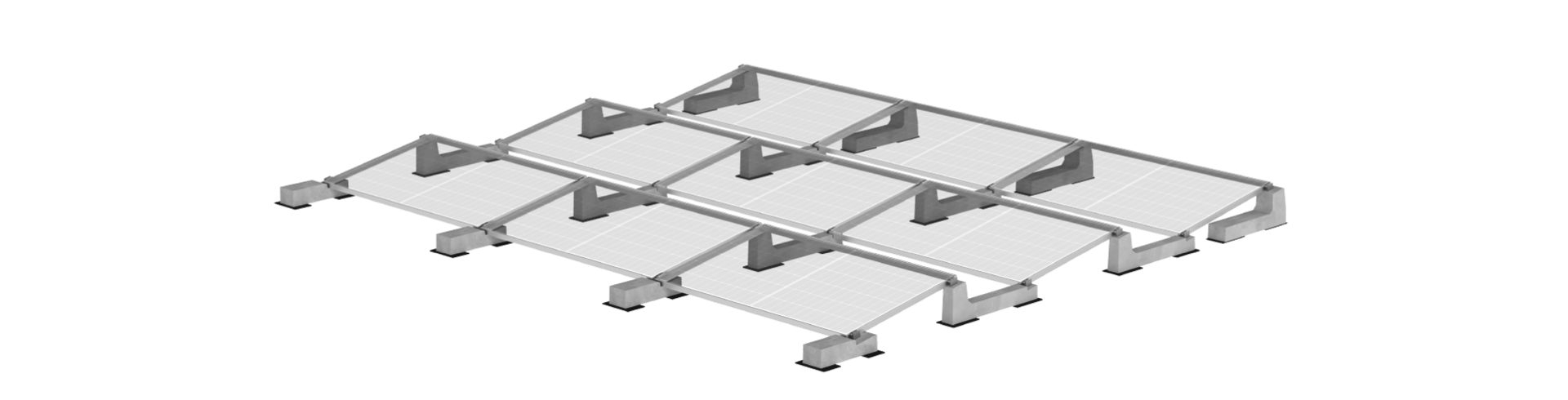
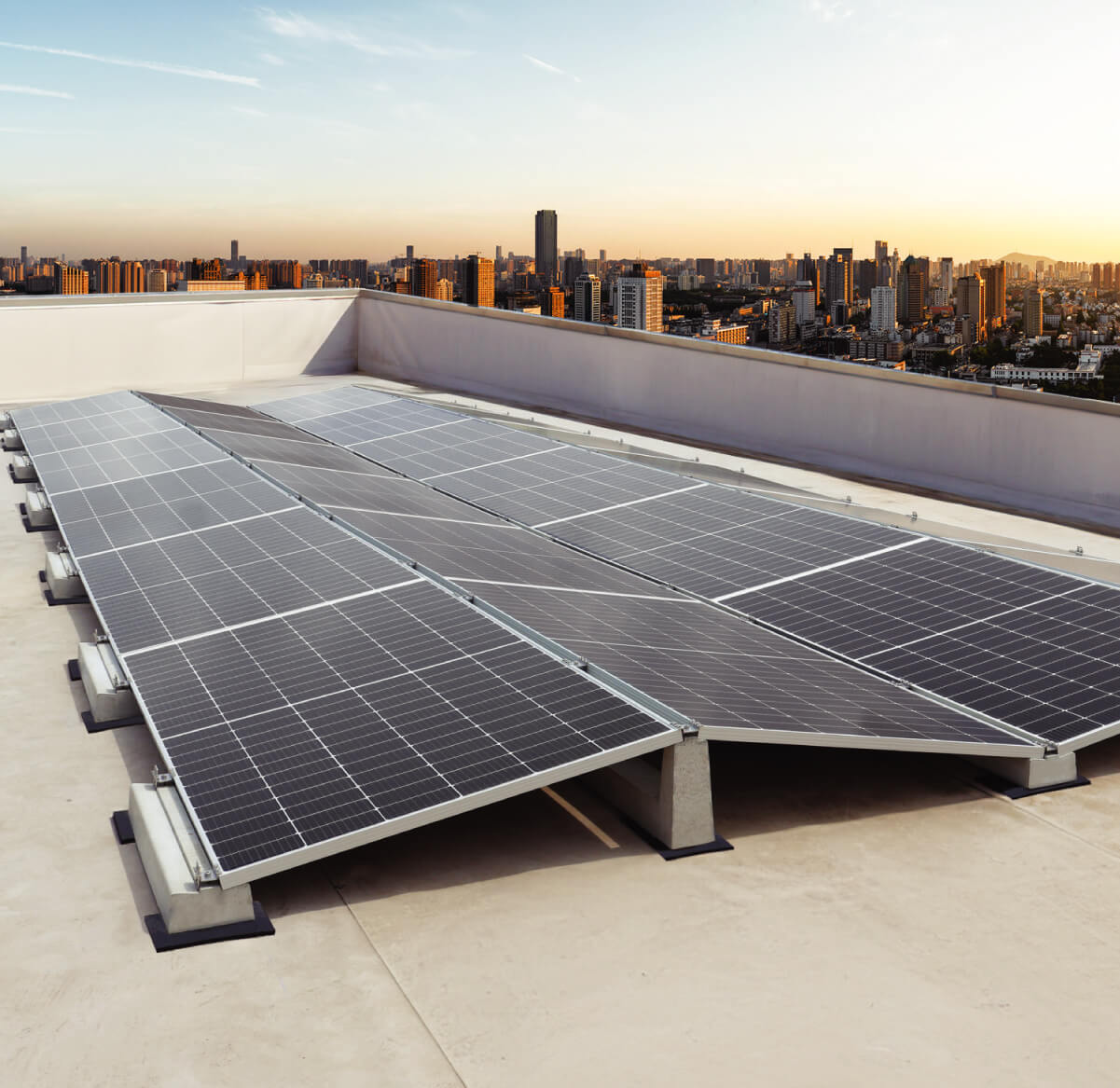
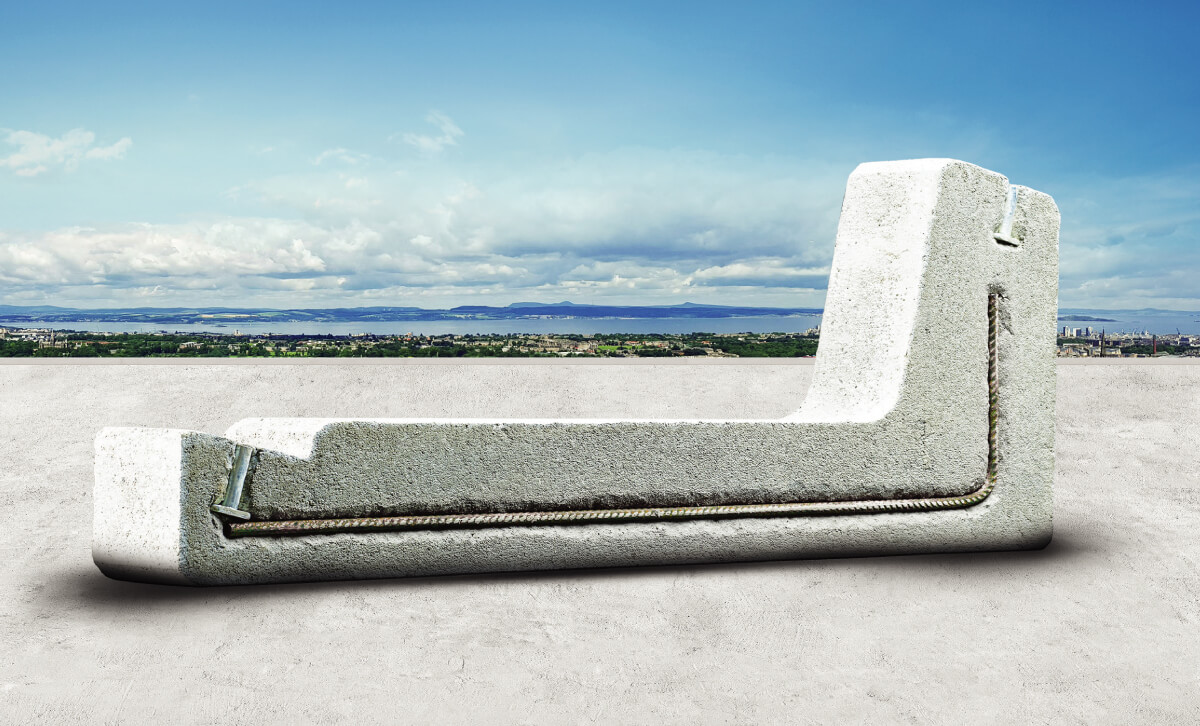
A modern solar mounting system flat roof built around concrete
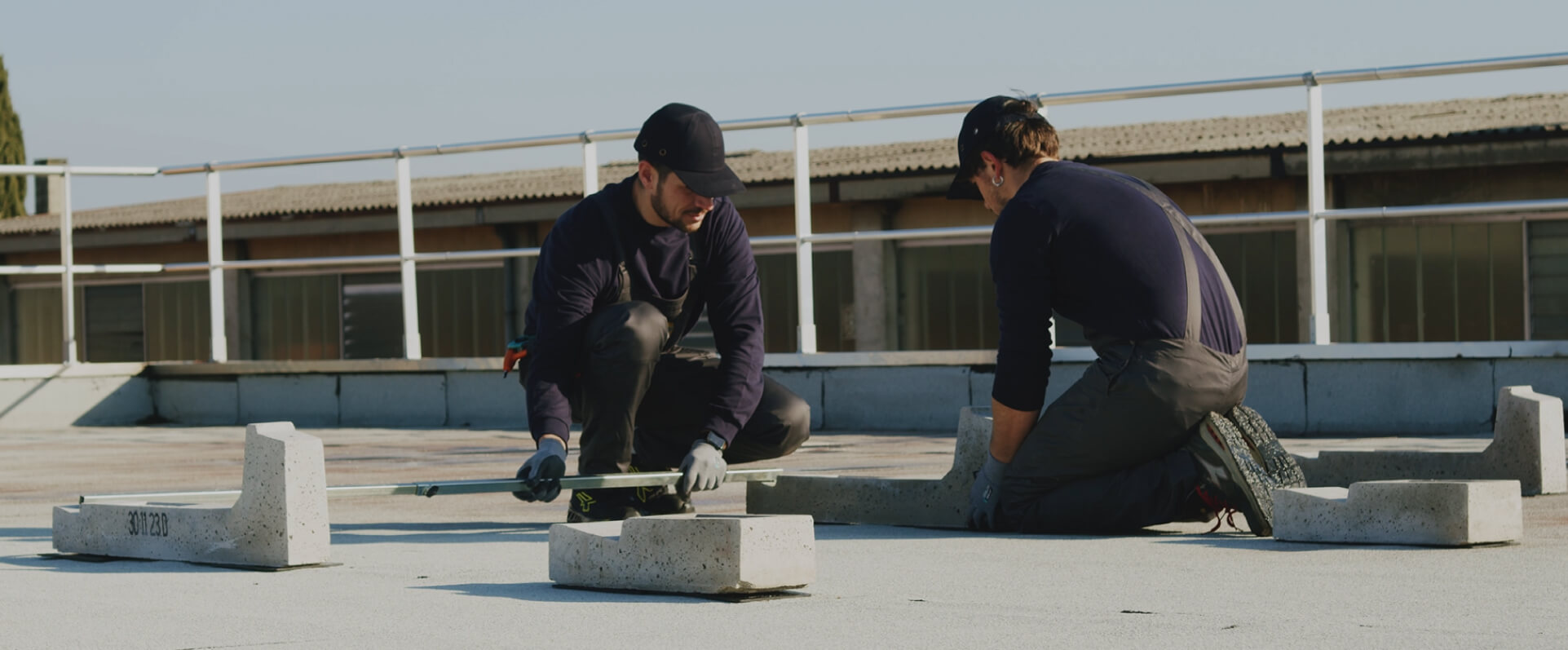
ballast blocks can transform how photovoltaic arrays are installed. Instead of anchoring through
the roof covering, the PV structure is held in place by engineered weight and geometry—helping
protect membranes and reduce liability linked to roof penetrations.
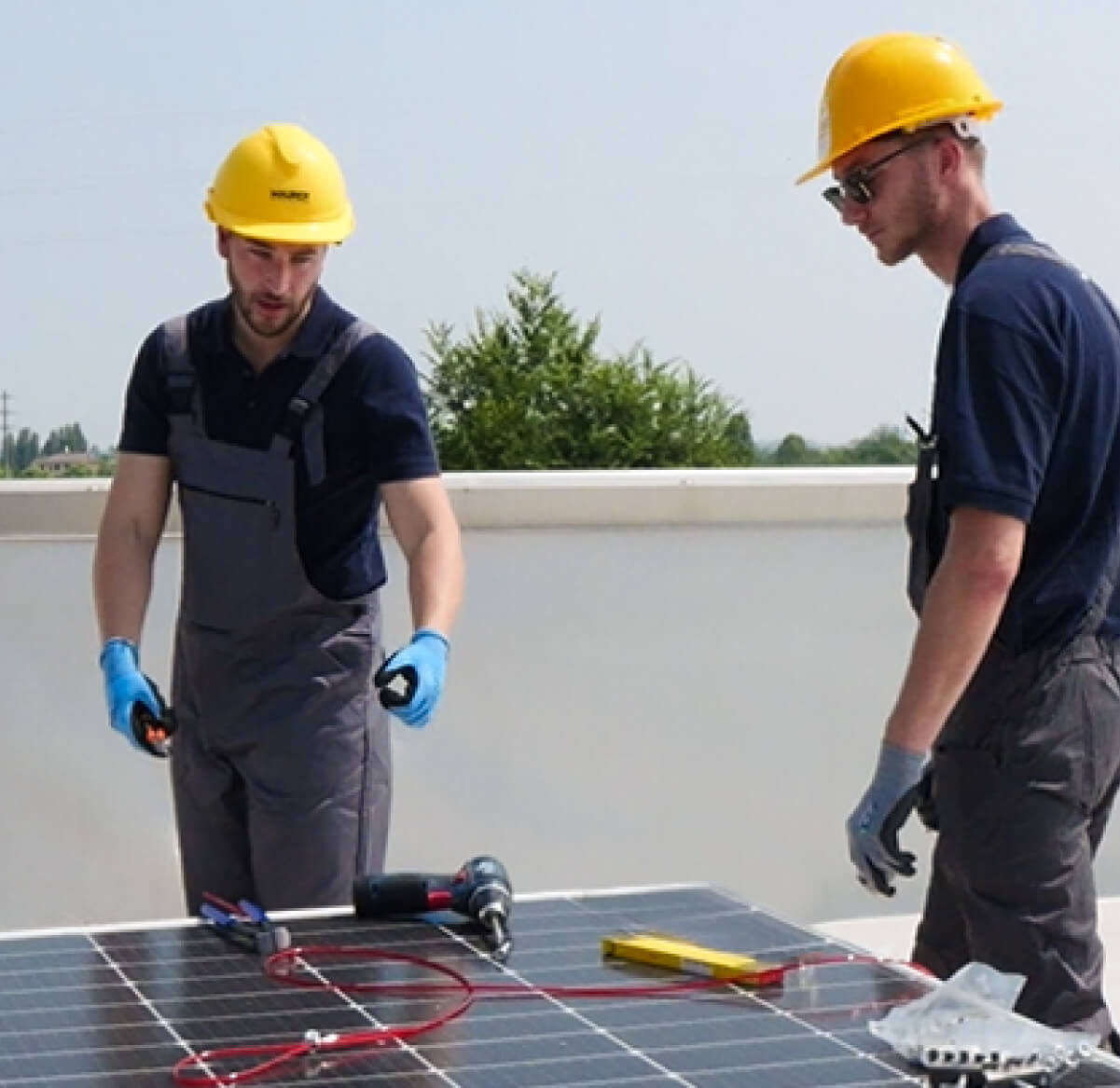
From an installer’s perspective, the benefits are immediate: fewer components to assemble,
quicker positioning of modules, and a more intuitive on-site process. This can reduce labour
hours and simplify logistics, especially on large flat roof PV installations where repetition
and speed matter.
From a technical standpoint, the value is in dependable design support and tested solutions.
Wind exposure, parapets, building height, and array spacing all influence ballast requirements
and configuration. Having access to technical assistance for sizing, layout, and project
development helps engineers and design studios reduce calculation time and design risk. It also
supports smoother approvals and clearer documentation.
Related terms that matter in this context include ballasted PV racking, non-penetrating
mounting, flat roof photovoltaic structures, wind load optimisation, roof waterproofing
protection, and rapid PV installation. When these elements come together, you get a system
designed not just to “hold panels,” but to make the entire project easier to deliver.
A Technical Partner Approach for Professionals
(Without the Complexity)
The best solar mounting system flat roof is not only a
product—it’s a complete, job-ready solution that supports you from early design to execution.
Professionals in Italy often need more than hardware: they need responsive technical input,
practical layout guidance, and confidence that the chosen configuration will perform over time.
A partner-style approach can include pre-design consultation, system sizing based on site
conditions, and commercial support that keeps procurement straightforward. This is especially
persuasive for installers who want to avoid surprises in the field, and for engineers who need
reliable data to back up their choices.
If your next project involves a flat roof PV system and you want a no-drill, ballasted setup
that prioritises reliability, simplicity, and ongoing innovation, explore the solutions
available on www.sunballast.com. You’ll find a clear path to faster installations, reduced roof
risk, and a smoother delivery process—built for the realities of the Italian market.