Why installers in Italy choose a ballasted
approach
When you’re installing PV on flat roofs, every extra component,
roof penetration, or unexpected detail can turn into lost hours and risk. That’s why many
professionals looking for a solar mounting system manufacturer in Italy are shifting toward
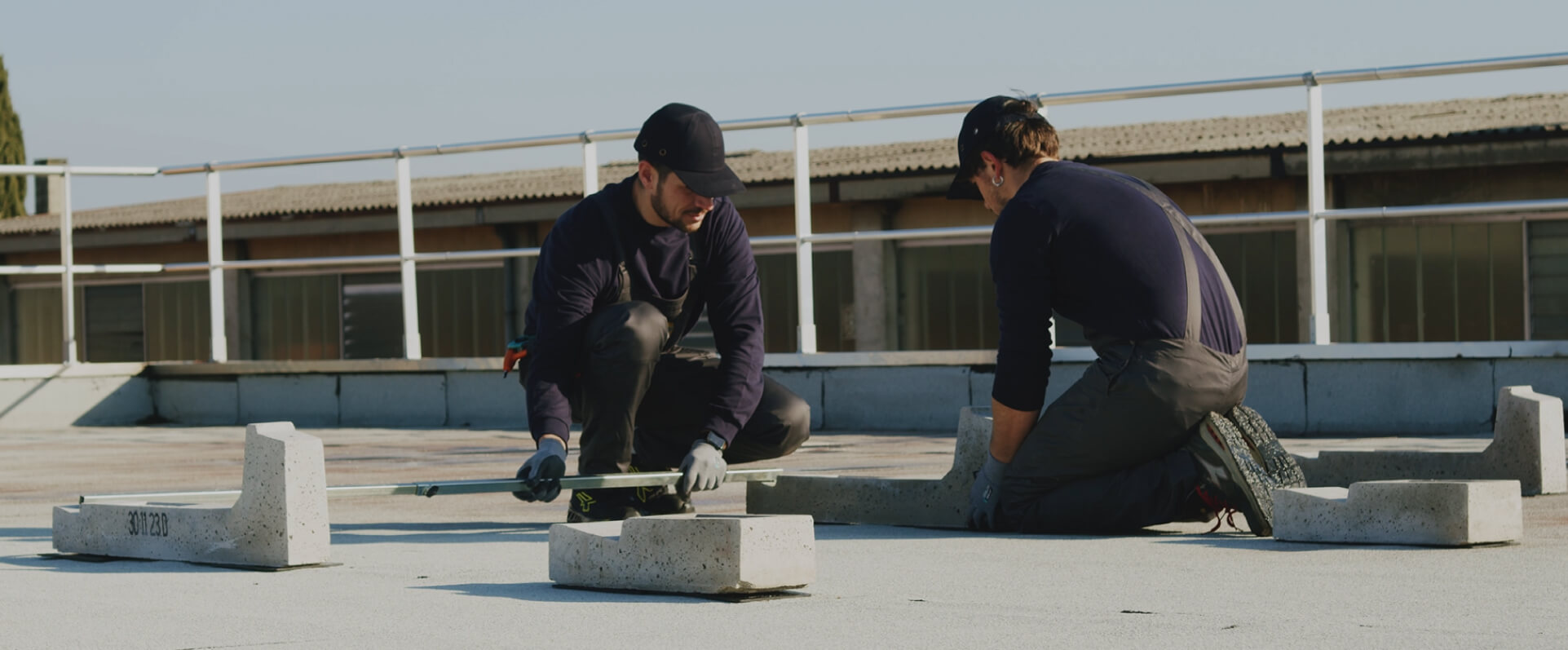
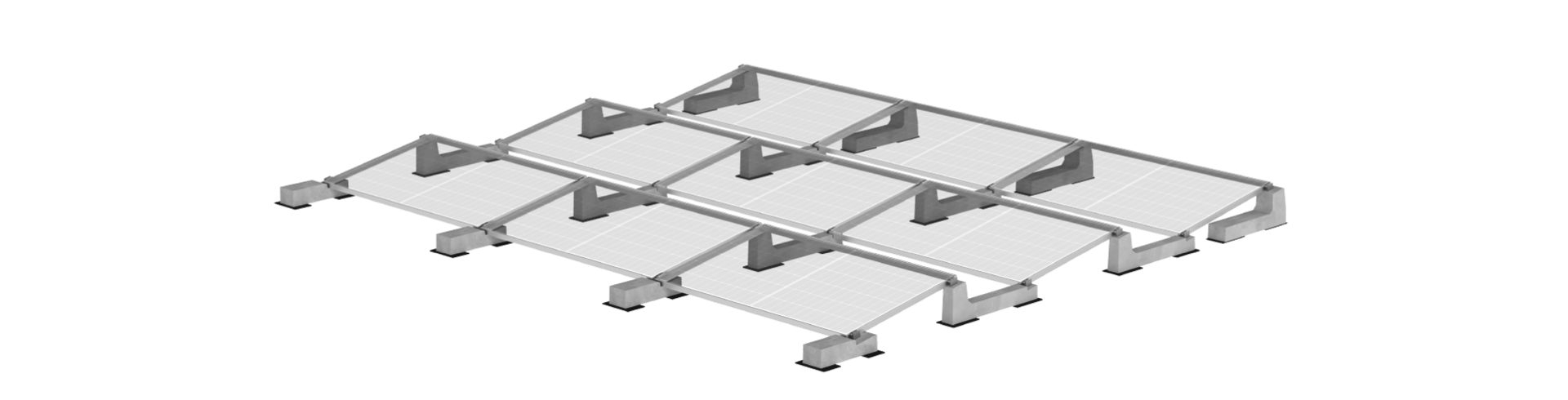
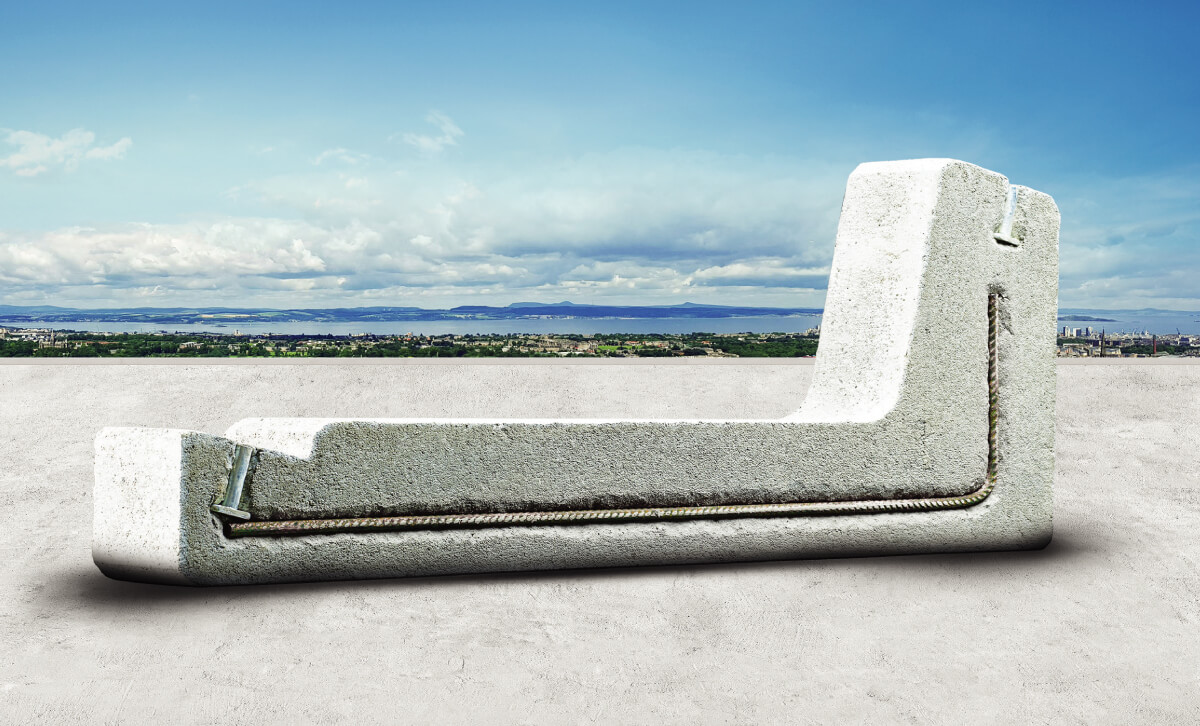
ballasted solutions designed to keep the waterproof layer intact. With pre-cast concrete weights
engineered for photovoltaic mounting, panels can be secured without drilling the roof
membrane—reducing leakage concerns and simplifying site work. The result is a cleaner workflow:
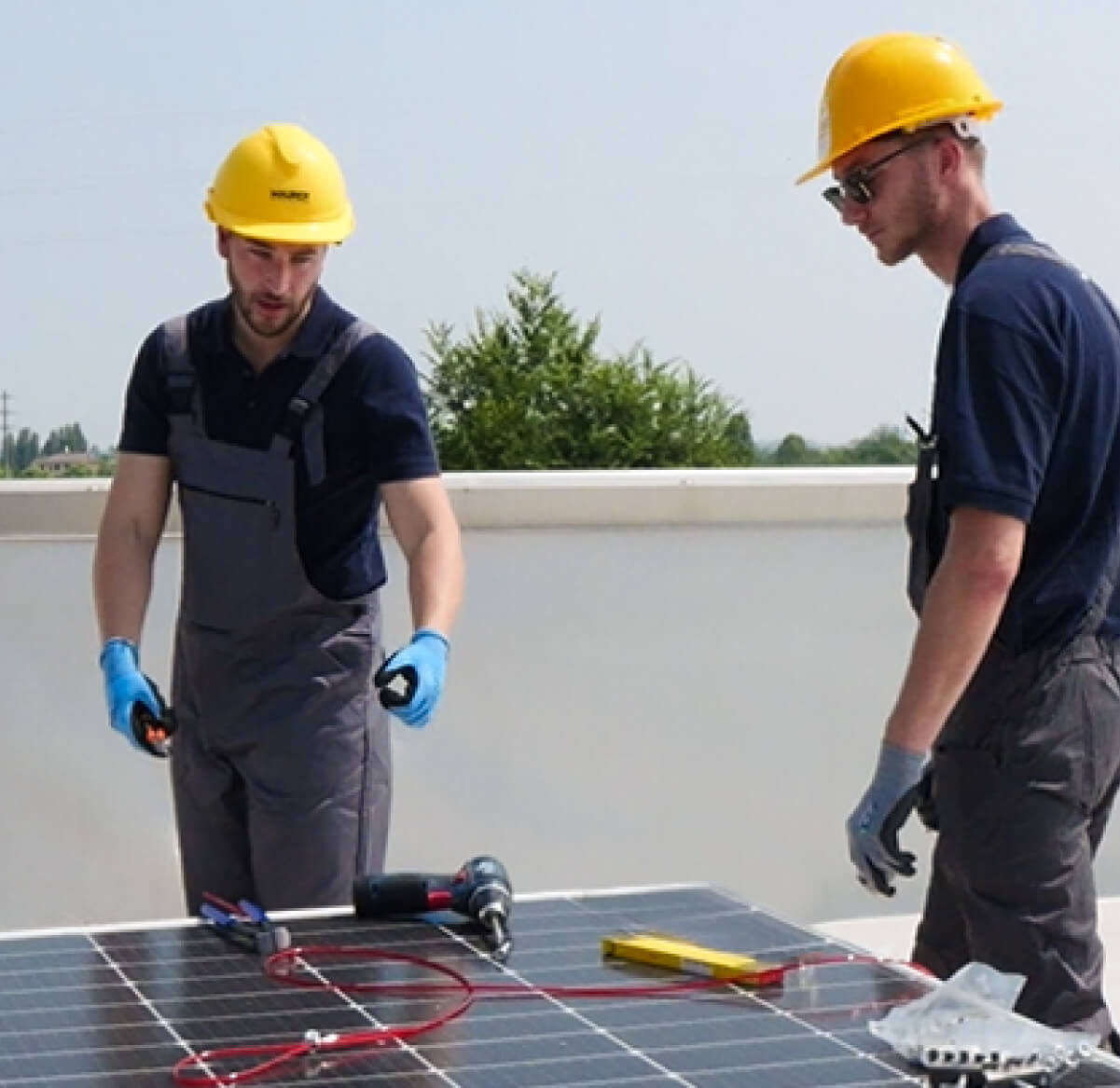
fewer parts to handle, fewer tools on the roof, and faster panel positioning. For installers,
speed is profit, but reliability is reputation. A robust flat-roof mounting structure must stay
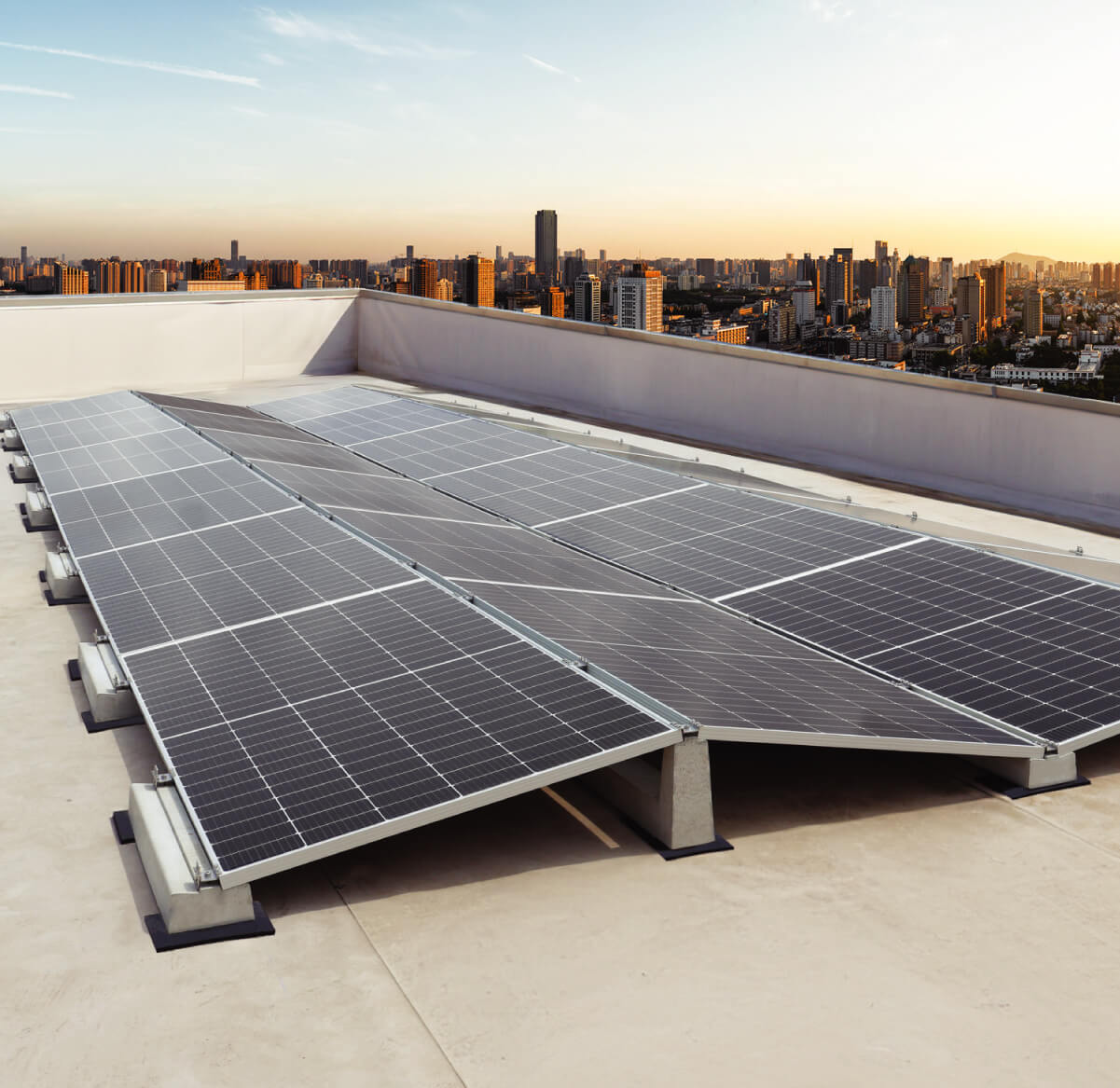
stable under wind loads while remaining easy to stage, transport, and assemble. Ballasted PV
systems help you standardize crews and procedures across different jobs, from small commercial
rooftops to large industrial buildings. And because the mounting concept is straightforward,
troubleshooting is easier too. If your priority is to deliver projects on time, minimize
call-backs, and avoid complex roof interfaces, a ballasted photovoltaic support system is a
practical way to upgrade both efficiency and peace of mind—especially in the Italian market
where flat roofs are common and waterproofing integrity matters.
A technical partner, not just a supplier
Choosing a solar mounting system manufacturer isn’t only about
buying hardware—it’s about reducing design uncertainty. Engineers and technical offices need
dependable data for structural checks, wind calculations, and load distribution on flat roofs. A
strong manufacturer supports you before the first pallet arrives on site: preliminary
consulting, system sizing, and project development through execution. That technical backing
matters because responsibility sits with the design team. Tested, durable mounting
solutions—built for long-term exposure and verified performance—help you deliver safer, more
bankable PV plants. For distributors and wholesalers, a recognizable product line that’s easy to
explain and spec can drive steady demand, especially when paired with clear documentation and
responsive support. In practice, the best outcomes come when the manufacturer works alongside
installers, designers, and the commercial channel to remove friction: clarify layouts, define
ballast requirements, and optimize tilt angles and row spacing. The goal is simple: fewer
surprises, smoother approvals, and predictable installation times. If you’re evaluating options,
prioritize a partner that treats PV mounting as an engineered system, not a collection of parts.
What to look for in a solar mounting system
manufacturer
To choose the right solar mounting system manufacturer for
flat-roof projects in Italy, focus on three things: reliability, simplicity, and innovation.
Reliability means solid, long-lasting components, proven stability, and documentation you can
trust. Simplicity shows up in reduced part counts, intuitive assembly, and a layout that crews
can replicate quickly across sites. Innovation matters when you need flexible configurations for
different roof constraints, orientations, and performance targets. For many B2B PV
professionals, concrete ballasted mounts deliver an ideal balance: no roof penetrations, fast
installation, and a streamlined on-site process. Look for manufacturer support that includes
technical sizing, design assistance, and commercial responsiveness—so you can move from proposal
to execution without delays. Also consider how the system handles common flat-roof challenges:
wind exposure, parapets, cable routing, and maintenance access. A well-designed photovoltaic
mounting system should help you reduce operational complexity while protecting the roof and
optimizing energy yield. If your aim is to install more systems per month with fewer headaches,
choosing a specialized flat-roof partner can be the difference between an average job and a
repeatable, scalable installation model.