Why Solar Mounting Structures for Flat Roofs
Matter in Italy
Flat roofs are everywhere in Italy—industrial warehouses,
logistics hubs, commercial buildings, and many modern residential blocks. They’re also ideal for
photovoltaics, but only if the support system is chosen wisely. The right solar mounting
structures for flat roofs help installers work faster, reduce on-site headaches, and protect the
roof membrane over the long term. In many projects, the real challenge isn’t the PV modules;
it’s managing wind loads, roof constraints, waterproofing, and installation time.
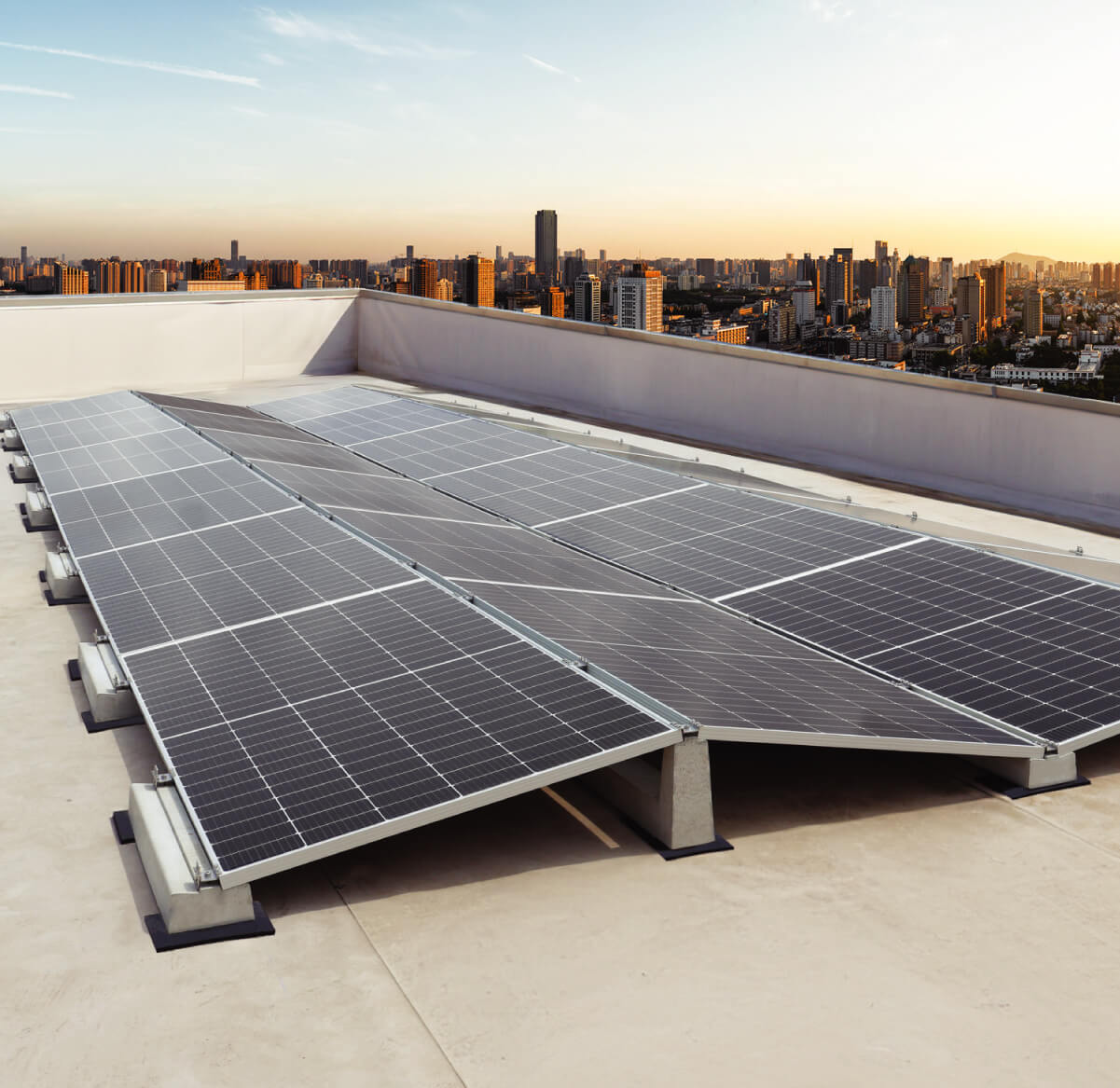
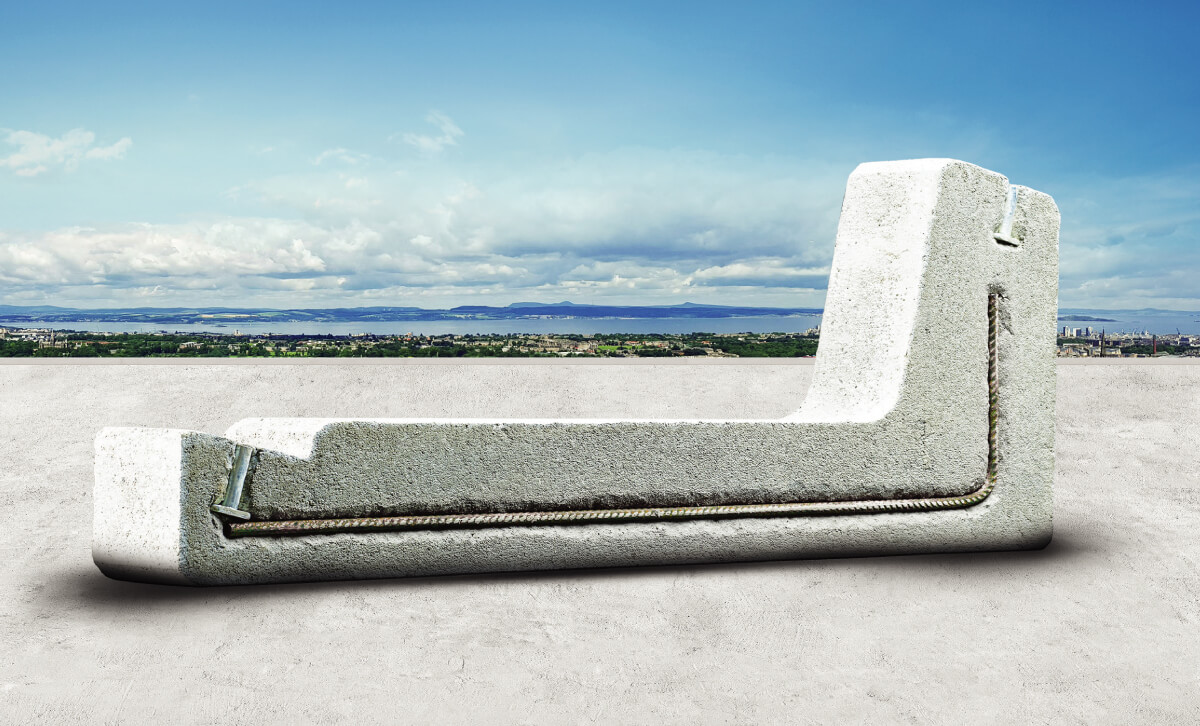
That’s why ballasted PV mounting is often the preferred approach: it avoids roof penetrations,
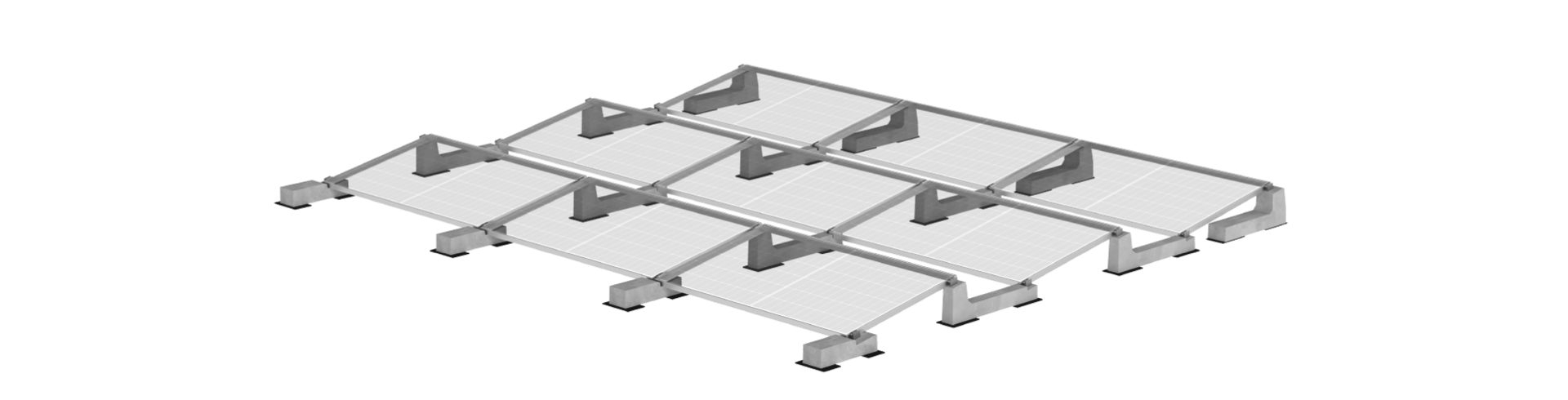
limits the risk of leaks, and simplifies coordination with roofing contractors. Concrete ballast
solutions add stability without drilling, and can be paired with optimized tilt angles to
balance energy yield and shading management. For designers and engineers, having reliable load
data, tested configurations, and clear documentation can significantly reduce calculation effort
and project risk.
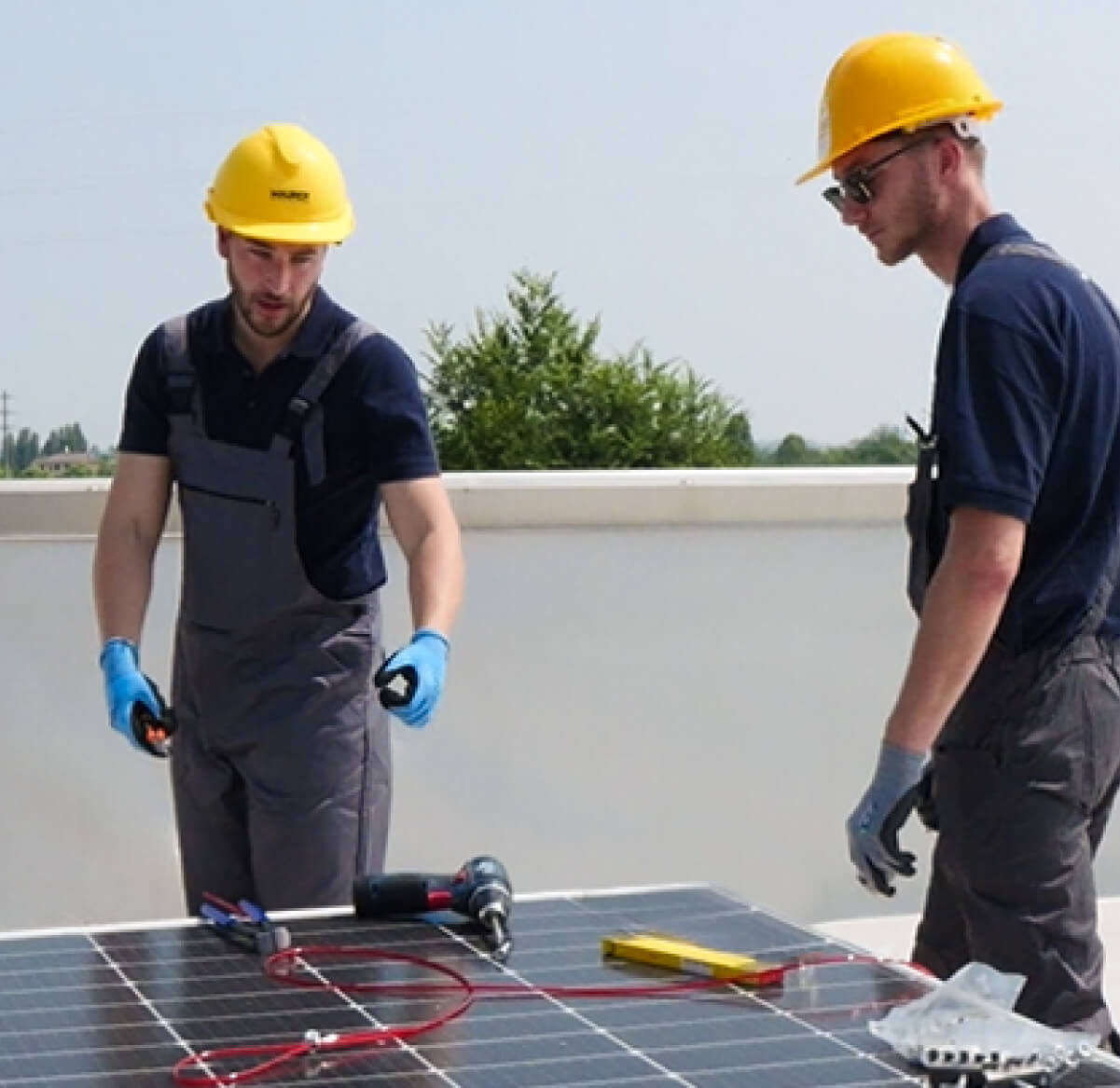
If you’re an installer, you want fewer components, intuitive assembly, and predictable results.
If you’re a technical office, you want certified performance and support for layout, spacing,
and structural checks. And if you distribute PV hardware, you need a product that’s easy to
explain, in-demand, and consistent in quality. A well-designed flat-roof mounting system
delivers all of this—turning flat roofs into profitable, repeatable PV projects across Italy.
Speed Up Installation with Ballasted, No-Drill
Systems
On a flat roof, every extra fixing point can mean extra time,
extra risk, and extra responsibility. Ballasted solar racking addresses this by keeping the roof
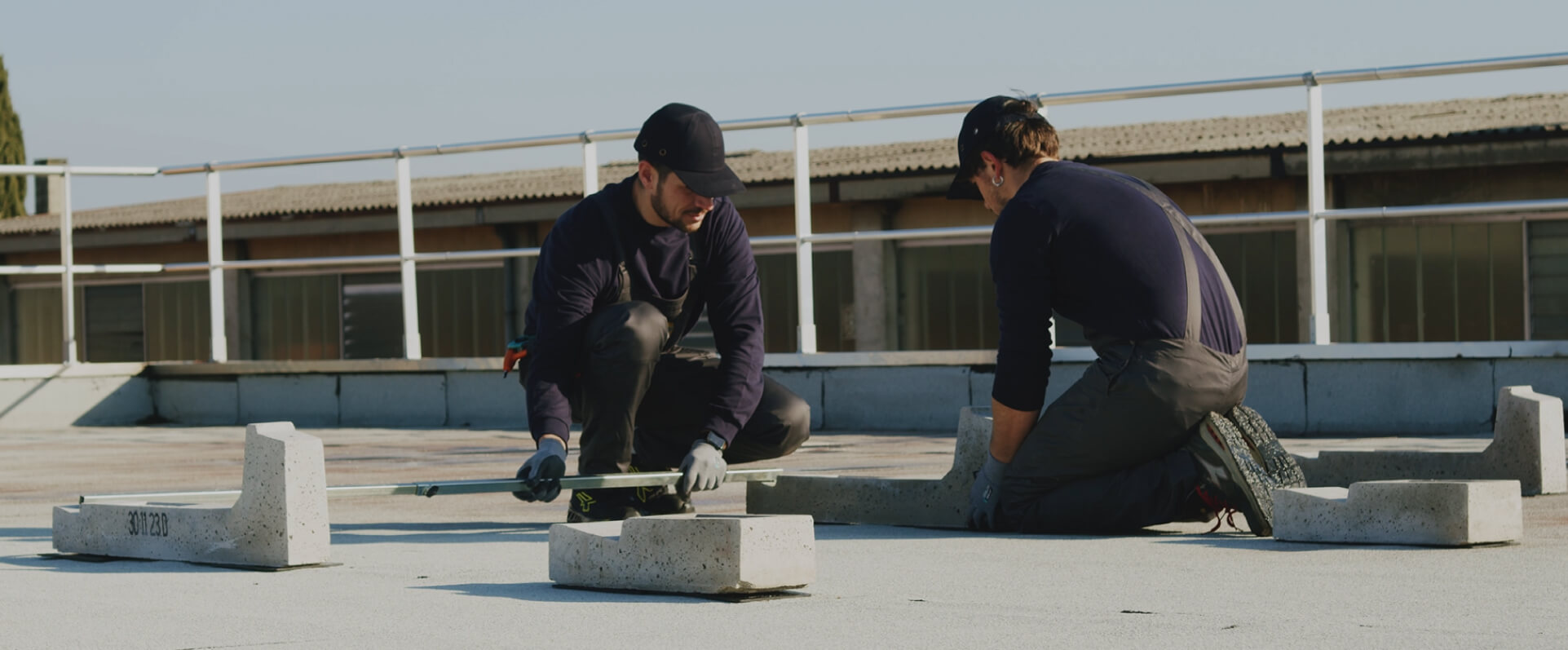
intact: no membrane perforation, no complex anchoring, and fewer steps on site. Concrete ballast
blocks are engineered to support PV panels securely, while keeping installation straightforward.
For installers, this translates into faster mounting, cleaner logistics, and fewer surprises
when roof conditions vary. For engineering teams, it means working with standardized solutions,
clear wind-load logic, and repeatable layouts—especially useful when managing multiple buildings
or large commercial rooftops. Practical details like cable management, row spacing, and
maintenance access can be integrated from the start, helping the whole system feel “site-ready,”
not improvised.
A Technical Partner Approach for Professionals
Choosing solar mounting structures for flat roofs shouldn’t be a
guessing game. Professional teams benefit most when the supplier acts like a technical
partner—supporting design, system sizing, and project development through to execution. This
approach helps reduce delays, improve compliance, and keep responsibility clear between
installer and designer.
In the Italian B2B market, reliability is non-negotiable: solid, tested components; durable
materials; and solutions built to handle real rooftop conditions. Simplicity matters just as
much—because every saved minute per module adds up on large installations. And innovation keeps
projects competitive, with new configurations for different roof types, tilt needs, and
performance goals.
If you’re looking to deliver faster installs, safer rooftops, and smoother project workflows,
ballasted PV mounting is a proven route—especially for flat roofs where speed, waterproofing,
and predictable engineering are key.